
 Save to Pinterest
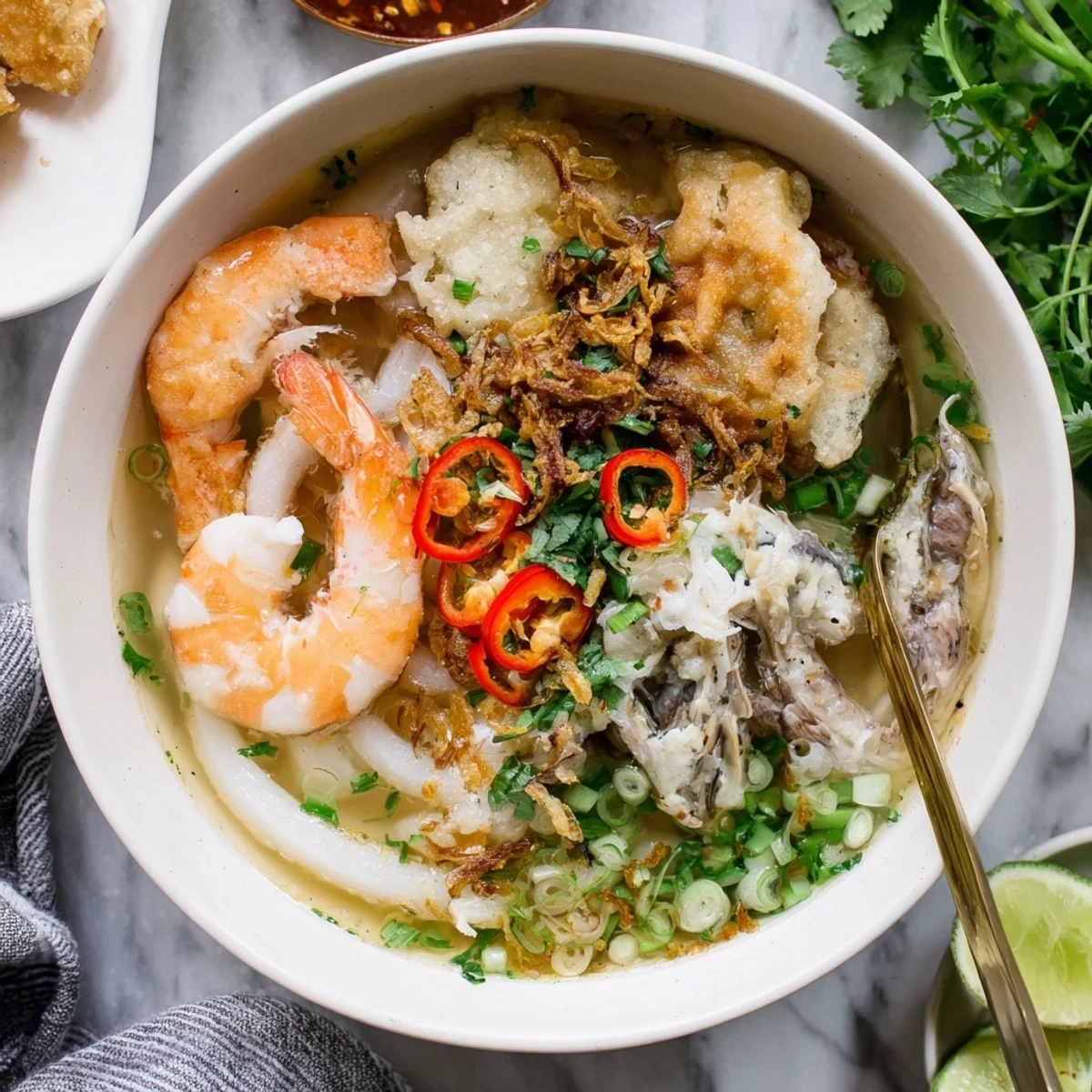
 Banh Canh Cua delivers the essence of Vietnamese comfort cuisine with its signature thick tapioca noodles swimming in a deeply savory broth. This aromatic bowl features fresh crab meat, plump shrimp, and sliced fish cakes, all simmered in a fragrant chicken stock base enhanced with pork bones, onion, and garlic. The silky, chewy noodles perfectly absorb the complex flavors while fresh garnishes like cilantro, spring onions, fried shallots, and lime add brightness and crunch. Ready in just over an hour, this satisfying noodle soup brings restaurant-quality Vietnamese flavors to your home kitchen.
The steam rising from my grandmother's kitchen always signaled banh canh cua was on the stove. Those thick, chewy tapioca noodles swimming in a crab rich broth were her answer to everything, from rainy days to celebrations. I've spent years trying to recreate that same depth of flavor she achieved with seemingly effortless intuition.
Last winter, during a particularly brutal cold snap, I made a massive pot for friends who had never tried Vietnamese crab soup. Watching their eyes light up at that first taste, the way the broth seemed to warm them from the inside out, reminded me why some recipes become traditions worth passing down.
Ingredients
- 1.2 liters (5 cups) chicken stock: Forms the aromatic foundation, though pork or seafood stock work beautifully too
- 400 g (14 oz) pork bones, blanched: Essential for that body and richness you cannot achieve with stock alone
- 1 yellow onion, halved: Sweetens the broth as it simmers, creating depth
- 2 cloves garlic, smashed: Adds a subtle aromatic backing note
- 1 tsp salt: Start here and adjust later
- 1 tsp sugar: Balances the saltiness and enhances natural sweetness
- 1 tbsp fish sauce: That indispensable umami punch
- 300 g (10 oz) fresh crab meat or cooked crab claws: The star of the show, worth seeking out fresh
- 150 g (5 oz) shrimp, peeled and deveined: Adds sweet seafood notes and texture variety
- 200 g (7 oz) fish cakes or surimi, sliced: Provides bounce and familiar comfort
- 400 g (14 oz) banh canh (thick tapioca noodles): Fresh or frozen, these chewy noodles are nonnegotiable
- 2 spring onions, finely sliced: Fresh sharpness against the rich broth
- 2 tbsp fried shallots: Crispy, savory garnish that adds texture
- 1 small bunch cilantro, chopped: Bright herbal finish
- 1 red chili, sliced (optional): For those who want heat
- Lime wedges: Essential for squeezing over at the table
- Fresh ground black pepper: Final aromatic layer
Instructions
- Build your aromatic broth base:
- Combine chicken stock, blanched pork bones, halved onion, smashed garlic, salt, and sugar in a large pot. Bring everything to a rolling boil, then reduce heat and let simmer gently for 30 minutes, skimming any foam that rises to the surface.
- Season and strain:
- Add fish sauce to taste, then remove the pork bones and onion halves from the broth, leaving behind all that infused flavor.
- Cook the shrimp just right:
- Add peeled shrimp to the simmering broth and cook for 2 to 3 minutes until just pink and curled. Remove immediately and set aside to prevent overcooking.
- Infuse crab flavor:
- Add crab meat and sliced fish cakes to the broth, simmering gently for 5 to 7 minutes to let the crab essence meld into every drop.
- Prepare the noodles:
- Cook banh canh noodles according to package instructions, then drain and rinse lightly to keep them from clumping together.
- Assemble each bowl:
- Divide noodles among serving bowls, then top with reserved shrimp, crab meat, and fish cakes.
- Finish with hot broth:
- Ladle steaming broth over the noodles and seafood, letting it immediately warm everything through.
- Garnish generously:
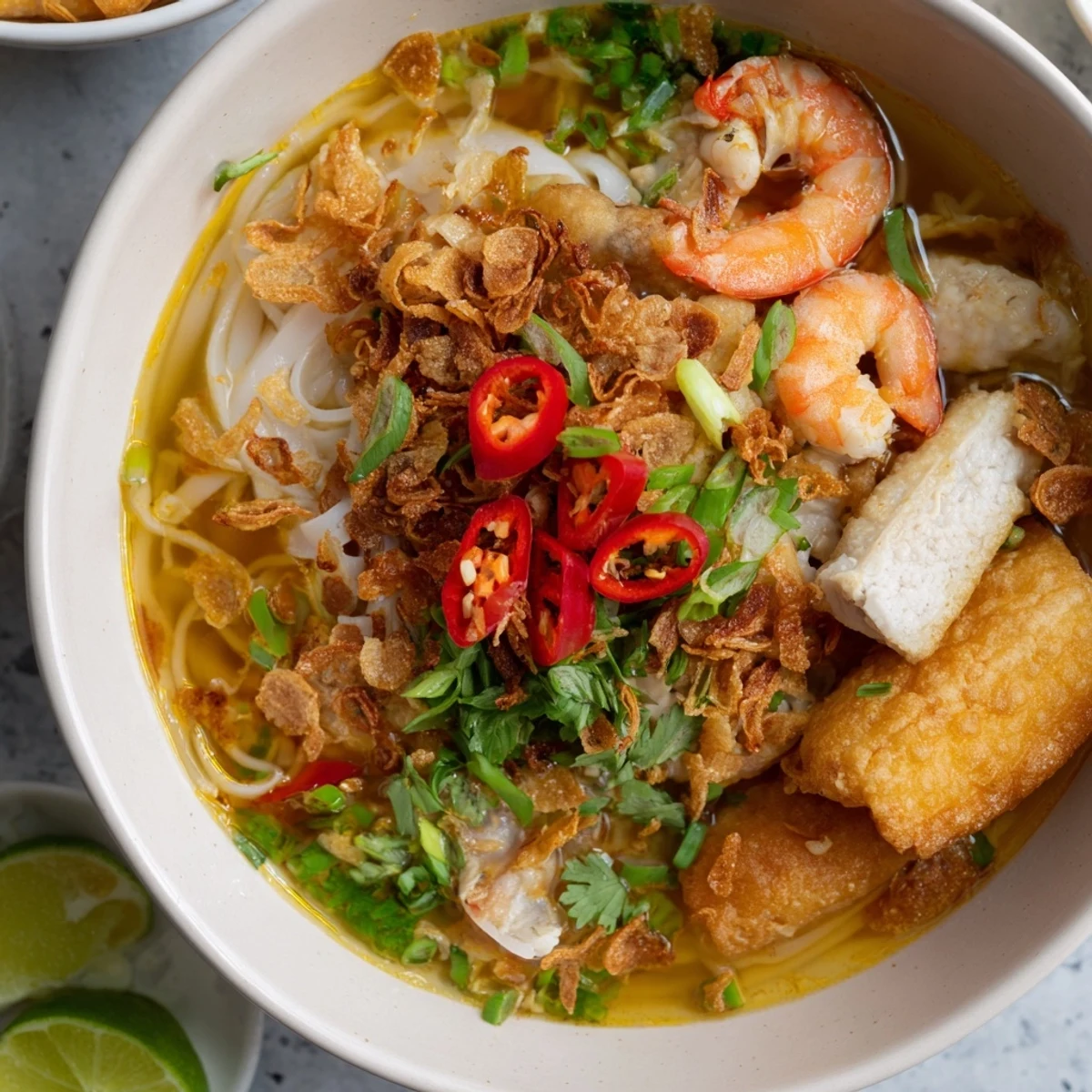
- Top with spring onions, fried shallots, cilantro, chili if using, and serve with lime wedges and fresh black pepper on the side.
 Save to Pinterest
 My friend's mother, who grew up in coastal Vietnam, told me the secret is never rushing the broth. She said the best bowls come from patience, from letting the ingredients meld until the kitchen smells like comfort itself.
Getting That Restaurant Style Broth
Adding a splash of annatto oil transforms both color and flavor, giving the broth that signature golden red hue you see in Vietnamese restaurants. The oil adds a subtle earthiness that complements crab without overpowering it.
Noodle Perfection
Fresh banh canh noodles have superior texture, but if you are using frozen, thaw them completely before cooking. Rinse them under cold water immediately after cooking to stop the cooking process and prevent sticking.
Make It Your Own
Some cooks add quail eggs or pork blood jelly for authenticity, but do not be afraid to adapt. The soul of this dish is the broth and the chewy noodles, everything else is flexible.
- Keep extra lime wedges at the table, that bright acidity is essential
- Adjust fish sauce gradually, you can always add more
- Serve immediately while noodles are still chewy and broth is piping hot
 Save to Pinterest
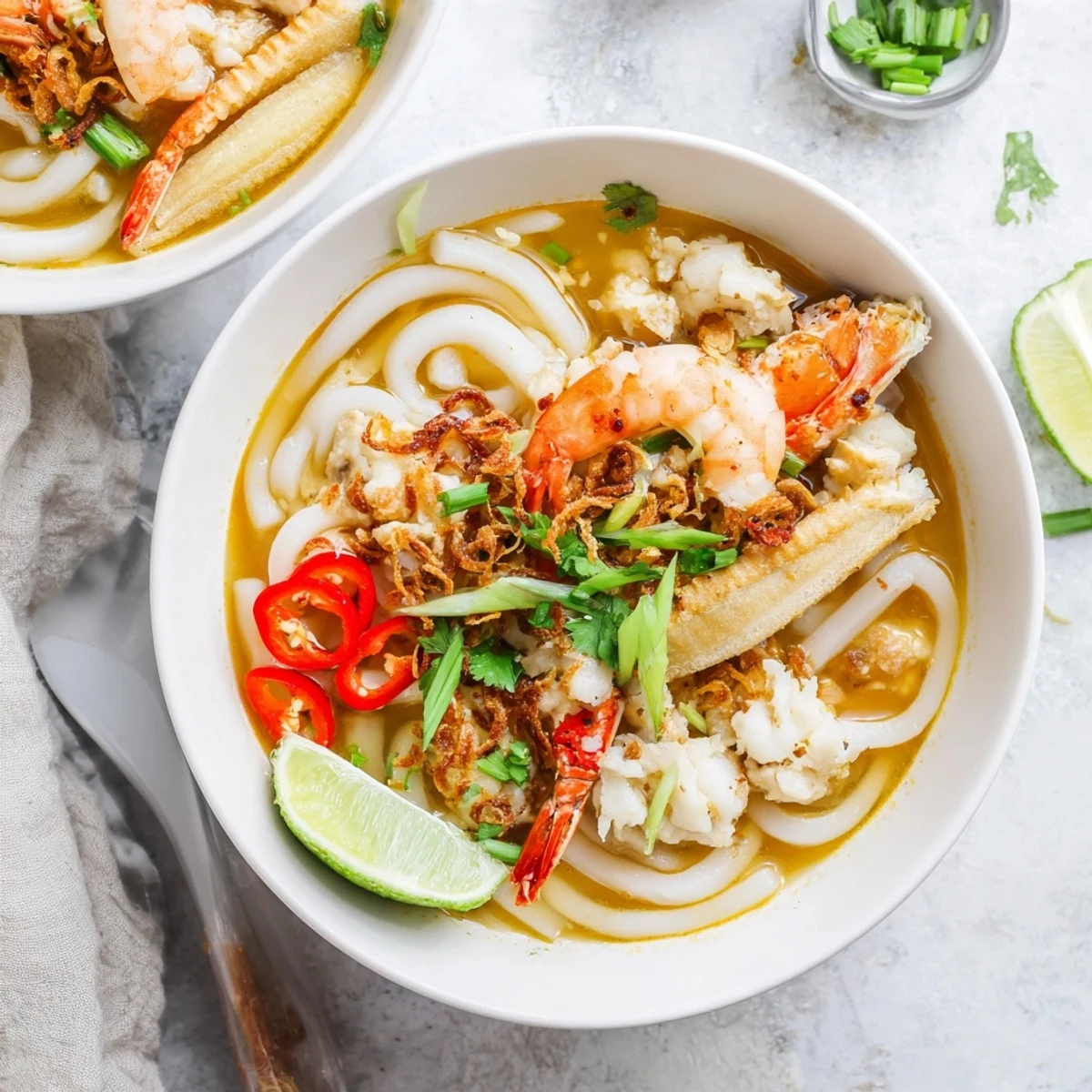
 There is something deeply satisfying about ladling hot broth over noodles, knowing you have created something nourishing from simple ingredients. That first spoonful, rich with crab and comfort, is worth every minute of simmering.
Recipe Help & Support
- → What makes Banh Canh Cua different from other Vietnamese noodle soups?
-
Banh Canh Cua features thick, chewy tapioca noodles that set it apart from pho's rice noodles or bun's vermicelli. The noodles have a slippery texture and slightly sweet flavor that pairs beautifully with the rich crab-based broth, creating a uniquely satisfying mouthfeel you won't find in other Vietnamese soups.
- → Can I use frozen crab for this dish?
-
Absolutely. Frozen crab meat or crab claws work well when fresh crab isn't available. Thaw completely before adding to the broth, and adjust cooking time to ensure the crab is heated through without becoming tough. The broth's aromatic ingredients will enhance any seafood you choose.
- → How do I store and reheat leftovers?
-
Store noodles and broth separately in airtight containers for up to 3 days. When reheating, warm the broth first then add noodles to prevent them from becoming mushy. The seafood may lose some texture upon reheating, so consider adding fresh shrimp or crab when serving leftovers.
- → What can I substitute for fish cakes?
-
You can use imitation crab (surimi), additional shrimp, or even firm tofu cubes as alternatives. For a traditional Vietnamese variation, try adding quail eggs or soft-boiled eggs. The key is maintaining a variety of proteins and textures in the bowl.
- → Is this dish gluten-free?
-
The traditional Banh Canh noodles made from tapioca flour are naturally gluten-free. However, fish cakes often contain wheat as a binder, and fish sauce may include wheat-derived ingredients. Check all packaged labels and use gluten-free fish sauce alternatives if needed to make this dish completely gluten-free.
- → How spicy should Banh Canh Cua be?
-
Traditional versions are not inherently spicy, with fresh chilies served on the side for individual adjustment. The broth focuses on savory, umami flavors from fish sauce, crab, and pork bones. Add sliced chilies during cooking or as a garnish based on your heat preference.