
 Save to Pinterest
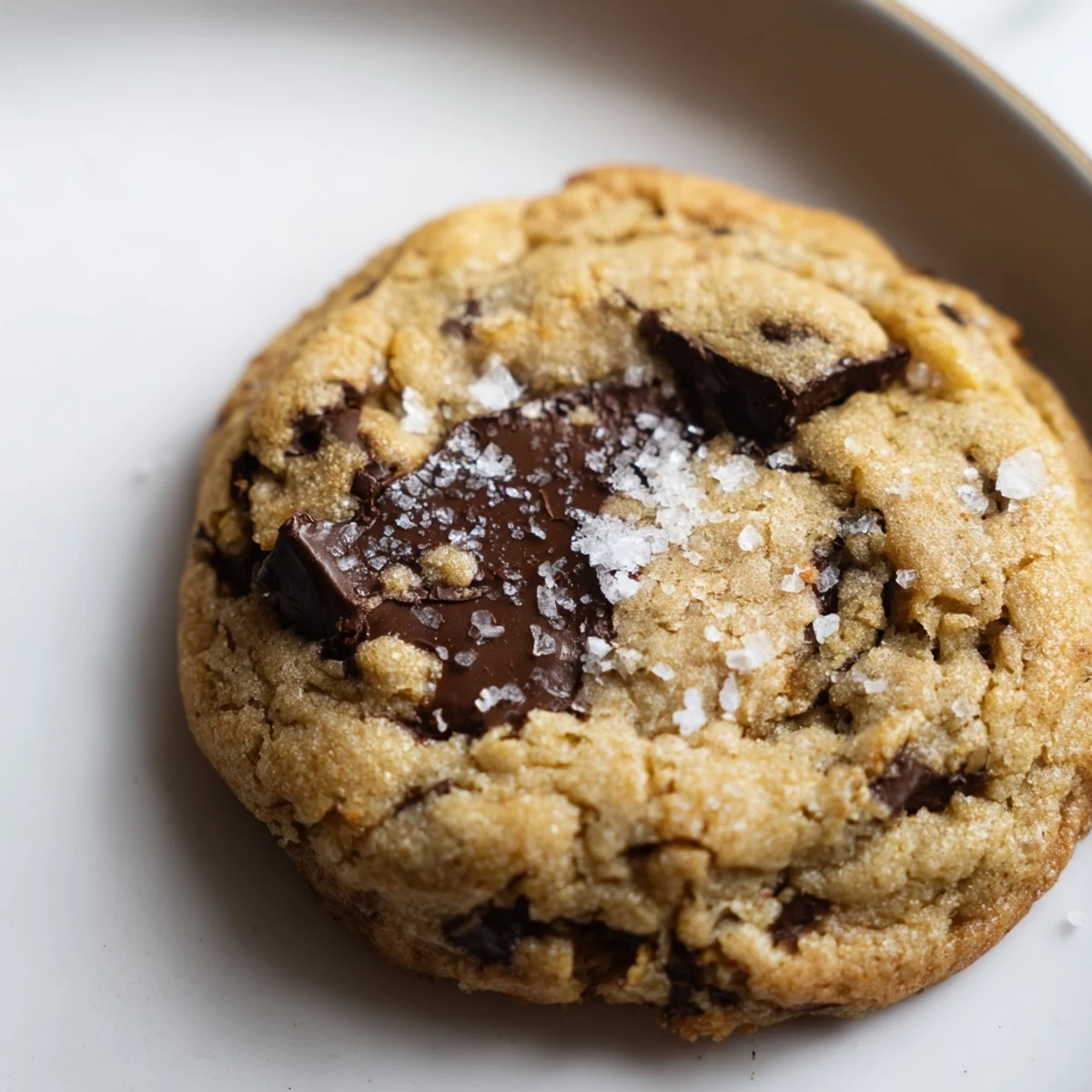
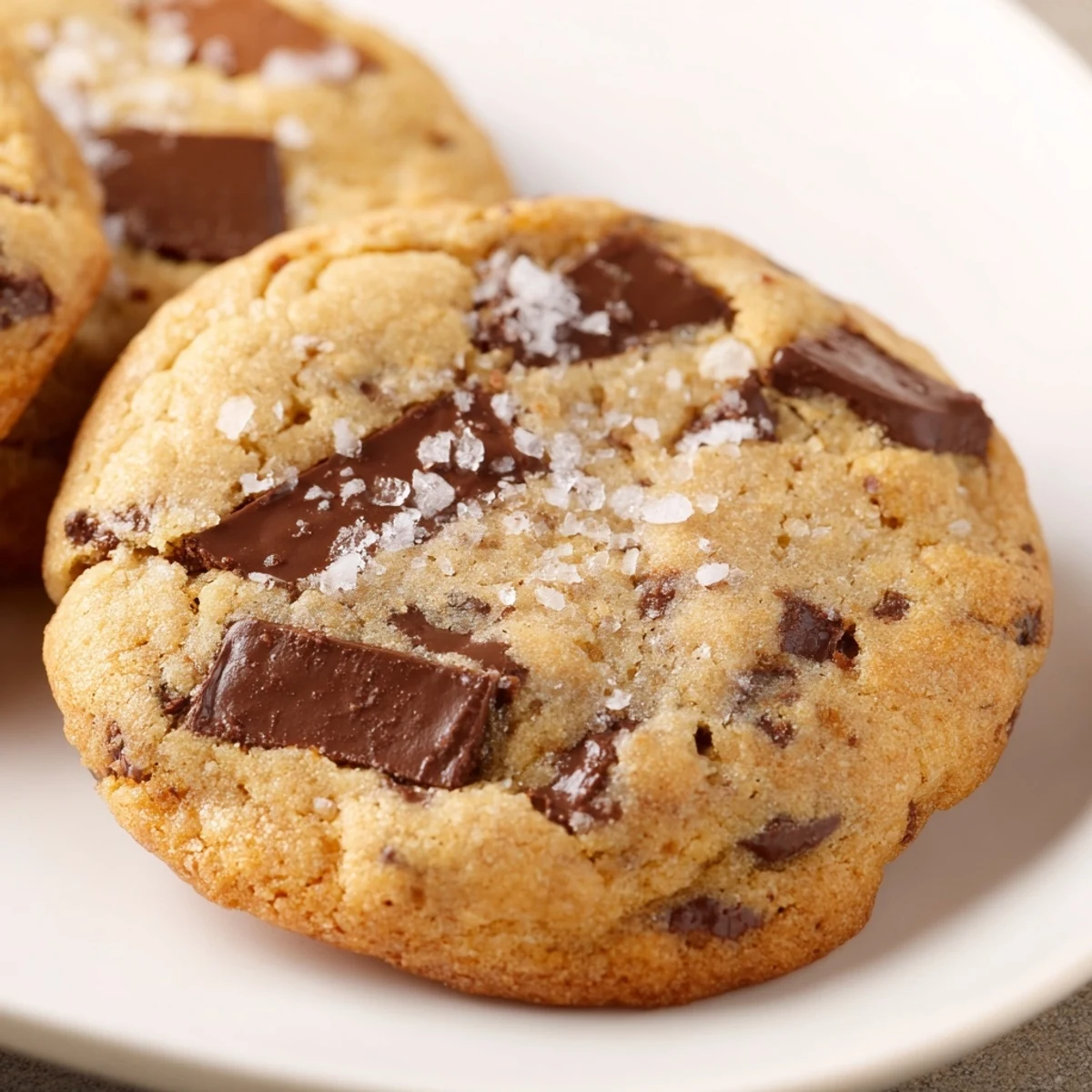
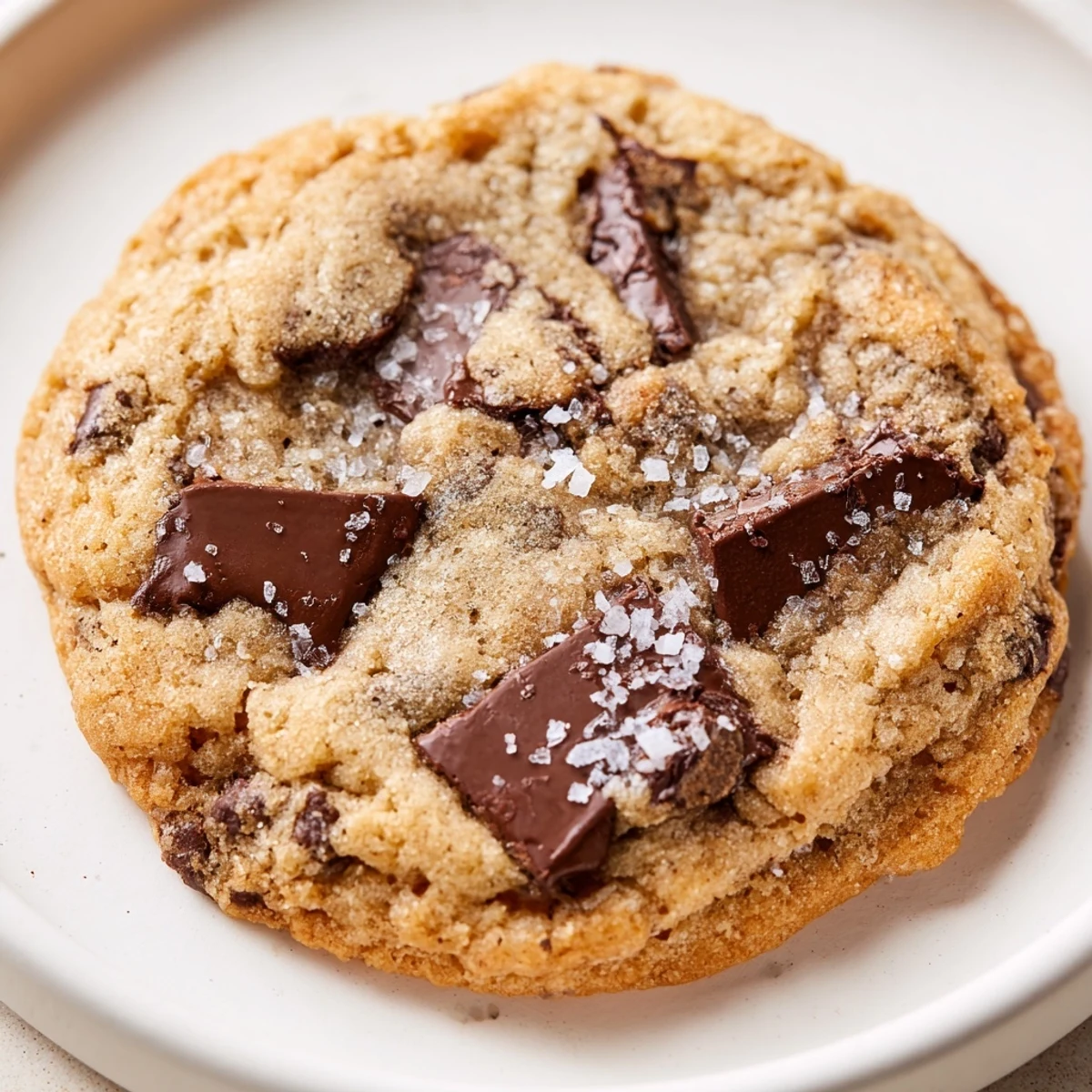
 These chewy chocolate chip cookies feature a smooth blend of all-purpose flour, baking soda, and fine sea salt. Butter and sugars are whipped to creamy perfection before folding in eggs and vanilla extract. Chocolate chips are gently incorporated into the dough, which is then scooped onto baking sheets and topped with flaky sea salt. Baking at 350°F yields golden edges and soft centers. Cooling on a wire rack ensures the ideal texture. Options include chilling dough for extra chewiness and swapping chocolate types to taste.
There's a moment every baker knows—when you're standing in the kitchen at 3 p.m. on a random Tuesday, the afternoon light hitting the counter just right, and you decide that today is the day for cookies. Mine came with a half-empty bag of chocolate chips and a jar of sea salt someone had left on my shelf, and the combination felt like permission to try something different. That first batch taught me that sweet and salty isn't just a trend; it's a flavor revelation that changes how you think about cookies forever.
I made these for my neighbor one evening after she'd had a rough day at work, and she sat on my kitchen stool eating them straight from the cooling rack, not saying much at first. Then she asked if I could make them again next week, and when I said yes, I watched her shoulders relax a little. That's when I knew this recipe had something special—it wasn't just about the cookies, but about what they represented in that moment.
Ingredients
- All-purpose flour (2 1/4 cups): This is your structure—don't skip sifting it if your flour has been sitting around, as packed flour will throw off your ratios and make the cookies dense.
- Baking soda (1 teaspoon): The unsung hero that helps your cookies spread and brown; too little and they stay cakey, too much and they'll taste slightly metallic.
- Fine sea salt (1/2 teaspoon): This dissolves into the dough and builds a subtle flavor foundation that makes the chocolate taste richer.
- Unsalted butter (1 cup, softened): Room temperature is non-negotiable here—cold butter won't cream properly with the sugars, and you'll end up with dense, tough cookies instead of tender ones.
- Granulated sugar (3/4 cup): This provides structure and snap to the edges; don't substitute it out entirely or your cookies will spread too thin.
- Packed light brown sugar (3/4 cup): The moisture in brown sugar is what gives these cookies their signature chew and deeper caramel notes.
- Large eggs (2): They bind everything together and add lift; always use room temperature eggs so they incorporate smoothly without deflating your creamed butter and sugar.
- Pure vanilla extract (2 teaspoons): The good stuff makes a difference here—it rounds out the sweetness and adds a warmth that budget vanilla simply can't replicate.
- Semisweet chocolate chips (2 cups): Use quality chocolate if you can; cheaper chips have a waxy texture that won't give you those melty pockets you're after.
- Flaky sea salt (1-2 teaspoons for topping): Maldon salt is ideal because the flakes stay visible and crisp, creating pockets of concentrated saltiness rather than dissolving into the dough.
Instructions
- Prepare your oven and set up shop:
- Heat your oven to 350°F and line your baking sheets with parchment paper—this step takes 5 minutes and saves you from cookies sticking or browning unevenly on the bottom. Cold baking sheets are your friend here.
- Mix your dry team:
- Whisk the flour, baking soda, and fine sea salt together in a medium bowl and set it aside. This prevents lumps and distributes the leavening agent evenly through the dough.
- Cream the butter and sugars until they're light and fluffy:
- Beat the softened butter with both sugars for 2-3 minutes until the mixture looks pale and airy, almost like clouds. This is where you're incorporating air into the dough, which helps the cookies rise and creates that tender crumb.
- Add the eggs and vanilla one at a time:
- Beat in one egg, wait until it's fully mixed before adding the second one, then stir in the vanilla. Going slow here prevents the dough from breaking and keeps the texture smooth.
- Bring the dry and wet together gently:
- Add the flour mixture to the butter mixture in two additions, stirring just until combined. Overmixing at this point develops gluten and makes the cookies tough instead of tender.
- Fold in the chocolate:
- Stir in the chocolate chips carefully, making sure they're distributed throughout the dough. You want pockets of chocolate in every bite, not just some cookies loaded and others bare.
- Scoop and salt:
- Drop heaping tablespoons of dough onto your prepared baking sheets about 2 inches apart, then sprinkle a tiny pinch of flaky sea salt directly onto each mound. The salt needs to sit on top of the raw dough so it doesn't get absorbed during baking.
- Bake until the edges are golden:
- Bake for 10-12 minutes—the centers will look slightly underdone, but they continue cooking as they cool. Pull them out when the edges are light golden brown; they'll firm up on the sheet and stay chewy in the middle.
- Cool with intention:
- Let the cookies sit on the hot baking sheet for 5 minutes so they set up properly, then transfer them to a wire rack. This prevents them from breaking apart and allows air to circulate so the bottoms don't steam and get soggy.
 Save to Pinterest
 My sister once sent me a text at midnight asking if I could ship her a batch, which I found funny at the time but also kind of touching. Years of sending cookies to people all over the country taught me that there's real comfort in a familiar recipe, and these became the one I reached for when I wanted someone to feel seen across the miles.
The Sea Salt Magic
The sea salt isn't decoration—it's a flavor amplifier that makes the chocolate taste deeper and more complex while also cutting through the sweetness so the cookie doesn't feel cloying. When the salt hits your tongue before the chocolate does, something shifts in how your brain processes the taste, and suddenly this feels like a treat made with intention rather than just a sweet snack. Think of it like the difference between a song with no bass and one that hits all the frequencies.
Variations Worth Trying
Dark chocolate chips bring an almost bitter edge that pairs beautifully with the salt, while milk chocolate makes things sweeter and more nostalgic. I've also had success folding in toasted nuts, adding a tablespoon of espresso powder to deepen the chocolate flavor, or swapping half the butter for brown butter for a nuttier richness. The base recipe is flexible enough to welcome these changes without falling apart.
Storage and Serving
Store these in an airtight container at room temperature and they stay soft for 4-5 days, though they rarely last that long in my house. They're perfect with cold milk, hot coffee, or honestly just eaten standing up in the kitchen at 10 p.m. when you need something that tastes like care.
- If they start to harden, layer a piece of bread in the container to add moisture back overnight.
- Freeze unbaked dough balls for up to 3 months and bake from frozen, adding just 2-3 minutes to the bake time.
- Bring cookies to room temperature before serving if they've been in a cool place, so the chocolate softens properly.
 Save to Pinterest
 These cookies have become my go-to when I want to give someone something handmade but don't want to fuss with complicated techniques. They remind me that sometimes the most meaningful food is the kind that takes half an hour and tastes like someone was thinking about you.
Recipe Help & Support
- → What type of chocolate works best?
-
Semisweet chocolate chips or chunks provide a balanced sweetness that complements the buttery dough.
- → Why add sea salt flakes on top?
-
Sea salt flakes enhance the sweet flavors by adding a subtle salty crunch, intensifying the overall taste experience.
- → How can I achieve chewy cookies?
-
Chilling the dough for 30 minutes before baking helps maintain moisture and creates a chewier texture.
- → What is the ideal baking temperature and time?
-
Bake at 350°F (175°C) for 10–12 minutes until edges are golden but centers remain soft.
- → Can I substitute ingredients for dietary needs?
-
Butter can be replaced with plant-based alternatives; however, this may slightly alter texture and flavor.