
 Save to Pinterest
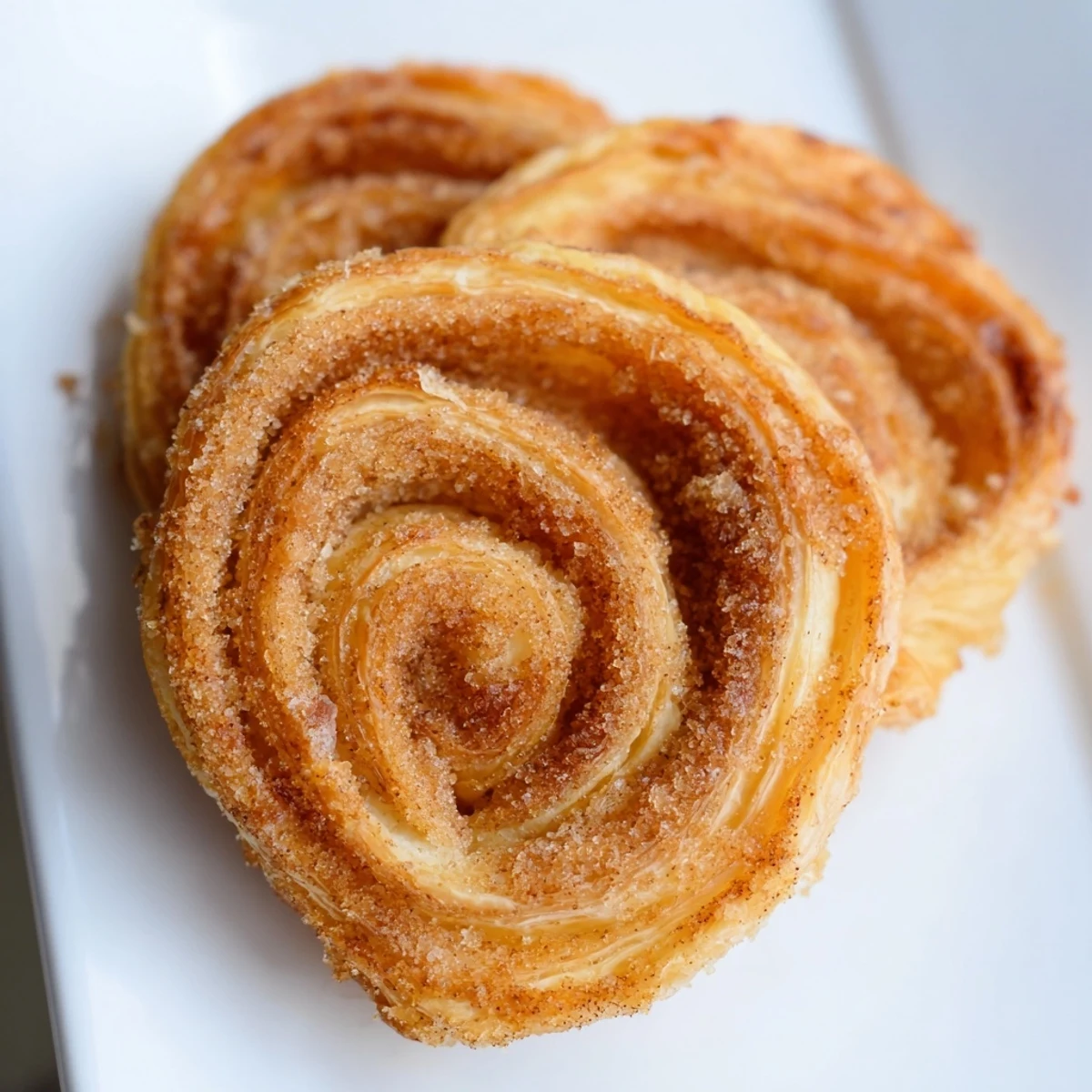
 These palmiers feature flaky, buttery puff pastry rolled with cinnamon sugar to create delicate double spirals that caramelize when baked. The process involves layering cinnamon sugar before rolling, slicing, and baking until golden and crisp. Perfect for pairing with coffee or tea, they offer a sweet, crunchy texture with warm cinnamon notes. Simple and quick to prepare, they make an irresistible treat with a buttery finish.
There's something about the smell of butter puffing up in the oven that makes you feel like a pastry chef, even if you're standing in your regular kitchen in your regular clothes. My first batch of palmiers happened by accident—I had leftover puff pastry, a cinnamon sugar mixture meant for something else, and a vague memory of seeing these swirled pastries at a French café. Twenty-eight minutes later, I pulled out these golden, caramelized spirals that looked almost too fancy to be homemade. Since that afternoon, they've become my go-to whenever I need to feel impressive without actually trying very hard.
I remember bringing a batch to my neighbor's book club, thinking they'd be nice but forgettable. Instead, one woman asked for the recipe before she'd even finished her second palmier, and suddenly everyone at the table was talking about how they taste like something from a bakery. That's when I realized these little pastries had a way of making ordinary moments feel a bit more special—which is exactly why they've stayed in regular rotation at my house.
Ingredients
- Puff pastry (1 sheet, about 250 g): All-butter puff pastry is non-negotiable here because it's what creates those delicate, shattering layers that make palmiers worth eating. Make sure it's fully thawed before you start, or it'll crack when you roll it.
- Granulated sugar (1/2 cup, 100 g): This sweetens and caramelizes in the oven, creating those crispy, candy-like edges that everyone fights over.
- Ground cinnamon (2 tsp): The warmth of cinnamon is what transforms simple pastry into something that smells like a French bakery. Don't skimp or use old cinnamon—you'll taste the difference.
- Fine sea salt (1/8 tsp, optional): A tiny pinch balances the sweetness and makes the cinnamon taste deeper and more complex.
- Extra sugar for sprinkling: This final dusting helps create that glossy, caramelized exterior that catches the light when they come out of the oven.
Instructions
- Set the stage:
- Preheat your oven to 400°F (200°C) and line two baking sheets with parchment paper. This gives the oven time to get properly hot and ensures the bottoms of your palmiers cook evenly without burning.
- Make the cinnamon sugar:
- In a small bowl, mix together the sugar, cinnamon, and salt with a fork or small whisk until the cinnamon is distributed evenly throughout. You're looking for a uniform beige color with no streaks of white sugar.
- Create the base:
- Sprinkle half of your cinnamon sugar mixture onto your work surface in a rough rectangle about the size of your puff pastry sheet. Lay the thawed puff pastry on top of this sugary bed, then sprinkle the remaining cinnamon sugar all over the top.
- Gently incorporate and shape:
- Using a rolling pin, roll the pastry into a 10x12-inch rectangle with steady, gentle pressure. You're pressing the cinnamon sugar into the pastry so it sticks and caramelizes, not creating a thick or thin sheet. The pastry should feel pliable and a bit sticky from the sugar.
- Roll from both ends:
- This is where palmiers get their signature spiral. Starting from one long edge, tightly roll the pastry toward the center like you're making a cinnamon roll, then repeat from the opposite edge so the two rolls meet in the middle, forming a double spiral that looks almost like a butterfly.
- Slice with confidence:
- Using a sharp knife, slice the double roll crosswise into 1/2-inch pieces. You should get about 24 slices. Clean your knife between cuts if the sugar starts to stick—it keeps the edges neat and the pastry from dragging.
- Position and finish:
- Arrange the slices cut side up on your prepared baking sheets, making sure they're spaced well apart since they'll puff and spread as they bake. Give each one a light sprinkle of extra sugar on top for that final caramelized crunch.
- Bake to golden perfection:
- Bake for 8–10 minutes until the bottoms are golden, then carefully flip each palmier and bake for another 7–8 minutes. You're looking for a deep golden-brown color on both sides with caramelized sugar edges that look almost like glass.
- Cool with patience:
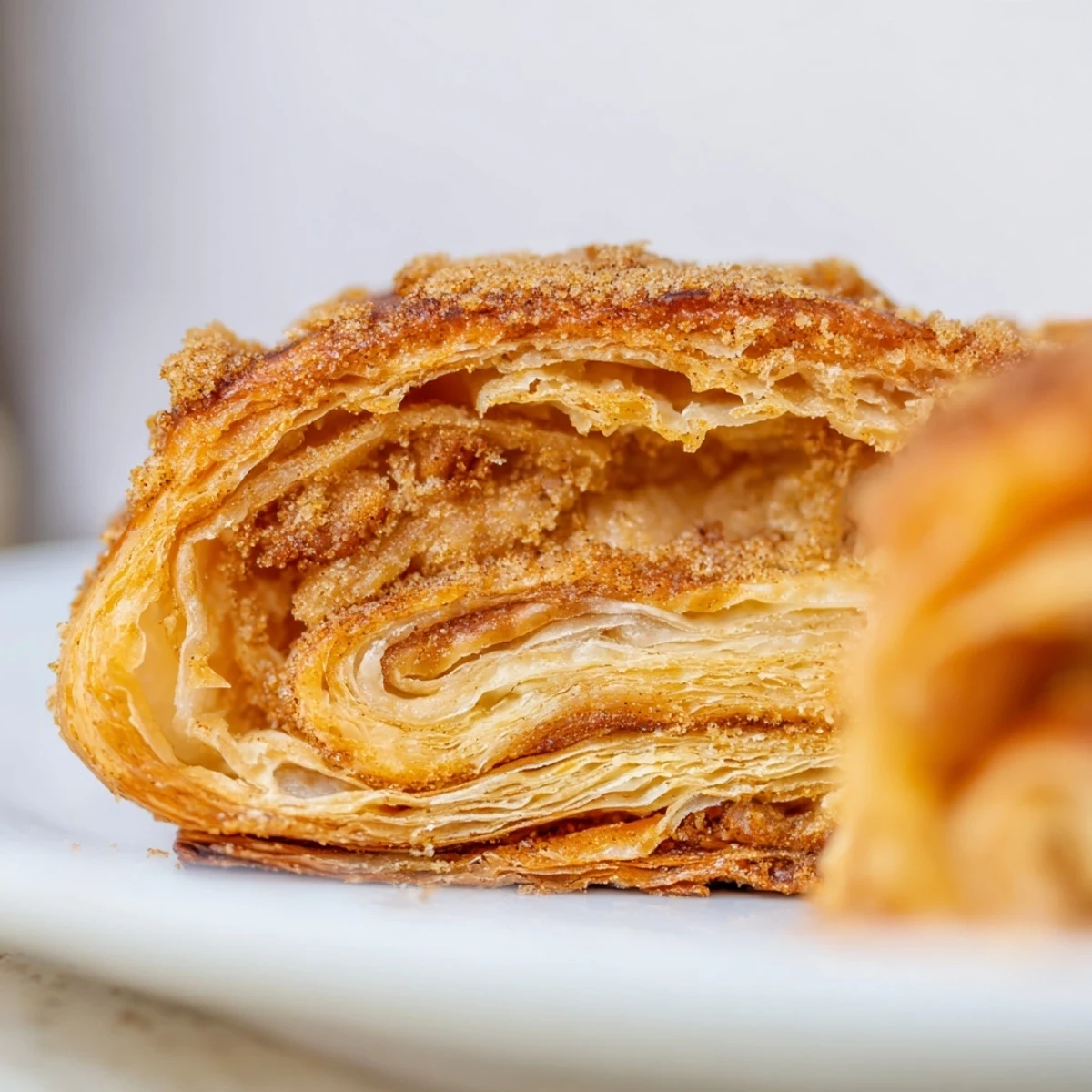
- Let them rest on the baking sheets for 5 minutes while they set, then transfer to a wire rack to cool completely. This prevents them from sticking to the pan and lets them firm up into that shatteringly crisp texture.
 Save to Pinterest
 I once made these on a quiet Sunday morning when the kitchen was just mine, and there was something meditative about the whole process—the rolling, the spiraling, the sound of the knife slicing through that butter-sugar swirl. By the time they came out of the oven, the whole house smelled warm and sweet, and I understood why pastry chefs speak about their craft the way poets speak about words.
The Secret to Caramelization
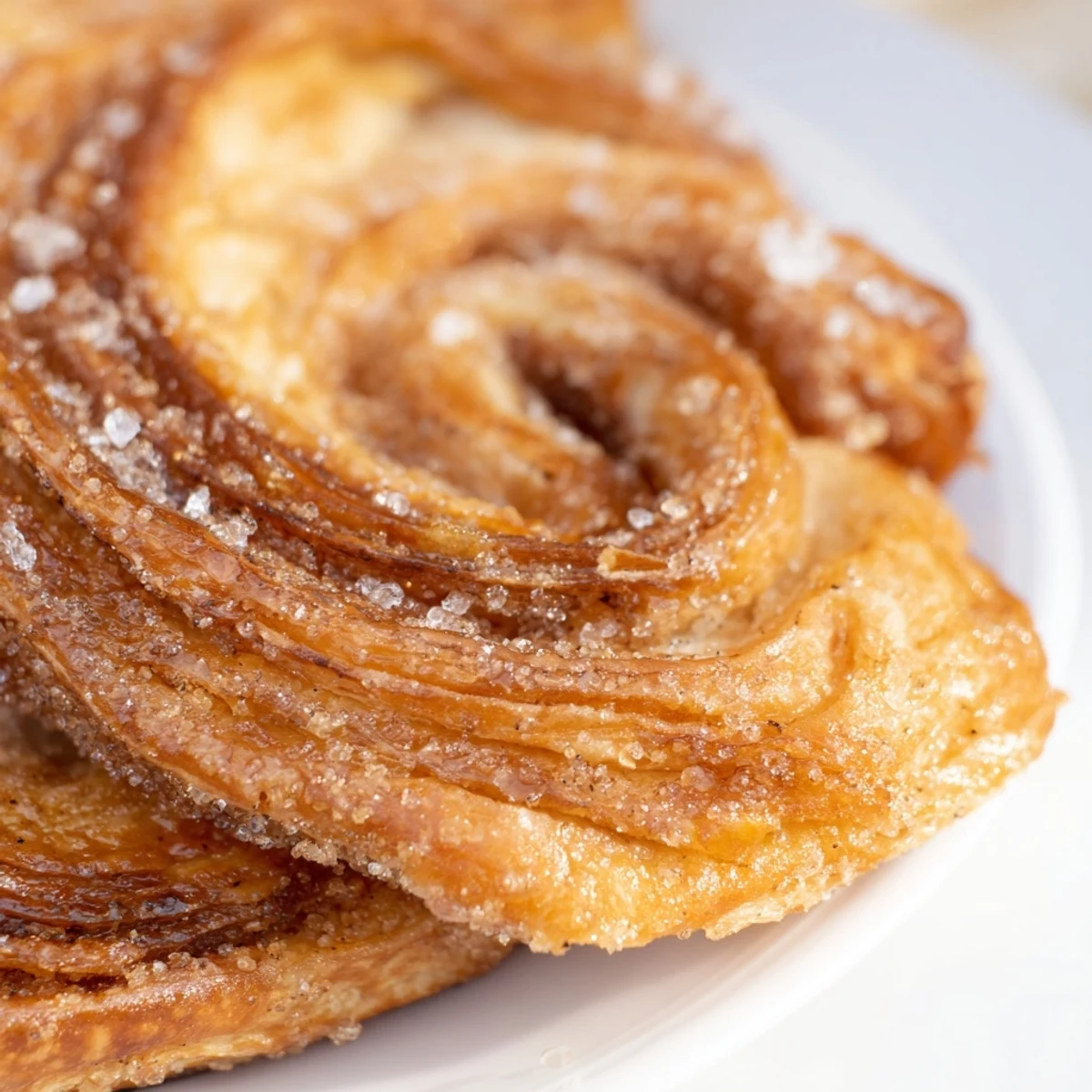
The magic happens when sugar hits heat—it transforms from grainy sweetness into glossy, crispy caramel that shatters between your teeth. That final sprinkle of extra sugar before baking is what gives palmiers their jeweled, burnished appearance. Watch them toward the end of baking; they go from golden to dark golden faster than you'd expect, and that split-second difference determines whether they're perfectly caramelized or slightly overdone.
Small Variations That Feel Elegant
The beauty of palmiers is that they're a blank canvas for whatever you're craving that day. A light brush of melted butter before that final sugar sprinkle creates even deeper caramelization and adds a subtle richness that makes people wonder what's different. Orange zest mixed into the cinnamon sugar brings brightness and a hint of citrus that plays beautifully against the warmth of the spice—this was my discovery after a trip to a French patisserie where I tasted something I couldn't quite identify until I got home and experimented.
Storing and Serving
These palmiers stay crisp in an airtight container for up to three days, though they rarely last that long in my house. They're perfect with coffee or tea, but I've also served them at the end of dinner as a simple, elegant dessert that feels like a gift. They pair beautifully with cold milk, champagne, or even just the quiet of an afternoon when you want to slow down for a few minutes.
- If they lose their crispness, place them on a baking sheet and warm in a 300°F oven for 3–5 minutes to restore that satisfying crunch.
- Make them the day before if you're serving guests; they actually taste better after the flavors have settled and the texture has fully set.
- Stack them carefully in your storage container with parchment between layers so they don't crack or stick together.
 Save to Pinterest
 Palmiers remind me why simple recipes with good ingredients are sometimes the most rewarding. There's real joy in pulling something this beautiful and delicious from your own oven, and in the faces of people when they taste what you've made.
Recipe Help & Support
- → What puff pastry should I use?
-
Use all-butter puff pastry for the best flaky texture and rich flavor. Thaw it gently before rolling.
- → How do I ensure the palmiers caramelize well?
-
Brush the slices lightly with melted butter before sprinkling sugar to enhance caramelization during baking.
- → Can I add other spices to the cinnamon sugar?
-
Yes, adding orange zest or nutmeg to the cinnamon sugar mix adds a lovely citrusy or warm spice twist.
- → How should I store the baked palmiers?
-
Store them in an airtight container at room temperature for up to three days to keep them crisp.
- → What temperature is best for baking these pastries?
-
Preheat your oven to 400°F (200°C) and bake until golden and caramelized, flipping halfway through for even browning.