
 Save to Pinterest
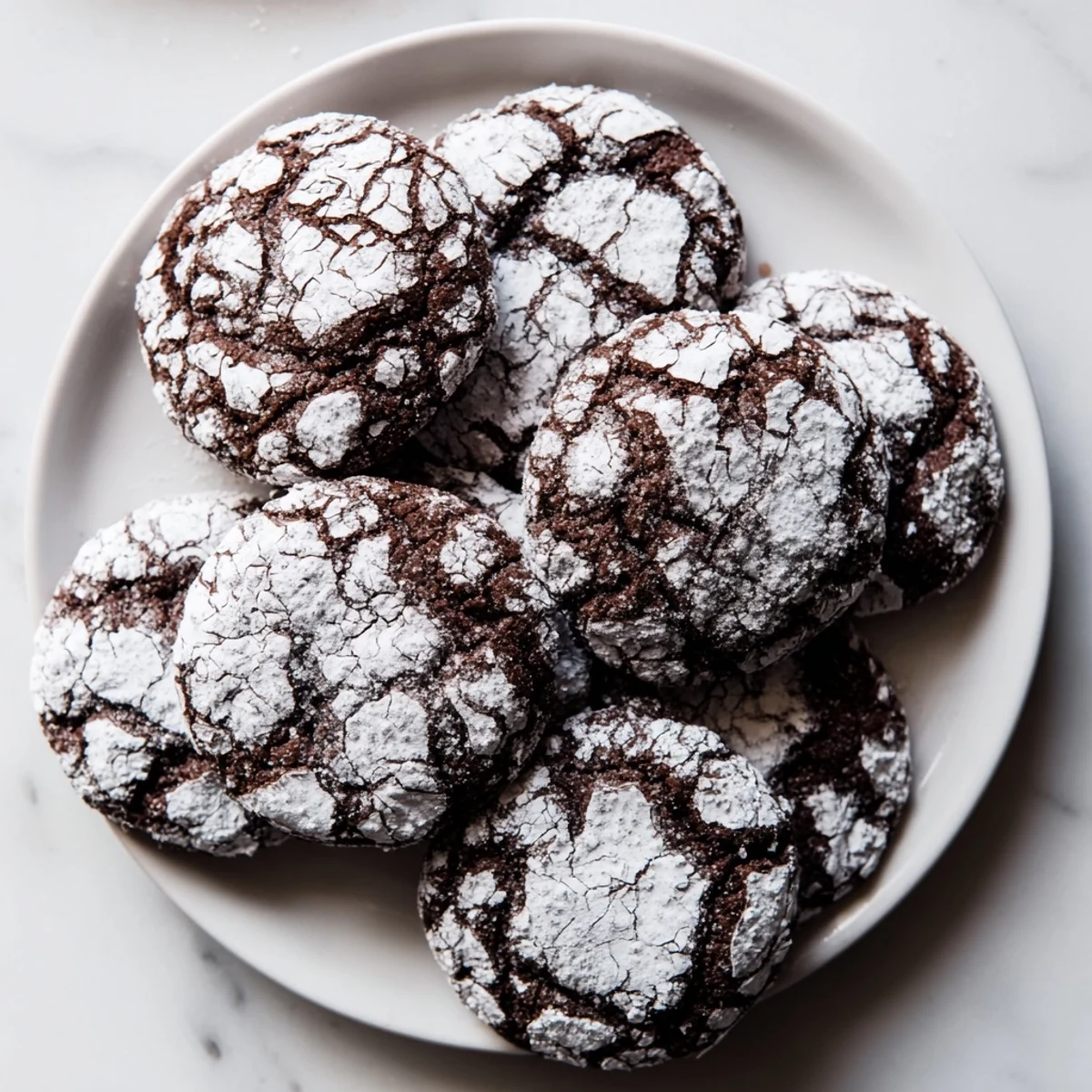
 These soft crinkle snacks feature a fudgy chocolate base lightly dusted with powdered sugar for a delightful crackled effect. They offer a tender, chewy texture balanced by rich cocoa and a subtle vanilla note. Preparation involves mixing wet and dry ingredients separately, combining to form a sticky dough, chilling, then rolling in powdered sugar before baking. The final result is a treat perfect for sharing, easy to make, and adaptable with additions like espresso powder or gluten-free flour.
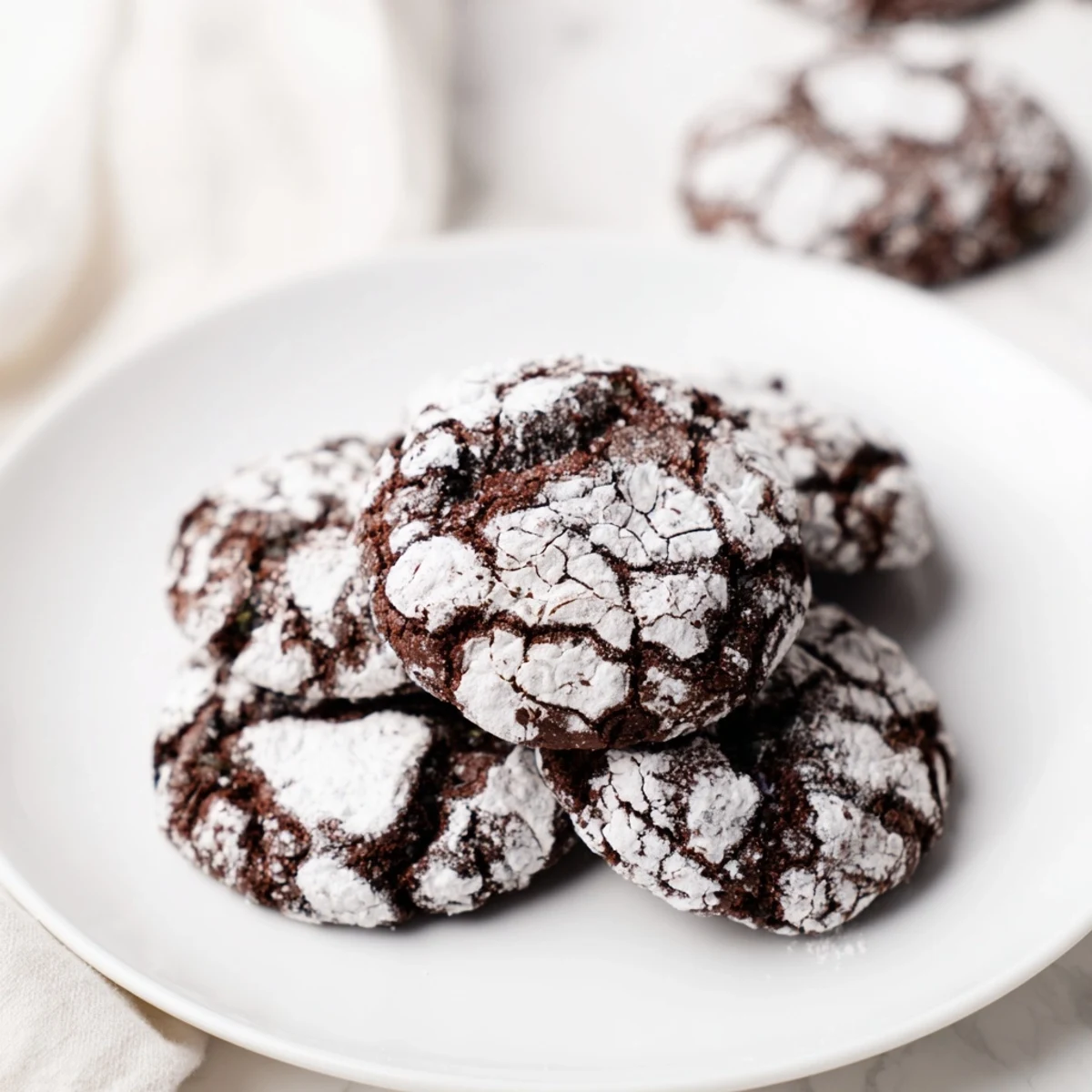
There's something about the moment when a crinkle cookie comes out of the oven that stops me mid-conversation. The powdered sugar has cracked and separated, creating this beautiful network of canyons across the chocolate surface, and the kitchen smells like pure cocoa. I discovered these cookies by accident one winter afternoon when I was craving something fudgy but didn't want to commit to an entire batch of brownies. They've been my go-to ever since—proof that sometimes the best recipes come from wanting to solve a very specific chocolate problem.
I'll never forget bringing these to my friend's dinner party when she mentioned she was nervous about dessert falling apart. Watching her face when she bit into one and found that soft, fudgy center was worth every minute of baking. Now whenever someone asks what I'm bringing to an event, I make a batch because they disappear faster than anything else on the table.
Ingredients
- All-purpose flour: The base that gives structure without heaviness—measure by spooning into your cup rather than scooping to avoid packing.
- Unsweetened cocoa powder: Skip the sweetened version; it masks the deep chocolate flavor and throws off the sugar balance.
- Baking powder: Just enough to help the cookies spread and crackle, not enough to make them cake-like.
- Salt: A quarter teaspoon is small but essential—it brightens the chocolate and makes everything taste more like itself.
- Granulated sugar: Works with oil to create that signature tender, fudgy crumb.
- Vegetable oil: Makes these cookies chewy and keeps them moist longer than butter would in this recipe.
- Eggs: Add richness and help bind everything together—room temperature eggs mix more evenly.
- Vanilla extract: A teaspoon rounds out the chocolate without overpowering it.
- Powdered sugar: The star of the show—this coating becomes those gorgeous cracks as the cookies bake.
Instructions
- Mix the dry team:
- Whisk together flour, cocoa powder, baking powder, and salt in a medium bowl. This step distributes the baking powder evenly so the cookies rise consistently.
- Build the wet base:
- Combine sugar and oil in a large bowl, then beat in eggs one at a time so they incorporate smoothly. Add vanilla and you'll notice how the mixture suddenly smells like chocolate dessert.
- Bring it together:
- Gradually add dry ingredients to wet, stirring until a sticky, fudgy dough forms. Don't overmix—you want soft cookies, not dense ones.
- Chill and reset:
- Cover the dough and refrigerate for at least an hour. The dough firms up and the flavors deepen, making the next steps easier and the cookies better.
- Heat and prep:
- Preheat your oven to 350°F and line baking sheets with parchment paper. This prevents sticking and gives you perfect release when cookies are done.
- The powdered sugar coat:
- Scoop heaping tablespoons of chilled dough, roll each into a ball, then roll generously in powdered sugar. The coating should look thick and generous—it's going to crack beautifully.
- Arrange with space:
- Place dough balls about 2 inches apart. They'll spread slightly, and that space matters for even baking.
- Bake until set:
- Bake for exactly 10 minutes—they should look set around the edges but still feel soft in the very center when you gently touch the top. This is what makes them fudgy.
- Cool with patience:
- Let them rest on the baking sheet for 5 minutes so they firm up slightly, then transfer to a wire rack. The cooling process is where more of those gorgeous cracks appear.
 Save to Pinterest
 These cookies became my comfort bake during a particularly stressful week when I needed something to do with my hands and mind. There's something grounding about the repetitive motion of rolling balls and coating them in powder, and pulling a batch out of the oven always felt like a small victory. Now whenever I need to reset, the kitchen fills with chocolate steam and everything feels manageable again.
The Powdered Sugar Transformation
The magic of this recipe lives entirely in how the powdered sugar coating behaves during baking. As the chocolate dough heats and spreads just slightly, the sugar doesn't melt smoothly—instead, it cracks and separates, creating those beautiful fault lines that make these cookies instantly recognizable. It's not a technique you need to master; it happens naturally if you respect the baking time and use enough sugar coating. I've learned that thinner coatings crack less dramatically, so if you want those deep crevasses and dramatic appearance, pile the powdered sugar on generously.
Texture and Temperature
The real art of these cookies is hitting that perfect moment between set and soft. I've learned this by trial and a few dry batches—the cookies should spread enough to create a thin, delicate edge but not so much that they flatten completely. After they come out of the oven, they'll be glossy and slightly fudgy in the center, then firm up as they cool. If you let them bake even two minutes too long, you lose that fudgy quality that makes them special.
Flavor Riffs and Variations
While the classic version is perfect as written, I've played with variations that all work beautifully. A teaspoon of instant espresso powder in the dry ingredients deepens the chocolate and adds a sophisticated edge, or you can add a pinch of cayenne pepper if you want subtle warmth. For gluten-free baking, swap the all-purpose flour for a one-to-one gluten-free blend and the cookies turn out nearly identical—a bit more tender, if anything.
- Store these in an airtight container for up to five days; they actually improve slightly as they age and the fudgy center becomes even more pronounced.
- If dough becomes too warm while scooping, pop it back in the fridge for 10 minutes to firm up again.
- These freeze beautifully both as dough balls and as baked cookies, so make extra whenever you have the oven on.
 Save to Pinterest
 These cookies have become one of those recipes I can make in my sleep, the kind that works every single time and somehow always feels special. Whether you're baking them for yourself on a quiet afternoon or bringing them to someone who needs a little chocolate comfort, they deliver something simple and genuine.
Recipe Help & Support
- → How do I achieve the crackled powdered sugar effect?
-
Rolling the chilled dough balls generously in powdered sugar before baking creates the distinctive crackled surface as the cookies expand and crack.
- → Can I substitute the all-purpose flour?
-
Yes, you can use gluten-free flour blends to accommodate dietary needs, but the texture may vary slightly.
- → What enhances the chocolate flavor?
-
Adding unsweetened cocoa powder provides rich chocolate taste; a teaspoon of instant espresso powder can deepen the flavor further.
- → How long should the dough be chilled?
-
Chilling the dough for at least one hour helps firm it up, making it easier to handle and improving the final texture.
- → What is the ideal baking time and temperature?
-
Bake at 350°F (175°C) for about 10 minutes until the edges set but centers remain soft for a chewy texture.
- → How to store these treats to maintain freshness?
-
Store cooled cookies in an airtight container at room temperature for up to five days to retain softness.