
 Save to Pinterest
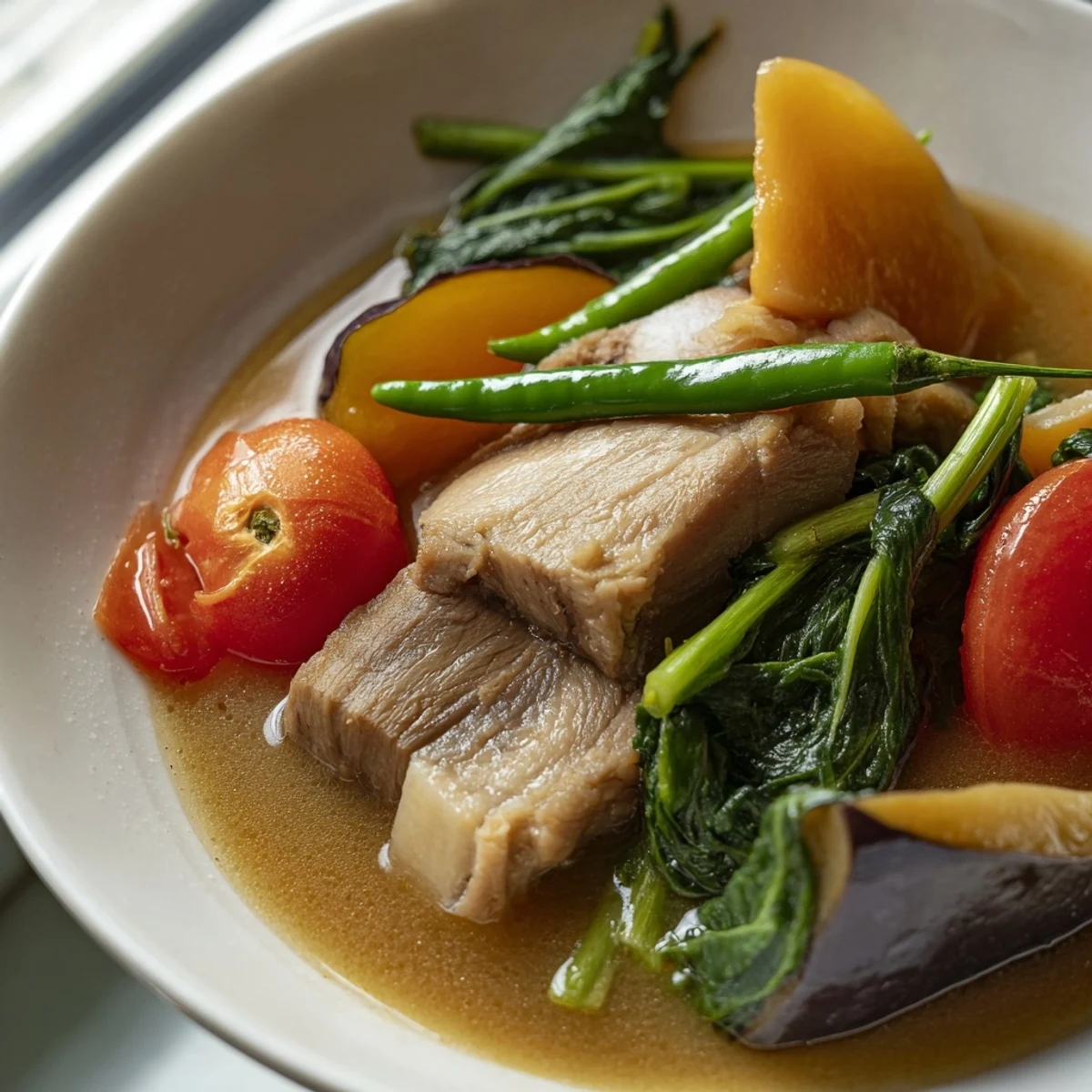
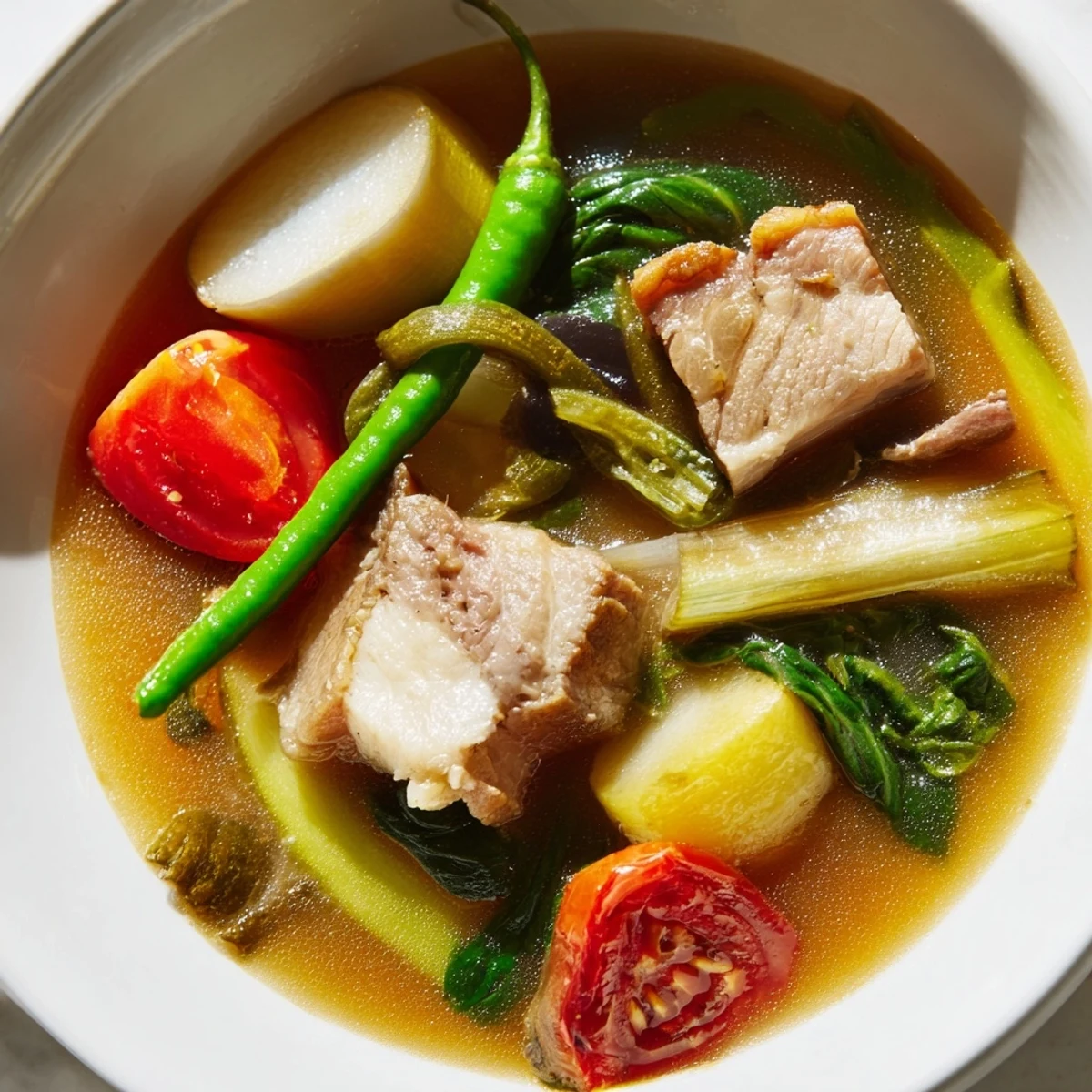
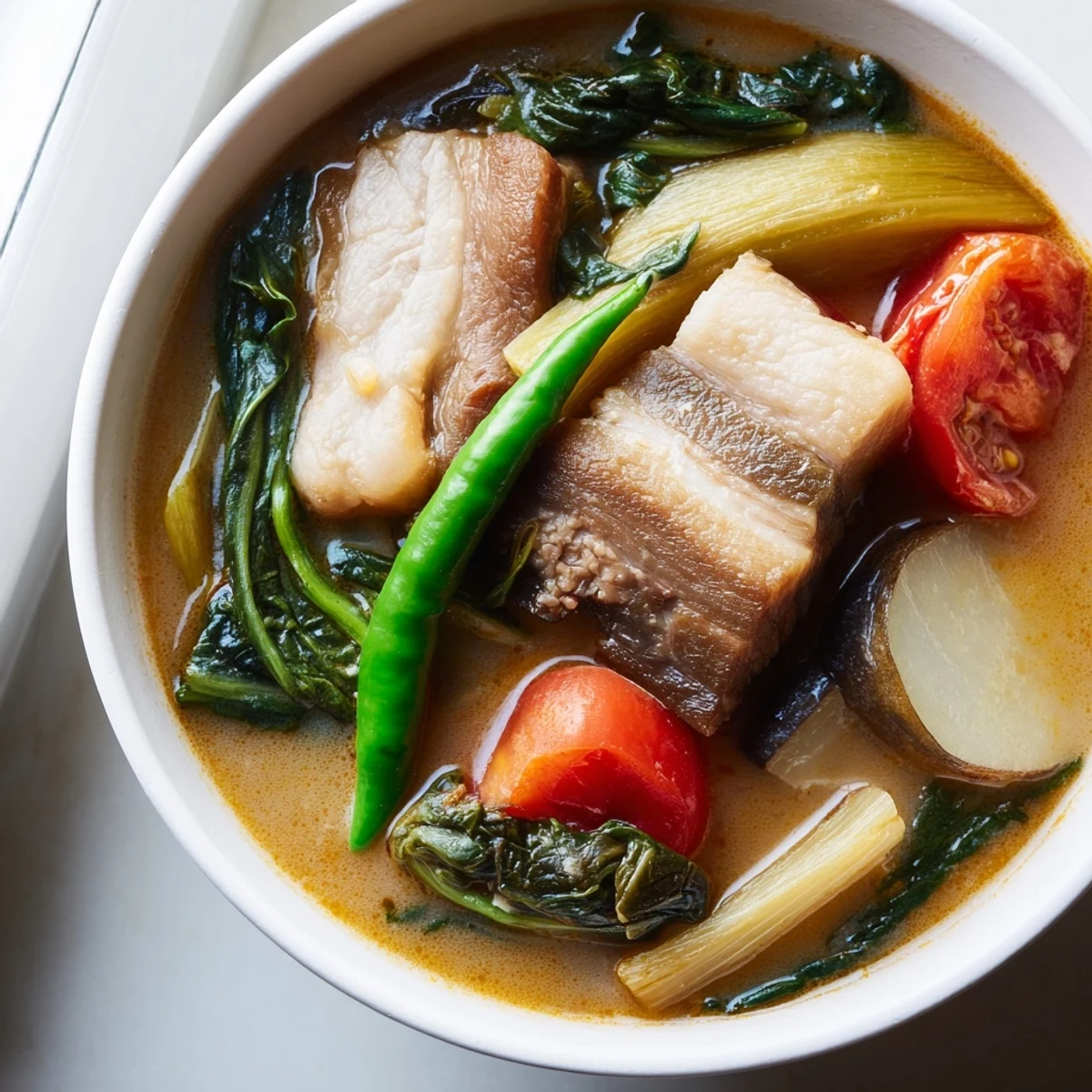
 Sinigang represents the heart of Filipino comfort cuisine, featuring a distinctive sour broth that comes from tamarind. This one-pot dish combines tender pork belly or ribs with an array of vegetables like daikon radish, eggplant, string beans, and leafy greens. The preparation involves building layers of flavor, starting with boiling the pork until tender, then gradually adding vegetables based on their cooking times. The tamarind base creates that perfect balance of sour and savory that makes Sinigang so addictive. Finished with fish sauce and fresh greens, this soup delivers a complex, refreshing taste that cuts through richness and warms you up completely. Serve piping hot over steamed white rice for the ultimate Filipino meal experience.
The first time my auntie taught me to make Sinigang, I kept sneaking tastes of the broth, adjusting the sourness until she playfully smacked my hand away with her wooden spoon. Now whenever rain taps against our kitchen windows, my husband immediately asks if that unmistakable tangy aroma will be filling our home soon.
Last winter, when my best friend was recovering from surgery and couldn't keep much food down, this soup was the only thing that made her eyes light up. She said the sourness cut through everything and actually made her feel hungry again for the first time in weeks.
Ingredients
- 1 kg pork belly or pork ribs: Pork belly adds richness while ribs give incredible depth to the broth, cut into generous chunks so they dont shrink too much during cooking
- 2 medium tomatoes: Quarter these large as theyll break down and contribute natural sweetness to balance the sour tamarind
- 1 large onion: Peeled and quartered, this forms the aromatic foundation alongside the tomatoes
- 1 daikon radish: Peeled and sliced into half moons, this absorbs the sour broth beautifully and becomes incredibly tender
- 10 string beans: Trimmed and cut into 2 inch pieces, they maintain a pleasant crunch even after simmering
- 1 eggplant: Sliced into thick rounds, it soaks up the flavorful broth like a sponge
- 2 cups spinach leaves or kangkong: Added at the very end to preserve their vibrant green color and fresh texture
- 2 long green chili peppers: Optional but recommended, they infuse gentle warmth without overwhelming heat
- 1 packet tamarind soup base mix: The secret to that signature tang, though fresh tamarind pulp works wonderfully if you can find it
- 2 tbsp fish sauce: Essential for authentic Filipino depth of flavor and umami richness
- 1 tsp salt: Adjust according to your taste and the saltiness of your fish sauce
- ½ tsp freshly ground black pepper: Adds a subtle warmth that complements the sour profile
- 6 cups water: Use filtered water if possible since it forms the base of your entire soup
Instructions
- Start the pork broth:
- Bring your water to a rolling boil in a large pot, then add the pork chunks, skimming off any gray foam that rises to the top for a cleaner tasting soup
- Build the aromatic base:
- Add the quartered tomatoes and onion to the pot, letting them simmer with the pork for about 20 minutes until the meat starts becoming tender and the vegetables begin melting into the broth
- Add hearty vegetables:
- Stir in the daikon radish slices and cook for 10 minutes, giving them time to soften and start absorbing that developing flavor
- Add remaining vegetables:
- Add the eggplant, string beans, and chili peppers if using, simmering for 5 minutes until the eggplant begins to look translucent
- Create the signature sour broth:
- Mix in the tamarind soup base until fully dissolved, or if using fresh tamarind, mash the boiled pulp with a little water and strain the liquid into your pot
- Season to perfection:
- Add fish sauce, salt, and pepper, tasting and adjusting until you hit that perfect balance where the sourness makes your mouth pucker just slightly
- Finish with leafy greens:
- Add spinach or kangkong leaves last, simmering only 2 to 3 minutes until just wilted but still vibrant
- Serve immediately:
- Ladle hot over steamed white rice, making sure everyone gets plenty of that precious sour broth in their bowl
 Save to Pinterest
 My father in law, who is notoriously particular about his Filipino food, actually asked for seconds the first time I served this. That quiet request for another bowl meant more than any compliment he could have spoken aloud.
Making It Your Own
Ive learned that Sinigang beautifully accommodates whatever vegetables are languishing in your crisper drawer. Okra adds a lovely silkiness to the broth, while taro pieces thicken it slightly, almost like a hearty stew rather than soup.
Protein Variations
On busy weeknights, I often swap pork for shrimp, adding them during just the last five minutes so they stay plump and sweet. Fish fillets work wonderfully too, though theyll break apart into flakes that float through the tangy broth.
The Fresh Tamarind Experience
When I finally tried using fresh tamarind pods instead of the mix, the difference was remarkable. The sourness felt more layered and complex, less one dimensional, though it does require extra effort to boil, mash, and strain the pulp.
- Look for tamarind pods that feel heavy and have slightly wrinkled brown skins
- The mash and strain step is messy but absolutely worth the authentic flavor
- If you cant find fresh, the mix still produces a delicious and comforting result
 Save to Pinterest
 Theres something universally comforting about a soup that makes you pucker and smile at the same time. I hope this recipe brings your family as many rainy day gatherings as it has mine.
Recipe Help & Support
- → What makes Sinigang sour?
-
The signature sourness comes from tamarind, either using fresh tamarind pulp boiled and strained into the broth, or a convenient tamarind soup base mix. This creates the distinctive tangy flavor that defines Sinigang.
- → Can I use other proteins besides pork?
-
Absolutely. While pork belly and ribs are traditional, you can substitute with beef, shrimp, or fish. Seafood versions are lighter and require adding the protein during the last 10 minutes of cooking to prevent overcooking.
- → What vegetables go best in Sinigang?
-
Classic additions include daikon radish, eggplant, string beans, tomatoes, onions, and leafy greens like spinach or kangkong (water spinach). You can also add okra or taro based on preference and availability.
- → How long does it take to make Sinigang?
-
The total time is about 1 hour 5 minutes. This includes 20 minutes for prep and 45 minutes of cooking time, which allows the pork to become tender and all the vegetables to cook through while maintaining their texture.
- → What should I serve with Sinigang?
-
Sinigang is traditionally served hot with steamed white rice, which helps balance the sour broth. A chilled glass of Sauvignon Blanc pairs beautifully with the tangy, savory flavors of this classic Filipino soup.
- → Can I make Sinigang ahead of time?
-
Yes, Sinigang actually tastes better the next day as flavors meld together. Store in the refrigerator and reheat gently, adding fresh leafy greens just before serving to maintain their vibrant color and texture.