
 Save to Pinterest
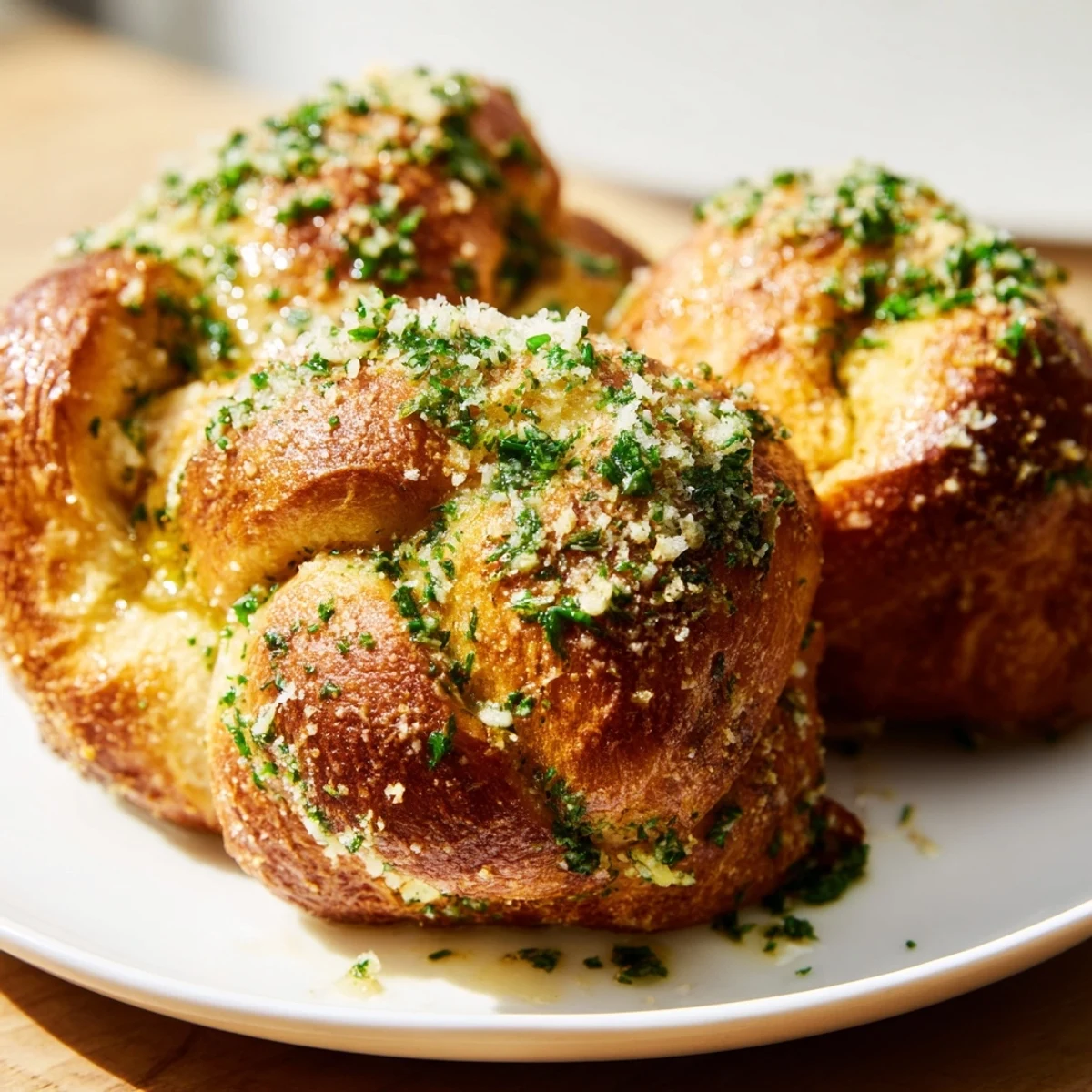
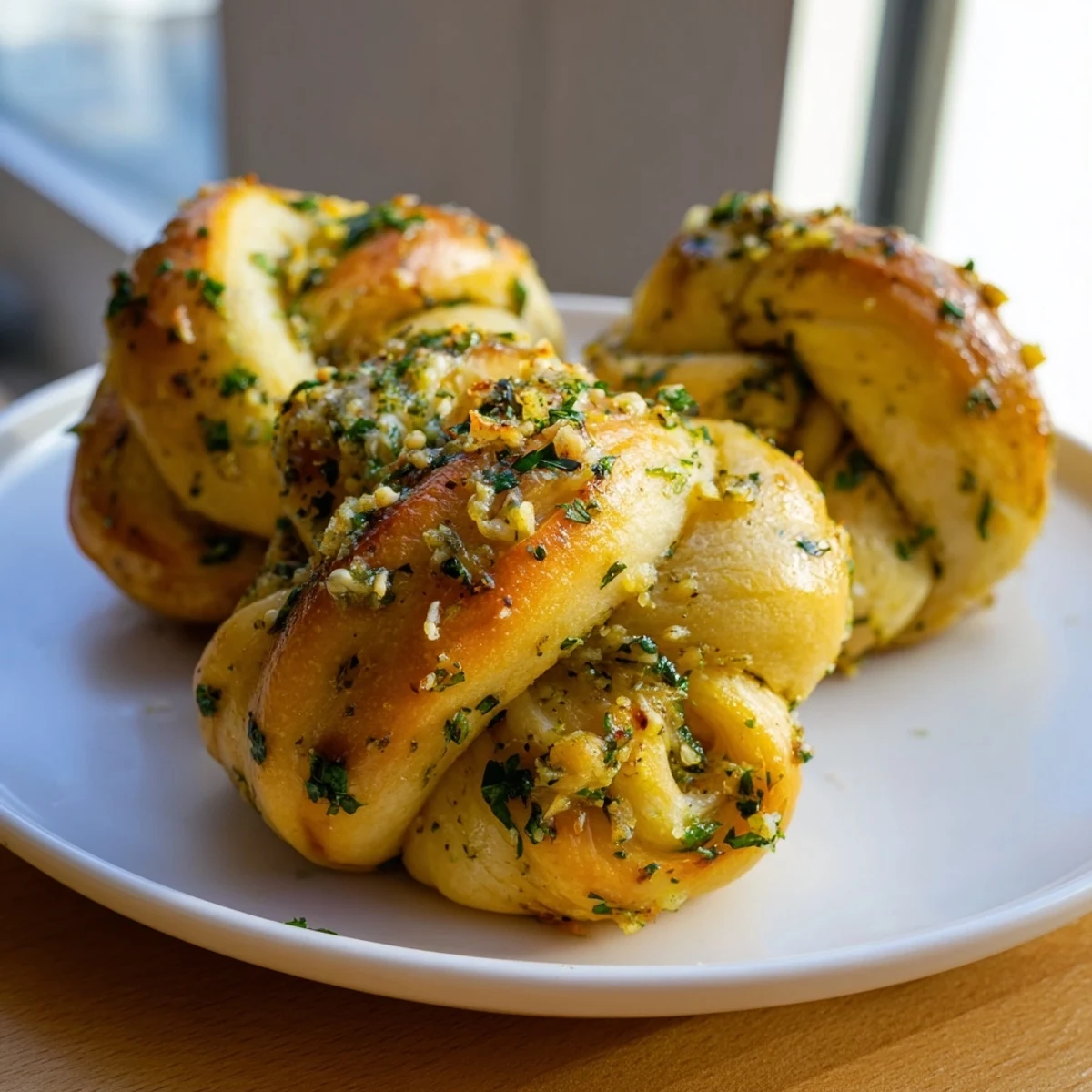
 This savory bread features soft dough twisted into knots and brushed with a fragrant garlic butter blended with fresh herbs. After rising and baking to golden perfection, the knots showcase a tender crumb and a buttery crust enhanced with a sprinkle of Parmesan. Perfect for serving alongside pasta or as a warm appetizer, these knots bring a delightful aroma and rich herbaceous flavor to your table.
There's something about the smell of garlic butter hitting warm bread that stops a whole room mid-conversation. I discovered these knots by accident—I'd made a simple dough and was running late for a dinner party, so I got creative with knot-tying instead of the usual rolls. They came out golden and twisted, smelling like an Italian grandmother's kitchen, and I've been making them ever since for anyone who'll stay for them.
My neighbor asked what was baking the first time I made these, and the smell alone pulled her to my front door before they'd even finished browning. She stood in my kitchen while I brushed on the garlic butter, and by the time they cooled just enough to touch, we'd already eaten three between us and she was asking for the recipe. That's when I realized these knots had a quiet power—they're edible proof that you care.
Ingredients
- All-purpose flour (3 cups): The foundation—I use unbleached because it gives a slightly better rise and nuttier flavor, though any all-purpose flour works perfectly fine.
- Warm water (1 cup): Should feel like a warm bath on your wrist, not hot—this wakes up the yeast without killing it.
- Active dry yeast (2¼ tsp): Check the expiration date; old yeast won't give you that beautiful rise that makes the knots so fluffy.
- Granulated sugar (1 tbsp): This feeds the yeast and helps it activate, creating that essential foaminess.
- Salt (1 tsp): Controls the yeast and brings out the bread's subtle flavor.
- Olive oil (2 tbsp): Keeps the dough supple and adds a whisper of richness.
- Unsalted butter (4 tbsp, melted): For the garlic butter coating—unsalted so you control the salt level entirely.
- Garlic (3 cloves, minced): Fresh is essential; jarred garlic tastes tired compared to what you get by mincing it yourself by hand.
- Fresh parsley (2 tbsp, chopped): Adds color and a clean herbaceous note that stops the butter from feeling too heavy.
- Black pepper (¼ tsp): Freshly ground makes a real difference—it's more alive than pre-ground.
- Parmesan cheese (2 tbsp, optional): Adds a salty, nutty finish that makes people ask what your secret ingredient is.
Instructions
- Wake up the yeast:
- Combine warm water, sugar, and yeast in a small bowl and let it sit for 5 minutes. You'll know it's ready when the top looks like a foamy, living thing—that's the sign your yeast is happy and alive.
- Build the dough:
- Mix flour and salt in a large bowl, then add the yeast mixture and olive oil. Stir until everything comes together into a shaggy, rough dough that looks like it needs some care.
- Knead into submission:
- Turn the dough onto a lightly floured surface and knead for 8 to 10 minutes until it becomes smooth, elastic, and soft—you'll feel the transformation under your hands. If it sticks, dust with a little more flour, but resist over-flouring.
- Let it rise:
- Place the dough in a greased bowl, cover it loosely with plastic wrap or a towel, and find a warm spot to let it rise for about 1 hour until it's doubled in size. A warm corner of your kitchen or even the inside of an unlit oven works perfectly.
- Preheat and prepare:
- Get your oven to 400°F (200°C) and line a baking sheet with parchment paper while you wait for the dough to finish rising.
- Shape the knots:
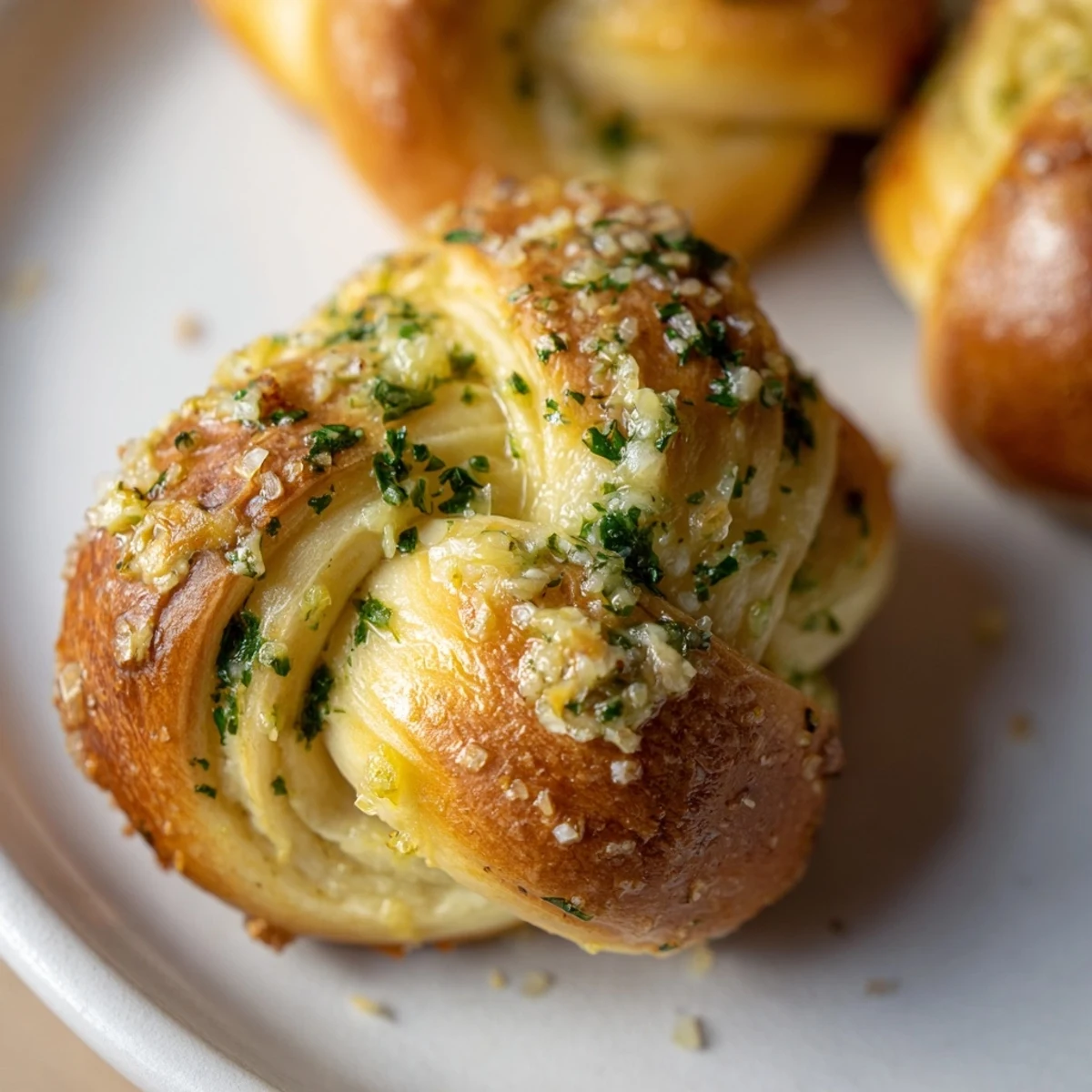
- Punch down the dough to release the air, then divide it into 12 equal pieces. Roll each piece into a 10-inch rope and tie it into a loose, casual knot—they don't need to be perfect, and loose knots puff up beautifully in the oven.
- Second rest:
- Place the knots on your prepared baking sheet, cover them lightly, and let them rest for 10 minutes while the oven finishes heating.
- Bake until golden:
- Bake for 15 to 18 minutes until they're golden brown on top and the edges are crispy.
- Make the garlic magic:
- While the knots bake, mix the melted butter with minced garlic, parsley, salt, and pepper in a small bowl. The heat will gently cook the raw garlic and infuse the butter with its aroma.
- The finishing touch:
- Remove the knots from the oven and immediately brush them generously with the garlic butter while they're still hot—this is when they'll absorb every bit of that flavor. Sprinkle with Parmesan if you're using it.
- Serve warm:
- Let them cool just enough to handle, then serve them while the butter is still warm and the bread is still soft.
 Save to Pinterest
 There was a moment during a potluck when someone took a bite and just closed their eyes like they'd been transported somewhere. That's when I understood these knots aren't just bread—they're a small gesture that says you took time, that you cared enough to make something from scratch instead of buying a bag of rolls. That moment changed how I think about cooking.
Timing and Make-Ahead Options
You can make the dough ahead and refrigerate it overnight after the first rise, which actually improves the flavor by giving the gluten more time to develop. In the morning, just let it come back to room temperature for about 30 minutes before shaping and doing the second rise. For an even faster version, some bakers skip the first rise entirely and just do a longer second rise after shaping, though you'll miss some of the depth that the first rise creates.
Variations to Keep Things Fresh
Once you've made these a few times, the variations open up naturally. I've swapped the parsley for fresh basil when I'm serving them with marinara for dipping, or added a pinch of chili flakes to the garlic butter for people who like heat. Some nights I mix grated Parmesan right into the dough before the first rise, which creates a more savory base that's incredible on its own.
Serving and Storage
These are best served warm, ideally within an hour of baking, but they stay soft for several hours when stored in a covered container. If you have leftovers, you can gently reheat them in a 300°F oven for about 10 minutes with a light tent of foil to keep them from drying out.
- Store cooled knots in an airtight container at room temperature for up to 2 days.
- They freeze beautifully before or after baking—thaw at room temperature or reheat gently in the oven.
- If you're dipping them in marinara sauce, serve the sauce on the side so each person controls how much they use.
 Save to Pinterest
 These knots remind me that the best food isn't always the most complicated—it's the food that brings people together and tastes like care. Make them once and you'll understand why I keep coming back to them.
Recipe Help & Support
- → What type of flour is best for making garlic herb knots?
-
All-purpose flour works well for achieving a tender yet sturdy dough suitable for shaping knots.
- → How can I ensure the dough rises properly?
-
Use warm water with active dry yeast and let the dough rest in a warm environment until it doubles in size, usually about an hour.
- → Can I substitute parsley in the garlic butter?
-
Yes, fresh basil or oregano can be used to vary the herb profile while maintaining rich flavors.
- → Is it necessary to let the shaped knots rest before baking?
-
Letting the knots rest for about 10 minutes after shaping helps them relax and bake more evenly.
- → Can the Parmesan topping be omitted?
-
Absolutely, the knots remain flavorful without Parmesan, but a light sprinkle adds a nice savory finish.
- → What temperature is ideal for baking these garlic knots?
-
Baking at 400°F (200°C) yields a golden crust and a soft, fluffy interior.