
 Save to Pinterest
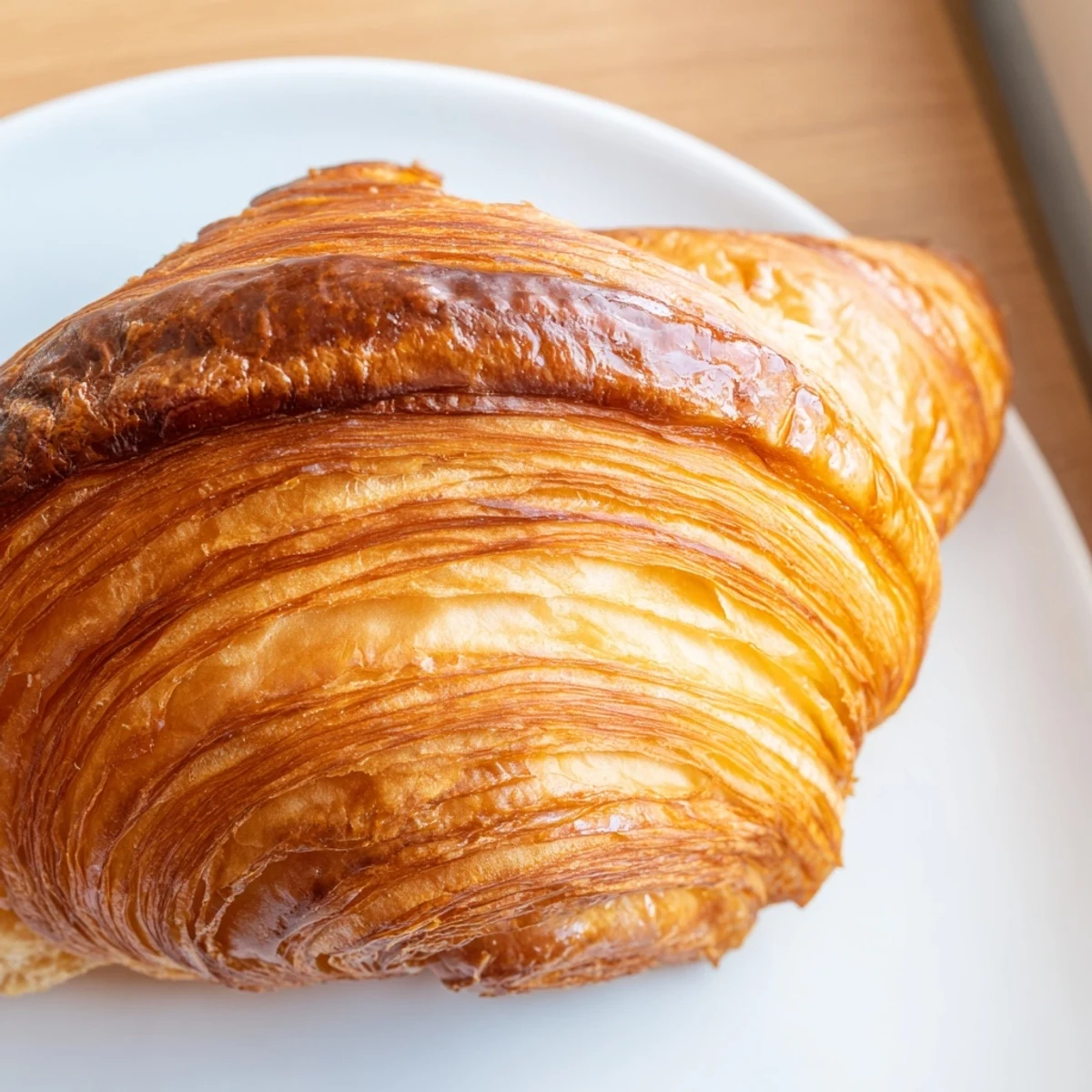
 Create bakery-worthy gluten-free croissants with flaky, buttery layers through proper lamination technique. This method achieves the characteristic light texture while remaining completely gluten-free.
The process involves rolling and folding chilled butter into the dough multiple times, creating those signature delicate layers. After proofing, the pastries emerge golden and crisp from the oven.
Enjoy these warm with jam, chocolate spread, or simply on their own for an authentic French breakfast experience that happens to be gluten-free.
I'll be honest—gluten-free baking felt like an impossible mountain until that rainy Sunday when my kitchen smelled like a real French patisserie for the first time in years. There's something almost defiant about pulling a tray of golden, flaky croissants out of the oven when you've been told they'd never turn out right. My roommate walked in, eyes wide, asking if I'd secretly bought them from a bakery downtown. That moment of watching someone take that first hesitant bite, then immediately reach for a second—yeah, that's the kind of kitchen victory that sticks with you.
Last Christmas morning, I made these while my sister watched, skeptical about the whole folding-and-chilling process. She's worked in professional kitchens and kept pointing out everything that could go wrong with gluten-free dough. But when she bit into one, fresh from the oven with melted butter pooling in the honeycomb layers, she actually went quiet for a full ten seconds. Now she texts me every few weeks asking if I have any 'extra' dough stashed in my freezer, as if that's something I'd ever actually have lying around.
Ingredients
- Gluten-free all-purpose flour with xanthan gum: This is non-negotiable—the xanthan gum provides the elasticity that gluten normally gives, and without it your layers will stubbornly refuse to separate
- Instant dry yeast: I keep mine in the freezer and it lasts forever; just make sure your warm milk isn't hot enough to kill it (think bathwater temperature)
- Cold butter for the butter layer: The temperature matters immensely here—soft butter will melt into the dough instead of creating those precious flaky pockets
- Egg and milk for the glaze: This creates that gorgeous deep golden finish and gives your croissants that professional bakery shine
Instructions
- Prepare the Dough:
- Combine your flour blend, sugar, salt, and yeast in a large bowl, then whisk together the warm milk and egg before pouring it into the dry ingredients. Mix until you have a soft, slightly sticky dough, beat in the softened butter until it disappears completely, cover the bowl, and refrigerate for an hour to let everything hydrate properly.
- Make the Butter Layer:
- Place your cold butter between two sheets of parchment paper and use a rolling pin to pound it into submission, rolling it into a rectangle about 5 by 7 inches. Chill this until it's firm but still pliable—you want it to match the consistency of your dough so they work together instead of fighting each other.
- Laminate the Dough:
- Roll your chilled dough into a 10 by 14-inch rectangle, place that cold butter slab right in the center, and fold the dough over it like you're tucking in a blanket. Gently roll it out to the same size again, fold it into thirds (letter-style), wrap it up, and chill for 30 minutes before repeating this whole process two more times.
- Shape Your Croissants:
- Roll that beautifully laminated dough into a 12 by 16-inch rectangle and cut it into 8 triangles using a sharp knife or pizza cutter—straight, decisive cuts will help your layers separate properly. Starting from the wide end of each triangle, roll it up gently and place them on a parchment-lined baking sheet, curving the ends slightly if you want that classic crescent shape.
- Proof and Bake:
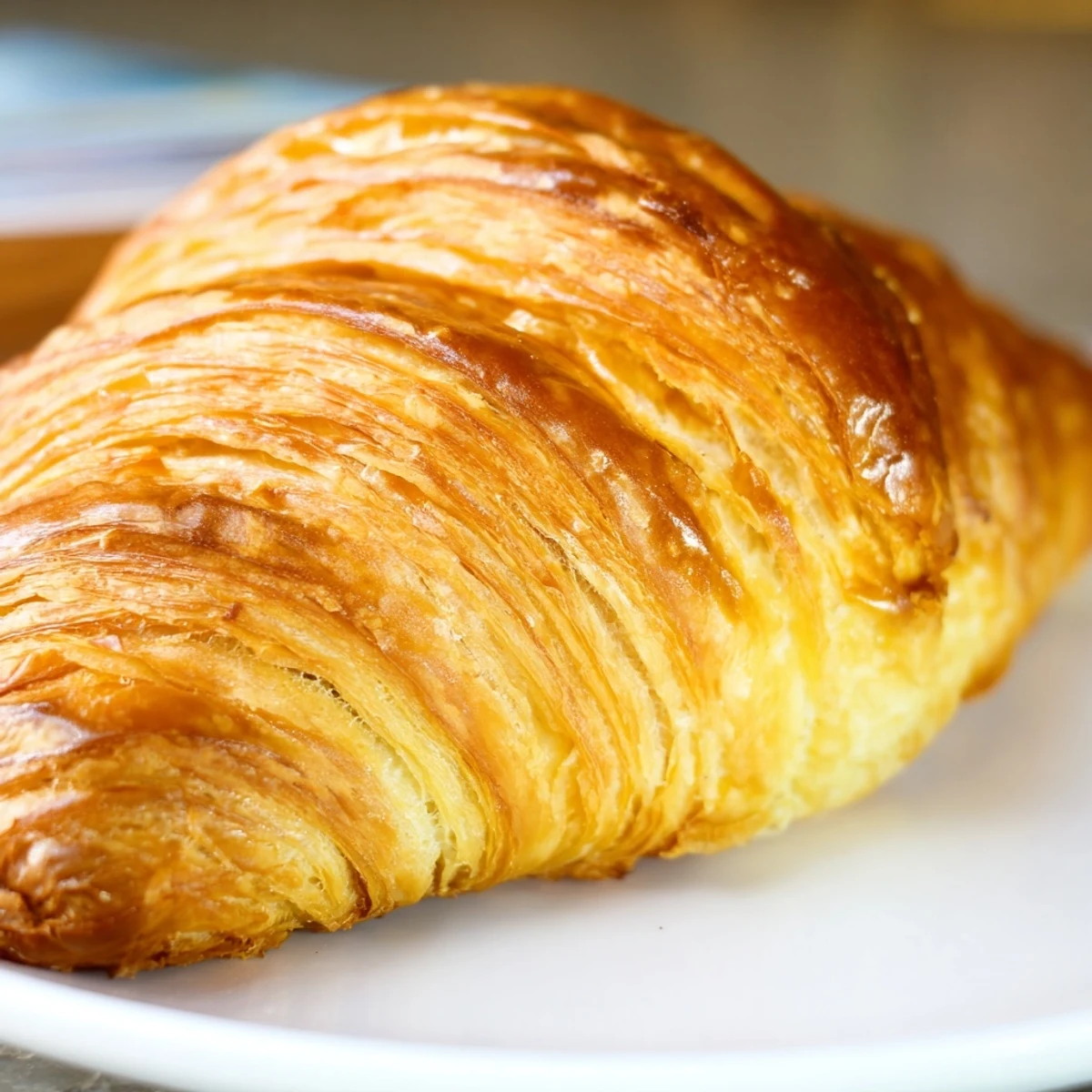
- Cover your croissants loosely and let them rise in a warm spot for about 2 hours until they're puffy and jiggly like a water balloon. Preheat your oven to 400°F, whisk together the egg yolk and milk, brush each croissant generously, and bake for 18 to 20 minutes until they're deeply golden and your kitchen smells absolutely incredible.
- Cool and Serve:
- Let them cool on a rack for at least 15 minutes because the structure sets as they cool and cutting into them too soon will crush all those delicate layers you worked so hard to create.
 Save to Pinterest
 These croissants have become my go-to whenever I need to remind myself that gluten-free doesn't mean flavor-free or texture-free. There's something deeply satisfying about mastering a technique that most people assume is impossible with dietary restrictions. Every time I pull that tray from the oven, I remember all the disappointing gluten-free pastries I tried before finally cracking the code.
Working with Gluten-Free Dough
Gluten-free dough behaves differently than wheat dough—it's more fragile, tears more easily, and doesn't have that elastic snap back. Work gently but confidently, and don't be afraid to patch small tears with a bit of cold water and your fingertips. The dough might feel slightly sticky to the touch, but that's actually helping create steam pockets during baking for extra flakiness.
Temperature Control
The entire success of this recipe hinges on keeping your butter and dough at the same temperature throughout the lamination process. If your kitchen runs warm, work on a chilled surface or marble board. Each chill period is crucial—it firms the butter and relaxes the gluten-free proteins, making the dough easier to roll without tearing.
Storage and Freezing
Fresh croissants are undeniably best within a few hours of baking, but life rarely aligns with optimal pastry timing. Fortunately, these freeze exceptionally well at two different stages. You can freeze the unbaked shaped croissants on a baking sheet, then transfer them to a bag and proof and bake straight from frozen, adding extra time for the final rise. Alternatively, freeze fully baked croissants and refresh them in a 350°F oven for 5 to 7 minutes.
- Wrap frozen baked croissants individually so they don't absorb freezer odors
- When reheating, place them directly on the oven rack, not a baking sheet, for better crisping
- Never microwave leftover croissants unless you enjoy eating tough, chewy disappointment
 Save to Pinterest
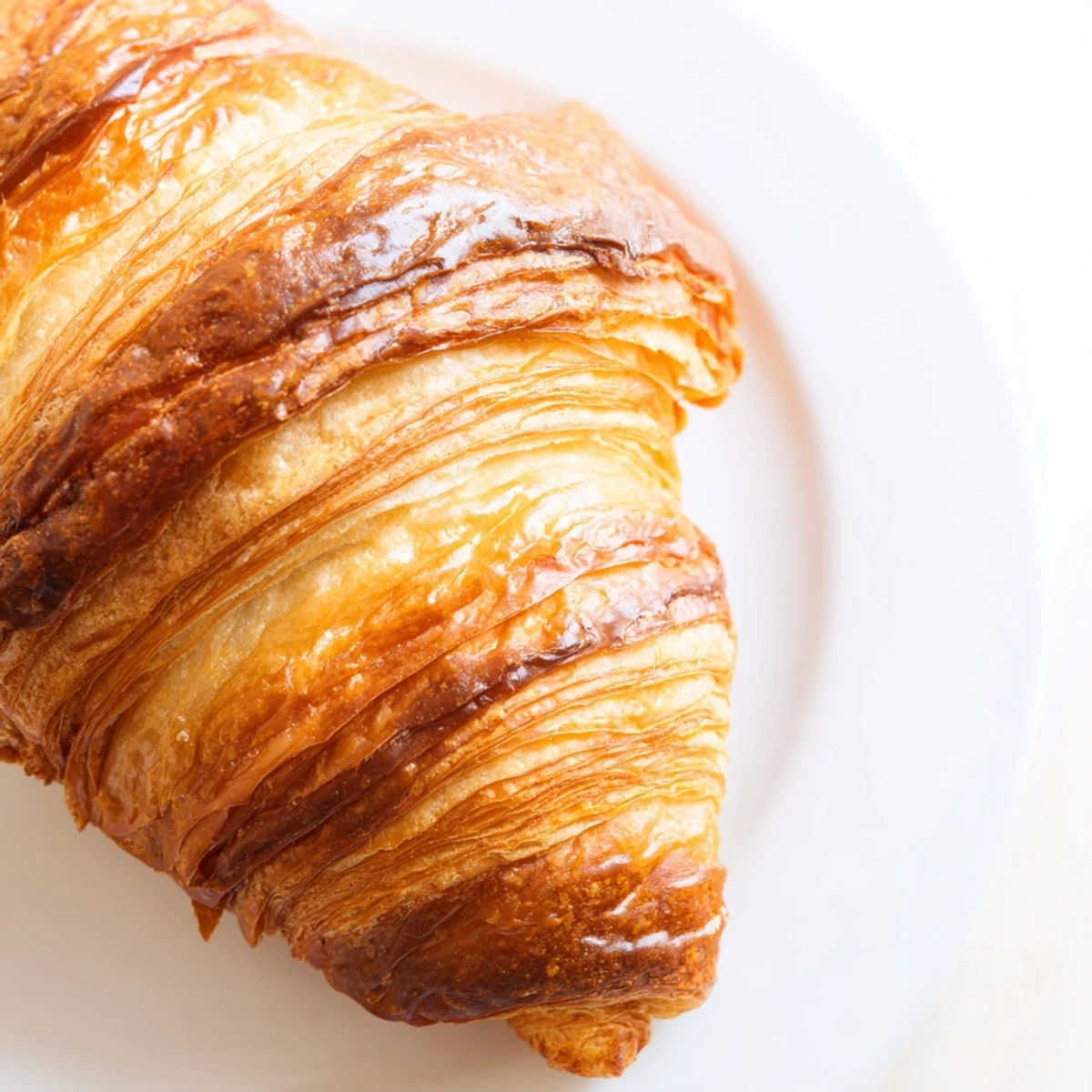
 There's honestly nothing quite like tearing open a warm, flaky croissant you made yourself, especially when you've been told for years that gluten-free meant giving up that experience entirely. Enjoy every buttery, golden bite.
Recipe Help & Support
- → What makes these croissants gluten-free?
-
These use a gluten-free all-purpose flour blend containing xanthan gum, which provides the structure typically achieved by gluten in traditional wheat flour.
- → Can I make these dairy-free?
-
Yes, simply substitute plant-based butter and non-dairy milk. Ensure your butter alternative is cold and firm enough for proper lamination.
- → Why is chilling the dough important?
-
Chilling firms the butter, preventing it from melting into the dough during rolling. This creates distinct flaky layers rather than a dense texture.
- → How do I know when croissants are fully proofed?
-
Properly proofed croissants will look noticeably puffy and jiggle slightly when gently shaken. They should increase in size by about half and feel airy to the touch.
- → Can I freeze these croissants?
-
Absolutely. Once completely cooled, freeze in an airtight container for up to a month. Reheat in a 350°F oven for 5-7 minutes to restore crispness.
- → What's the best way to store fresh croissants?
-
Store at room temperature in a paper bag for up to 2 days. For longer storage, freeze immediately after cooling rather than refrigerating, which can make them stale faster.