
 Save to Pinterest
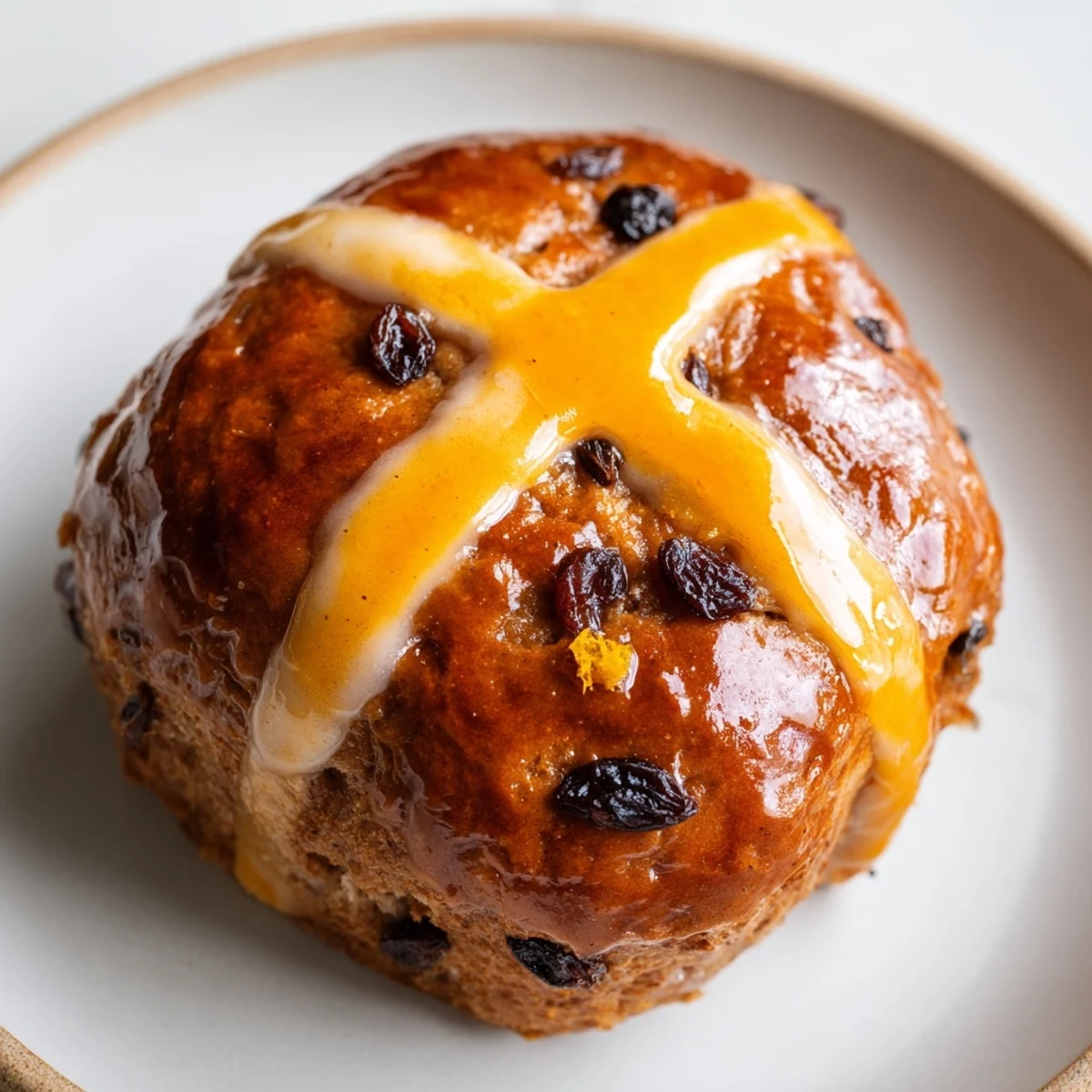
 These soft, spiced buns feature juicy raisins and a vibrant orange glaze. The dough blends warm spices like cinnamon and nutmeg, enriched with butter and eggs for tenderness. After a gentle rise, the buns are shaped, topped with a flour cross, and baked until golden. A glossy orange glaze brushed on warm buns provides a citrusy, sweet finish. Ideal for a festive breakfast or brunch, they bring a delightful balance of spice and fruity brightness to the table.
The smell of cinnamon and allspice warming in the oven will always take me back to my grandmother's tiny kitchen, where she'd bake these on Good Friday morning while the rest of the house slept. I remember standing on a stool to watch her pipe the crosses, convinced that perfect piping was some sort of sacred skill passed down through generations. Now I make them every year, and my own daughter pulls the same chair up to the counter to help me.
Last Easter, I made these for brunch and watched my normally skeptical brother eat three in a row, still warm from the oven, while insisting he usually doesn't like raisins in baked goods. That's the thing about these buns, the spices and citrus somehow transform the raisins into something extraordinary. He's already asked if I'm making them again this year.
Ingredients
- 500 g (4 cups) bread flour: Bread flour has higher protein content than all-purpose, which gives these buns their beautifully soft, pillowy texture and helps them hold their shape while rising
- 75 g (1/3 cup) granulated sugar: This amount creates just enough sweetness to balance the spices without making these buns cloying, plus it helps feed the yeast for a good rise
- 10 g (2 tsp) instant dry yeast: Instant yeast dissolves easily and works quickly, making this dough reliable even on cooler days when yeast can be finicky
- 1 tsp ground cinnamon, 1/2 tsp ground allspice, 1/2 tsp ground nutmeg: This classic spice trio creates that warm, aromatic flavor profile that makes hot cross buns unmistakably Easter, with the allspice adding a subtle peppery depth that people can't quite identify but love
- 1/2 tsp salt: Essential for balancing the sweetness and enhancing all the other flavors, plus it strengthens the gluten structure
- 60 g (1/4 cup) unsalted butter, softened: Softened butter incorporates more evenly into the dough, creating tender crumbs and that rich mouthfeel that makes these buns feel indulgent
- 250 ml (1 cup) whole milk, lukewarm: Whole milk adds fat for tenderness and richness, and warming it slightly (about body temperature) helps activate the yeast without killing it
- 2 large eggs: Eggs provide structure, richness, and help the buns brown beautifully in the oven while keeping the interior soft
- 150 g (1 cup) raisins: Plump raisins add bursts of natural sweetness and chewy texture throughout each bun, and soaking them briefly in orange juice beforehand makes them even juicier
- Zest of 1 large orange: Fresh orange zest brightens all the warm spices and cuts through the richness, creating that sophisticated flavor that makes these buns memorable
- 60 g (1/2 cup) all-purpose flour for cross paste: All-purpose flour works perfectly here since we want a smooth, pipeable paste that holds its shape without being too tough after baking
- 60 ml (1/4 cup) water for cross paste: You may need to adjust this slightly depending on your flour's absorbency, but start here and add more water if the paste seems too thick to pipe easily
- 100 g (3/4 cup) powdered sugar for orange glaze: Powdered sugar dissolves instantly into liquid, creating a smooth, thick glaze that sets beautifully on warm buns without running off
- 2 tbsp fresh orange juice for glaze: Fresh orange juice provides the perfect liquid consistency and bright flavor that complements the zest already in the dough
- 1/2 tsp orange zest for glaze: This final touch of zest adds little specks of color and an extra punch of fragrance that makes the glaze irresistible
Instructions
- Mix your dry foundation:
- In a large mixing bowl, combine the bread flour, sugar, yeast, cinnamon, allspice, nutmeg, and salt, whisking them together thoroughly so the yeast and spices are evenly distributed throughout the flour
- Work in the butter:
- Add the softened butter and rub it into the dry ingredients with your fingertips until the mixture resembles fine crumbs, which should take about 2 minutes of gentle rubbing
- Combine wet ingredients:
- Whisk the lukewarm milk and eggs together in a separate bowl until the mixture is uniform, then pour it into the flour mixture all at once
- Form the dough:
- Stir the mixture with a wooden spoon or your hands until it comes together into a shaggy, soft dough that holds its shape but still feels slightly sticky
- Knead to develop gluten:
- Knead the dough by hand on a lightly floured surface or with a stand mixer fitted with a dough hook for 8 to 10 minutes, until it feels smooth, elastic, and bounces back when you press it with your finger
- Add the fruits and zest:
- Sprinkle the raisins and orange zest over the dough and continue kneading for another 2 minutes until they're evenly distributed throughout, resisting the urge to add more flour even if the dough feels slightly sticky
- First rise:
- Place the dough in a lightly greased bowl, turning it once to coat all sides, then cover with plastic wrap or a warm damp towel and let it rise in a warm, draft-free spot for about 1 hour until it's doubled in size
- Shape the buns:
- Punch down the dough gently to release air, then divide it into 12 equal pieces (about 85g each) and shape each piece into a smooth, tight ball by tucking the edges underneath
- Second rise:
- Place the buns on a parchment-lined baking tray, leaving about 2 inches of space between them for expansion, cover loosely with plastic wrap, and let rise for 30 to 40 minutes until they're puffy and touching slightly
- Preheat and prepare the crosses:
- While the dough rises, preheat your oven to 190°C (375°F) and mix the flour and water for the cross paste until you have a thick, pipeable consistency
- Pipe the crosses:
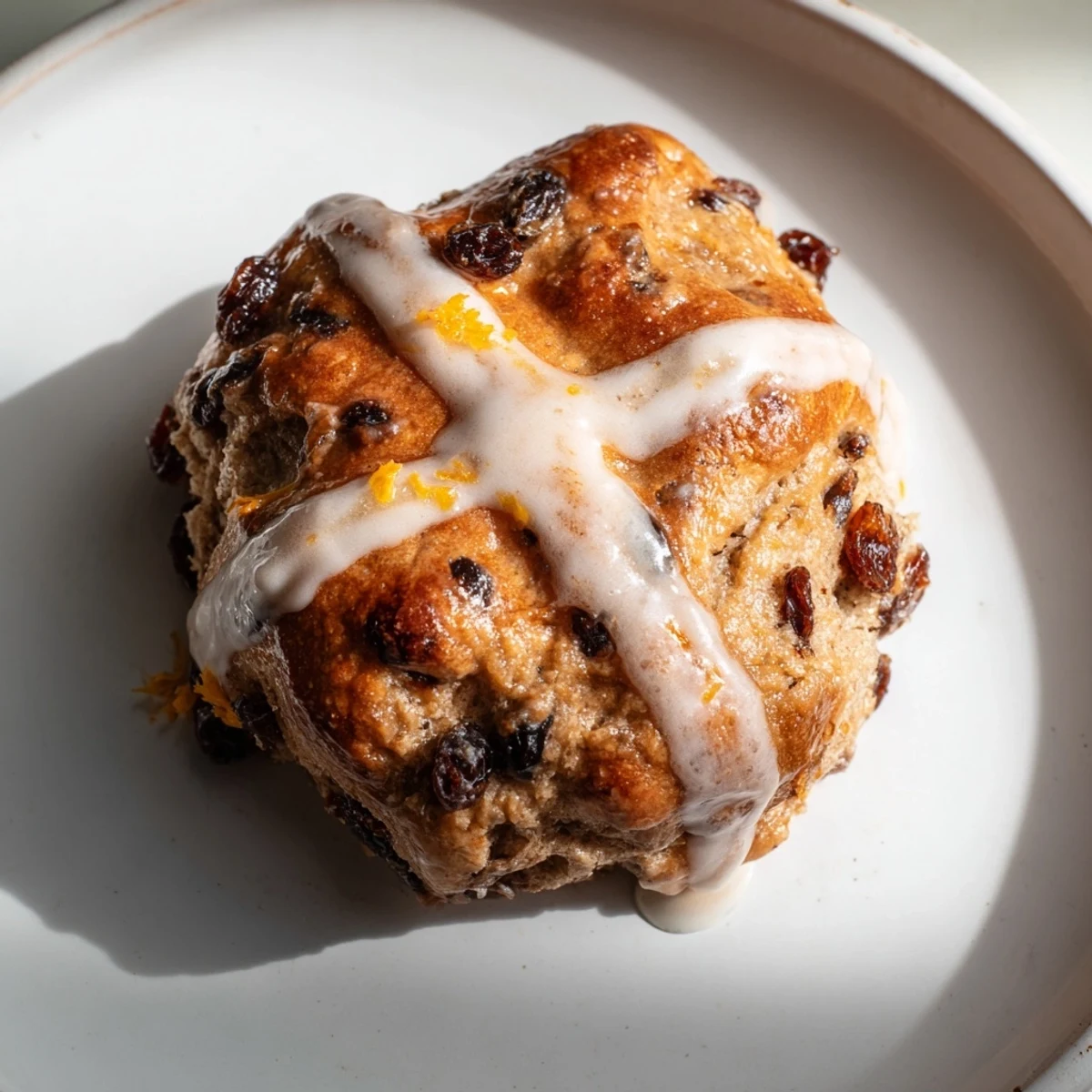
- Transfer the paste to a piping bag or ziplock bag with a small corner snipped off, then pipe a straight vertical line down the center of each bun followed by a horizontal line to create the cross shape
- Bake to golden perfection:
- Bake for 22 to 25 minutes until the buns are golden brown and sound hollow when tapped on the bottom, rotating the tray halfway through for even browning
- Make the orange glaze:
- While the buns bake, whisk together the powdered sugar, orange juice, and orange zest until completely smooth, adding more juice if needed to reach a thick but drizzleable consistency
- Glaze while warm:
- Brush the hot buns generously with the orange glaze as soon as they come out of the oven, working quickly while they're still hot so the glaze melts into the surface
- Cool briefly and serve:
- Let the buns cool on the tray for about 10 minutes so the glaze can set slightly, then serve them warm with plenty of butter if you like
 Save to Pinterest
 The first year I made these without my grandmother, I cried while kneading the dough, convinced I'd somehow lost the magic touch. But when they came out of the oven, smelling exactly like her kitchen, I realized recipes carry more than ingredients, they carry love and memory forward. Now when I bake them, I feel her presence in every step of the process.
Making These Ahead
You can prepare the dough through the first rise, then punch it down, wrap it tightly, and refrigerate overnight. The next morning, let it come to room temperature for about 30 minutes before shaping and proceeding with the second rise. The cold rest actually develops more complex flavors, and having the dough ready makes Easter morning feel much less rushed.
Freezing Instructions
These buns freeze beautifully if you catch them before the glaze stage. Once baked and completely cooled, wrap them individually in plastic wrap, then place them in a freezer bag for up to one month. To serve, thaw at room temperature, then refresh in a 350°F oven for 5 to 7 minutes until warm, and brush with freshly made glaze.
Serving Suggestions
Splitting a warm bun and spreading it with salted butter or clotted cream transforms these from breakfast into something that feels like dessert. For an Easter brunch spread, serve them alongside scrambled eggs, fresh fruit, and perhaps some sharp cheddar if you enjoy the sweet and savory combination that many British families love.
- Toast leftover buns the next day and serve with extra butter for a breakfast that might be even better than fresh
- Cubed and stale buns make an excellent bread pudding base when soaked in a rich custard
- The orange glaze works beautifully on other baked goods like scones or muffins, so make extra
 Save to Pinterest
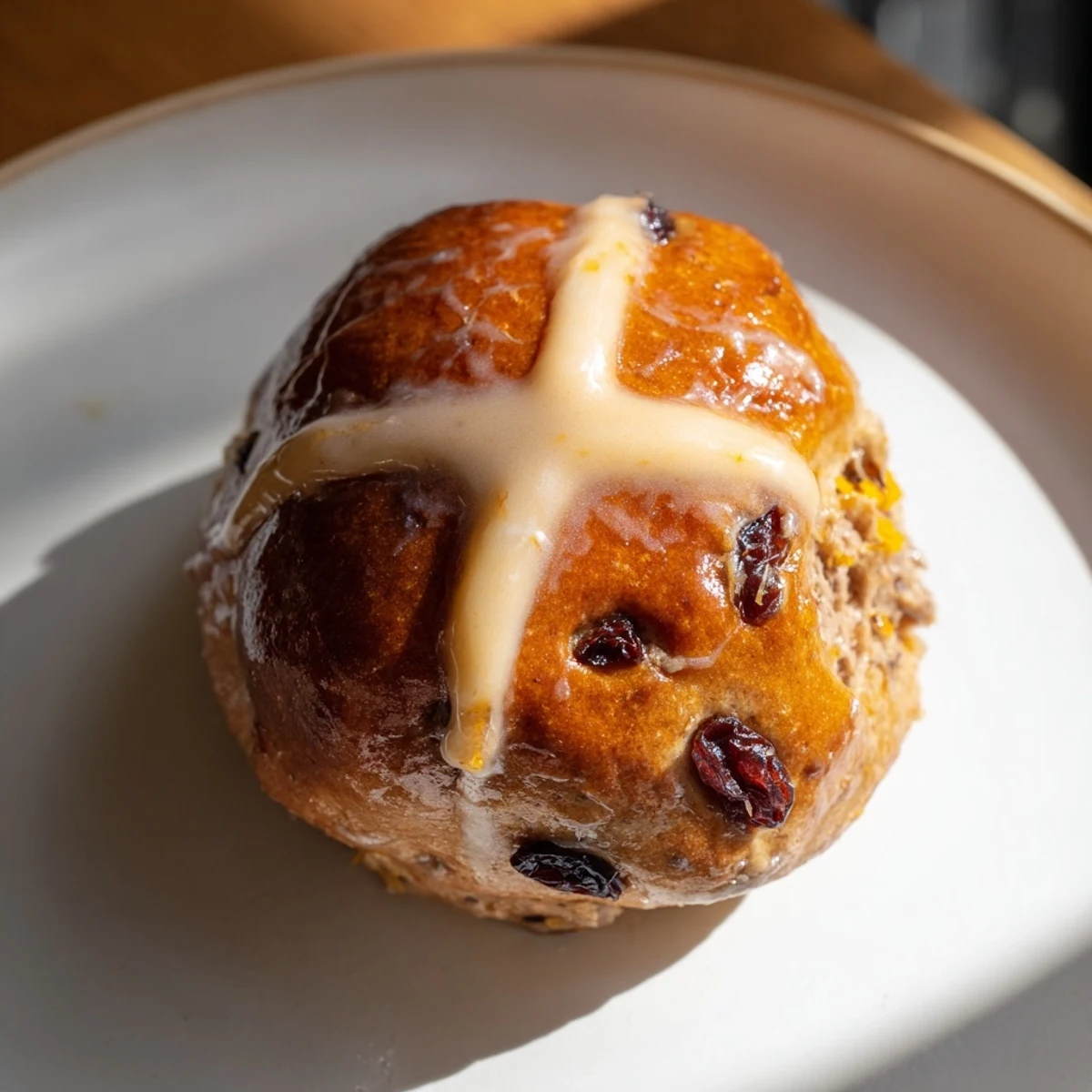
 However you serve them, these buns have a way of bringing people to the kitchen, drawn in by spices and citrus and the promise of something made by hand. Happy baking, and may your kitchen be filled with warmth this season.
Recipe Help & Support
- → What spices are used in the dough?
-
The dough is flavored with ground cinnamon, allspice, and nutmeg, giving a warm and aromatic character to the buns.
- → How do I achieve the signature cross on top?
-
A simple paste made from flour and water is piped over the buns before baking to create the distinctive cross marking.
- → Can I substitute raisins with other dried fruits?
-
Yes, currants or mixed peel can be used instead of raisins for a different flavor and texture.
- → What is the purpose of the orange glaze?
-
The orange glaze adds a fresh citrus sweetness and a shiny finish, enhancing both flavor and appearance.
- → How should I store the buns to keep them fresh?
-
Store the buns in an airtight container at room temperature for up to two days, or freeze unglazed buns for longer preservation.