
 Save to Pinterest
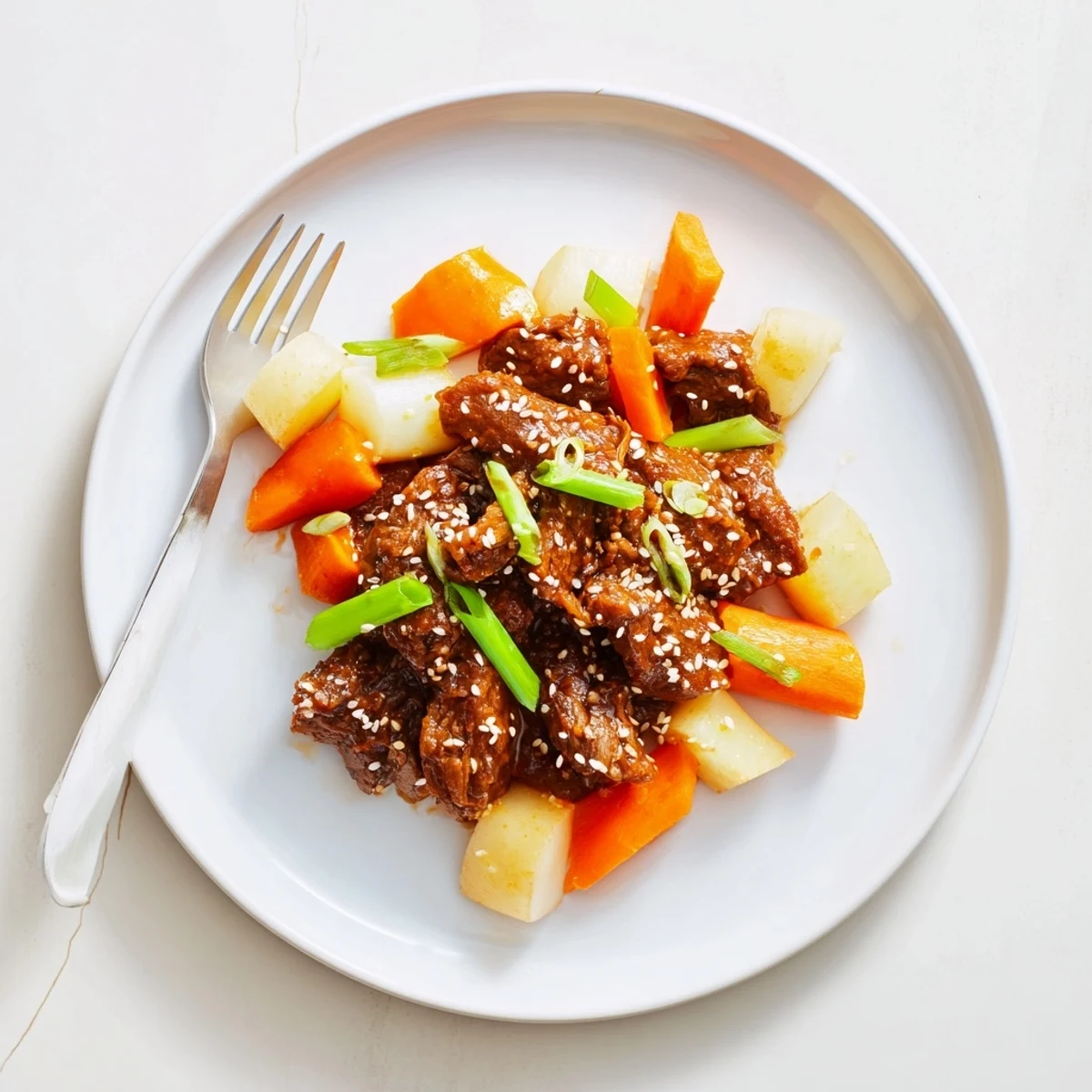
 This meltingly tender beef chuck roast gets incredible depth from a Korean-inspired braising liquid. The meat simmers for three hours in a savory-sweet sauce featuring soy sauce, gochujang, sesame oil, fresh ginger, and garlic. Root vegetables like carrots and daikon radish absorb the complex flavors while the beef becomes fork-tender. The finished dish delivers umami-rich notes with gentle heat and subtle sweetness. Serve over steamed rice with kimchi for a complete meal that brings Korean fusion flavors to your table.
The first time I made Korean-style pot roast, my apartment smelled incredible for three days straight. My neighbor actually knocked on my door to ask what I was cooking, which never happens in our building. The way gochujang, ginger, and garlic meld with slow-cooked beef creates something that feels both familiar and completely new. Now it's the recipe I make when I want to impress people without spending all day in the kitchen.
Last winter, my sister came over when I was testing this recipe, and she literally ate standing up at the counter. She said it reminded her of this Korean fusion restaurant we used to go to in college, but somehow more comforting. We ended up sitting there for two hours just picking at the beef and talking, which is exactly what food should do.
Ingredients
- Beef chuck roast: This cut has enough marbling to stay tender through hours of cooking, and trimming excess fat prevents the sauce from becoming too greasy
- Low-sodium soy sauce: Using low-sodium lets you control the salt level since the sauce reduces and concentrates during cooking
- Gochujang: This Korean chili paste adds deep umami and gentle heat that builds flavor without overwhelming the dish
- Fresh ginger: I learned the hard way that jarred ginger just does not compare to freshly grated here
- Brown sugar and honey: The combination creates caramel notes and helps balance the soy sauce and gochujang
- Daikon radish: It becomes meltingly tender and absorbs the sauce beautifully, but potatoes work if you cannot find it
- Sesame oil: Toasted sesame oil adds that unmistakable Korean flavor profile
Instructions
- Get everything ready:
- Preheat your oven to 325°F and pat the beef completely dry with paper towels, then season it generously with salt and pepper on all sides.
- Sear the beef:
- Heat a tablespoon of oil in a large Dutch oven over medium-high heat and sear the roast until deeply golden brown on all sides, about 3-4 minutes per side.
- Start the aromatics:
- Remove the beef and add the sliced onion to the pot, sautéing for 2-3 minutes until it starts to soften and smell sweet.
- Make the sauce:
- Whisk together the soy sauce, beef broth, brown sugar, rice vinegar, gochujang, sesame oil, honey, ginger, and garlic until everything is well combined.
- Assemble everything:
- Return the beef to the pot and scatter the carrots, daikon chunks, and scallion pieces around the meat, then pour the sauce over everything.
- Slow cook to perfection:
- Bring the liquid to a simmer on the stovetop, cover tightly, and transfer to the oven for 3 hours until the beef shreds easily with a fork.
- Finish and serve:
- Remove the beef and vegetables to a serving platter, skim any excess fat from the sauce, and reduce it on the stove if you want it thicker, then slice or shred the beef and spoon the sauce over everything with sesame seeds and sliced scallions.
 Save to Pinterest
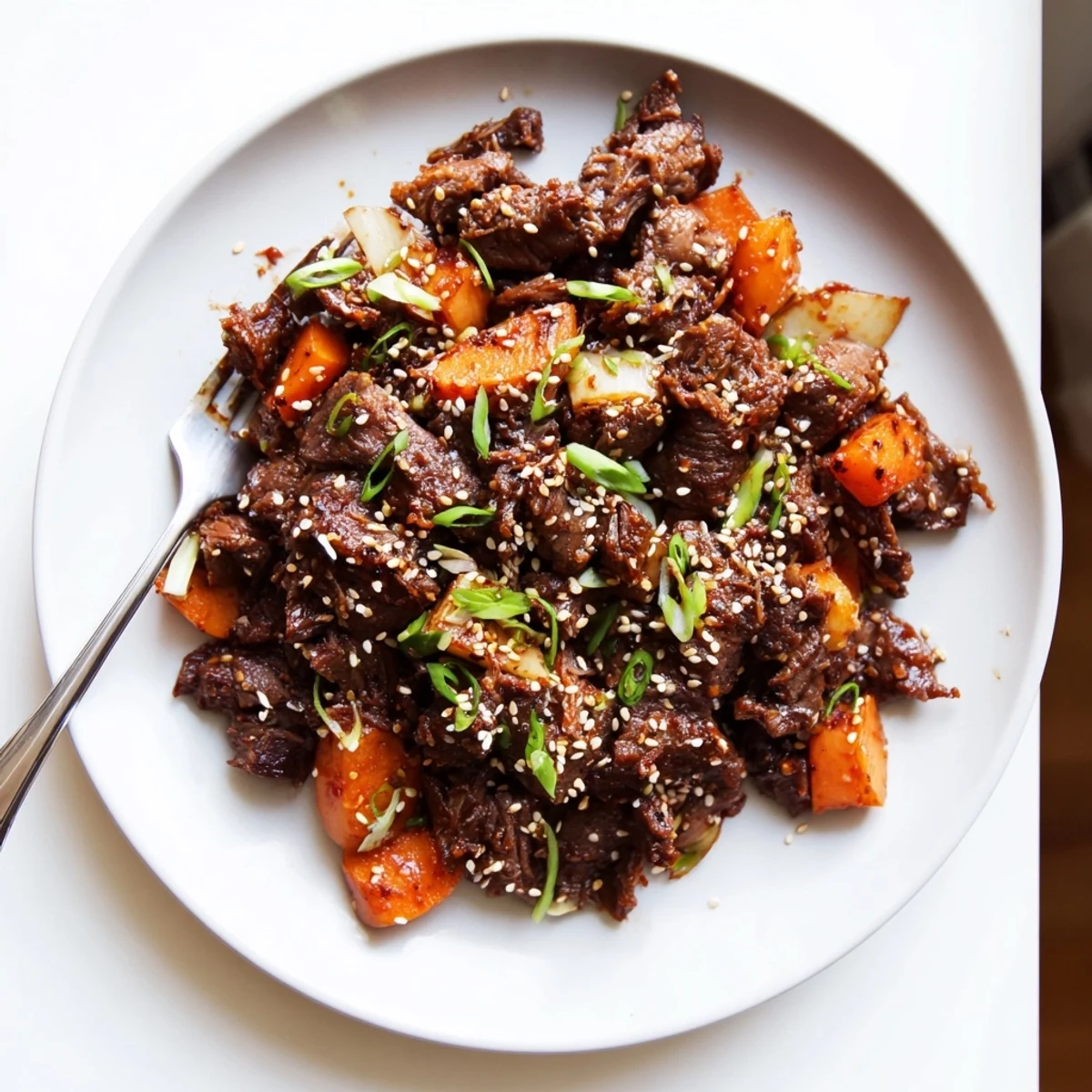
 This recipe has become my go-to for Sunday dinners because it fills the house with this incredible aroma that makes everyone gravitate toward the kitchen. Last month I made it for book club and three people asked for the recipe before we even discussed the book.
Making It Your Own
I have played around with the heat level over time, finding that doubling the gochujang creates a much bolder flavor profile. Adding a star anise to the sauce gives it this subtle licorice note that somehow works beautifully. My friend who cannot eat spicy food loves it when I reduce the gochujang and add a tablespoon of tomato paste instead.
Serving Suggestions
Steamed white rice is essential for soaking up that incredible sauce. I like to serve kimchi on the side for contrast, and sometimes roasted broccoli if I want something green. A simple cucumber salad dressed with rice vinegar helps cut through the richness.
Storage and Make-Ahead Tips
This roast actually improves overnight as the flavors continue to develop. I often make it a day ahead and reheat it gently on the stove. The leftovers freeze beautifully for up to three months and make the most incredible tacos.
- Let the roast cool completely before refrigerating to prevent condensation
- Store the sauce separately if you plan to freeze it
- Add fresh garnishes when reheating to keep everything vibrant
 Save to Pinterest
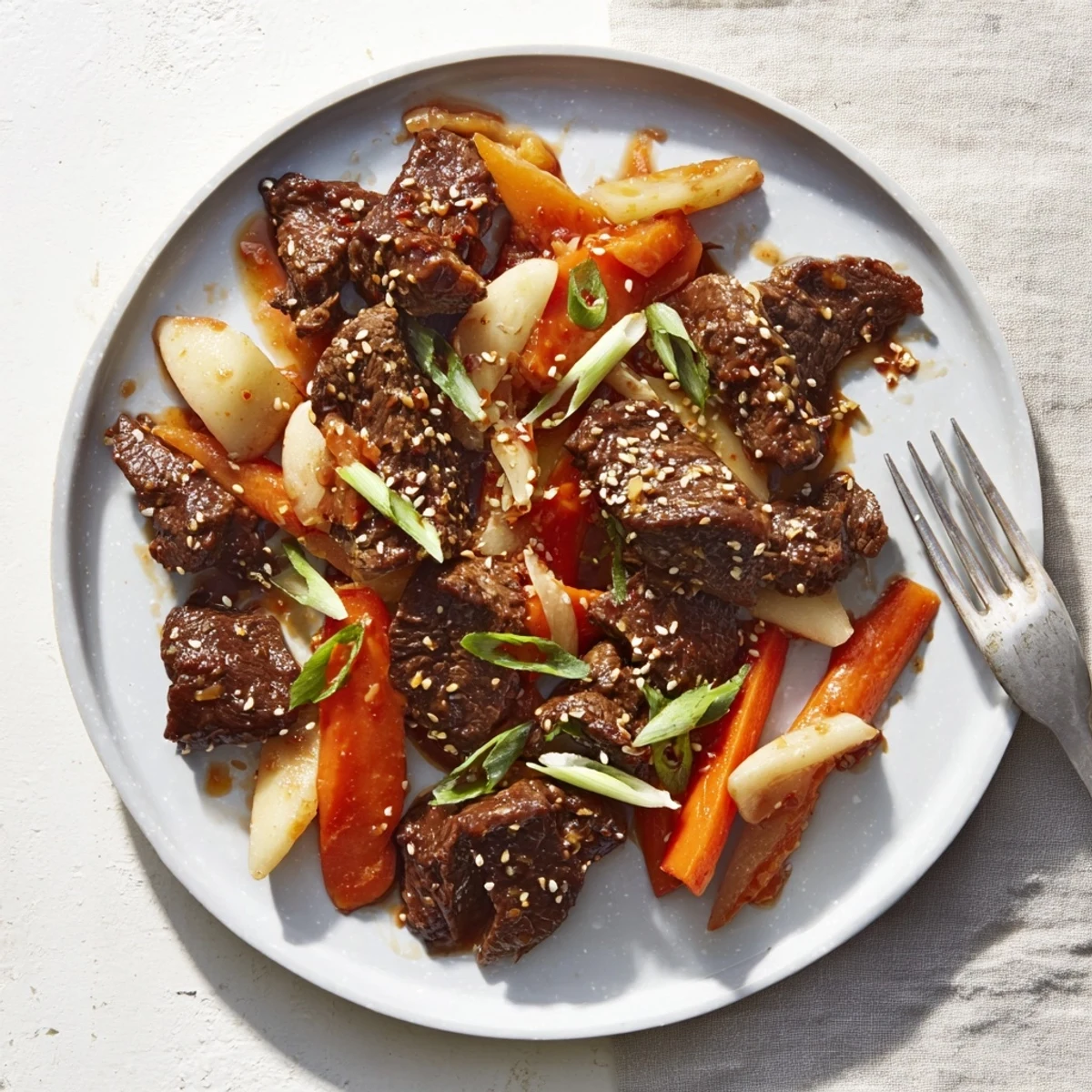
 There is something deeply satisfying about a recipe that looks impressive but essentially cooks itself. I hope this becomes one of those staples you turn to again and again.
Recipe Help & Support
- → What cut of beef works best for this dish?
-
Chuck roast is ideal because it becomes meltingly tender during long braising. The marbling breaks down over three hours, creating succulent, shredable meat.
- → Can I make this in a slow cooker?
-
Yes. Sear the beef first, then transfer everything to your slow cooker. Cook on low for 7-8 hours or high for 4-5 hours until tender.
- → Is gochujang very spicy?
-
Gochujang adds mild heat and deep umami flavor. The sauce balances the spice with brown sugar, honey, and savory soy sauce for a harmonious blend.
- → What can I substitute for daikon radish?
-
Potatoes, turnips, or regular radishes work well. They'll absorb the braising liquid flavors while adding sweetness to the dish.
- → How long does this keep in the refrigerator?
-
Store in an airtight container for up to 4 days. The flavors actually improve overnight, making it excellent for meal prep.
- → Can I freeze the leftovers?
-
Absolutely. Cool completely, then freeze in portions for up to 3 months. Thaw overnight in the refrigerator before reheating gently.