
 Save to Pinterest
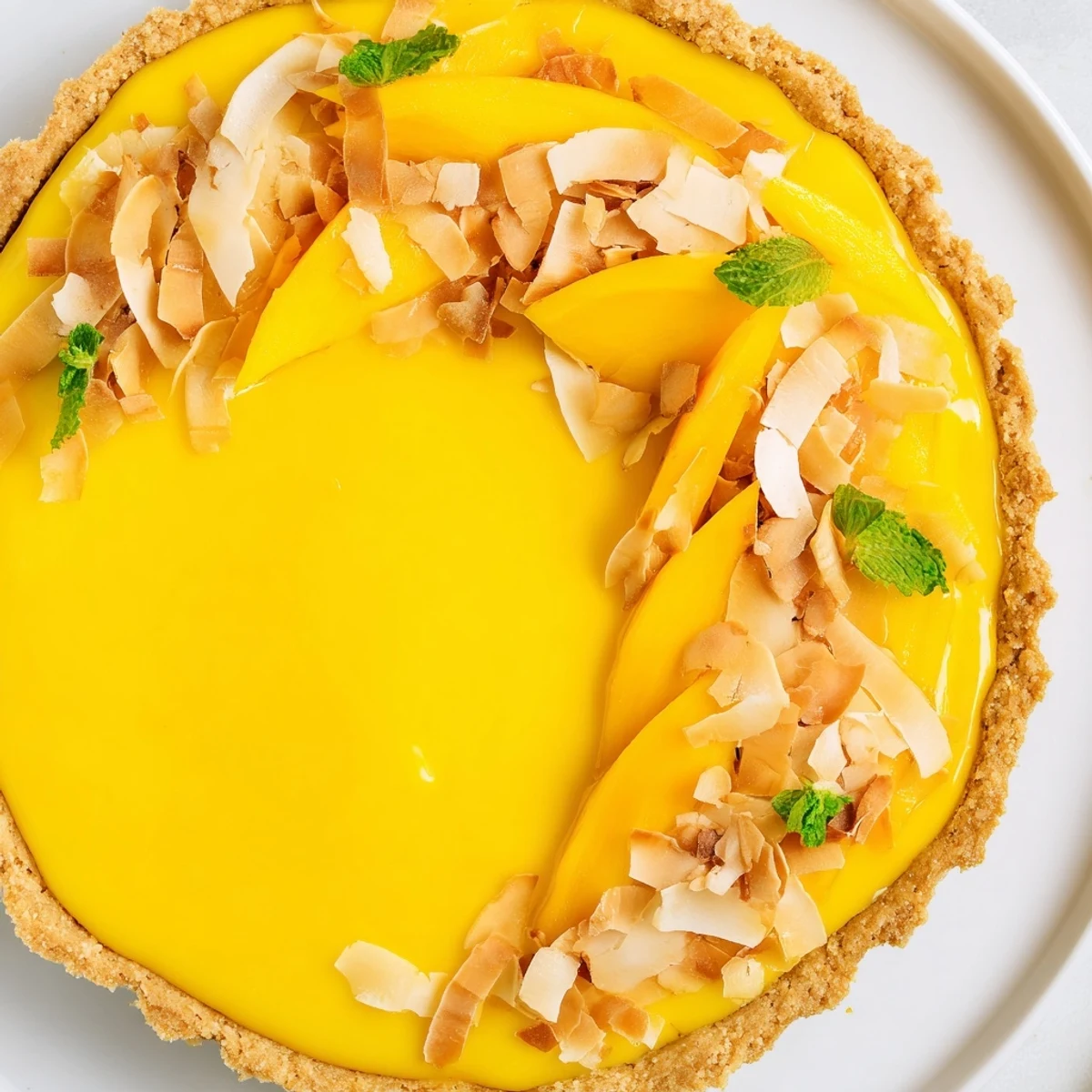
 This stunning tart combines the tropical sweetness of fresh mangoes with a classic French pastry technique. The result is a beautifully balanced dessert where the vibrant, silky mango curd perfectly complements the crisp, buttery crust. Ideal for summer gatherings or afternoon tea, this make-ahead dessert tastes even better after chilling overnight.
The first time I made mango curd, I stood over the stove completely mesmerized by how the vibrant orange mixture transformed from a thin, frothy liquid into something impossibly glossy and thick. It was one of those kitchen moments where time slows down and you realize something magical is happening right before your eyes. That curd ended up on everything, but when I finally paired it with a proper buttery tart shell, I knew I had found something worth sharing.
I served this tart at my mothers summer birthday party last year. Between bites, she kept asking what made the filling so impossibly smooth, then proceeded to eat a second slice before anyone else had even finished their first. The whole table went quiet for a moment, which is basically the highest compliment a dessert can receive in my family.
Ingredients
- All-purpose flour: The structure builder for your crust, though I have sneaked in some almond flour before and nobody complained
- Powdered sugar: Dissolves more easily than granulated and keeps the crust tender
- Unsalted butter: Keep it cold and work quickly to maintain those flaky layers
- Egg yolk: Adds richness and helps bind the dough together
- Cold water: Start with one tablespoon and only add more if the dough refuses to come together
- Salt: Just a pinch to wake up all the flavors
- Mango puree: Fresh mango blended until completely smooth gives the best flavor
- Eggs and egg yolks: The combination provides structure while keeping the curd silky
- Granulated sugar: Sweetens and helps the curd achieve that perfect thickness
- Fresh lime juice: Cuts through the richness and makes the mango flavor pop
- Unsalted butter: Stirred in at the end for that impossibly glossy finish
- Fresh mango slices: For decoration and a little textural contrast
- Toasted coconut flakes: Optional, but they add a lovely crunch and tropical vibe
- Mint leaves: A fresh finish that makes everything taste brighter
Instructions
- Make the tart dough:
- Pulse flour, powdered sugar, and salt in a food processor until combined, then add cold butter and pulse until the mixture looks like coarse breadcrumbs.
- Bring the dough together:
- Add the egg yolk and one tablespoon of cold water, pulsing just until the dough starts to form clumps, adding more water only if necessary.
- Chill the dough:
- Press the dough into a disk, wrap tightly in plastic, and refrigerate for at least one hour to relax the gluten.
- Shape the tart shell:
- Roll the chilled dough on a lightly floured surface and carefully press it into a 9-inch tart pan, trimming any excess and pricking the base with a fork.
- Blind bake the crust:
- Chill the lined pan for 15 minutes, then line with parchment paper and baking weights before baking at 350°F for 15 minutes, then 10 more minutes without weights until golden.
- Start the mango curd:
- Whisk together mango puree, eggs, egg yolks, sugar, and lime juice in a saucepan until smooth.
- Cook the curd:
- Cook over medium-low heat, stirring constantly, until the mixture thickens enough to coat the back of a spoon, about 10 minutes.
- Finish the curd:
- Remove from heat and stir in the butter cubes until melted and completely incorporated.
- Strain for silkiness:
- Pass the curd through a fine mesh sieve to catch any cooked egg bits for an incredibly smooth texture.
- Assemble the tart:
- Pour the cooled curd into the completely cooled tart shell and spread evenly.
- Set and serve:
- Refrigerate for at least 1.5 hours until firm, then top with fresh mango, coconut, and mint if desired.
 Save to Pinterest
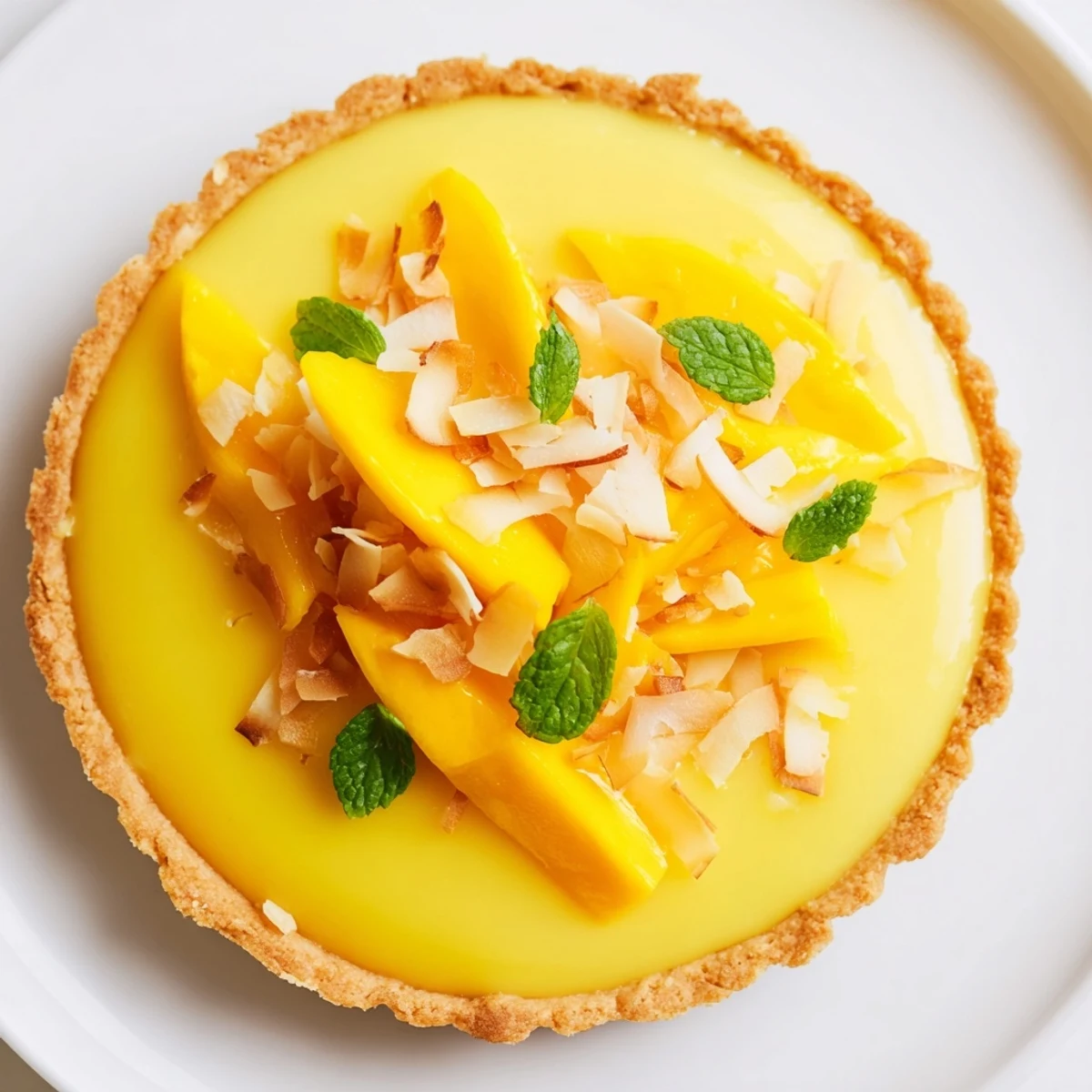
 This tart has become my go-to when I want to serve something that feels special and elegant without spending all day in the kitchen. The way the sunlight catches the golden curd when it comes out of the fridge still makes me pause every single time.
Making It Ahead
The tart actually benefits from sitting overnight in the fridge. The flavors have time to meld and the crust stays perfectly crisp while the curd firms up beautifully. Just wait to add any fresh garnishes until right before serving.
Choosing Your Mangos
I have learned the hard way that not all mango purees are created equal. Fresh Ataulfo or Champagne mangoes blended until completely smooth give the most vibrant flavor and color. Canned puree works in a pinch, but the brightness is not quite the same.
Serving Suggestions
A small dollop of lightly sweetened whipped cream on the side feels luxurious without overwhelming the delicate mango flavor. If you really want to impress, a scoop of coconut sorbet alongside each plate makes it feel like a restaurant dessert.
- Let the tart sit at room temperature for 10 minutes before serving
- Use a sharp knife dipped in hot water for clean slices
- Chill your serving plates in advance for restaurant-style presentation
 Save to Pinterest
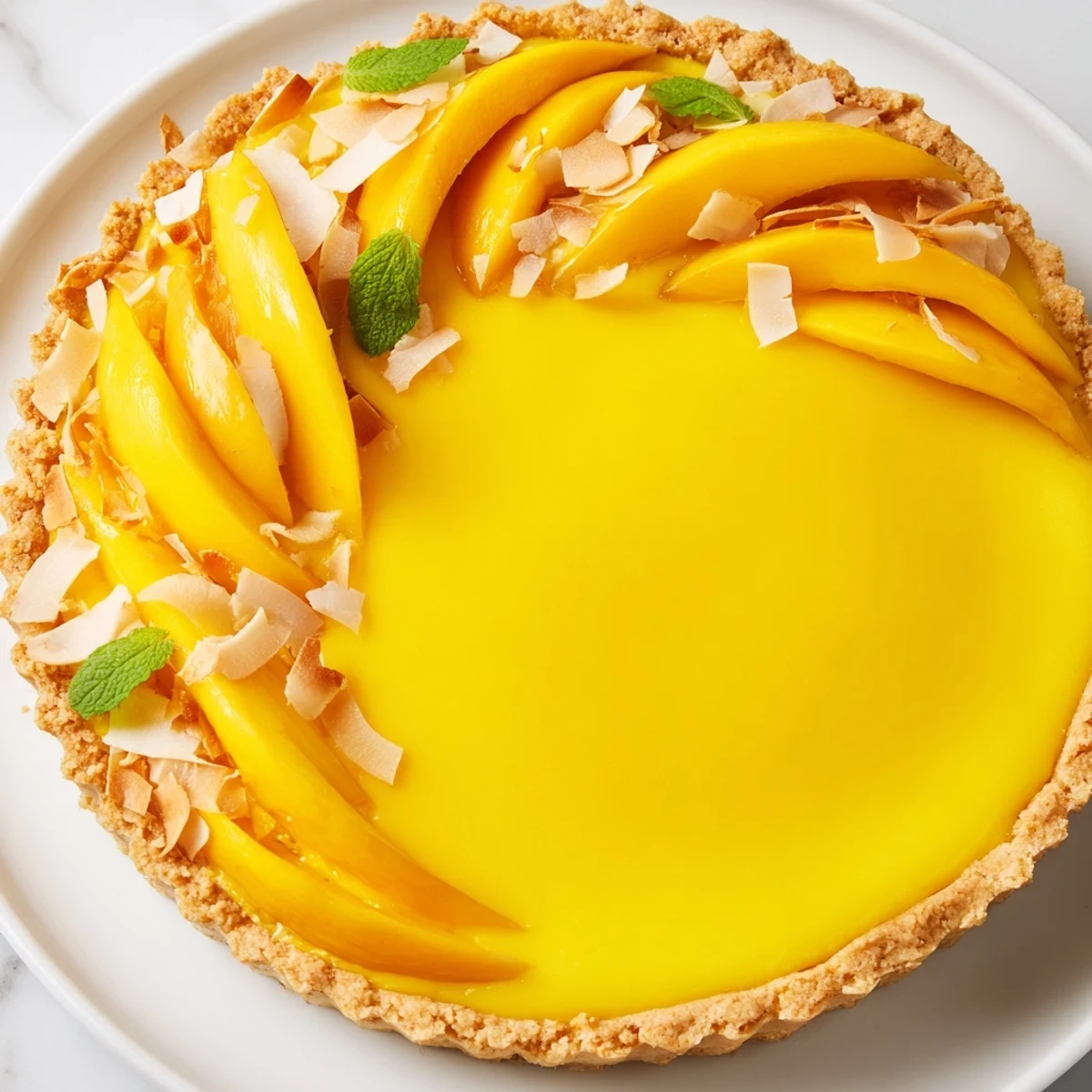
 There is something deeply satisfying about slicing into a tart you have made completely from scratch. The crisp crack of the crust, the yielding silkiness of the curd, the way everyone goes quiet for that first bite. Summer on a plate.
Recipe Help & Support
- → Can I use frozen mango for the curd?
-
Yes, frozen mango works well. Thaw completely and blend until smooth before straining. The curd may need slightly more sugar depending on mango sweetness.
- → How far in advance can I make this tart?
-
The tart shell and curd can both be made 1-2 days ahead. Assemble and chill at least 1.5 hours before serving. The completed tart keeps well in the refrigerator for up to 2 days.
- → Why is my mango curd not thickening?
-
Curd requires constant stirring over medium-low heat. The mixture should reach 170°F (77°C) to properly thicken. If still too thin after 10-12 minutes, continue cooking while stirring constantly.
- → Can I make this without a tart pan?
-
A 9-inch pie dish or springform pan works as alternatives. For individual portions, press the crust into small tartlet molds or even muffin tins, adjusting baking time accordingly.
- → What can I use instead of baking weights?
-
Dried beans, rice, or even pennies work perfectly as pie weights. Place parchment paper over the dough before adding weights to prevent them from embedding into the crust.
- → How do I know when the tart crust is fully baked?
-
The crust should be golden brown, not pale. After removing weights, bake until the bottom feels dry and sandy to the touch, about 10 additional minutes at 350°F (175°C).