
 Save to Pinterest
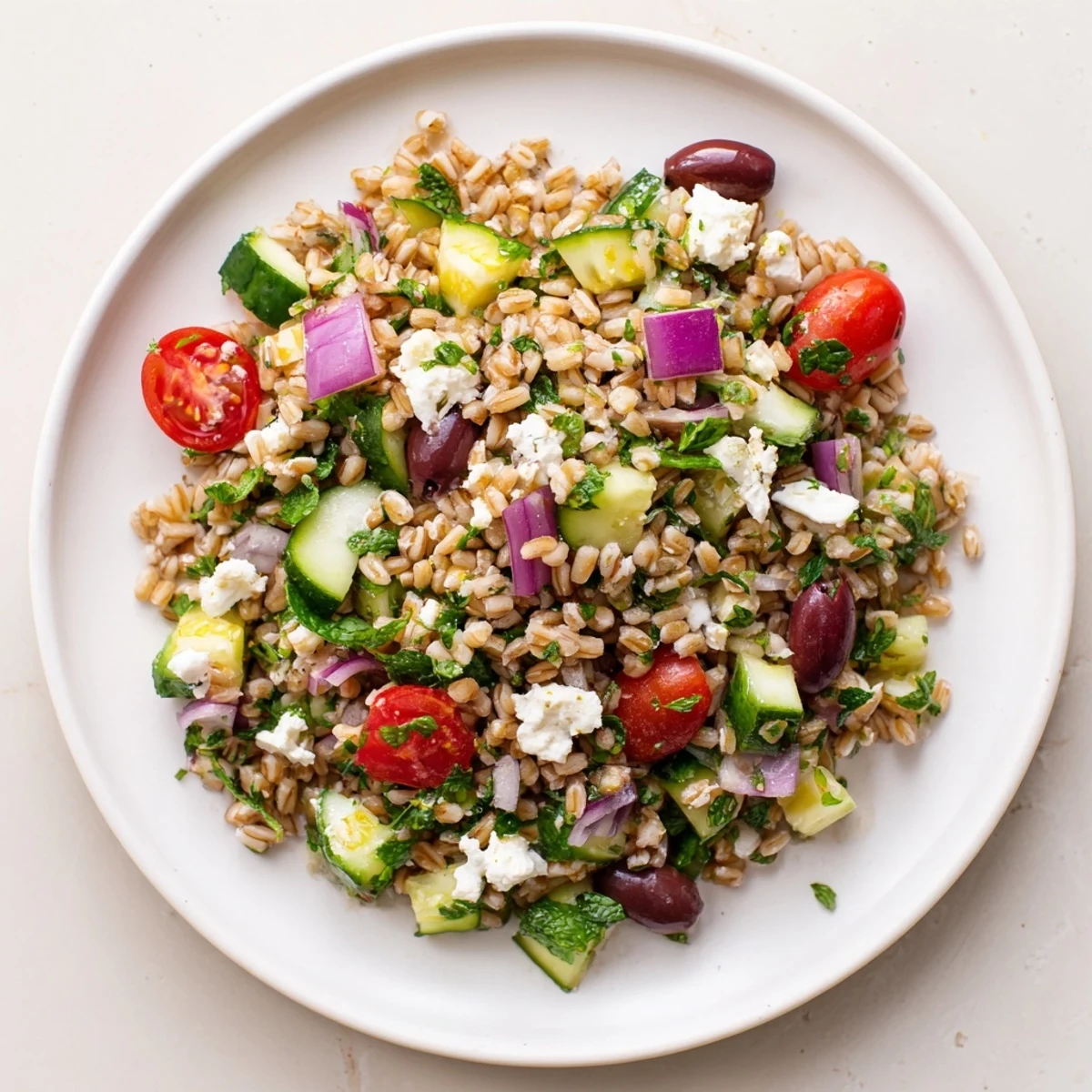
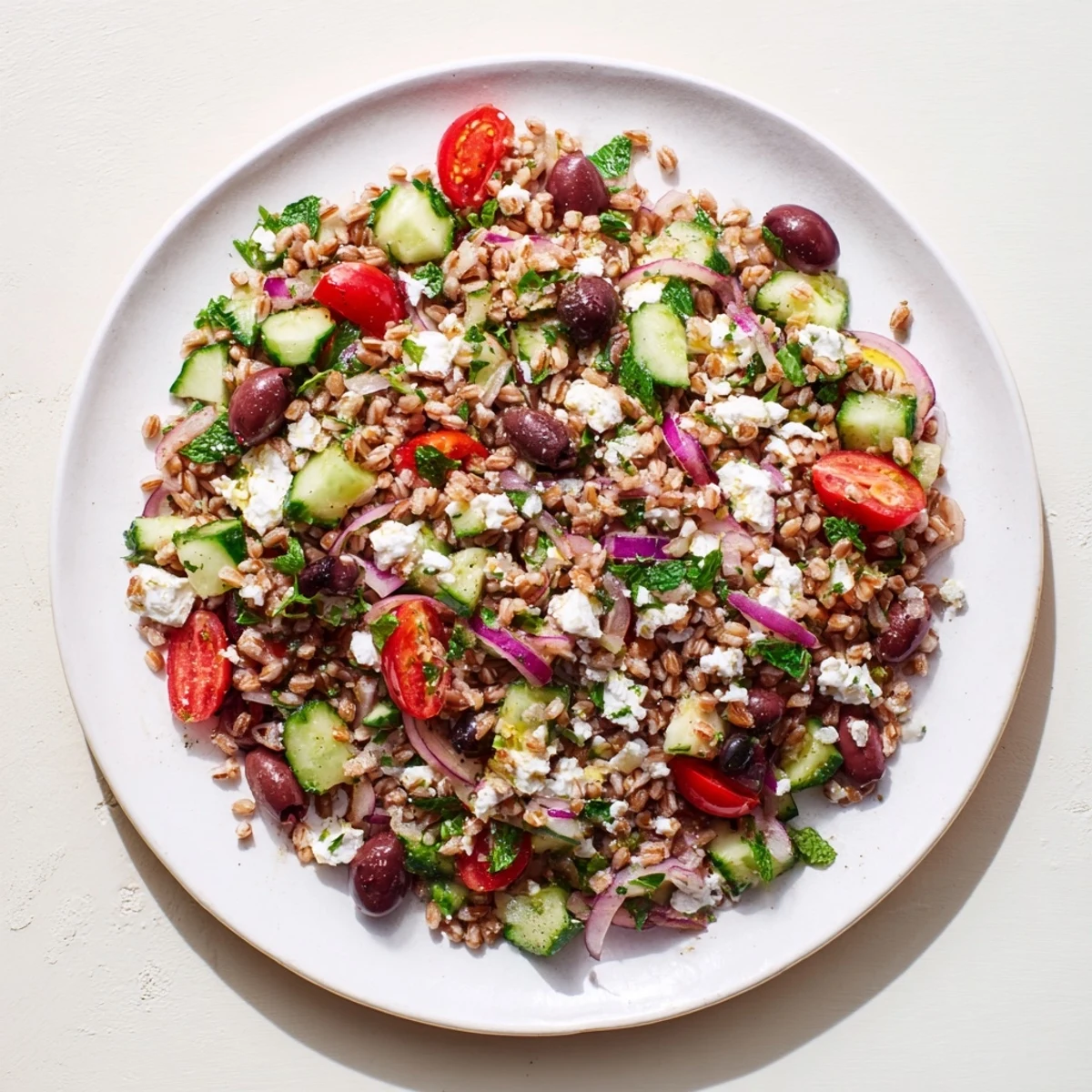
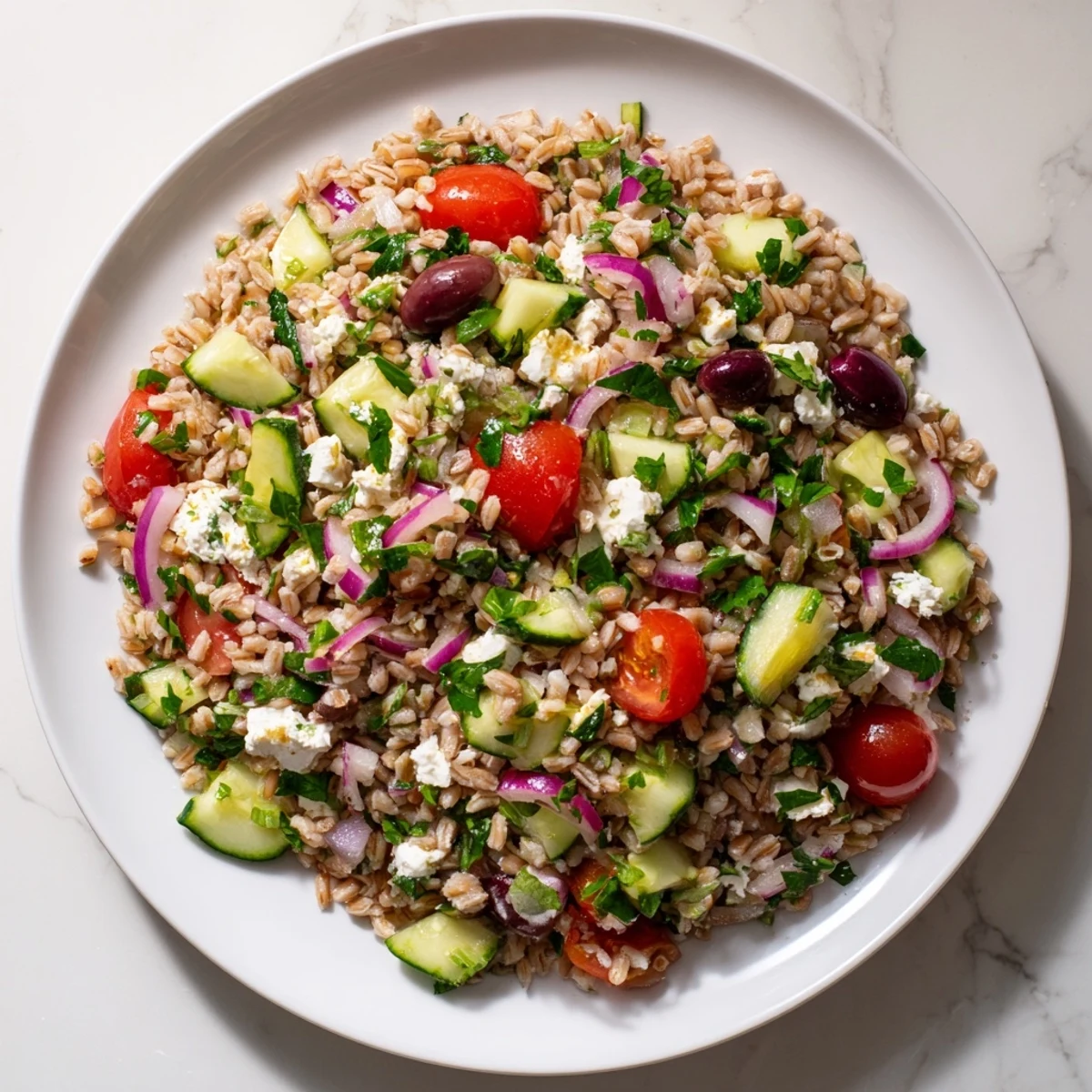
 This Mediterranean-inspired grain bowl combines chewy farro with crisp diced cucumber, sweet cherry tomatoes, tangy red onion, and briny Kalamata olives. Fresh parsley and mint add brightness, while crumbled feta brings creamy, salty richness throughout. The zesty lemon-herb dressing ties everything together with olive oil, Dijon mustard, garlic, and oregano. Perfect for meal prep, summer gatherings, or light weekday lunches, this dish comes together in just 45 minutes and serves four generously. Enjoy it chilled or at room temperature for the most flavorful experience.
The first time I made this farro salad, I was rushing to a potluck and nearly forgot to let the grains cool before mixing everything together. What could have been a mushy disaster turned into one of those happy kitchen accidents—the warm farro melted the feta just enough to create these creamy pockets throughout the salad. Now I make it intentionally, sometimes serving it while the grains still have a hint of warmth, other times letting it chill completely for those summer lunches when nobody wants to turn on the oven.
Last summer, my neighbor Sarah brought this exact salad to our weekly patio gathering. She'd added chickpeas for extra protein and told me she makes a batch every Sunday, eating it for lunch throughout the week. Now I understand why—it gets better with time, the flavors mingling and deepening in the fridge. My teenage daughter, who normally turns her nose up at anything with visible herbs, caught me eating it straight from the container with a fork and asked for the recipe.
Ingredients
- 1 cup uncooked farro: This ancient grain has this incredible nutty flavor that stands up to bold ingredients, and unlike some grains that turn to mush, farro keeps its satisfying chewy texture even after dressing it
- 2 cups water: You might need a splash more as the farro cooks—I've learned to check the pan halfway through and add more if it's looking dry
- 1/2 teaspoon salt: This seasons the farro from the inside out as it cooks, which makes a huge difference in the final flavor
- 1 large cucumber, diced: English cucumbers work beautifully here since they have fewer seeds and thinner skin, but regular cucumbers are fine too
- 1 cup cherry tomatoes, halved: When you bite into them, they release little bursts of juice that mingle with the dressing
- 1/2 small red onion, finely diced: If you're sensitive to raw onion, soak the diced pieces in cold water for 10 minutes then drain—takes away that harsh bite
- 1/2 cup Kalamata olives, pitted and sliced: These bring that essential briny Mediterranean note that makes everything taste brighter
- 1/4 cup fresh parsley, chopped: Flat-leaf parsley has a cleaner, fresher taste than curly, and it adds this beautiful green color throughout
- 2 tablespoons fresh mint, chopped: Never skip this—the mint is what makes the salad taste exceptionally fresh and surprising
- 3/4 cup feta cheese, crumbled: Block feta that you crumble yourself has a better texture than pre-crumbled, which can be dry and salty
- 1/4 cup extra-virgin olive oil: Since this is a simple recipe, use your best olive oil—you can really taste it here
- 2 tablespoons freshly squeezed lemon juice: Bottled lemon juice never quite captures that bright, floral acidity fresh lemons provide
- 1 teaspoon Dijon mustard: This is the secret to getting the dressing to emulsify properly so it doesn't separate
- 1 garlic clove, minced: Let the minced garlic sit in the lemon juice for a few minutes before whisking—it mellows the raw garlic flavor
- 1/2 teaspoon dried oregano: If you have fresh oregano, use a tablespoon instead, but dried works beautifully here
- 1/4 teaspoon black pepper: Freshly cracked pepper makes a noticeable difference in this simple salad
- Salt, to taste: Between the olives, feta, and salted farro, you might not need much—always taste before adding more
Instructions
- Cook the farro:
- Rinse the farro under cold water until the water runs clear. In a medium saucepan, combine farro, water, and 1/2 teaspoon salt. Bring to a boil, then reduce heat to a simmer and cook uncovered for 20 to 25 minutes, until tender but still pleasantly chewy. Drain any excess water and spread the farro on a baking sheet to cool slightly—it speeds up the process and prevents the grains from clumping.
- Prep the vegetables:
- While the farro cooks, dice the cucumber into bite-sized pieces. Halve the cherry tomatoes, finely dice the red onion, slice the olives, and chop the parsley and mint. Having everything ready before the farro finishes means you can assemble the salad while the grains are still slightly warm, which helps them absorb the dressing.
- Make the dressing:
- In a small bowl, whisk together olive oil, lemon juice, Dijon mustard, garlic, oregano, black pepper, and a pinch of salt. Whisk vigorously until the mixture thickens and becomes creamy—this means it's emulsified and will coat the salad evenly instead of pooling at the bottom.
- Combine and dress:
- In a large bowl, combine the cooked farro, cucumber, cherry tomatoes, red onion, olives, parsley, and mint. Pour the dressing over the salad and toss gently but thoroughly. Let it sit for 5 minutes to let the flavors start mingling.
- Add the feta:
- Fold in the crumbled feta cheese, being careful not to break it down too much—you want distinct chunks throughout the salad. Taste and adjust seasoning if necessary, though with the salty olives and feta, you probably won't need additional salt.
- Serve:
- This salad can be served chilled or at room temperature, and both ways are delicious. If you have time, let it rest in the refrigerator for at least an hour before serving—the flavors really come alive.
 Save to Pinterest
 There's something about this salad that feels like eating on a Greek island, even when you're standing in your own kitchen. I've served it at everything from casual weeknight dinners to fancy brunches, and someone always asks for the recipe. My friend Maria, who's actually Greek, told me it reminds her of summers at her grandmother's house in Crete—high praise considering how authentic she is about her food traditions.
Make It Your Own
This is one of those forgiving recipes that welcomes substitutions and additions. I've made it with barley when farro wasn't available, and while the texture is slightly different, it's still delicious. Quinoa works too if you need it to be gluten-free, though you'll want to reduce the water slightly since quinoa cooks faster than farro. During summer, I'll throw in whatever fresh herbs are growing in my garden—basil, dill, or even some fresh oregano if I'm feeling ambitious.
Serving Suggestions
This salad holds its own as a light main course, especially when paired with some crusty bread and a simple green salad. It's also perfect alongside grilled chicken, fish, or even lamb chops. I love serving it as part of a Mediterranean spread with hummus, pita bread, and some roasted vegetables. The leftovers make an excellent lunch the next day, tucked into a pita pocket with some extra greens or served over a bed of arugula with an extra squeeze of lemon.
Storage and Meal Prep
This is hands down one of my favorite meal prep recipes because it actually improves over time. Store it in an airtight container in the refrigerator for up to five days, and give it a good stir before serving since the dressing may settle to the bottom. If the salad seems a bit dry after a few days, a splash of olive oil and lemon juice will brighten it right back up. The farro stays pleasantly chewy, and the vegetables maintain their crunch surprisingly well.
- If you're meal prepping for the week, wait to add the fresh herbs until the day you plan to eat so they stay vibrant
- The salad travels well to potlucks and picnics—no need to keep it strictly cold, though it shouldnt sit in direct sun for hours
- Leftovers can be transformed into breakfast by topping with a fried egg and some extra hot sauce
 Save to Pinterest
 I hope this farro salad finds its way into your regular rotation, just as it has in mine. There's something deeply satisfying about a dish that's both nourishing and joyful to eat.
Recipe Help & Support
- → Can I make this ahead of time?
-
Absolutely. This Mediterranean grain bowl actually improves after a few hours in the refrigerator as the flavors meld together. Prepare it up to 24 hours in advance, but add the feta just before serving to maintain its crumbly texture.
- → What can I substitute for farro?
-
Barley, spelt, or wheat berries work beautifully as direct substitutes. For a gluten-free option, use quinoa or brown rice—adjust cooking time accordingly since these grains cook faster than farro.
- → How do I store leftovers?
-
Store in an airtight container in the refrigerator for 3-4 days. The grains absorb dressing over time, so you may want to add a splash more lemon juice and olive oil before serving leftovers.
- → Can I add protein to make it more filling?
-
This dish pairs wonderfully with grilled chicken, shrimp, or white fish. For plant-based protein, add roasted chickpeas, diced avocado, or serve alongside hard-boiled eggs.
- → Is it better served warm or cold?
-
Both ways work beautifully. Serve it slightly warm if enjoying immediately after preparation, or chilled for a refreshing lunch. The flavors truly shine at room temperature, making it perfect for potlucks and picnics.