
 Save to Pinterest
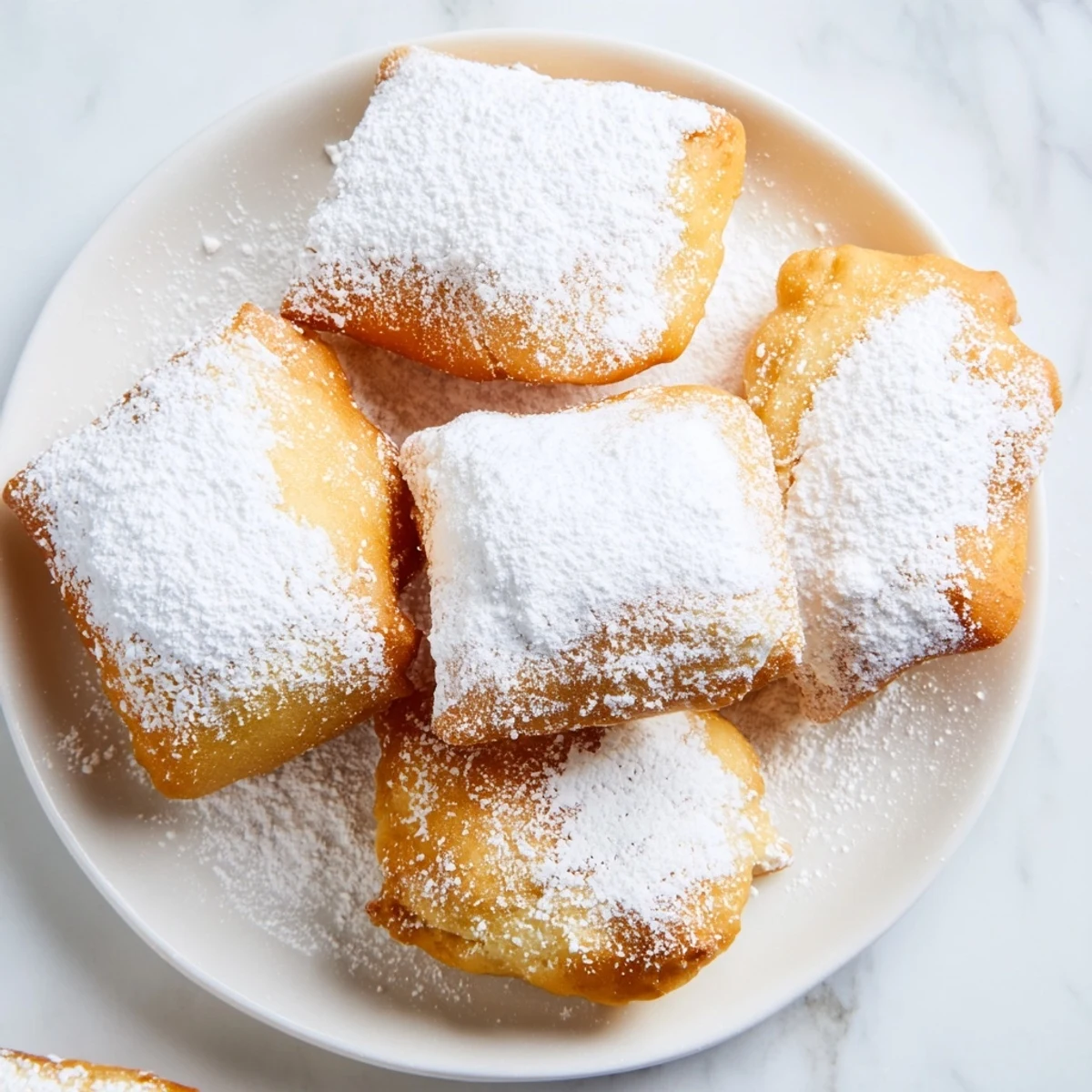
 Discover the art of creating classic New Orleans beignets, featuring soft, airy fried dough squares coated in powdered sugar. The dough is carefully prepared with yeast, milk, and butter, then deep-fried to a golden perfection. This treat is perfect when served warm, offering a delightful balance of sweetness and texture. Ideal for morning or evening indulgence, these beignets capture the beloved flavors of the American South.
My first beignet experience happened before sunrise in the French Quarter, when the air already smelled like coffee and frying dough. I stood in line at Cafe du Monde with powdered sugar coating my shirt by the end of that first bite. When I got home, I knew I had to recreate that magic in my own kitchen.
Last winter, my neighbor smelled the frying from across the driveway and knocked on my door with two coffee mugs in hand. We ate them standing up at the counter, sugar drifting onto the floor like snow, talking about nothing much at all. Now every time she sees me heading to the kitchen, she asks if today is a beignet day.
Ingredients
- All purpose flour: Bread flour makes these too chewy while cake flour wont give enough structure
- Warm water: Too hot kills the yeast, too cold makes it sluggish, aim for bathwater temperature
- Active dry yeast: One standard packet works perfectly, no need to measure from a jar
- Whole milk: The milk fat creates tenderness that water alone cannot achieve
- Unsalted butter: Melt it completely so it incorporates evenly into the dough
- Vegetable oil: Canola or peanut oil both work beautifully for deep frying
- Powdered sugar: Buy the good stuff, it melts differently than cheap store brands
Instructions
- Wake up the yeast:
- Stir the yeast and one teaspoon of sugar into warm water, watching for tiny bubbles to form on the surface after about five minutes.
- Build the base:
- Whisk together the remaining sugar, milk, egg, melted butter and salt until the mixture looks smooth and slightly glossy.
- Bring it together:
- Pour in that foamy yeast mixture and give it a quick stir before you start adding the flour.
- Make the dough:
- Add the flour gradually, stirring with a wooden spoon until a sticky shaggy mass forms that pulls away from the sides of the bowl.
- Work it:
- Turn the dough onto a floured surface and knead for five minutes, or let your stand mixer do the work for three to four minutes.
- Let it rise:
- Place the dough in an oiled bowl, cover it warmly, and walk away for at least an hour until it has doubled impressively in size.
- Roll and cut:
- Punch down the risen dough gently, roll it to a quarter inch thickness, and cut into squares with a sharp knife.
- Heat the oil:
- Bring your frying oil to 350 degrees Fahrenheit, using a thermometer if you have one or testing with a wooden spoon.
- Fry to gold:
- Cook the squares in batches for about two minutes per side until they puff up beautifully and turn deep golden brown.
- Sugar shower:
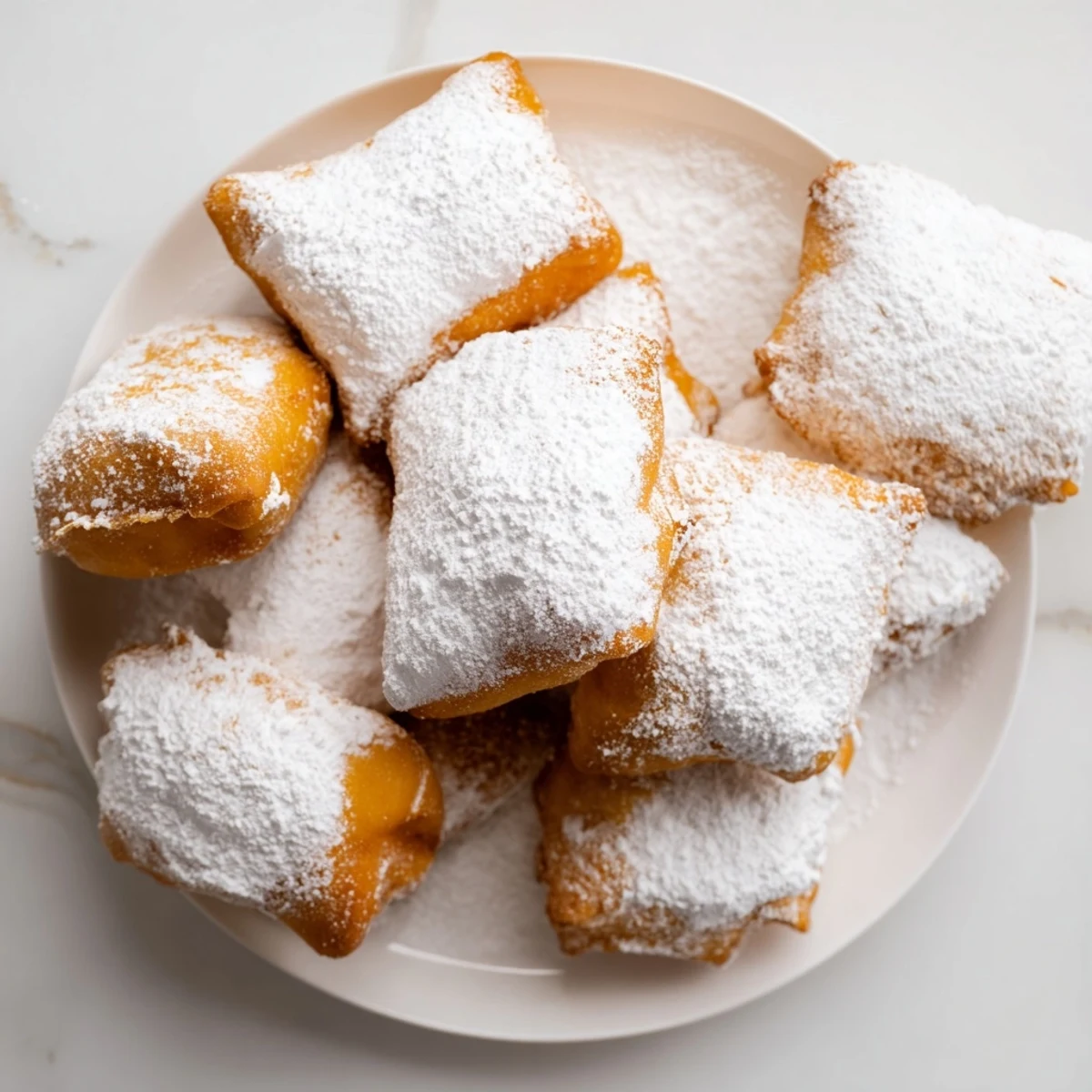
- Drain briefly on paper towels, then immediately toss or dust with powdered sugar while they are still warm.
 Save to Pinterest
 My daughter asked if we could have beignets for her birthday breakfast instead of cake, and that is now our family tradition. Something about standing around the stove, watching dough puff and turn golden, brings everyone together in the kitchen like nothing else.
Making Them Ahead
You can prepare the dough through the first rise, then refrigerate it overnight for frying the next morning. Let it come to room temperature for about thirty minutes before rolling and cutting.
Oil Temperature Matters
If your oil is too hot, the outside will burn before the inside cooks through, but too cool oil gives you sad greasy squares. A thermometer takes all the guesswork out of the equation.
Serving Suggestions
Classic cafe au lait makes the perfect companion, cutting through the richness with its bold coffee flavor. Some people like to dip them in chocolate sauce or serve with berry compote on the side.
- Set up a dipping station with different sauces for a fun brunch activity
- Keep extra powdered sugar nearby because you can never have enough
- Make them smaller for parties so guests can try multiple pieces
 Save to Pinterest
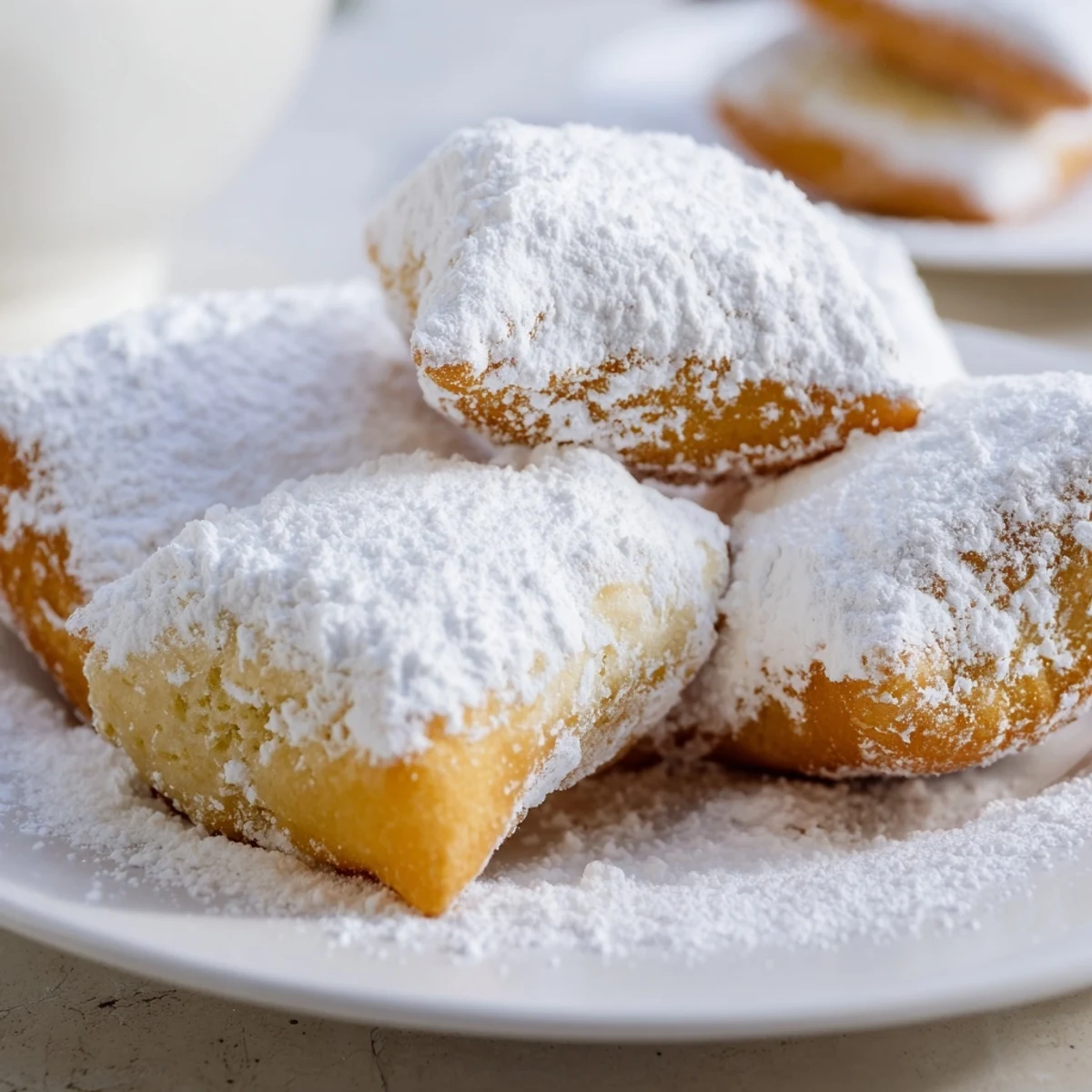
 There is something deeply satisfying about making something so beloved from scratch, and these beignets will transport you straight to New Orleans with every bite.
Recipe Help & Support
- → What makes New Orleans beignets unique?
-
They are distinguished by their pillowy texture and generous coating of powdered sugar, achieved through a yeast-leavened dough and quick deep-frying.
- → How do you achieve the perfect dough texture?
-
Using warm water to activate yeast and kneading until smooth and elastic ensures a light, airy texture after frying.
- → Can I make the dough ahead of time?
-
Yes, allowing the dough to proof slowly enhances flavor and can be prepared in advance for convenience.
- → What oil is best for frying the dough squares?
-
Vegetable oil with a high smoke point is ideal to achieve an even golden-brown crust without imparting unwanted flavors.
- → How should beignets be served or paired?
-
Serve them warm with a generous dusting of powdered sugar and consider pairing with café au lait for a traditional experience.