
 Save to Pinterest
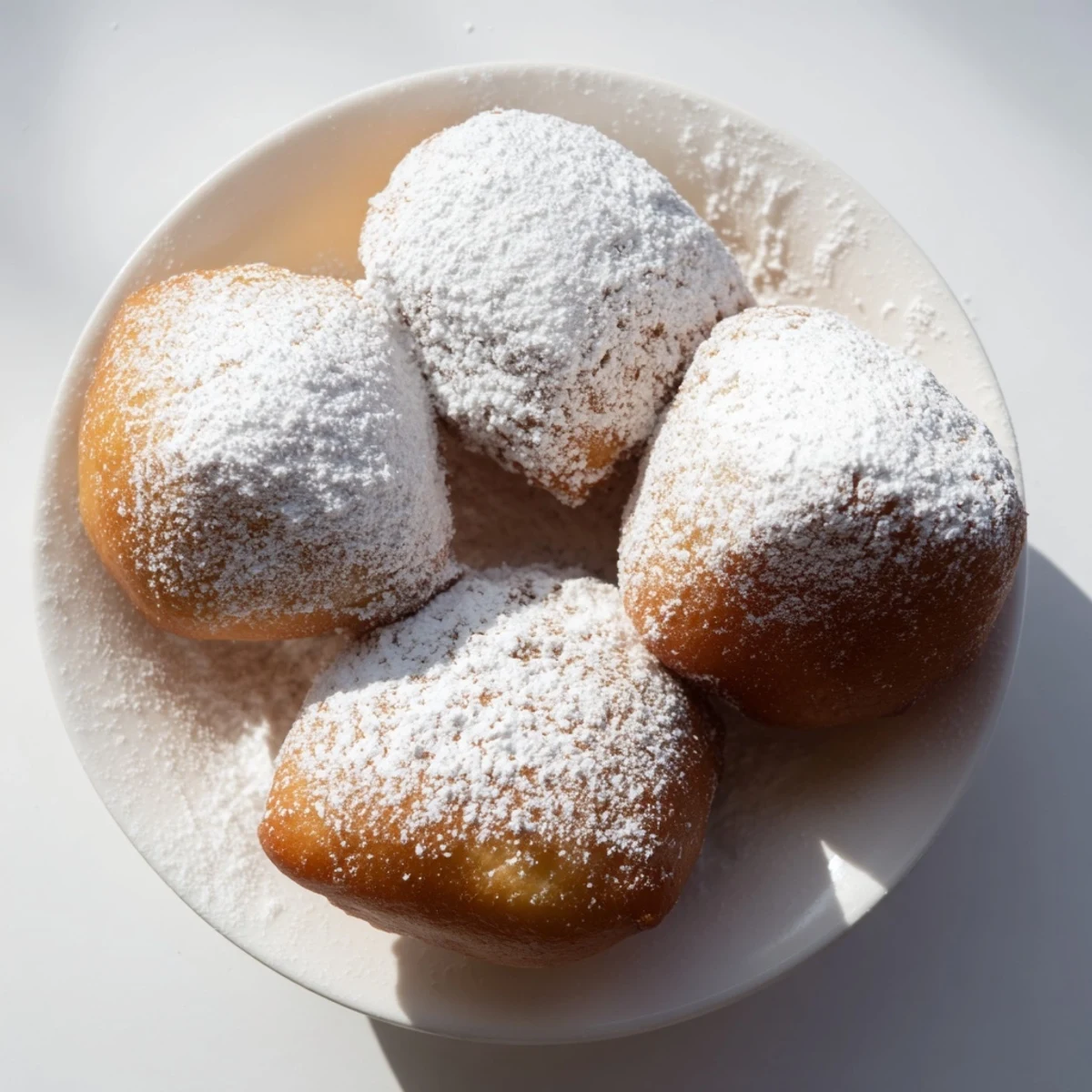
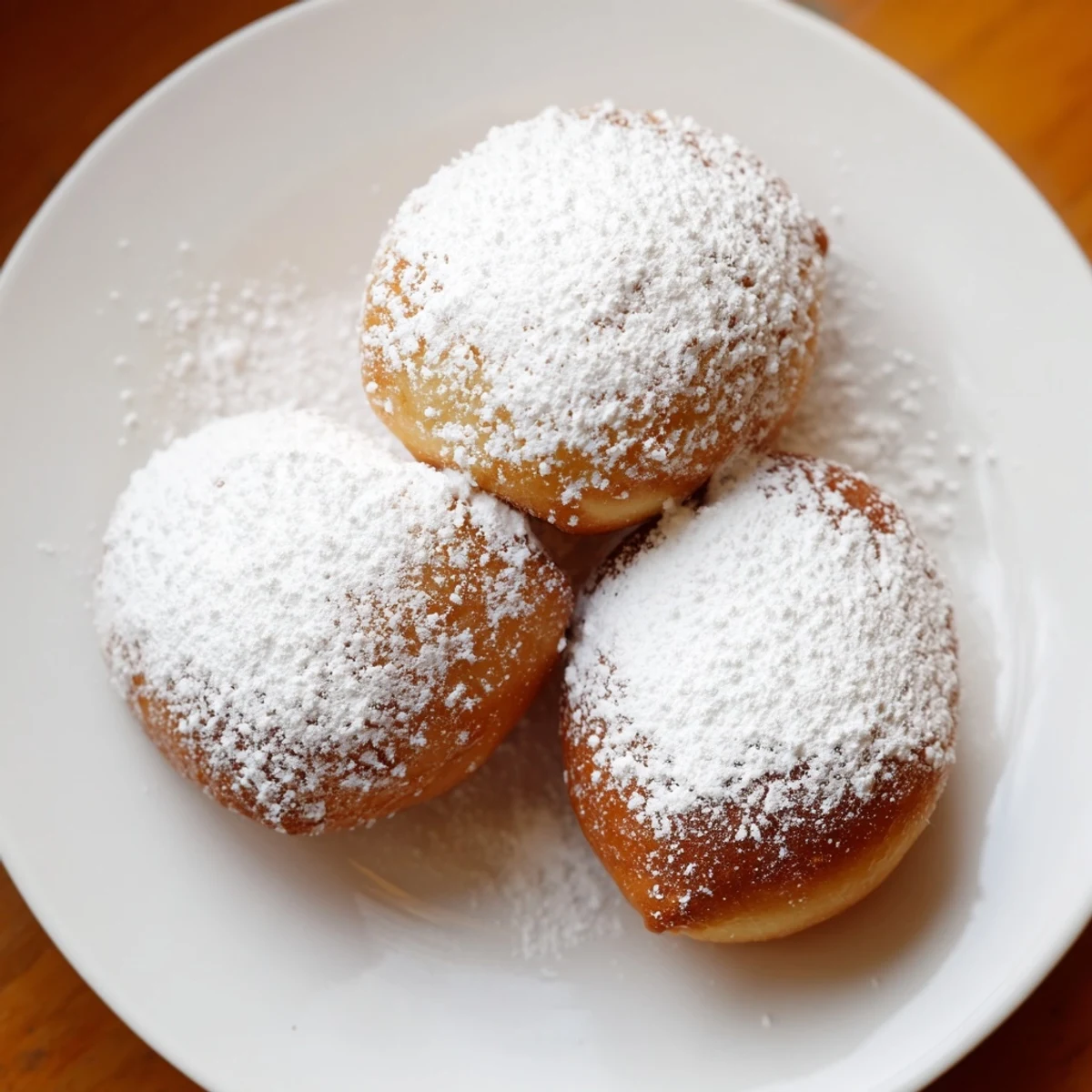
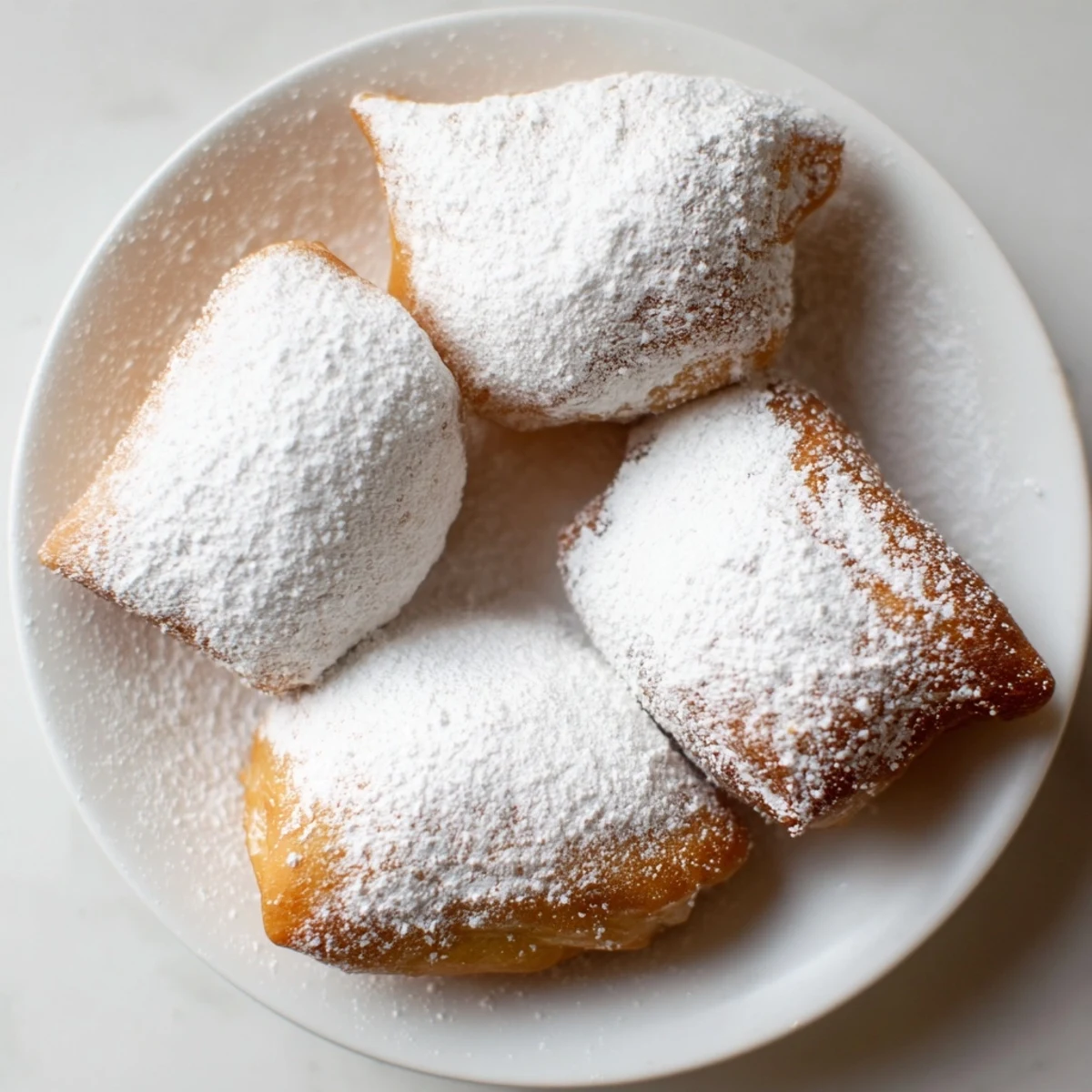
 Discover the art of creating light and fluffy beignets, fried until golden and generously dusted with powdered sugar. This southern classic begins with a soft dough that rises to perfection, then is rolled and cut into squares before being deep-fried to achieve a delicate, airy texture. The golden beignets are best enjoyed warm, with a dusting of sweet powdered sugar enhancing every bite. Ideal as a sweet indulgence, they pair wonderfully with café au lait for an authentic New Orleans experience.
The first time I walked through the French Quarter at dawn, the air was already thick with the smell of frying dough and drifting powdered sugar. I bought three beignets from a hole-in-the-window spot, stood on a street corner, and made a complete mess of myself. Sugar dusted my black coat like I'd rolled in snow, and I didn't care one bit. That morning ruined me forever—nothing else quite hits like hot, pillowy beignets fresh from the oil.
Last winter, my sister came over when I was testing this recipe, and we ended up eating half the batch standing at the counter. She kept grabbing them fresh from the paper towels, burning her fingers just a little, sugar coating her lips. We brewed café au lait and pretended we were somewhere humid and slow-moving, far from the gray snow outside. Some foods just transport you like that.
Ingredients
- All-purpose flour: The structure that holds everything together—dont be tempted to swap in bread flour or theyll turn tough instead of tender
- Warm whole milk: Needs to be warm to the touch but not hot, around 110°F, or youll kill the yeast before it even gets started
- Granulated sugar: Feeds the yeast and adds just enough sweetness to the dough itself
- Active dry yeast: One standard packet works perfectly here—let it get properly foamy before moving on
- Large egg: Adds richness and helps create that signature golden crust when frying
- Unsalted butter, melted: Melt it completely so it incorporates evenly into the dough
- Salt: Just a half teaspoon, but it makes all the difference in balancing the sweetness
- Vanilla extract: A subtle background note that makes these taste like a proper treat
- Vegetable oil: You need enough for deep frying—about 1 liter should do it for a standard pot
- Powdered sugar: The finishing touch that makes everything authentic—be generous, very generous
Instructions
- Wake up the yeast:
- Combine the warm milk, sugar, and yeast in a small bowl, then walk away for 5 to 10 minutes until you see a layer of foam on top—that means your yeast is alive and ready to work.
- Mix the dough:
- Whisk the flour and salt together in a large bowl, then pour in the yeast mixture along with the egg, melted butter, and vanilla extract.
- Knead it smooth:
- Stir until a sticky dough forms, then turn it out onto a floured surface and knead for about 5 minutes until it feels smooth and elastic instead of shaggy.
- Let it rise:
- Place the dough in a greased bowl, cover it with a towel, and find a warm spot for it to hang out for 1 to 1.5 hours until it has doubled in size.
- Roll and cut:
- Punch down the dough, turn it onto a floured surface, and roll it to a half-inch thickness before cutting into 2.5-inch squares with a sharp knife or pizza cutter.
- Heat the oil:
- Get your vegetable oil to 350°F in a deep pot or fryer—if you dont have a thermometer, drop in a tiny piece of dough and it should bubble up immediately.
- Fry until golden:
- Cook 3 or 4 beignets at a time for 2 to 3 minutes per side, turning once, until theyre puffed and beautifully golden brown all over.
- Dust and devour:
- Let them drain on paper towels for just a moment, then coat them in powdered sugar while theyre still warm and serve immediately.
 Save to Pinterest
 My friend tried making these once and cut the rising time in half because she was impatient. They came out like little hockey pucks and we laughed about it over takeout. Now she lets the dough do its thing and texts me pictures every single time.
Getting That Perfect Puff
The magic happens when the yeast hits the hot oil—that rapid expansion is what creates those gorgeous airy pockets inside. Make sure your oil stays consistently at temperature throughout frying. If it drops too low between batches, youll lose that signature puff.
Making Ahead
You can actually make the dough the night before and let it do its slow rise in the refrigerator. The cold fermentation adds flavor, and in the morning you just roll, cut, and fry. It feels like cheating when breakfast comes together that fast.
Serving Suggestions
Beignets are traditionally served with café au lait, which is just equal parts strong coffee and hot milk. The bitterness cuts right through all that sugar and dough.
- A dusting of cinnamon mixed into the powdered sugar adds warmth
- Try them alongside fresh berries if you need something to cut the richness
- They really are best the moment theyre made, so invite people over
 Save to Pinterest
 There is something deeply joyful about food you have to eat with your hands, something even better about food that leaves a little evidence all over your face. Make these for someone you love.
Recipe Help & Support
- → What kind of flour is best for making beignets?
-
All-purpose flour provides the right balance of structure and tenderness, helping the dough rise and achieve a pillowy texture.
- → How do you know when the oil is at the correct temperature?
-
Heat the oil to around 350°F (175°C). A deep-fry thermometer can help, or test by dropping a small piece of dough—if it sizzles and rises immediately, the oil is ready.
- → Can I add spices to the dough for extra flavor?
-
Yes, adding a pinch of nutmeg or cinnamon to the dough enhances the flavor without overpowering the beignets’ delicate taste.
- → How should beignets be served for best taste?
-
Serve beignets warm and generously dusted with powdered sugar. They are traditionally paired with café au lait for a classic New Orleans touch.
- → What are good substitutions for dairy or eggs in this dough?
-
Plant-based milk and vegan butter can replace dairy, and an egg replacer works well to maintain dough texture for those with allergies.