
 Save to Pinterest
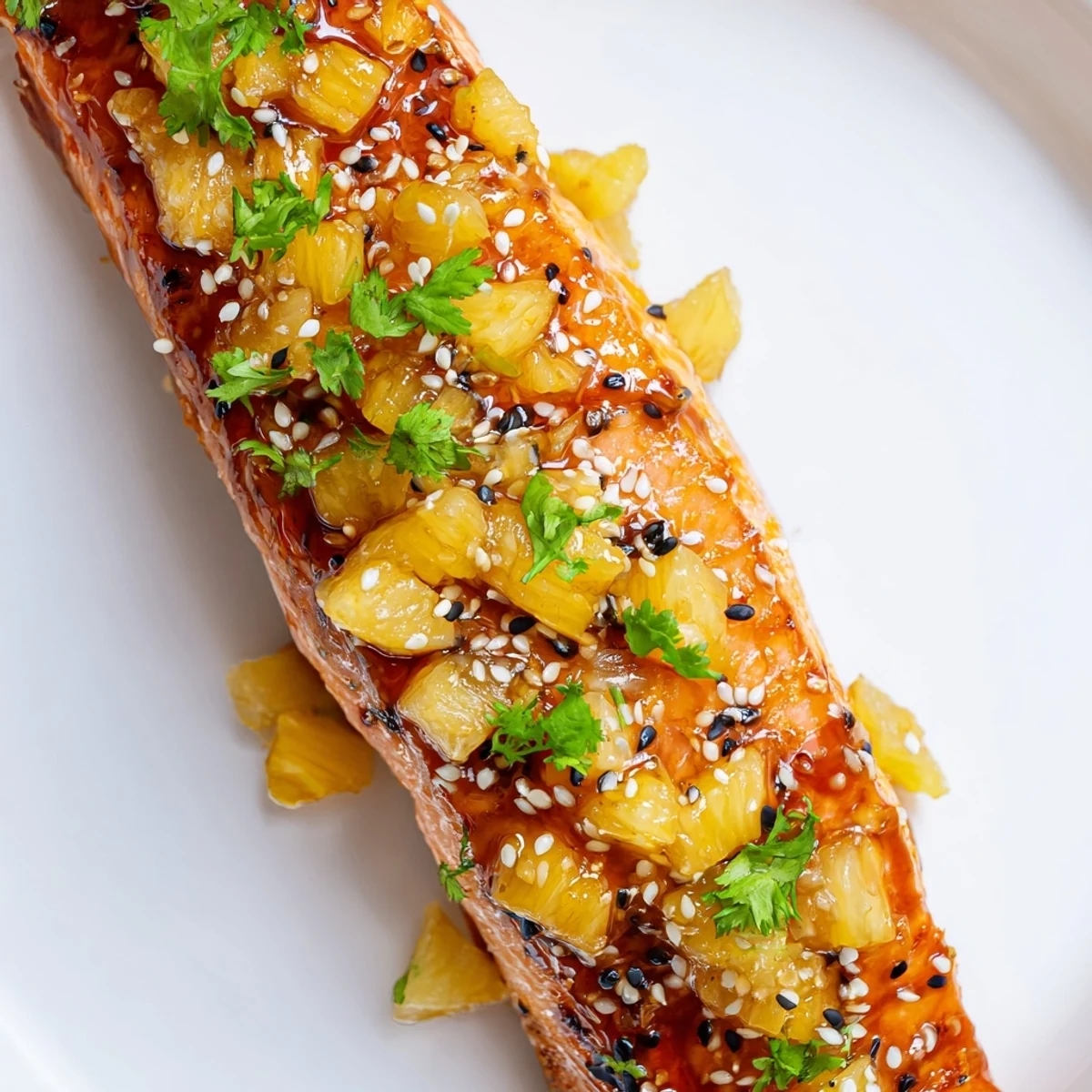
 Succulent salmon fillets are seasoned and oven-baked, then brushed with a luscious pineapple-based glaze combining juice, soy sauce, honey, vinegar, garlic, and ginger. This creates a sweet and tangy layer of flavor, enhanced by fresh pineapple, cilantro, and optional sesame seeds. The dish offers a delicious tropical-inspired profile with a healthy balance, ideal for a quick and nutritious main course.
The smell of pineapple and soy sauce bubbling on the stove always pulls me back to a tiny apartment kitchen where I first learned that salmon could taste like a vacation.
I made this for a friend who claimed to hate fish, and she literally licked her plate clean before asking for the recipe.
Ingredients
- 4 salmon fillets (6 oz each): Fresh wild caught gives the best flavor and texture, skin on helps keep the fish moist while baking
- Salt and black pepper: Simple seasoning that lets the glaze shine without competing
- Pineapple juice: The base of our tropical glaze, fresh squeezed adds brightness but canned works perfectly
- Soy sauce: Use tamari if you need it gluten free, this adds the savory depth
- Honey or maple syrup: Natural sweetness that helps the glaze caramelize beautifully
- Rice vinegar: A subtle tang that cuts through the sweetness, apple cider vinegar makes a fine substitute
- Garlic and fresh ginger: These aromatics make the kitchen smell incredible and add layers of flavor
- Cornstarch: The secret to getting that gorgeous glossy coating that clings to the salmon
- Fresh pineapple and cilantro: These garnishes are not just pretty, they add bright pops of flavor and texture
- Toast sesame seeds: Totally optional but they add this nutty crunch that takes it over the top
Instructions
- Get your oven ready:
- Preheat to 400°F and line a baking sheet with parchment paper for easy cleanup
- Prep the salmon:
- Pat those fillets completely dry with paper towels, then season generously with salt and pepper on both sides, arranging them skin side down
- Make the magic glaze:
- Combine pineapple juice, soy sauce, honey, vinegar, minced garlic, and grated ginger in a small saucepan over medium heat, stirring occasionally until it starts to simmer
- Thicken it up:
- Whisk in the cornstarch mixture and keep cooking for another minute or two until the glaze coats the back of a spoon
- First glaze:
- Brush about half of that beautiful thickened glaze over the salmon fillets, making sure every inch gets coated
- Bake to perfection:
- Slide the sheet into the oven for 12 to 15 minutes, depending on thickness, until the fish flakes easily with a fork
- Finish with flair:
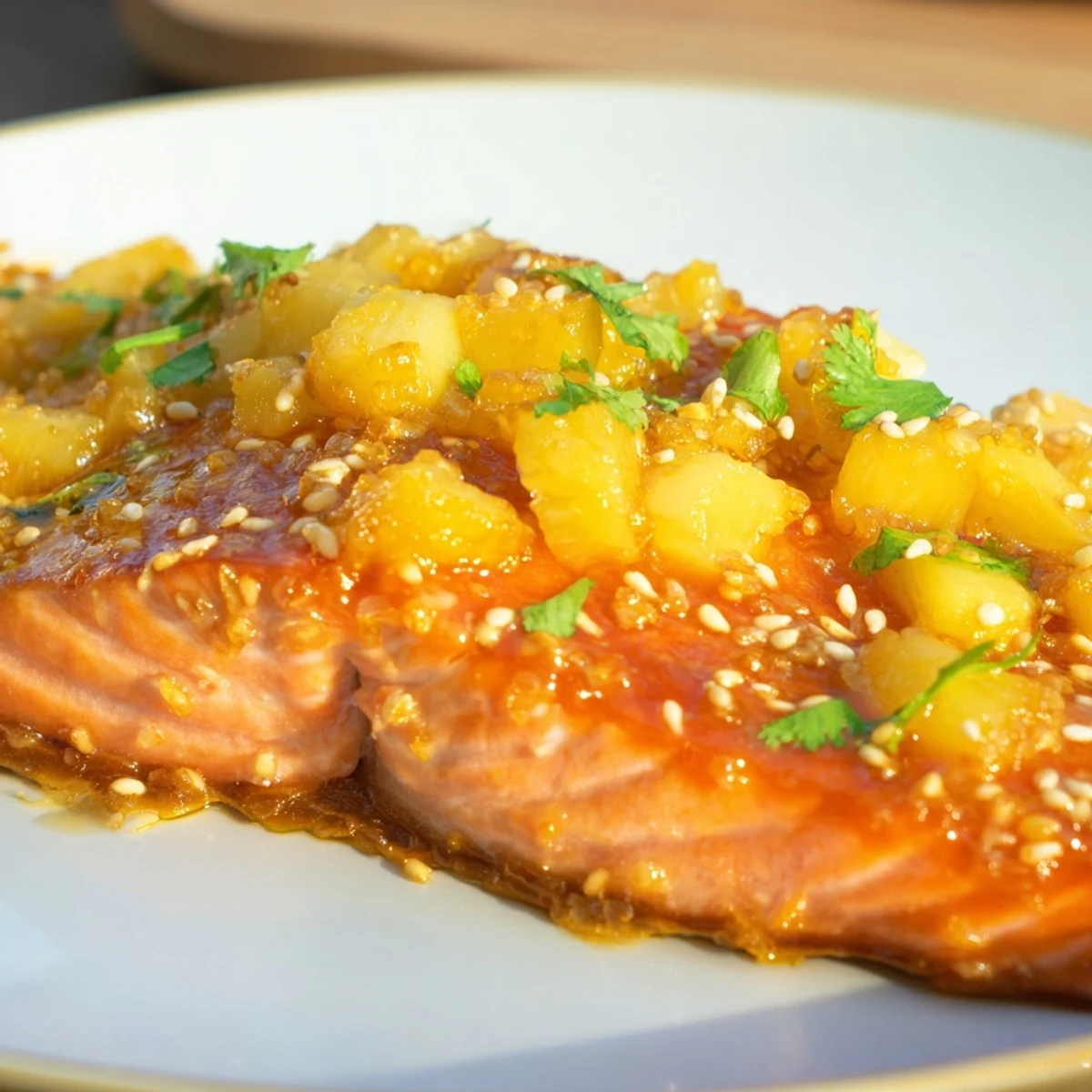
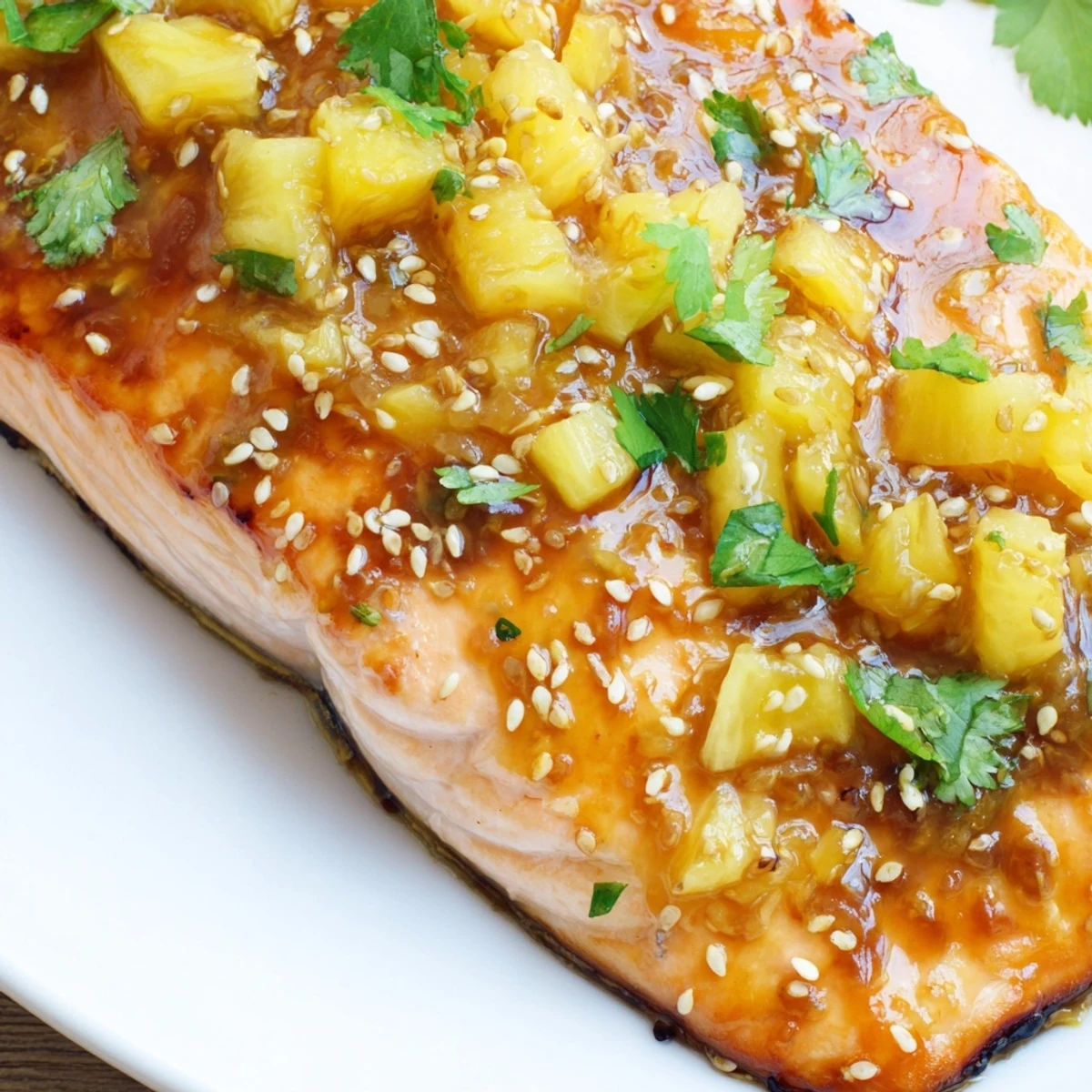
- Pull the salmon out and give it another brush with the remaining glaze, then scatter with fresh pineapple, cilantro, and sesame seeds before serving hot
 Save to Pinterest
 This recipe has saved more weeknight dinners than I can count, especially on those days when takeout feels like the only option.
Making It Your Own
Once you have the basic technique down, this glaze works beautifully on other proteins like chicken thighs or even tofu.
Perfect Sides
Steamed jasmine rice soaks up every drop of that glaze, or serve it alongside roasted bok choy for a complete meal.
Meal Prep Magic
The glaze keeps for a week in the fridge, so I often double it and use half for quick weeknight dinners.
- Leftover salmon makes amazing salmon cakes or salad toppers
- The glaze can be frozen in ice cube trays for future meals
- This cooks up beautifully on a grill when summer hits
 Save to Pinterest
 Theres something deeply satisfying about a dinner that looks impressive but comes together with such ease.
Recipe Help & Support
- → How do you prepare the pineapple glaze?
-
Simmer pineapple juice with soy sauce, honey, vinegar, garlic, and ginger until heated through, then thicken with cornstarch mixed with water.
- → Can the glaze be made spicier?
-
Yes, adding a pinch of chili flakes to the glaze provides a spicy kick while maintaining balance with the sweetness.
- → Is it necessary to use fresh pineapple as garnish?
-
Fresh pineapple adds a bright contrast in flavor and texture, but it can be omitted or substituted according to preference.
- → What cooking method is best for the salmon fillets?
-
Oven baking at 200°C (400°F) ensures perfectly cooked, flaky salmon fillets with a tender texture.
- → Can the soy sauce be replaced for dietary needs?
-
Yes, tamari is recommended for a gluten-free alternative without compromising flavor.