
 Save to Pinterest
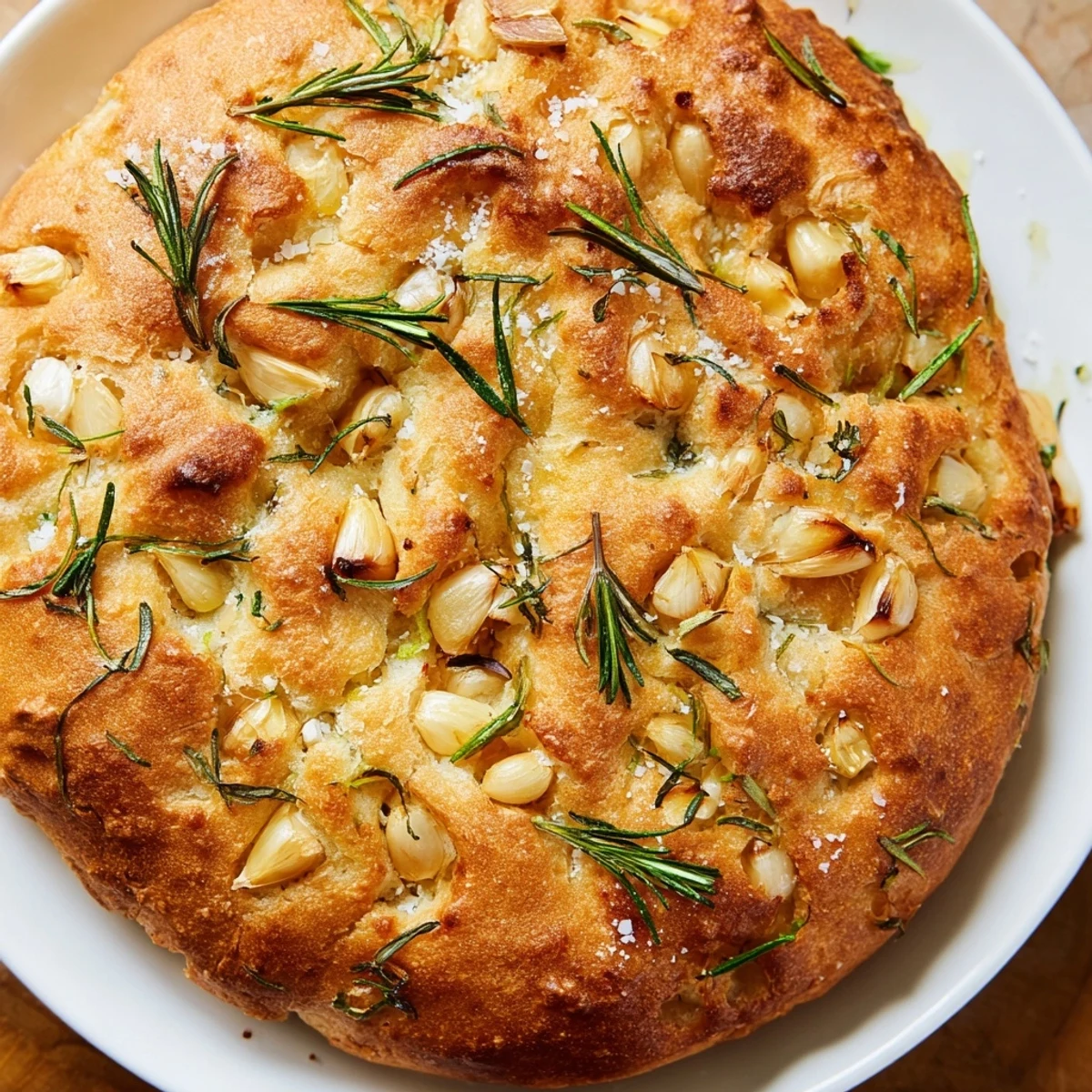
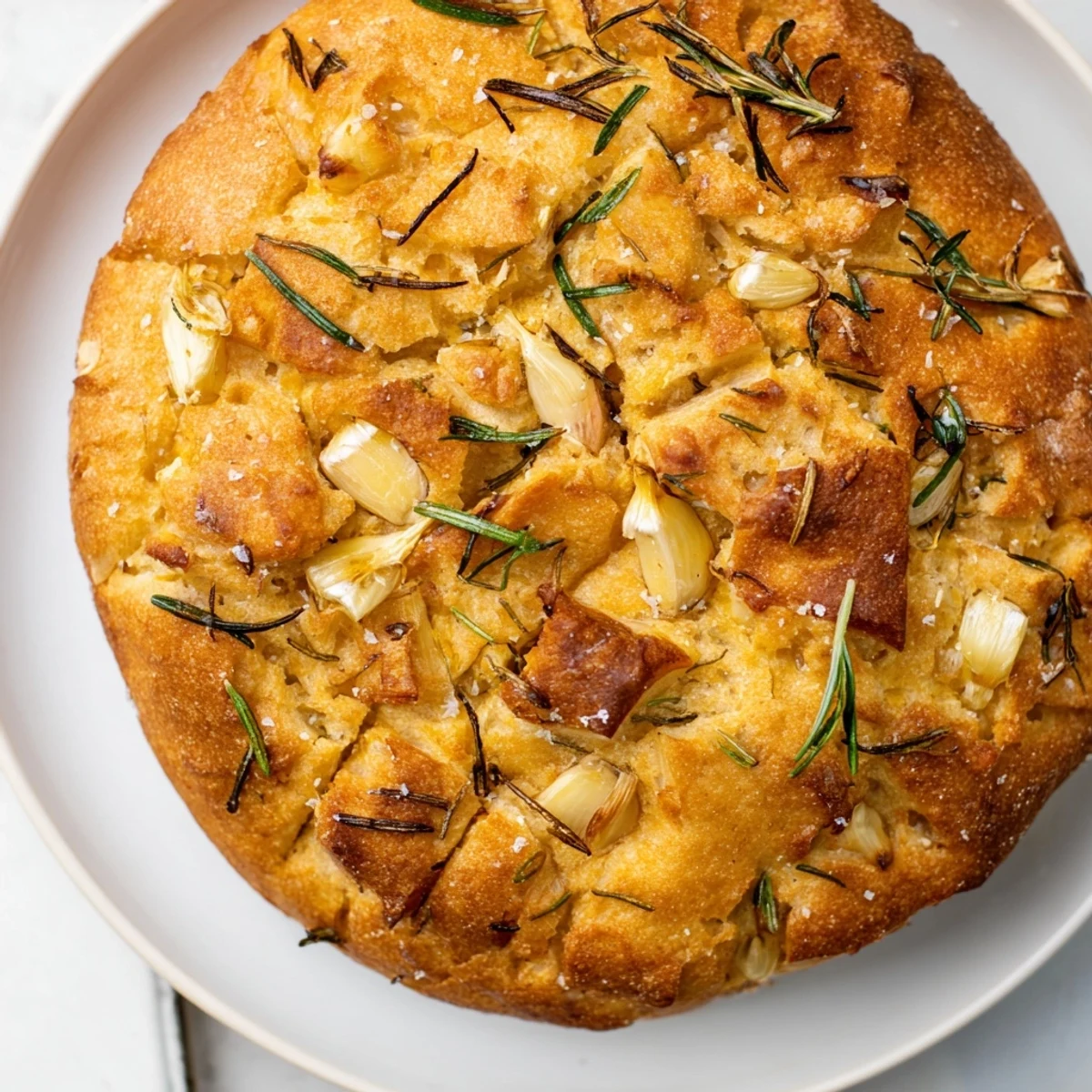
 This hearty skillet bread delivers the perfect balance of crisp, golden edges and a tender, chewy interior. Roasted garlic infuses every bite with savory depth, while fresh rosemary adds aromatic brightness. The 10-inch cast iron skillet creates an irresistible crust that locks in moisture. After a simple two-hour rise process, you'll have eight generous slices ideal for dipping in olive oil, serving alongside soups, or enjoying straight from the oven. The dough comes together quickly with basic pantry staples, and the hands-on time is minimal.
My tiny apartment smelled like an Italian grandmother's kitchen the first time I made this bread. I'd forgotten to buy garlic at the market, so I used what I had on hand and ended up roasting twice as much as the recipe called for because the aroma was intoxicating.
Last winter, my neighbor knocked on my door while this was in the oven. She thought I was making dinner for guests, but it was just me, a book, and this skillet bread. We ended up sharing the whole loaf right there on her porch steps while it snowed.
Ingredients
- 3 cups bread flour: Higher protein content gives you that satisfying chew and structure
- 2 1/4 tsp active dry yeast: One standard packet works perfectly every time
- 1 1/4 cups warm water: Should feel like bath temperature, about 105°F
- 1 1/2 tsp salt: Don't skip this, it balances the garlic and rosemary beautifully
- 1 tbsp olive oil: Adds subtle richness to the crumb
- 2 tbsp fresh rosemary: Dried herbs work but fresh makes all the difference here
- 4 cloves garlic: Roast them first if you want an even deeper, sweeter flavor
- 2 tbsp olive oil: For brushing the top and getting that gorgeous golden finish
- 1/2 tsp flaky sea salt: The finishing touch that makes each bite special
Instructions
- Wake up the yeast:
- Stir the yeast into warm water and wait about 5 minutes until it's bubbly and alive
- Build the base:
- Mix flour and salt into the yeast water until it forms a shaggy, sticky dough, then knead until smooth
- Infuse with flavor:
- Work in the olive oil, rosemary, and garlic until fragrant and evenly distributed
- Let it rise:
- Cover the dough and set it in a warm spot for about an hour until it's doubled in size
- Shape for the skillet:
- Press the dough gently into your well-oiled skillet, letting it rise again for 30 minutes
- Get the oven ready:
- Preheat to 425°F while the dough has its second rise
- Finish with flair:
- Brush with olive oil, scatter flaky salt on top, then bake until deeply golden
- Slice and share:
- Wait just a few minutes before cutting so the steam redistributes evenly
 Save to Pinterest
 This bread became my go-to for bringing to dinner parties because it travels so well. The skillet keeps it warm, and people always ask for the recipe before we've even finished eating.
The Secret to Extra Garlic
Roast your cloves in a small foil packet with olive oil at 400°F for 20 minutes before mixing them into the dough. The sweetness that develops from roasting completely transforms the final bread.
Making It Ahead
You can prepare the dough through the first rise, then refrigerate it overnight. The next day, let it come to room temperature for 30 minutes before pressing it into your skillet and proceeding with the second rise.
Serving Suggestions
This bread shines alongside anything tomato-based, but honestly, I've been known to eat it plain, standing right at the counter. The rosemary-garlic combo needs nothing else to sing.
- Try torn pieces in minestrone or ribollita
- Use day-old slices for panzanella salad
- Cube and toast for croutons that elevate any Caesar
 Save to Pinterest
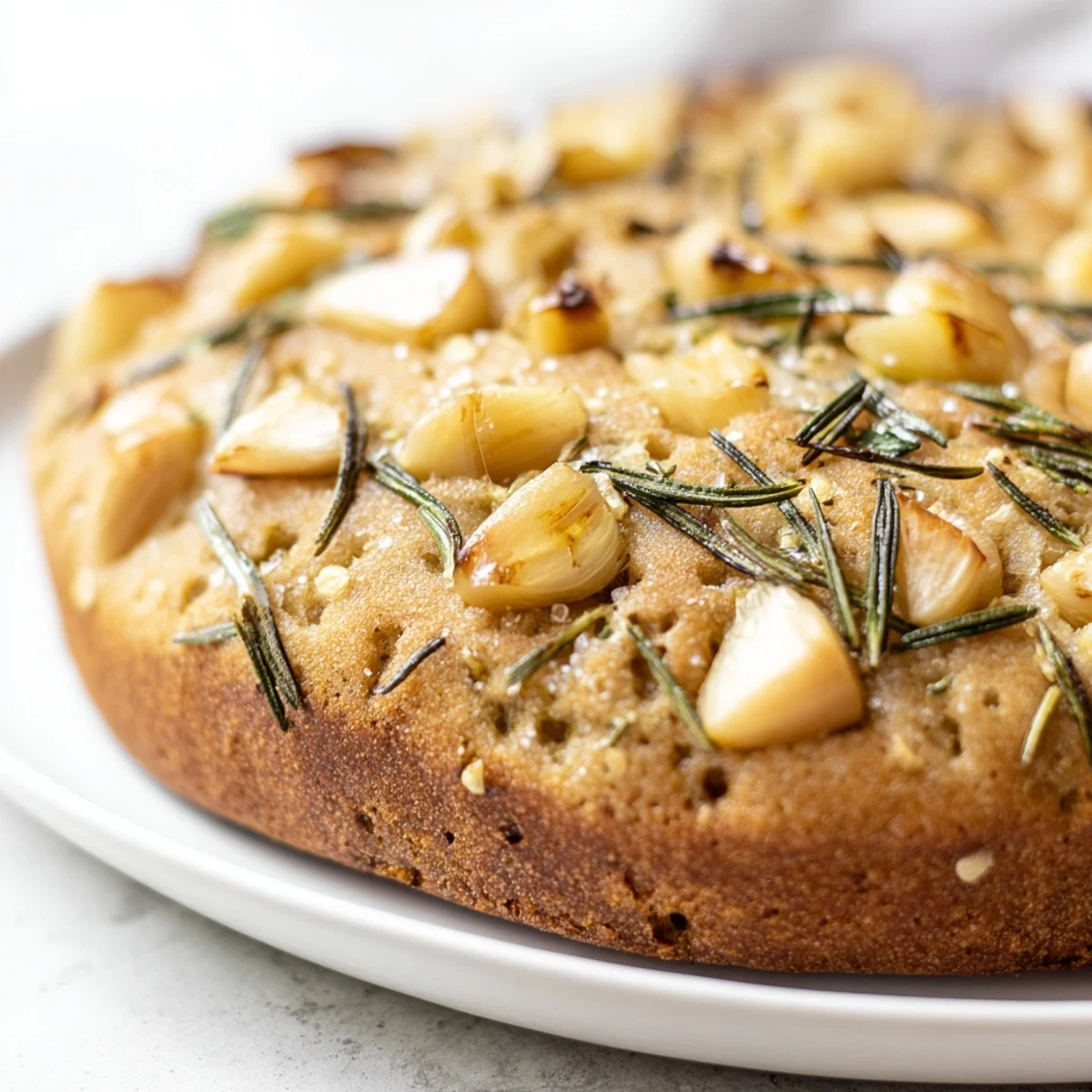
 There's something deeply satisfying about pulling a loaf from the oven you made with your own hands, especially one this fragrant and simple.
Recipe Help & Support
- → Why use a cast iron skillet?
-
Cast iron distributes heat evenly and creates exceptional crust formation. The heavy material retains high temperatures that produce crisp, golden edges while keeping the interior tender and moist.
- → Can I make this ahead of time?
-
Yes. Prepare the dough through the first rise, then refrigerate overnight. Bring to room temperature before pressing into the skillet for the second rise. The flavor develops beautifully with extended fermentation.
- → How do I know when the bread is done?
-
The crust should be deep golden brown, and the internal temperature should reach 200°F. Tap the bottom—if it sounds hollow, it's fully cooked. A skewer inserted into the center should come out clean.
- → Can I use dried rosemary instead of fresh?
-
Fresh rosemary provides superior aromatic flavor, but dried works in a pinch. Use one-third the amount and rehydrate it in warm water for 10 minutes before adding to prevent it from becoming brittle during baking.
- → What should I serve with skillet bread?
-
Warm slices pair beautifully with olive oil for dipping, alongside hearty soups and stews, or as a base for bruschetta. Also excellent with soft cheeses, roasted vegetables, or simply with salted butter.
- → Why roast the garlic beforehand?
-
Roasting mellows garlic's pungency and brings out natural sweetness. The caramelized cloves blend seamlessly into the dough, creating pockets of savory flavor throughout rather than harsh raw garlic notes.