
 Save to Pinterest
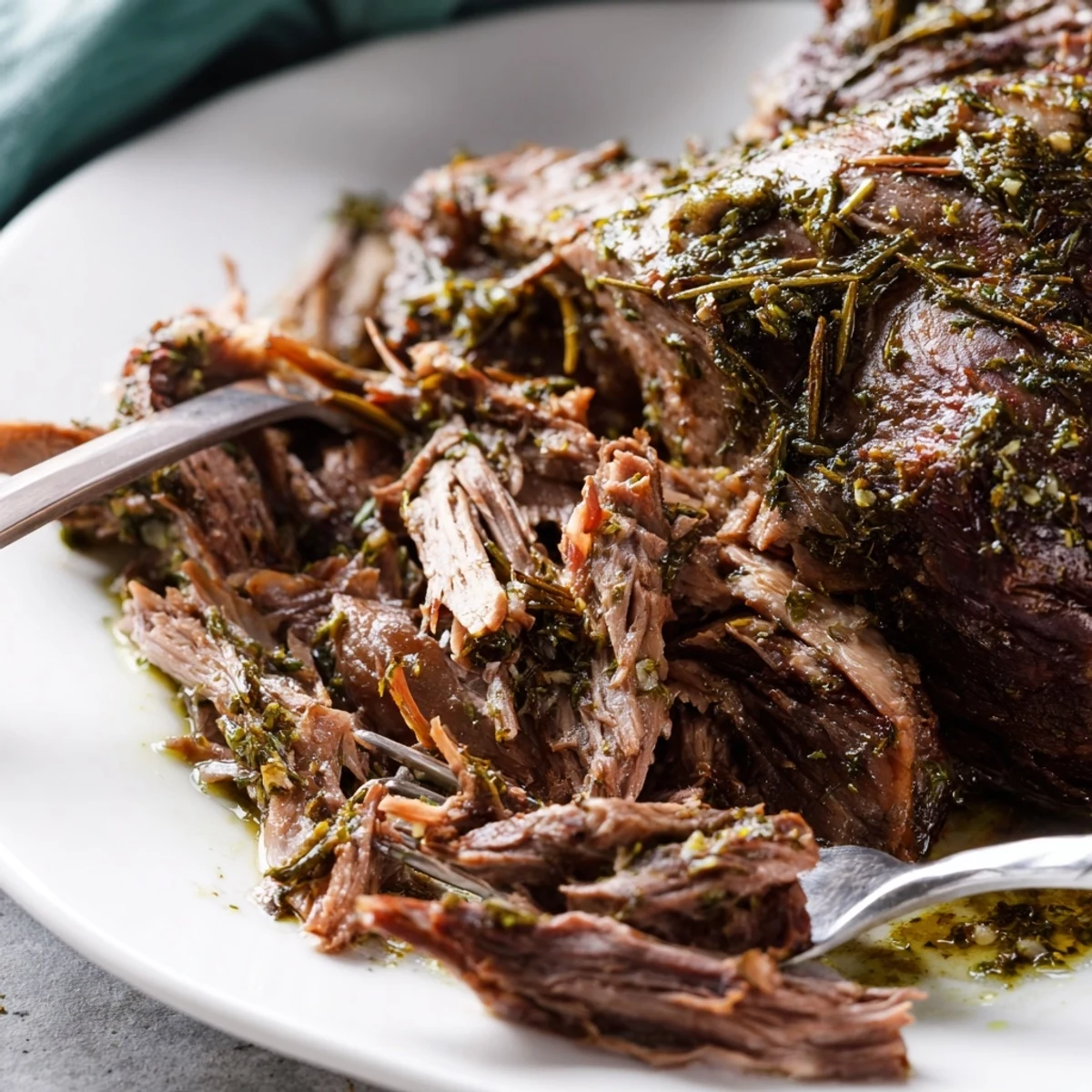
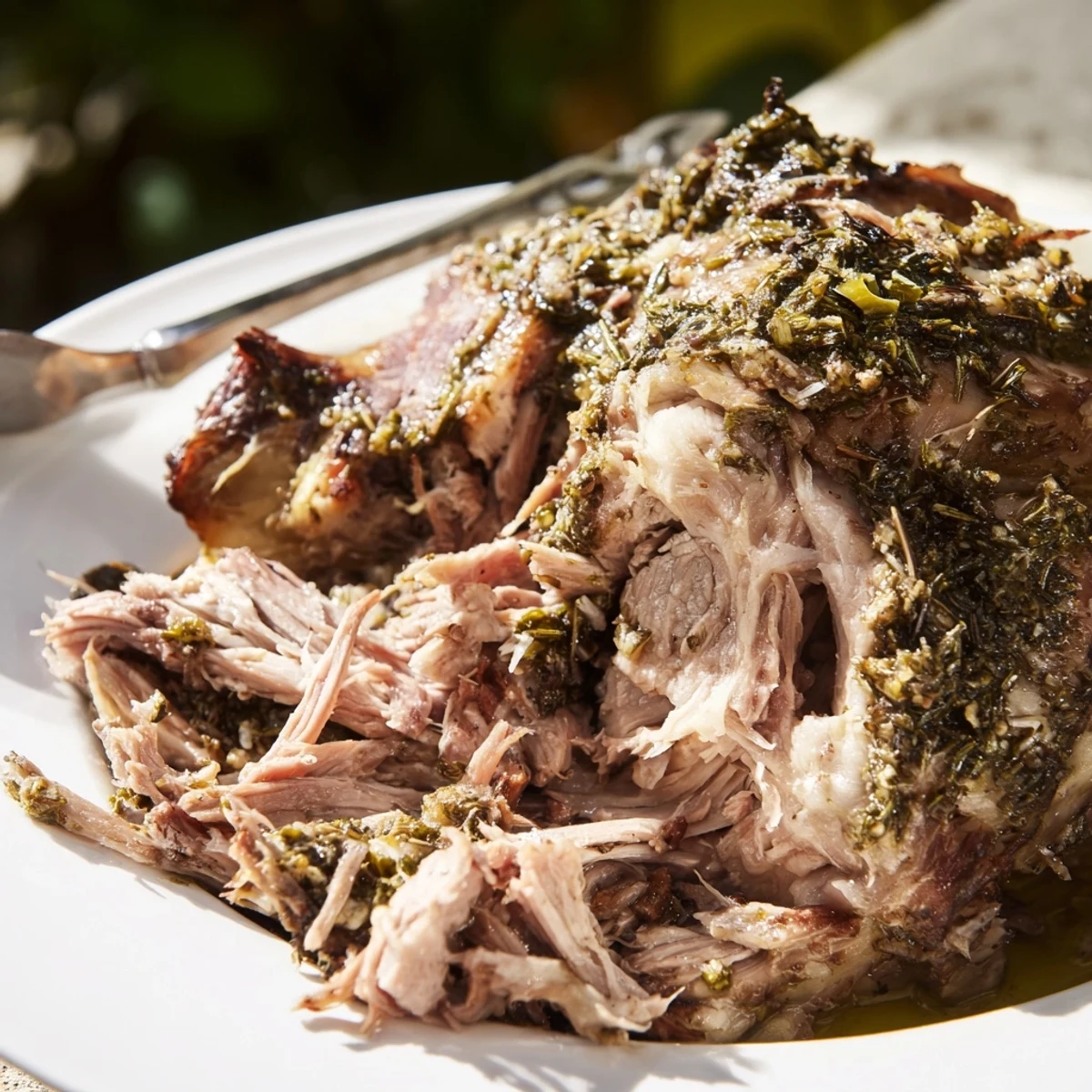
 This Mediterranean-style lamb shoulder transforms into meltingly tender meat after nearly five hours of slow cooking. A fragrant paste of garlic, rosemary, thyme, oregano, and lemon zest infuses every layer, while a bed of onions, carrots, and celery creates a savory base. White wine and stock create rich pan juices perfect for drizzling over the finished dish.
The smell of garlic and rosemary hitting hot fat still takes me back to my first tiny apartment kitchen, where I attempted this lamb on a Sunday afternoon and ended up with the most tender meat I'd ever made. My landlord actually knocked on my door to ask what I was cooking. That's when I knew this recipe was something special.
I made this for my father's birthday last spring, and he kept saying it reminded him of the roadside tavernas in Greece he visited thirty years ago. Watching him close his eyes and savor each bite made all those hours of slow cooking absolutely worth it.
Ingredients
- 1 (about 2.5 kg / 5.5 lb) bone-in lamb shoulder: Bone-in adds incredible depth to the sauce and keeps the meat moist during long cooking
- 1 tablespoon olive oil: Use this for searing to create those gorgeous browned bits that become flavor bombs
- Salt and freshly ground black pepper, to taste: Be generous here since this is your main seasoning
- 6 cloves garlic, peeled: Fresh garlic mellows beautifully into something sweet during slow cooking
- 2 tablespoons fresh rosemary leaves: Piney and resinous, rosemary stands up perfectly to lamb's richness
- 2 tablespoons fresh thyme leaves: Earthy and floral, thyme bridges the gap between meat and vegetables
- 1 tablespoon fresh oregano leaves (or 1 teaspoon dried): Bright and slightly peppery, oregano adds that Mediterranean sunshine
- Zest of 1 lemon: The essential oils cut through the fat and wake up your palate
- 2 tablespoons olive oil: This helps bind the herb paste into something spreadable
- 2 large onions, thickly sliced: These collapse into a sweet, jammy base for your sauce
- 3 carrots, cut into large chunks: Carrots add natural sweetness and color to the braising liquid
- 2 celery stalks, cut into large chunks: Celery provides a subtle aromatic backbone
- 1 cup (250 ml) dry white wine: White wine keeps the sauce bright instead of heavy
- 2 cups (500 ml) low-sodium chicken or lamb stock: This becomes your braising liquid and eventual sauce
Instructions
- Preheat your oven to 160°C (320°F):
- Getting the oven ready first means everything else flows smoothly without interruptions
- Season the lamb shoulder:
- Pat the meat completely dry with paper towels, then salt and pepper it like you mean it, hitting every surface
- Make the herb paste:
- Whirl the garlic, rosemary, thyme, oregano, lemon zest, and 2 tablespoons olive oil in a food processor until it becomes a fragrant, bright green paste
- Rub the lamb all over:
- Massage the herb paste into every crevice, really pressing it in so the flavors penetrate deep into the meat
- Sear the lamb:
- Heat 1 tablespoon olive oil in your roasting pan over medium-high heat, then brown the lamb on all sides until it's golden everywhere, about 5 to 7 minutes total
- Prepare the vegetable bed:
- Lift out the lamb temporarily, toss in the onions, carrots, and celery, then nestle the seared lamb right on top
- Add the liquid:
- Pour the wine and stock around the meat, letting it pool at the bottom without washing off your herb paste
- Cover and slow cook:
- Tent everything tightly with foil or pop on the lid, then slide it into the oven for 4 hours, basting whenever you remember
- Brown the meat:
- Remove the cover and cook for 30 more minutes so the lamb develops that gorgeous, caramelized exterior
- Rest before serving:
- Let the lamb sit loosely covered for 20 minutes so the juices redistribute instead of running out onto your cutting board
- Finish the sauce:
- Skim the fat off the pan juices, then serve the lamb alongside those softened vegetables with a generous ladle of sauce
 Save to Pinterest
 This recipe has become my answer to every dinner party invitation, and I've watched it turn skeptical lamb haters into believers. There's something deeply satisfying about serving a dish that looks impressive but basically cooks itself.
Making It Ahead
I often cook this lamb the day before I need it since the flavors actually improve overnight. The fat rises to the top in the refrigerator, making it incredibly easy to skim off before reheating.
Wine Pairing
A medium-bodied red like Grenache or Sangiovese won't overpower the meat but has enough fruitiness to complement those herbal notes. The same white wine you cook with works beautifully at the table too.
Serving Suggestions
Creamy mashed potatoes are classic for a reason, but I've also served this over polenta, couscous, or simply with crusty bread to mop up those incredible juices.
- A bright Greek salad with feta cuts through the richness perfectly
- Roasted potatoes with lemon and oregano echo the lamb's flavors
- Simple steamed green beans provide a fresh, crisp contrast
 Save to Pinterest
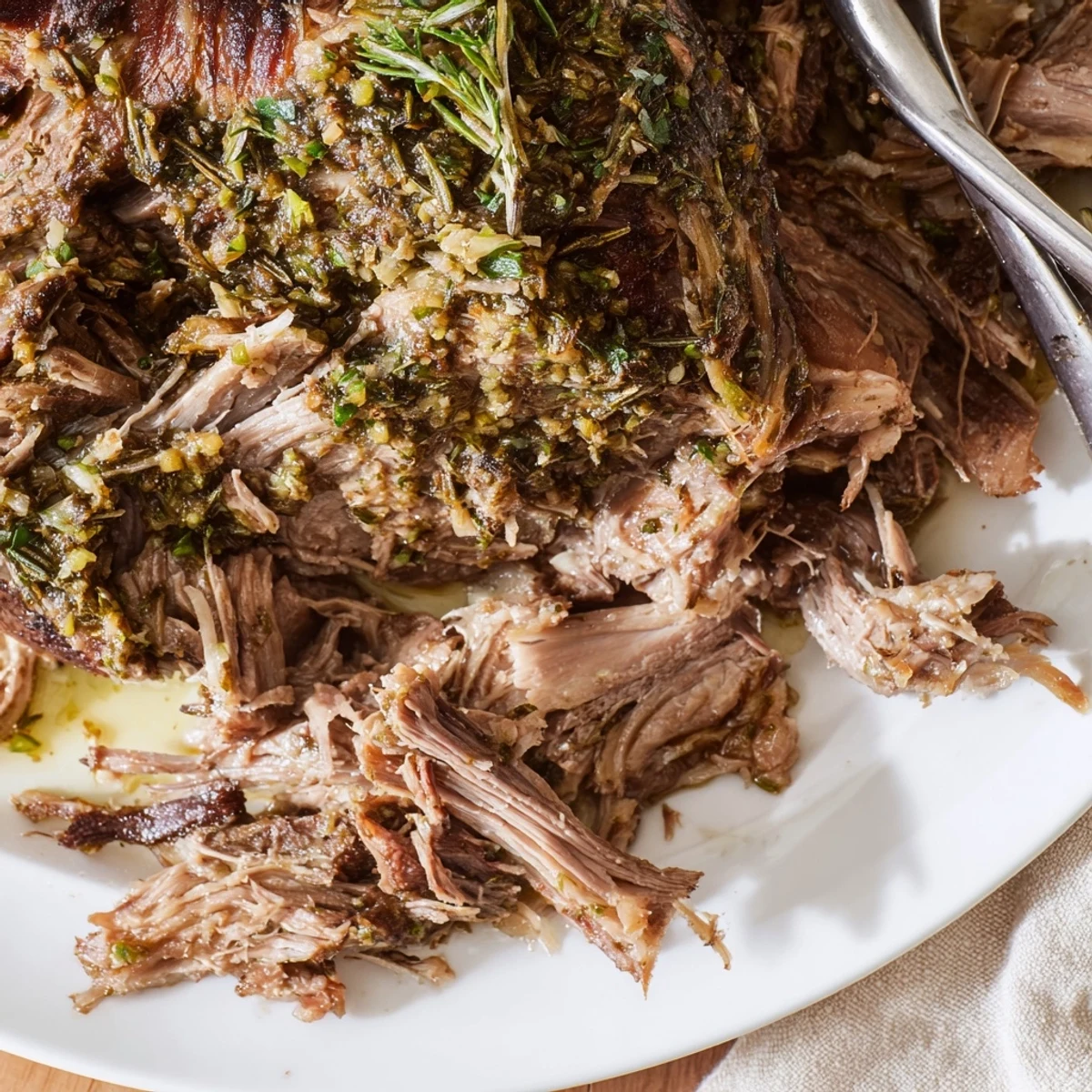
 This lamb turns an ordinary Sunday into something you'll remember, and the leftovers (if you have any) make the most incredible sandwiches you've ever tasted.
Recipe Help & Support
- → What cut of lamb works best for slow cooking?
-
Bone-in lamb shoulder is ideal because the connective tissue breaks down during long cooking, resulting in incredibly tender, succulent meat that falls off the bone.
- → Can I prepare this lamb shoulder ahead of time?
-
Yes, you can marinate the lamb with the herb paste overnight for deeper flavor. The cooked lamb also reheats beautifully and often tastes even better the next day.
- → What temperature should lamb be cooked to?
-
Slow-roasted lamb becomes tender around 160°F internally. The long cooking time ensures the meat is thoroughly cooked while remaining moist and easily shredded.
- → What sides pair well with this lamb?
-
Creamy mashed potatoes, roasted root vegetables, or crusty bread soak up the flavorful juices. Fresh salads with lemon dressing complement the rich meat beautifully.
- → Can I use red wine instead of white?
-
Absolutely. Red wine creates a deeper, more robust flavor profile that pairs wonderfully with lamb. Choose a dry red like Pinot Noir or Merlot.
- → How do I know when the lamb is done?
-
The lamb is ready when the meat pulls away easily from the bone with minimal effort. A fork should slide in and out without resistance, and the surface should be nicely browned.