
 Save to Pinterest
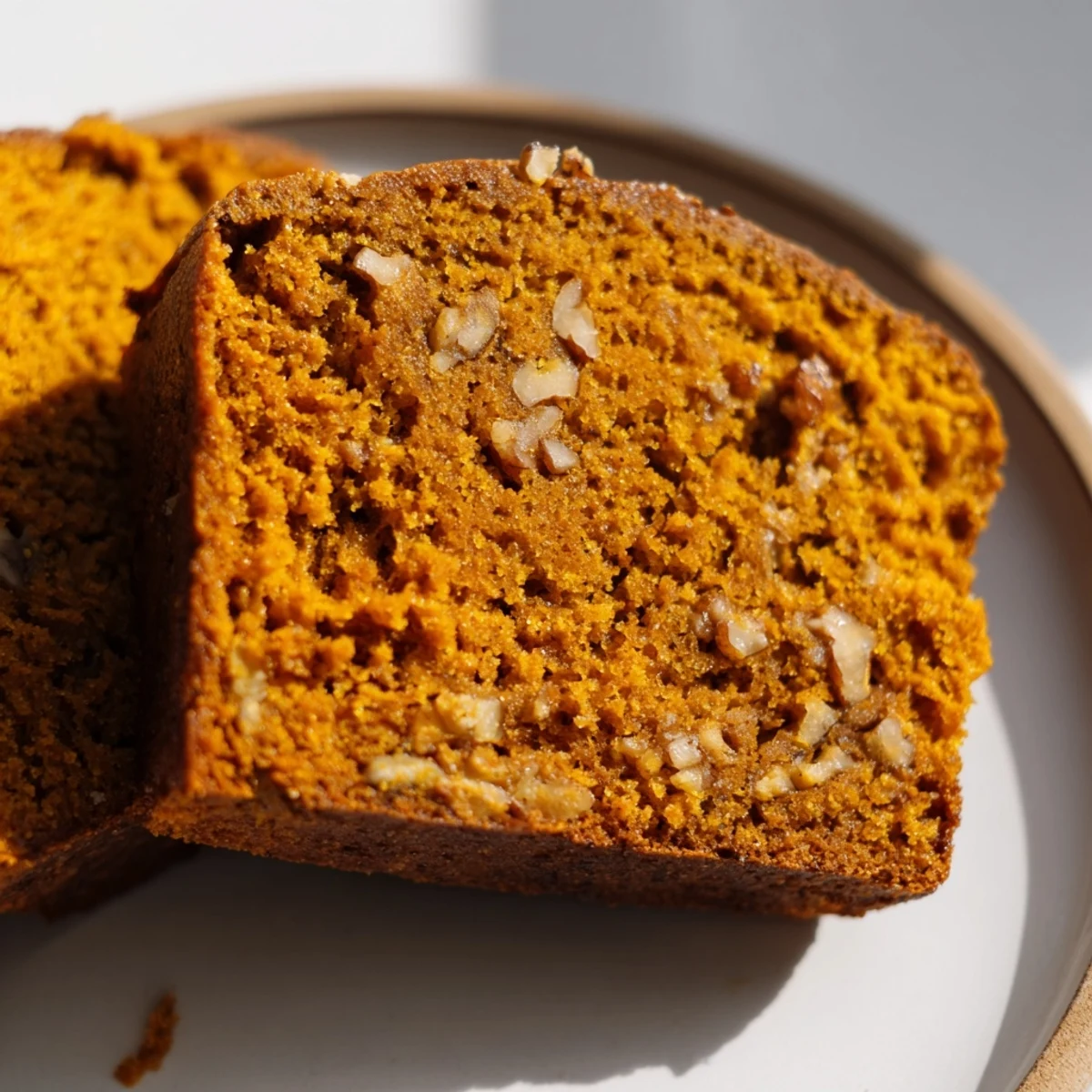
 This moist and fragrant bread features a blend of cinnamon, nutmeg, ginger, and cloves, combined with pumpkin purée and chopped walnuts for texture. The batter is gently mixed to maintain tenderness, then baked until golden with a tender crumb. Ideal for autumn breakfasts or snacks, it offers a comforting balance of warm spices and nutty crunch in every slice.
My kitchen filled with that amber-gold smell the moment I pulled this pumpkin bread from the oven—the kind of scent that makes people wander in asking what's baking. This recipe came together one October when I had half a can of pumpkin purée left over and decided to turn it into something worth making again. The secret is using real pumpkin, not the sweetened pie filling, which keeps it honest and lets those warm spices do their thing.
I made this for my book club last November, and it disappeared so quickly I barely got a slice for myself. My neighbor had never liked pumpkin anything until she tasted it warm with butter, and now she asks for the recipe every season. There's something about the combination of spices and that deep, genuine pumpkin flavor that converts skeptics.
Ingredients
- All-purpose flour (2 cups): The foundation—make sure it's measured by spooning and leveling, not scooping straight from the bag, or you'll end up with a dense loaf.
- Pumpkin purée (1 1/2 cups): This must be pure pumpkin, not pumpkin pie filling, which already has sugar and spices that will throw off the balance.
- Baking soda (1 teaspoon) and baking powder (1/2 teaspoon): The partnership that gives the bread its tender crumb and gentle rise.
- Ground cinnamon, nutmeg, ginger, and cloves (1 teaspoon, 1/2 teaspoon, 1/2 teaspoon, 1/4 teaspoon): Buy these fresh if you can—old spices won't give you that warm, complex flavor that makes people ask what the secret ingredient is.
- Granulated and brown sugars (1 cup and 1/2 cup): The combination keeps things moist while adding depth that plain white sugar can't.
- Vegetable oil (1/2 cup) and milk (1/4 cup): Oil keeps the bread tender; milk adds a subtle richness.
- Eggs (2 large) and vanilla extract (1 teaspoon): These bind everything together and bring out the other flavors.
- Chopped walnuts (3/4 cup): Toast them lightly first if you want them to taste more prominent, though I usually skip this step because the oven does enough for them.
Instructions
- Get your oven ready and prep the pan:
- Heat the oven to 350°F and line a 9x5-inch loaf pan with parchment paper, leaving some hanging over the sides so you can lift the cooled bread out easily. A little grease on the pan never hurt either.
- Blend your dry ingredients:
- Whisk together the flour, baking soda, baking powder, salt, and all those gorgeous spices in a medium bowl. This distributes everything evenly so you won't bite into a pocket of cinnamon.
- Combine the wet ingredients until smooth:
- In a larger bowl, whisk the pumpkin, eggs, oil, milk, both sugars, and vanilla until you have one cohesive, smooth mixture. You want it completely blended—no streaks of white egg or patches of unmixed oil.
- Marry wet and dry with a gentle hand:
- Pour the dry mixture into the wet ingredients and fold everything together with a spatula, stirring just until you no longer see flour streaks. Stop the moment the batter comes together—overmixing develops gluten and makes the bread tough instead of tender.
- Scatter in the walnuts:
- Fold the chopped walnuts into the batter so they're distributed throughout, giving you little pockets of crunch in every slice.
- Transfer to the pan and bake:
- Pour the batter into your prepared pan and smooth the top gently with a spatula. Bake for 50 to 60 minutes until a toothpick inserted in the center comes out clean or with just a few moist crumbs clinging to it.
- Cool with patience:
- Let the bread rest in the pan for 10 minutes so it firms up enough to handle, then turn it out onto a wire rack to cool completely. I know it's hard to wait, but slicing warm bread will crumble it into beautiful but messy pieces.
 Save to Pinterest
 There's a moment right after you pull the bread from the oven when the spices are still blooming in the heat, and your whole kitchen smells like comfort. That's when I know I've done it right, when the bread has become more than breakfast—it's become an invitation to sit down and stay awhile.
Keeping It Moist
The combination of oil and pumpkin purée is what keeps this bread so tender even after days have passed. Unlike butter-based breads that can dry out, the moisture in this loaf holds steady through the week. Wrap it well in plastic wrap or aluminum foil at room temperature, and you'll have perfect slices all the way through the third day.
Flavor Variations and Add-Ins
While the spiced walnut version is my favorite, I've learned that this base is incredibly forgiving. Chocolate chips stirred into the batter add richness, dried cranberries bring a tart surprise, and pecans are a worthy substitute if you have them on hand. I've even made it with a handful of dark chocolate chips and a few dried cranberries at the same time, and that combination is something special.
Making It Your Own
This recipe teaches you how to balance moisture in baking, how the right spices can turn simple ingredients into something memorable, and how to trust your instincts when something looks right. The pumpkin bread is forgiving enough for beginners but interesting enough to make again and again, finding little tweaks that make it yours.
- Let the bread cool completely before slicing to avoid crumbles and to let the flavors settle and deepen.
- If you're gifting it, freeze it first—it actually travels better when frozen and thaws into an even more moist loaf.
- Double the recipe and freeze one loaf; future you will be so grateful on a regular morning when this is suddenly available.
 Save to Pinterest
 This pumpkin bread has become the thing I make when I want my home to smell like a season, or when I need to remind myself that the simplest ingredients, treated with a little care, can become something that people remember.
Recipe Help & Support
- → What spices are used in this pumpkin bread?
-
The bread features cinnamon, nutmeg, ginger, and cloves to provide a warm and aromatic flavor profile.
- → Can walnuts be substituted with other nuts?
-
Yes, pecans or other tree nuts can be used as alternatives to walnuts for a different texture and taste.
- → How long does it take to prepare and bake the bread?
-
Preparation takes about 15 minutes, with baking time around 55 minutes, totaling approximately 1 hour and 10 minutes.
- → How should the bread be stored for freshness?
-
Wrap the cooled loaf tightly and store at room temperature for up to 3 days or freeze for up to 2 months.
- → Can dairy milk be substituted in the batter?
-
Vegetable oil is used, but milk can be dairy or plant-based according to preference or dietary needs.