
 Save to Pinterest
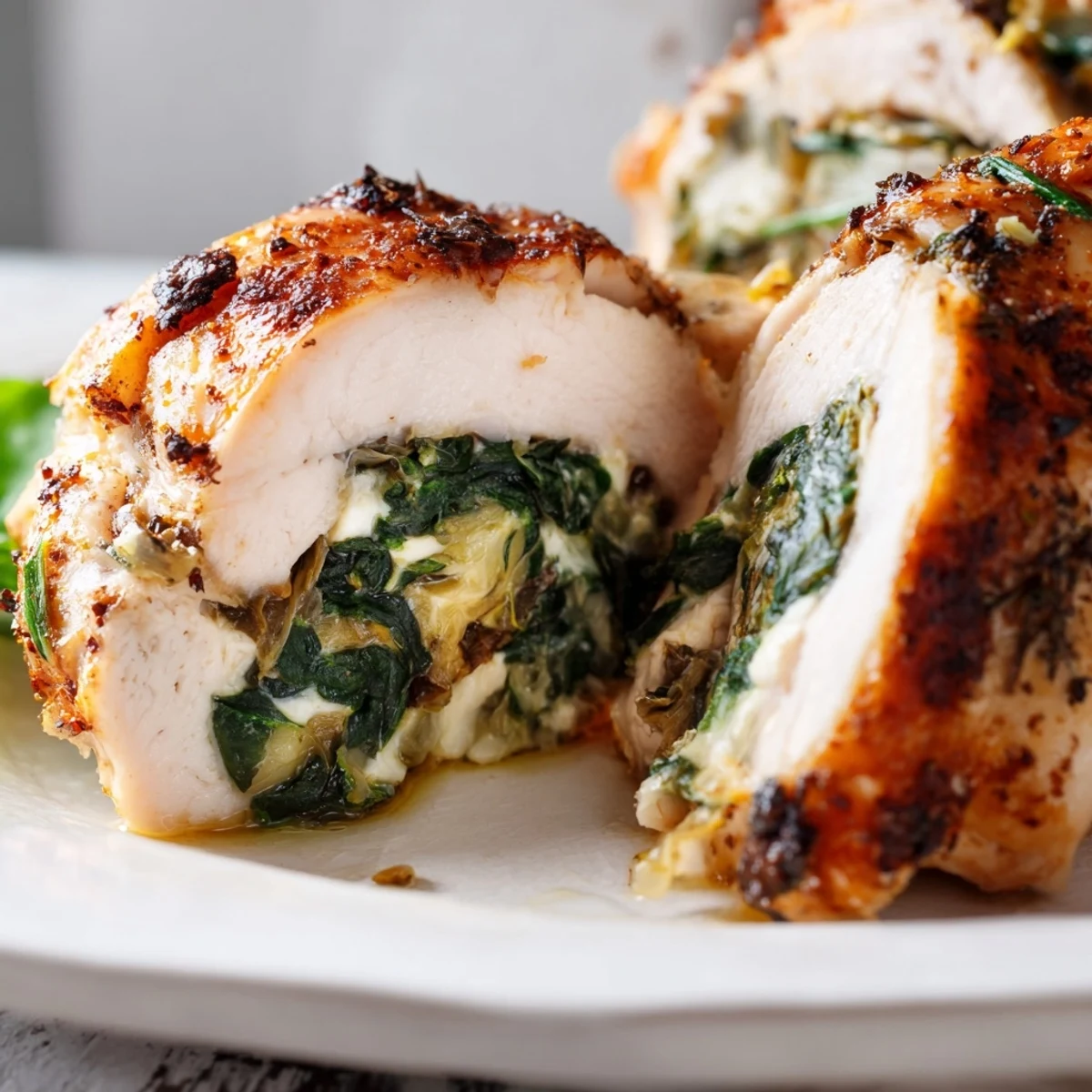
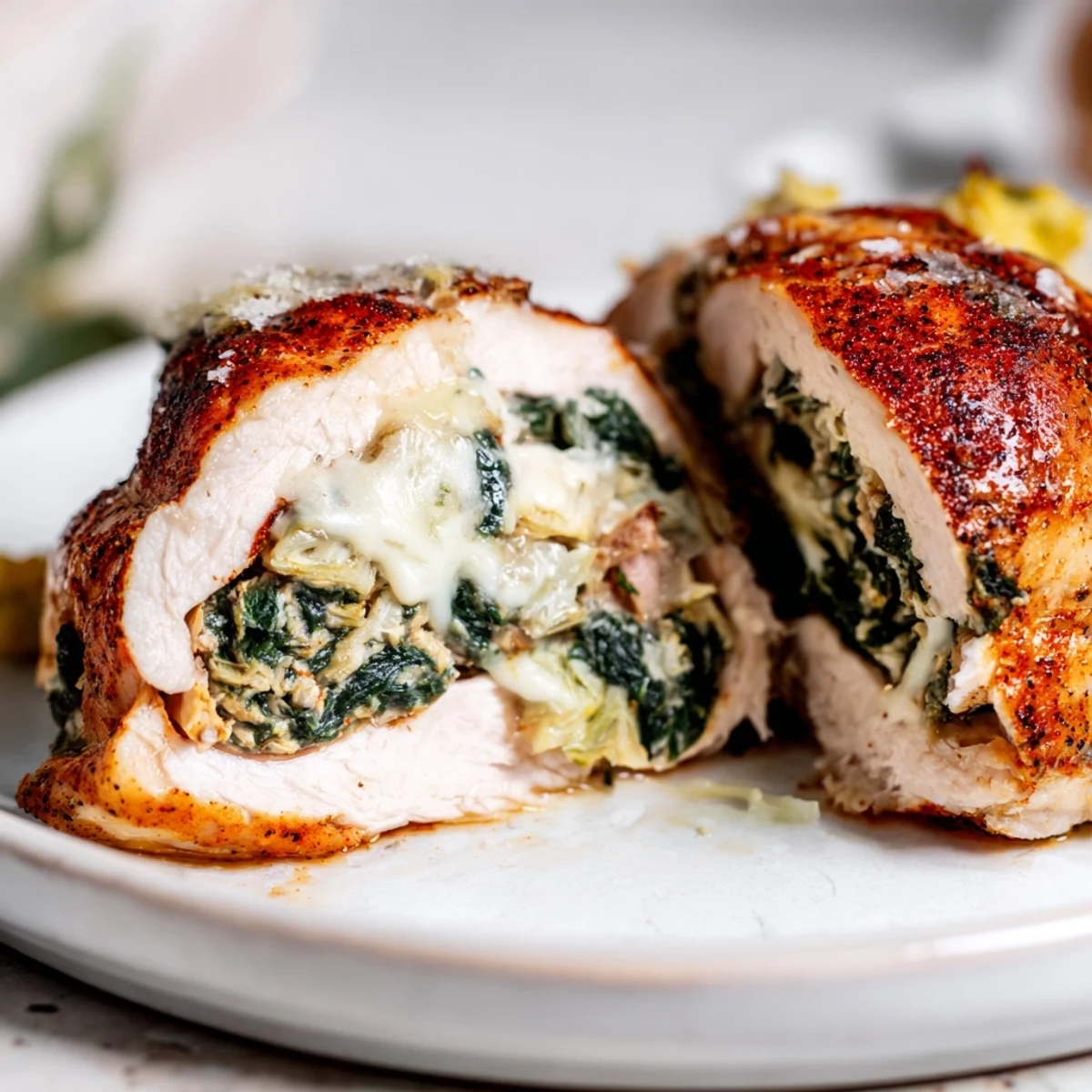
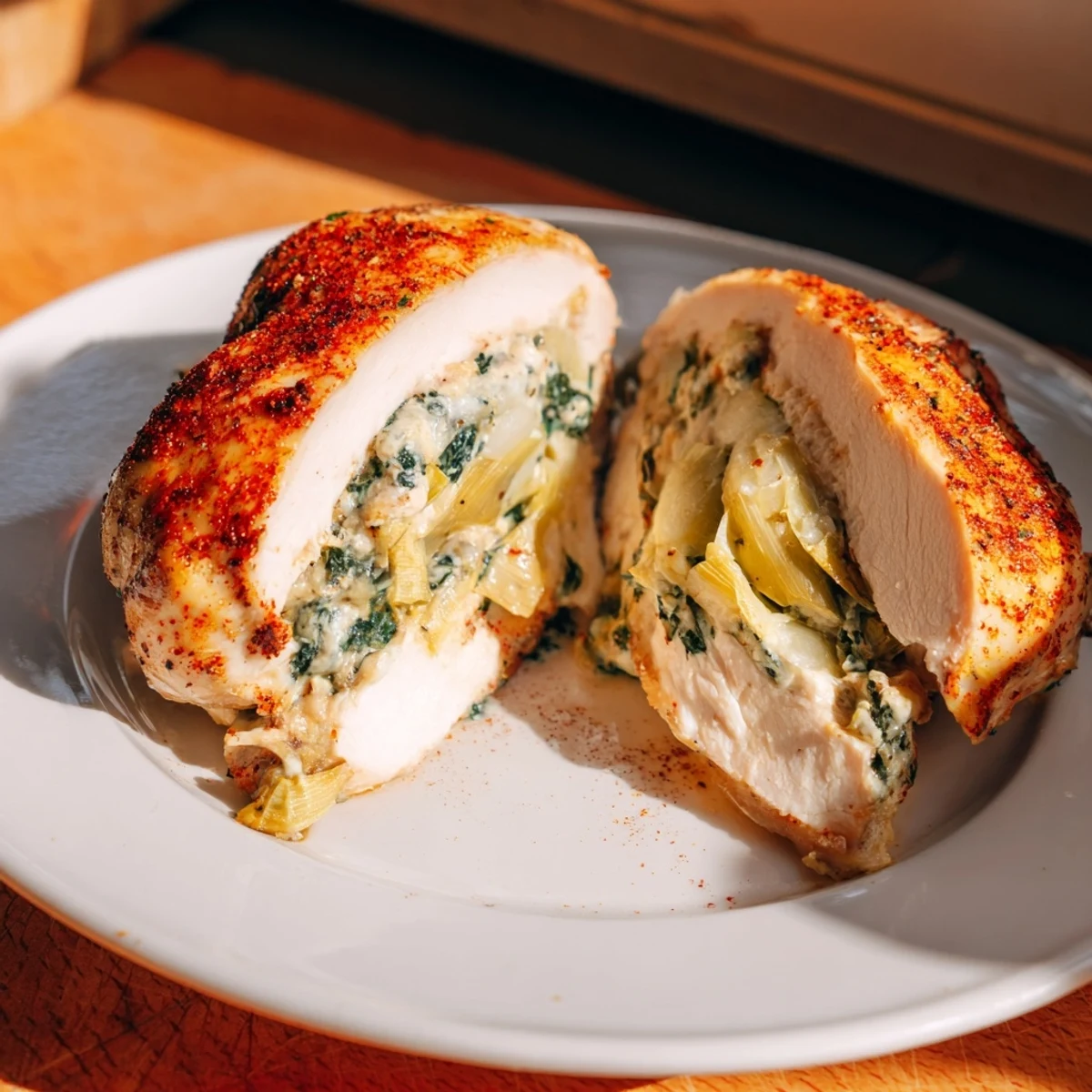
 Succulent chicken breasts butterflied and filled with a rich, savory mixture of fresh spinach, artichoke hearts, cream cheese, and three-cheese blend. Seared in a skillet then finished in the oven until perfectly cooked through. This impressive yet approachable dish combines restaurant-quality presentation with home-cooking comfort.
I discovered this stuffed chicken recipe during a dinner party disaster where my main course fell through at the last minute. Rummaging through my fridge, I found chicken breasts, a tub of cream cheese, and some wilting spinach—desperate improvisation that turned into a happy accident. The combination of creamy filling oozing from perfectly cooked chicken had my friends asking for the recipe I'd just invented on the spot.
Last winter, I made this for my parents when they visited on a particularly cold evening. My dad, who typically reaches for seconds of anything with potatoes, instead went back for another stuffed chicken breast, declaring it restaurant-quality as he wiped a bit of cheese from the corner of his mouth. The kitchen was warm with conversation and comfort food, a perfect shelter against the snow falling outside.
Ingredients
- Boneless, skinless chicken breasts: Look for pieces roughly the same size so they cook evenly, and contrary to what I first thought, slightly thicker breasts actually work better for creating pockets without tearing.
- Cream cheese: The backbone of our filling, I learned that bringing it to room temperature first makes all the difference in achieving that perfectly smooth, blendable consistency.
- Artichoke hearts: After experimenting with various brands, I found that marinated ones add an extra dimension of flavor, though be sure to drain them well to prevent a watery filling.
- Fresh spinach: Chop it finely for even distribution throughout the filling, and I always give it a quick squeeze to remove excess moisture that might make the filling runny.
Instructions
- Create the perfect pocket:
- Hold your knife parallel to the cutting board and slice into the thickest part of the breast, creating a deep pocket without cutting all the way through. Think of it like making a book with a chicken cover and cheese filling as the pages.
- Mix your creamy filling:
- Combine the softened cream cheese, chopped spinach, artichoke hearts, and cheeses in a bowl until it looks like something you'd happily eat with a spoon. The garlic and red pepper flakes should be evenly distributed throughout.
- Stuff with care:
- Use a spoon to fill each pocket generously, then secure with toothpicks placed horizontally to keep all that goodness from escaping. Press the edges together slightly to create a seal.
- Achieve the perfect sear:
- When the chicken hits the hot oil, you should hear a satisfying sizzle that promises golden edges. Let it develop that crust undisturbed for the full 2-3 minutes before flipping.
- Bake to juicy perfection:
- Transfer to the oven where the magic happens as the chicken cooks through while the filling becomes melty and cohesive. Your kitchen will fill with an aroma that makes waiting those 20 minutes nearly impossible.
 Save to Pinterest
 My neighbor Sarah stopped by unexpectedly just as I was pulling these stuffed chicken breasts from the oven. The conversation drifted from casual catch-up to appreciative silence as we sat at my kitchen island, forks in hand. Sometimes food does what words cannot, creating connection in the shared experience of a simple, satisfying meal.
Making It Ahead
One busy Thursday, I prepared the entire dish in the morning, refrigerated the stuffed but uncooked chicken, and simply popped it in the oven that evening. The filling had time to infuse the chicken with flavor, and the result was even better than my usual rush job. Just add about 5 extra minutes to the baking time if cooking from refrigerated.
Perfect Pairings
Through multiple dinner parties featuring this chicken, I discovered that a simple arugula salad dressed with lemon vinaigrette creates the perfect counterpoint to the richness of the dish. The bright acidity cuts through the creaminess, cleansing your palate between bites. For wine lovers, a crisp Sauvignon Blanc stands up beautifully to the garlic and cheese components without overwhelming the delicate artichoke notes.
Troubleshooting Tips
After making this recipe at least a dozen times, I can spot potential issues before they happen. The biggest challenge tends to be uneven cooking, especially if your chicken breasts vary in thickness.
- If your filling seems too loose, refrigerate it for 15 minutes before stuffing to help it hold its shape better during cooking.
- For chicken breasts of varying sizes, you can butterfly the larger ones to create more even thickness throughout your batch.
- Always rest the chicken for the full 5 minutes after baking, which allows the juices to redistribute and the filling to set slightly, making for cleaner slices.
 Save to Pinterest
 This stuffed chicken has earned its place in my regular rotation, a dish that feels special without requiring special occasion effort. Whenever I make it, I remember that some of the best things come from simple ingredients and a moment of kitchen creativity.
Recipe Help & Support
- → How do I prevent the chicken from drying out?
-
Don't overcook the chicken. Use a meat thermometer to check that the internal temperature reaches 165°F (74°C). Resting the chicken for 5 minutes after baking allows juices to redistribute, keeping the meat moist and tender.
- → Can I prepare this ahead of time?
-
Yes. You can stuff the chicken breasts up to 4 hours in advance and refrigerate them covered. Increase baking time by 5-10 minutes if cooking from cold. You can also freeze stuffed chicken for up to 3 months.
- → What should I serve alongside this dish?
-
This pairs beautifully with roasted vegetables like Brussels sprouts or asparagus, garlic mashed potatoes, or a fresh green salad. A crisp Sauvignon Blanc complements the creamy filling perfectly.
- → Can I use frozen spinach instead of fresh?
-
Absolutely. Thaw frozen spinach completely and squeeze out excess moisture using a clean kitchen towel. This prevents the filling from becoming too watery and maintains the proper texture.
- → How thick should I cut the pocket in the chicken?
-
Cut a pocket about two-thirds of the way through each breast, leaving the sides and bottom intact. This creates maximum space for filling while keeping the chicken intact during cooking.
- → What if I don't have an oven-safe skillet?
-
After searing the chicken in a regular skillet, transfer it to a prepared baking dish before placing it in the oven. This works just as well and achieves the same golden, flavorful crust.