
 Save to Pinterest
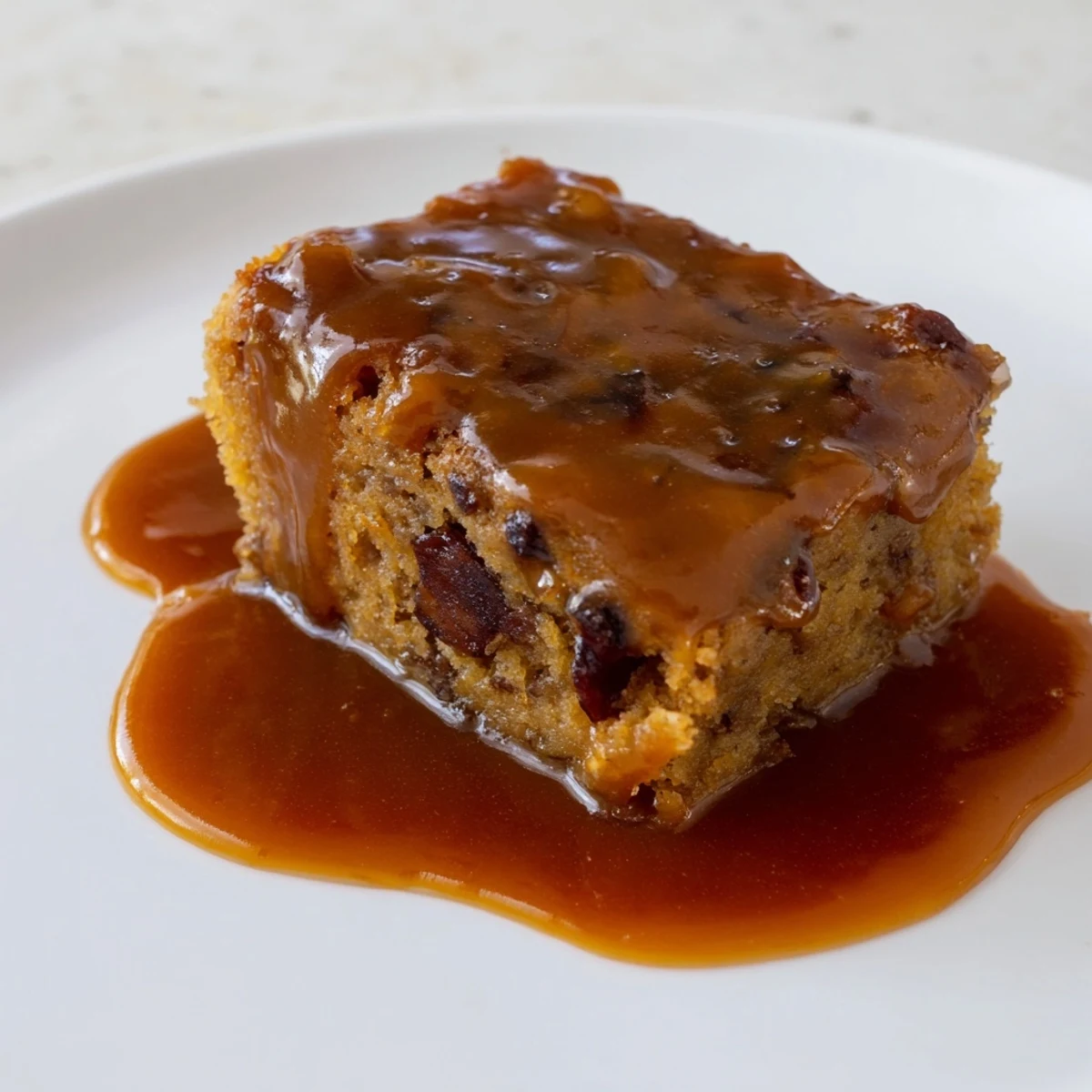
 Sticky Toffee Pudding is a beloved British dessert featuring a moist date sponge soaked in a luscious, sticky toffee sauce. The cake combines chopped dates softened in boiling water with a rich batter of butter, sugar, and vanilla, baked to golden perfection. A decadent toffee sauce made from brown sugar, butter, and cream is poured over the warm pudding allowing it to soak deeply, creating a satisfying balance of sweetness and texture. Serve it warm with ice cream or whipped cream for an indulgent treat.
There's something deeply comforting about sticky toffee pudding—that first time I made it, the kitchen filled with the most incredible aroma of caramelized sugar and dates, and I realized this wasn't just dessert, it was pure comfort in a dish. My family gathered around the table with these eager, anticipatory faces, and when that warm toffee sauce soaked through the moist sponge, I knew I'd discovered something special that would become a regular request in our home.
I remember the first time I brought this to a potluck—people actually put their forks down mid-conversation to focus entirely on the plate in front of them. That's when I knew this recipe was something worth mastering and sharing.
Ingredients
- Pitted dates, chopped (225 g): These are the soul of this pudding—they dissolve into the batter creating natural sweetness and moisture. I always chop them myself rather than buying pre-chopped, as they stay fresher and blend better into the batter
- Boiling water (250 ml): This plumps the dates and creates the perfect texture. Don't skip the boiling step—room temperature water just won't do the job
- Baking soda (1 tsp): This is the secret ingredient that makes the dates soften quickly and adds a subtle depth to the flavor
- Unsalted butter, softened (85 g): Room temperature is crucial here—cold butter won't cream properly and you'll lose that light, fluffy texture
- Light brown sugar (150 g): The molasses in brown sugar adds warmth and depth that white sugar simply can't match
- Large eggs (2): Room temperature eggs incorporate better and create a more tender crumb. Take them out of the fridge 20 minutes before baking
- Vanilla extract (1 tsp): Use pure vanilla—the imitation stuff creates a chemical aftertaste that fights against the delicate date flavor
- Self-raising flour (175 g): Make sure this is fresh; old flour can affect rise and texture more than you'd expect
- Salt (½ tsp): This tiny amount amplifies the toffee notes and balances the sweetness beautifully
- Light brown sugar for sauce (200 g): More brown sugar here creates that rich, deep toffee color and flavor
- Unsalted butter for sauce (100 g): The butter is what transforms simple caramel into luxurious toffee
- Double cream (250 ml): This is the magic that makes the sauce silky and prevents it from becoming grainy or hard
- Vanilla extract for sauce (1 tsp): Added at the end to preserve its delicate flavor
- Salt pinch: Just a whisper to enhance the toffee complexity
Instructions
- Get Everything Ready:
- Start by preheating your oven to 180°C (350°F). Grab a 20 cm square baking dish and give it a generous grease with butter, making sure you get into all the corners. This is also the moment to measure out all your ingredients—having everything prepared and within arm's reach makes the actual baking process feel effortless rather than frantic.
- Wake Up the Dates:
- Chop your dates into rough pieces and place them in a bowl. Pour the boiling water over them and add the baking soda—you'll notice the mixture foam slightly, which is exactly what you want. This soaking transforms hard, chewy dates into soft, almost creamy morsels that will eventually disappear into your pudding, adding moisture and natural sweetness. Set a timer for 10 minutes and let this magic happen.
- Build Your Base:
- In a large bowl, beat together the softened butter and light brown sugar. This should take about 3 minutes with an electric mixer, or 5 minutes if you're using a whisk. You're looking for a pale, fluffy mixture that's noticeably lighter in color than what you started with. This creaming step is where air gets incorporated, which will make your pudding tender rather than dense.
- Bring in the Eggs:
- Add your room-temperature eggs one at a time, beating well after each addition. The mixture might look slightly curdled after the first egg—this is normal and will come together. Make sure each egg is fully incorporated before adding the next one, then stir in the vanilla extract.
- The Gentle Fold:
- Sift the flour and salt together, then fold them gently into your batter with a spatula. Use a folding motion rather than vigorous stirring—you're trying to maintain all that lovely air you just incorporated. The batter should come together smoothly without any visible flour streaks.
- Marry the Date Mixture:
- Now stir in your softened dates along with every bit of that soaking liquid. This isn't the moment to hold back—the liquid is what's going to keep your pudding moist and give it that characteristic sticky texture. Stir until the batter is smooth and the dates are evenly distributed.
- Into the Oven:
- Pour the batter into your prepared baking dish and smooth the top with a spatula. Place it in the center of your preheated oven and bake for 35 to 40 minutes. You're looking for a skewer inserted into the center that comes out clean or with just a few moist crumbs clinging to it—not wet batter, but not completely dry either.
- The Toffee Transformation:
- While the pudding bakes, make your sauce. In a saucepan over medium heat, combine the brown sugar, butter, and double cream. Stir constantly as the sugar dissolves and the butter melts. You'll see the mixture transform from grainy and pale to smooth and amber-colored. Once it reaches a gentle simmer, let it bubble away for 4 to 5 minutes—it'll thicken slightly and deepen in color. Remove from heat, stir in the vanilla and salt, and taste it. That moment when the flavor comes alive is why people request this dessert again and again.
- The Crucial Soaking Step:
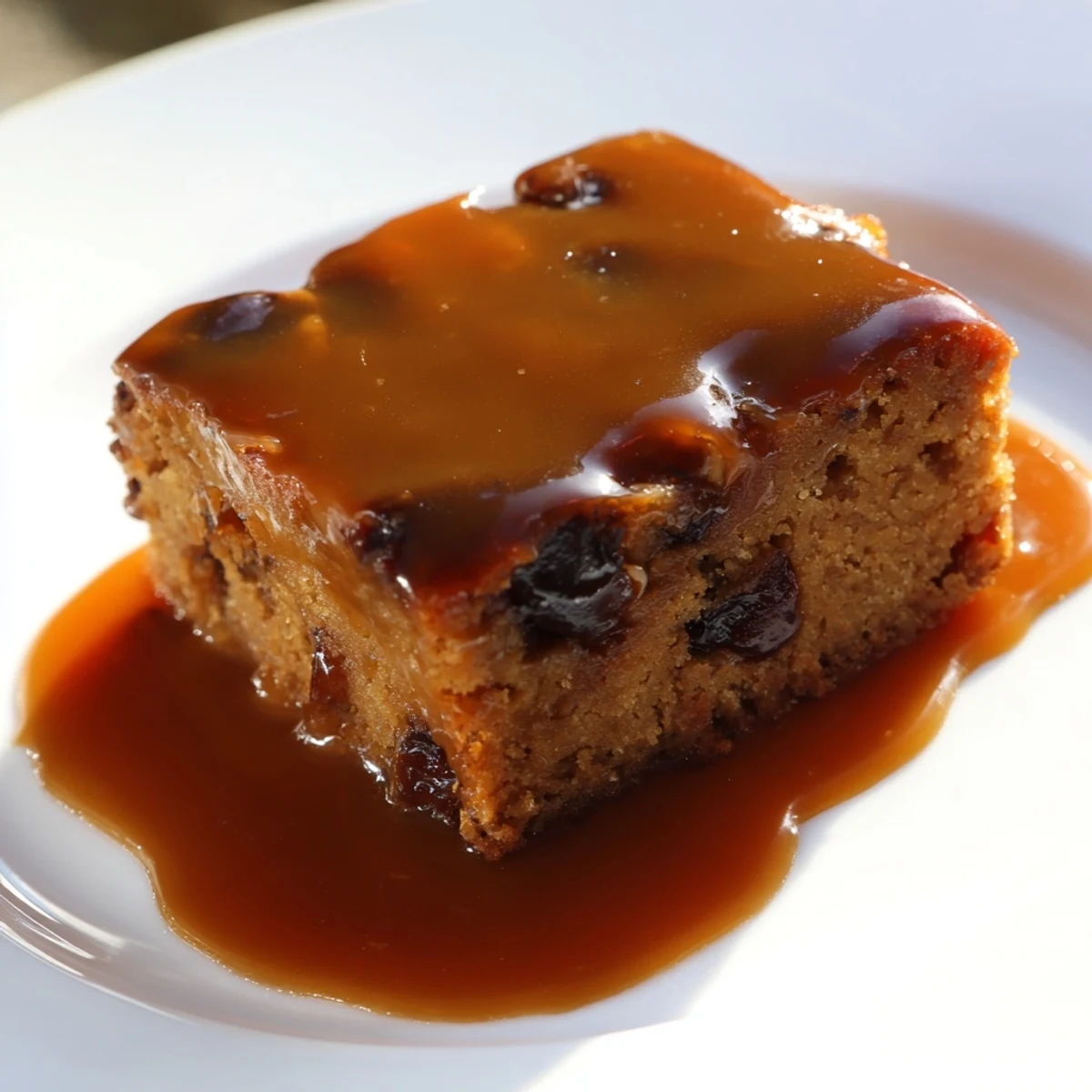
- As soon as your pudding comes out of the oven, take a skewer and poke holes all over the top—don't be shy, make dozens of little pockets that will trap the toffee sauce. Pour half of your warm sauce over the entire surface and let it soak in for a full 10 minutes. This is when the pudding transforms from good to extraordinary, as the sauce seeps into every crevice.
- Serve with Warmth:
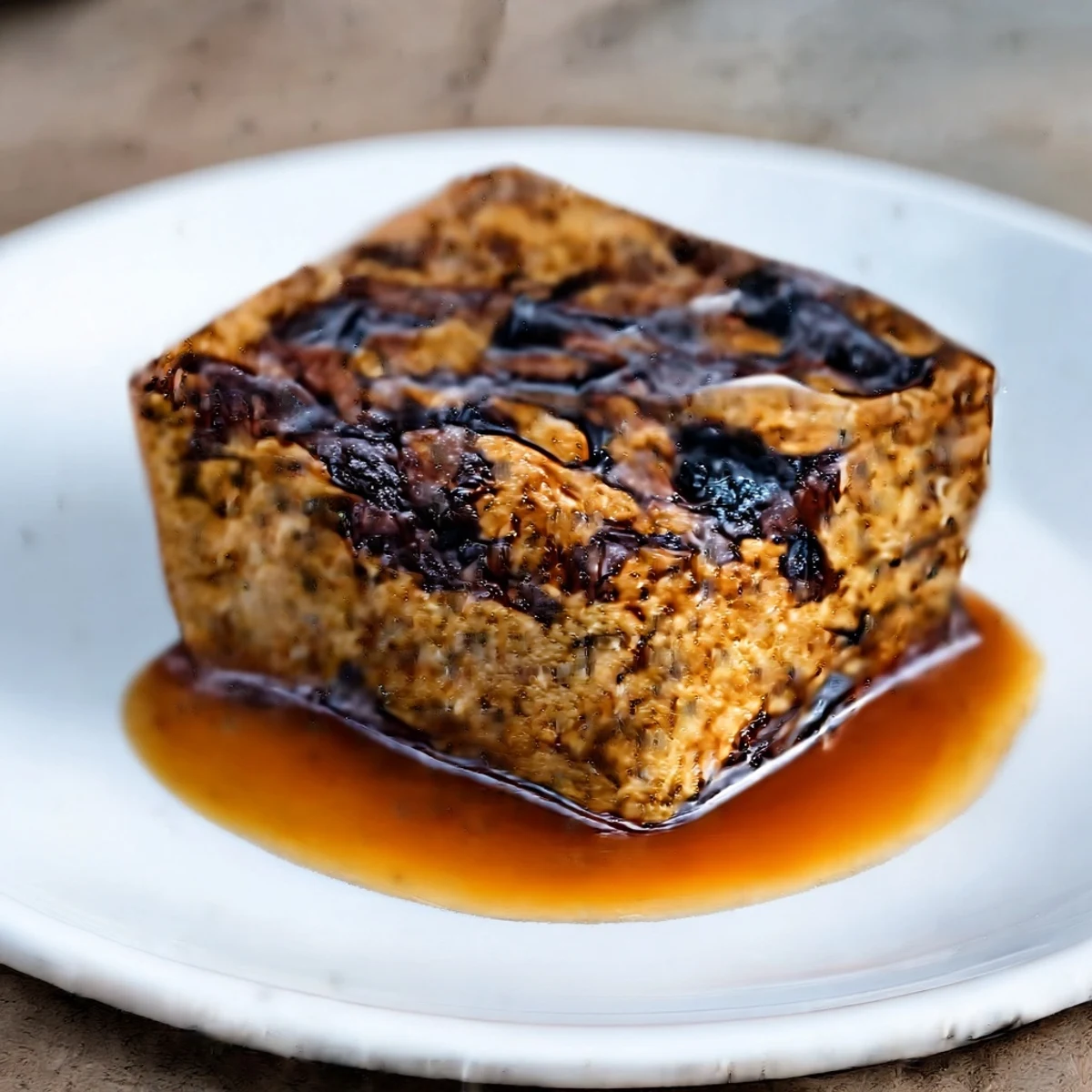
- Place a slice of pudding on a plate, drizzle with the remaining toffee sauce, and serve immediately while everything is still warm. The contrast between the warm pudding and cool ice cream or whipped cream is where this dessert truly shines.
 Save to Pinterest
 There's a particular moment that happens every time I serve this—when someone takes the first bite and their eyes close for just a second, like they're genuinely surprised by how good it is. That moment never gets old, and it's why this recipe has earned its permanent place in my rotation of special desserts.
Making It Ahead for the Freezer
The unbaked pudding batter can be prepared up to 24 hours ahead and stored in the refrigerator, which means the hardest part of your day is already done. On serving day, simply add 3 to 5 minutes to the baking time if baking straight from cold. The toffee sauce should always be made fresh the same day—it's too easy and too quick to make ahead anyway, and the warm sauce over a freshly baked pudding is non-negotiable.
Adapting Through the Seasons
While this recipe is perfect as written year-round, there are subtle ways to play with it depending on what time of year you're baking. In colder months, the richness and warmth feel essential; in summer, serving it with ice cream that's just slightly softer than usual lets the pudding shine without the contrast feeling too extreme. Some seasons call for a sprinkle of fleur de sel on top to heighten the toffee notes, and that's always a welcome addition.
When You're Missing Something
Missing an ingredient doesn't have to derail this recipe—there are thoughtful substitutions that work beautifully. If you don't have self-raising flour, you can use all-purpose flour mixed with 1 and a half teaspoons of baking powder and a pinch of salt per 150 g of flour. For a dairy-free version that still tastes indulgent, swap the butter for plant-based margarine and use coconut cream instead of double cream in the sauce—the pudding stays moist and the sauce becomes rich with coconut's subtle sweetness.
- If dates are impossible to find, finely chopped dried figs or even ground almonds mixed with extra sugar can approximate the moisture and texture you're after
- No vanilla extract? A drop of almond extract or even a tiny pinch of nutmeg adds complexity that works in its own way
- Can't find double cream? Whipped cream stirred into the cooled sauce creates a lighter texture that's actually quite lovely, though you'll lose some of that deep richness
 Save to Pinterest
 This recipe has become my go-to for moments when I want to feel like I'm giving people something genuinely special, and the beautiful truth is that it's easier than it looks. Bake it tonight, and you'll understand why sticky toffee pudding has remained a beloved classic for generations.
Recipe Help & Support
- → What gives the pudding its moist texture?
-
The chopped dates soaked in boiling water release natural sweetness and moisture, keeping the sponge tender and soft.
- → How is the toffee sauce made?
-
The sauce is prepared by gently simmering brown sugar, butter, and cream until thickened, then flavored with vanilla and a pinch of salt.
- → Can this dish be made dairy-free?
-
Yes, substitute butter with plant-based margarine and use coconut cream instead of dairy cream to keep it dairy-free.
- → What’s the best way to serve this dessert?
-
Serve warm with vanilla ice cream or whipped cream for extra indulgence, and optionally add toasted nuts on top for texture.
- → How do you know when the pudding is fully baked?
-
Insert a skewer into the center; it should come out clean when the pudding is done baking.