
 Save to Pinterest
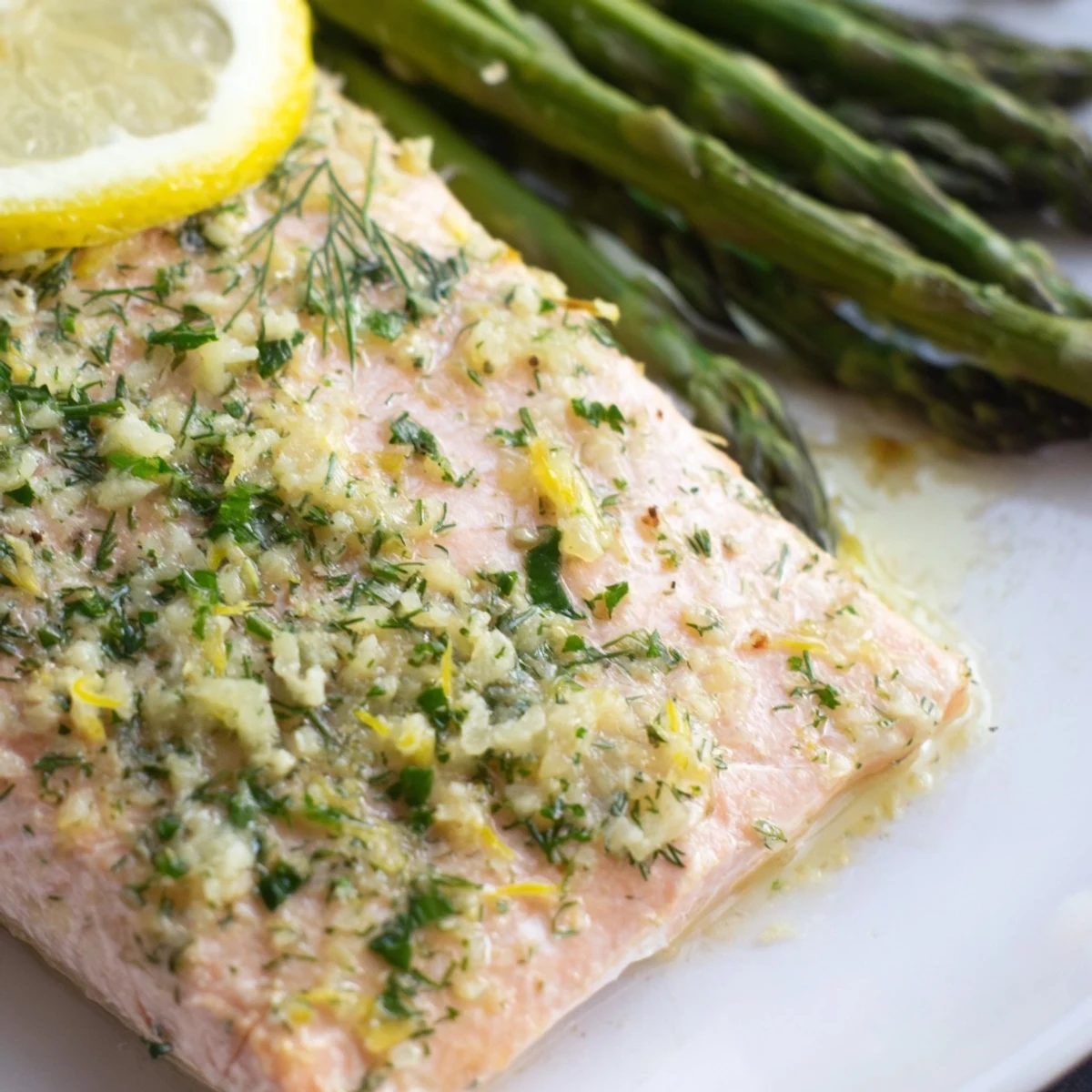
 Bake skinless salmon fillets and trimmed asparagus together on a sheet pan. Whisk melted butter with fresh lemon juice, zest, minced garlic, and herbs. Drizzle this zesty sauce over the fish, then roast until the salmon flakes easily and the vegetables are tender. Serve with fresh parsley and lemon slices for a bright, flavorful meal ready in thirty minutes.
My sister called me one Tuesday asking what to cook for her boss coming to dinner, and I blurted out this salmon without thinking twice. She'd never made fish before, but something about how the lemon and garlic come together on the same pan felt foolproof enough to suggest. Twenty minutes later, she texted me a photo of golden salmon and perfectly caramelized asparagus, and suddenly she was the one getting cooking compliments.
I made this for my parents last spring when they visited, and my dad—who usually eats salmon like it's a chore—actually asked for seconds. The way the asparagus roasted until the tips turned crispy while staying tender underneath seemed to unlock something he'd been missing. That meal became our new Easter tradition.
Ingredients
- Salmon fillets (4 at 6 oz each): Look for fillets that feel firm and smell like the ocean, not fishy—that's the sign of freshness.
- Unsalted butter: This is where the magic lives, so use real butter and let it melt gently so it absorbs all those garlic and lemon notes.
- Fresh lemon juice: Bottled won't capture the brightness you need here, so squeeze it fresh and taste as you go.
- Lemon zest: Those tiny bits add a concentrated pop of citrus that butter alone can't deliver.
- Garlic cloves (minced): Fresh garlic matters more than you'd think—it perfumes the entire dish as it roasts.
- Fresh parsley and dill: These herbs keep the sauce from feeling heavy and add a whisper of garden freshness.
- Asparagus (1 lb): Snap off the woody ends by bending each spear until it breaks naturally—your hands know exactly where to stop.
- Olive oil: This is for the asparagus, and a good one makes a difference in how those spears caramelize.
Instructions
- Get your oven ready:
- Preheat to 400°F and line your baking sheet with parchment paper or foil—this step alone saves you from scrubbing later.
- Prepare the salmon canvas:
- Lay your salmon fillets on one half of the sheet, skin side down, giving them a little breathing room from each other.
- Mix the lemon butter magic:
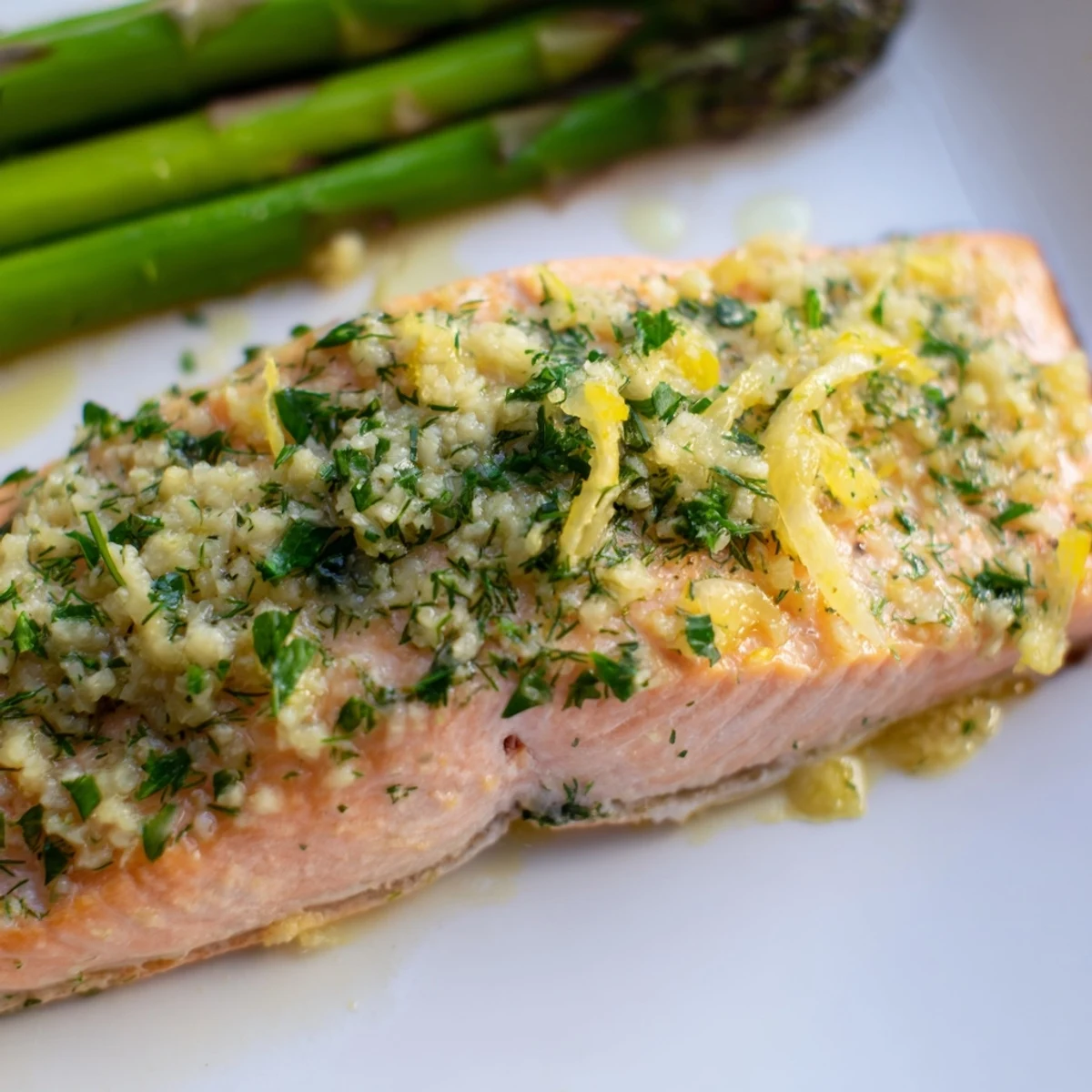
- In a small bowl, whisk together your melted butter, fresh lemon juice, zest, minced garlic, parsley, dill, salt, and pepper until it looks like a loose, fragrant paste. You're creating the sauce that will make people ask for your recipe.
- Coat the salmon:
- Drizzle or spoon this mixture generously over each fillet, letting some pool at the bottom—that's intentional, not a mistake.
- Arrange and dress the asparagus:
- On the other side of the sheet, spread your asparagus spears in a single layer, drizzle with olive oil, and toss gently until each one is coated and glistening.
- Into the oven:
- Bake for 15 to 18 minutes, watching until the salmon flakes easily with a fork and the asparagus tips just start to char. The timing feels right when your kitchen smells like a Mediterranean restaurant.
- Finish and serve:
- Pull everything out, scatter lemon slices and extra parsley over the top, and bring it straight to the table while it's still steaming.
 Save to Pinterest
 This dish taught me that simplicity isn't boring when every ingredient is fresh and treated with respect. My kids, who normally push fish around their plates, have started asking when we're making this again.
Why This Works So Well
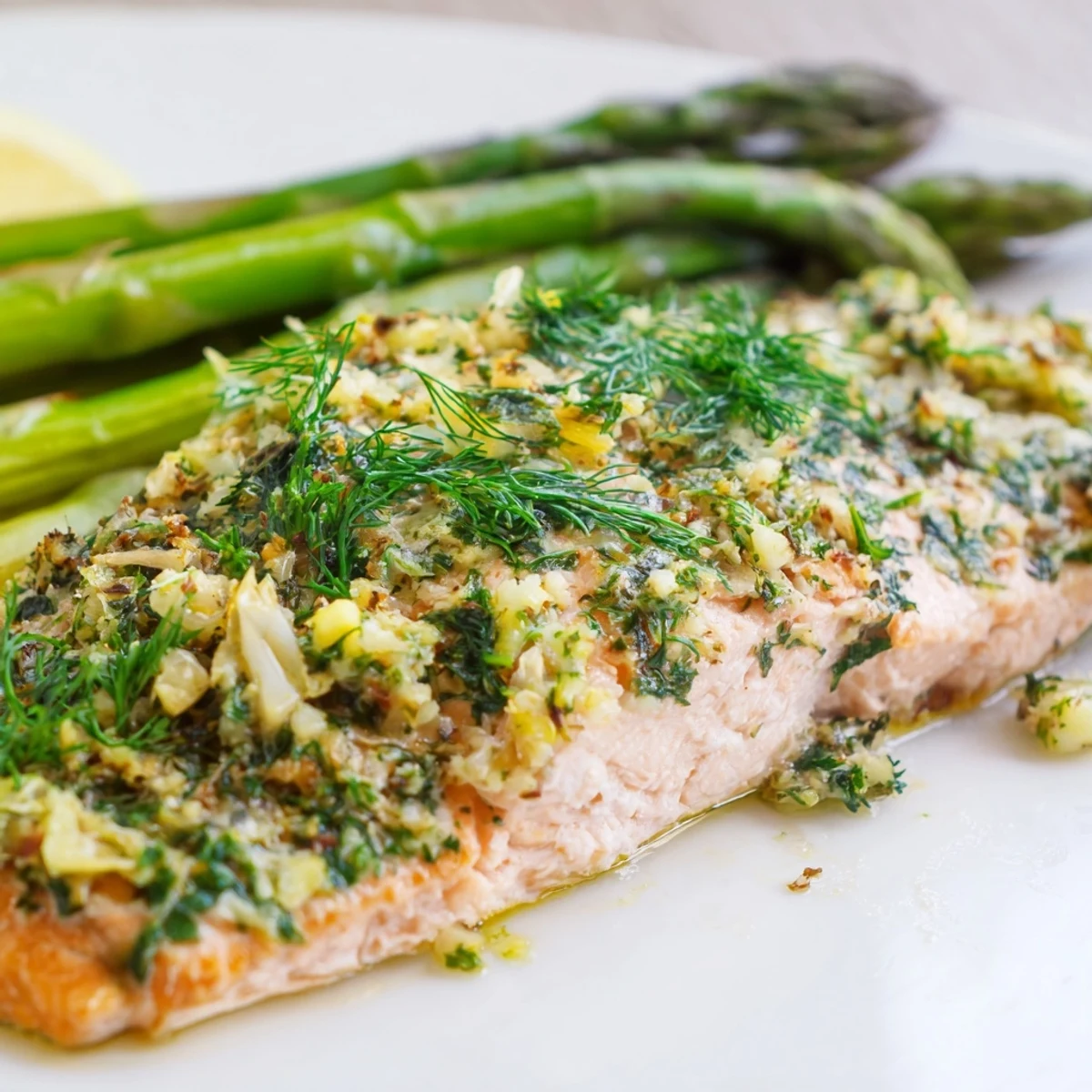
Cooking salmon and asparagus together isn't just convenient—it's actually brilliant because they want the same heat and timing. The roasting temperature coaxes out the asparagus's natural sweetness while keeping the salmon moist and buttery. By the time everything's done, they've been perfumed by each other's aromas.
Building Layers of Flavor
The lemon-garlic butter isn't just a sauce; it's a flavor foundation that sits on the salmon while it cooks, infusing every layer. Zest matters here because it delivers brightness that juice alone can't—it's the difference between tasting lemon and tasting what you imagine when you think of lemon. The herbs aren't an afterthought either; they keep everything from tasting one-dimensional.
Serving and Storage Ideas
Serve this straight from the oven with a cold glass of white wine and crusty bread to soak up every drop of that butter. Leftovers, if you have them, are wonderful cold the next day over a salad, or you can gently reheat them in a 300°F oven wrapped in foil.
- A sprinkle of grated Parmesan on the asparagus before roasting adds a savory depth that nobody expects.
- If you swap in green beans or broccoli, cut them to similar lengths so everything finishes at the same time.
- Pair this with rice or quinoa to catch all that golden butter sauce—it's the best part of the plate.
 Save to Pinterest
 This is the kind of dish that feels fancy enough to impress someone but simple enough that you'll want to make it on a random Wednesday. Once you've made it once, it becomes part of your rotation, the recipe you reach for when you want dinner to feel effortless.
Recipe Help & Support
- → What temperature should the oven be set to?
-
Preheat your oven to 400°F (200°C) to ensure the salmon roasts evenly and the asparagus becomes tender without burning.
- → How do I know when the salmon is fully cooked?
-
The salmon is done when it flakes easily with a fork and the internal color is opaque pink throughout.
- → Can I substitute the butter in the sauce?
-
Yes, you can replace unsalted butter with olive oil or a plant-based alternative for a dairy-free version.
- → What vegetables work well as a substitute for asparagus?
-
Green beans or broccoli are excellent substitutes that roast well alongside the salmon at the same temperature.
- → What wine pairs best with this dish?
-
A crisp Sauvignon Blanc or a buttery Chardonnay complements the zesty lemon and rich garlic flavors perfectly.