
 Save to Pinterest
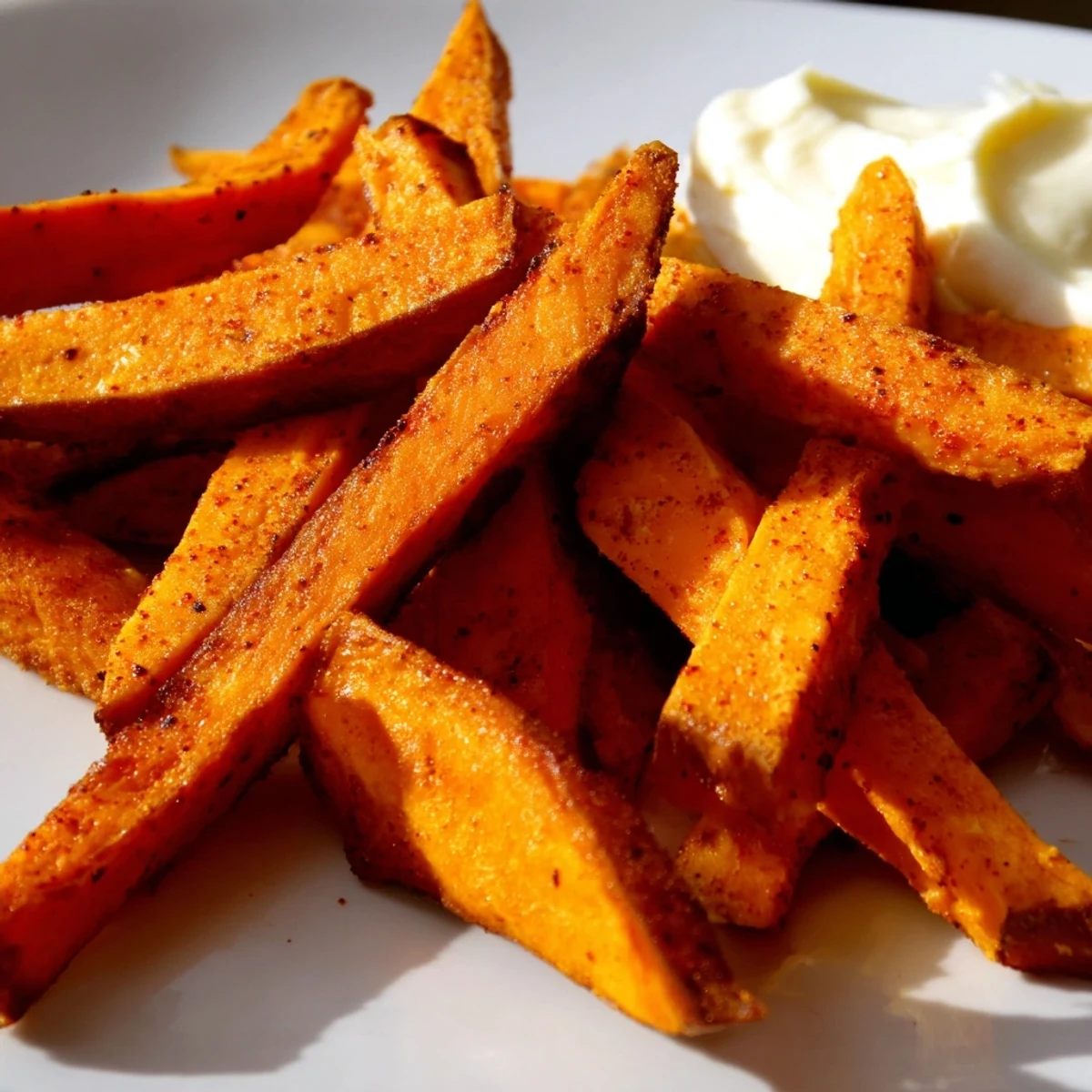
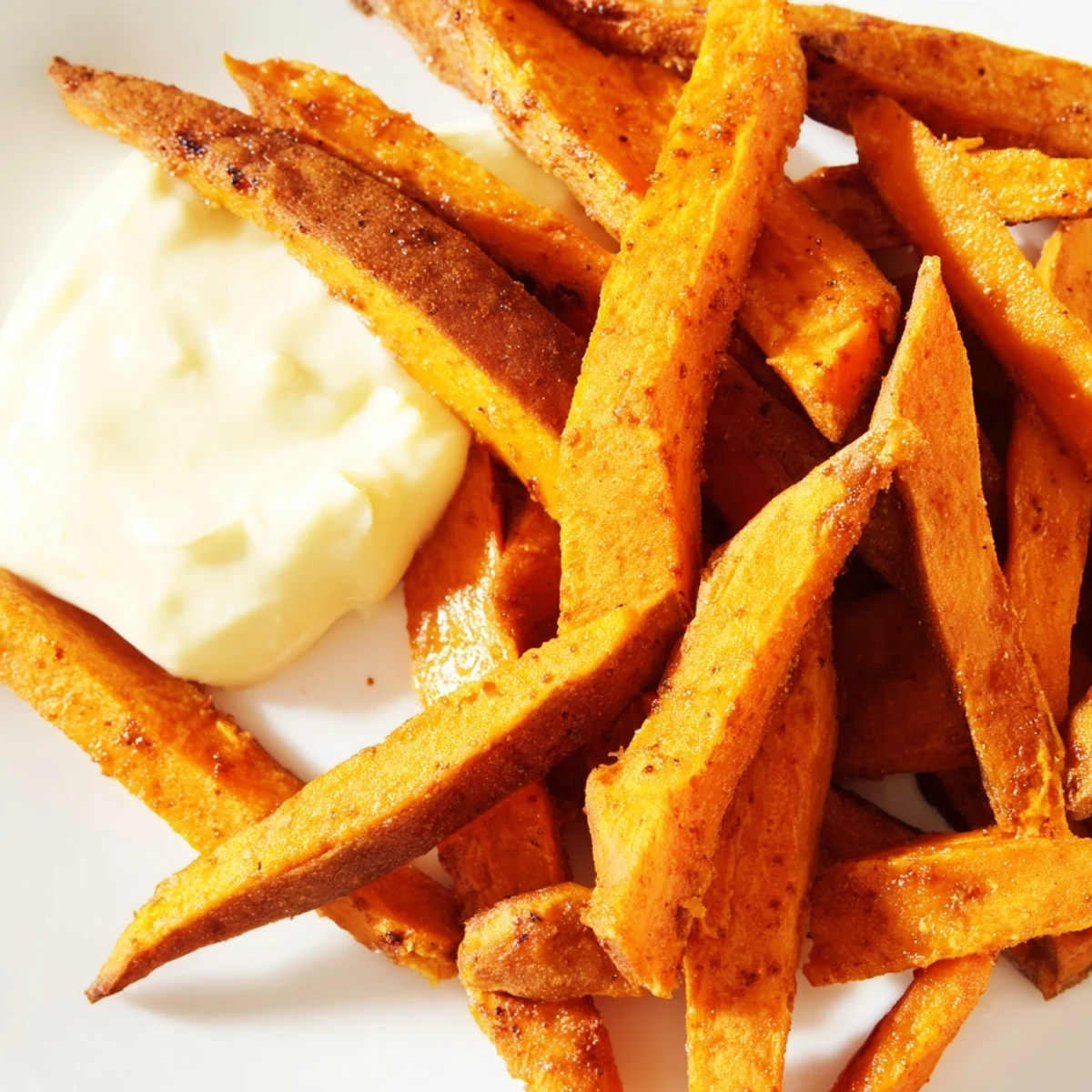
 These baked sweet potato fries are perfectly crispy on the outside and tender inside, seasoned with smoked paprika and garlic powder. Tossed lightly in cornstarch and olive oil before baking, they achieve a golden crunch without frying. Paired with a smooth, garlicky aioli made from mayonnaise, lemon juice, and Dijon mustard, these fries make a flavorful snack or side dish. Easy to prepare and gluten-free, they're ideal for those craving comfort with a wholesome twist.
I discovered the magic of baked sweet potato fries on a weeknight when I was trying to recreate that crispy-on-the-outside, tender-on-the-inside texture without the guilt of deep-frying. The trick was cornstarch, of all things—a humble ingredient I'd only used in Asian cooking before. That first batch came out golden and crackling, and suddenly I had a side dish that felt fancy but took no real effort.
My flatmate once came home from work to the smell of smoked paprika and roasted sweet potato filling the entire apartment, and she literally didn't believe I'd made them until she tasted one. That moment sealed it for me—this was the side dish I'd make whenever I wanted to impress without breaking a sweat.
Ingredients
- Sweet potatoes: Look for ones that are firm and evenly sized so they cook at the same rate; the natural sweetness deepens as they roast.
- Cornstarch: This is what makes them crispy without deep-frying, creating a light, crackling exterior that stays crunchy even as it cools.
- Smoked paprika: It adds warmth and depth without heat; regular paprika works too but won't give you that subtle smokiness.
- Olive oil: Just enough to coat, not drench—this keeps them light while letting the starch do the crisping work.
- Mayonnaise: The base of your aioli and honestly the reason people keep coming back for more; use a good quality one if you can.
- Garlic: Finely minced so it dissolves into the aioli rather than leaving harsh chunks; I learned this the hard way.
- Lemon juice: It cuts through the richness and keeps the aioli tasting fresh rather than heavy.
Instructions
- Get your oven ready and prep your pan:
- Heat to 220°C and line a baking sheet with parchment paper. This setup matters more than you'd think—parchment gives you that golden bottom without sticking.
- Coat the fries with cornstarch first:
- Toss your sweet potato sticks in cornstarch alone before adding oil and spices. This creates a dry coating that crisps up beautifully in the heat.
- Season generously and spread them out:
- Drizzle olive oil over the starch-coated fries, then add paprika, garlic powder, salt, and pepper. The key is spacing—they need room to breathe on the baking sheet, not piled on top of each other.
- Bake with a flip halfway through:
- Start at 15 minutes, then flip them so the other side gets golden and crispy. You're aiming for edges that look almost caramelized, about another 12–15 minutes.
- Make the aioli while they bake:
- Combine mayo, finely minced garlic, lemon juice, and Dijon mustard in a small bowl. The mustard adds a subtle tang that keeps it interesting; don't skip it.
- Serve hot with cold aioli:
- The contrast of warm fries and chilled, creamy dip is part of the whole experience. Taste and adjust seasoning on both the fries and aioli before serving.
 Save to Pinterest
 There's something oddly satisfying about serving homemade fries and watching people's faces when they realize there's no deep fryer involved. It feels like you've shared a small secret about how to make weeknight sides taste special.
The Cornstarch Advantage
I used to think cornstarch was only for thickening sauces until I read about it being used in Asian cooking for extra-crispy textures. That light powder creates a delicate, shattering crust that rivals anything you'd get from oil, and it keeps the fries from absorbing too much moisture. Once you understand why it works, you'll start using it on other roasted vegetables too.
Customizing Your Fries and Aioli
The beauty of this recipe is how easily it adapts to what you're craving. I've added cayenne for heat, fresh dill to the aioli, smoked garlic powder instead of regular—each change feels like a new discovery rather than a cheat. The base is so solid that you can play with it without worrying you'll ruin the whole thing.
Serving Ideas and Make-Ahead Tips
These fries are best eaten the same day they're made, still warm from the oven, but the aioli keeps for three days in the fridge. I often prep the potatoes and make the aioli a few hours ahead, then bake everything fresh just before dinner—it takes almost no time and tastes infinitely better than leftovers reheated.
- Serve alongside grilled chicken, burgers, or even fish to add something interesting to the plate.
- Make extra aioli and use it as a spread for sandwiches or a dip for roasted vegetables.
- If you go vegan, swap in egg-free mayo and you've got a completely plant-based option that nobody will miss.
 Save to Pinterest
 These fries have quietly become the side dish I make most often, because they're reliable, they impress, and they remind me that the simplest recipes are often the best. Once you've made them once, you'll know exactly why they keep showing up on your table.
Recipe Help & Support
- → How do I make the fries extra crispy?
-
Soak cut sweet potato sticks in cold water for 30 minutes, then pat dry before coating with cornstarch and oil. This removes excess starch and helps achieve crispiness.
- → Can I make the aioli vegan?
-
Yes, substitute traditional mayonnaise with a vegan mayo to keep the aioli creamy and suitable for vegan diets.
- → What is the best way to store leftovers?
-
Store baked fries in an airtight container in the refrigerator for up to 2 days. Reheat in the oven to retain crispiness.
- → Can I add heat to these fries?
-
Yes, sprinkle a pinch of cayenne pepper or chili powder in the seasoning mix for a spicy kick.
- → Is there a gluten-free option?
-
Use arrowroot powder instead of cornstarch to keep the fries gluten-free without sacrificing texture.