
 Save to Pinterest
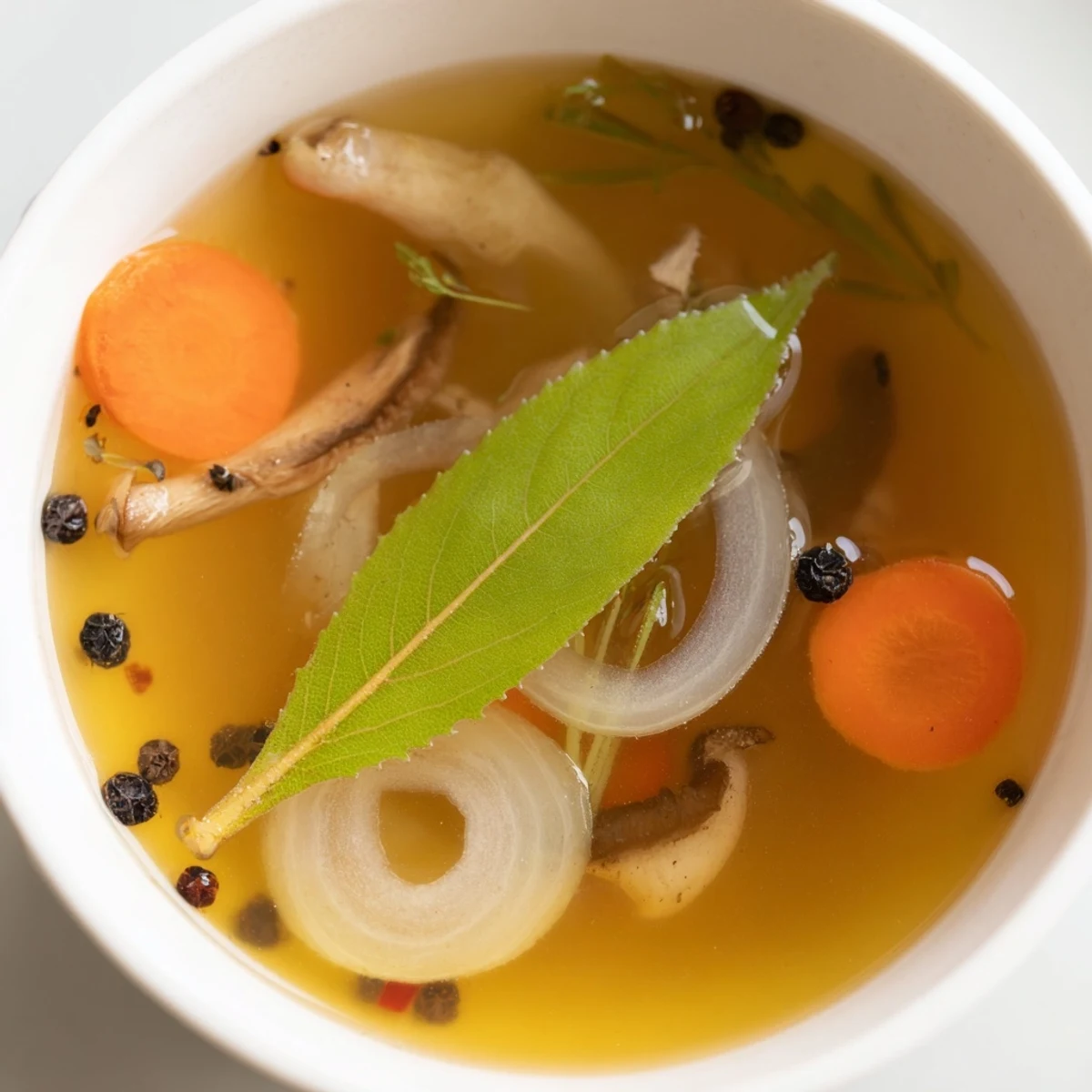
 This broth is crafted by simmering a mixture of cleaned vegetable scraps such as onion peels, carrot ends, celery leaves, and herbs like thyme and bay leaves in cold water. The slow simmering extracts rich flavors to elevate soups, risottos, and sauces while minimizing food waste. Avoid harsh scraps like broccoli or potato peels to keep the broth clear and balanced. Strain the liquid through a fine sieve and season to taste. Store refrigerated or frozen for convenient use.
I started making vegetable broth by accident one Tuesday when I was cleaning out my crisper drawer, staring at a pile of carrot peels and celery ends I'd normally toss. Something about throwing away all that flavor felt wasteful, so I tossed everything into a pot with water and some dried thyme, curious what would happen. Two hours later, my kitchen smelled like a French bistro, and I realized I'd stumbled into one of those simple kitchen tricks that changes how you cook forever.
I made this broth for the first time in a borrowed apartment with a temperamental stove, unsure if it would even work without fancy ingredients or technique. When my roommate came home and asked what I was cooking, I honestly didn't have a confident answer—just "vegetable scraps and hope." By the time it was done, she was already planning to steal my leftovers for soup, and I knew I'd found something worth repeating.
Ingredients
- Mixed vegetable scraps (4–5 cups): Onion peels, carrot ends, celery leaves, mushroom stems, and parsley stems are your best friends here—they're flavorful without being aggressive. Save them in a freezer bag as you cook; when it's full, you're ready to make broth.
- Bay leaves (2): These add a subtle earthiness that makes the broth taste intentional and layered.
- Black peppercorns (6–8): Toast them slightly in the pot before adding water to wake up their spice.
- Fresh thyme (2 sprigs or 1 tsp dried): Thyme has a delicate flavor that doesn't overpower the vegetables—it just whispers in the background.
- Parsley stems (1 handful, optional): Don't waste the leafy green tops on broth; use the woody stems, which pack more concentrated flavor.
- Garlic (2 cloves, smashed, optional): A small amount adds depth without making the broth taste garlicky—just smash it lightly to release the oils.
- Salt (1 tsp): Start conservative and taste at the end; you can always add more.
- Cold water (2.5 liters): Cold water draws out flavors slowly and gently, creating a clearer broth than hot water would.
Instructions
- Prep your scraps:
- Rinse everything under cool water to remove dirt, but don't obsess—a little debris won't ruin anything. Look through the pile and remove anything that looks slimy or visibly moldy.
- Load the pot:
- Toss all the scraps into a large stockpot without chopping them smaller; they'll soften as they cook. The pieces don't need to be uniform, but try to keep them roughly in the same size range so nothing burns while something else barely touches the water.
- Build the flavor base:
- Add your bay leaves, peppercorns, thyme, parsley stems, smashed garlic, and salt. This is where the magic happens—these aromatics are what transform random vegetable waste into something that actually tastes good.
- Cover with water:
- Pour in cold water until everything is submerged by about an inch. Cold water matters because it encourages the vegetables to release their flavors slowly and evenly.
- Bring to a gentle boil:
- Turn the heat to medium-high and watch for the moment steam starts rising in earnest. You'll see small bubbles forming at the bottom before they break the surface—that's your signal to reduce the heat.
- Simmer low and slow:
- Drop the heat to a gentle simmer where only a few bubbles break the surface every few seconds. A rolling boil will cloud the broth and cook everything too aggressively; low and slow gives you a clearer, more refined result.
- Skim and wait:
- After the first 10 minutes, you'll notice a gray foam rising to the surface—that's impurities being released. Skim it off with a ladle a few times; it only takes a minute and makes a noticeable difference in clarity.
- Let time do the work:
- Simmer uncovered for 1 hour without touching it. The longer it goes, the more the vegetables give up their essence to the water, but 1 hour is the sweet spot for extracting flavor without making it bitter.
- Strain with care:
- Pour everything through a fine mesh sieve lined with cheesecloth into a large bowl or container; don't rush this step. The cloth catches fine particles, leaving you with clear, clean broth.
- Taste and adjust:
- Let the broth cool for a few minutes, then taste it. If it feels flat, add a pinch more salt; if you made it too salty, you can dilute it with a little water.
- Chill and store:
- Let the broth cool completely before covering and refrigerating it for up to 5 days, or pour it into freezer containers for up to 3 months. Frozen broth thaws quickly and tastes just as good.
 Save to Pinterest
 The first time I served soup made from my homemade broth to a friend who complained about canned broth tasting metallic, she actually paused mid-spoonful and asked what I'd done differently. I told her it was just vegetables and time, and watching her realize she'd been missing something that simple was a small kitchen victory I didn't expect.
What Makes This Broth Different
Most people think broth requires a special trip to the store or hours of dedicated cooking, so they settle for cartons that taste like salt and disappointment. This broth proves that's not true—you're not creating something from nothing; you're rescuing flavor that's already there in scraps you'd throw away. The clarity and taste come from patience and respect for the vegetables, not from exotic ingredients or complicated technique.
Building Your Scrap Collection
The trick to never running out of broth-making motivation is treating scrap collection like a small ongoing project rather than a chore. Keep a labeled freezer bag or container on a shelf where you can see it, and every time you peel a carrot or trim celery, those scraps go straight in. By the time it's full, a few weeks will have passed and you'll have enough for a batch without any last-minute scrambling.
Ways to Use Your Broth
Once you have broth, the possibilities multiply—use it to cook rice or grains for more flavor than water alone, build soups and stews on this as a foundation, or use it to deglaze pans and build sauces that actually taste like something. Some days I'll heat a mug of it with a pinch of salt and sip it like tea, which sounds simple until you realize you've made yourself a warm, nourishing drink from scraps.
- Soups and stews deepen in flavor when built on homemade broth rather than water or store-bought stock.
- Cooking grains like rice, quinoa, or barley in broth instead of water adds background flavor that builds through the meal.
- Use it to cook beans, poach vegetables, or even make a simple risotto without any special ingredients.
 Save to Pinterest
 Making broth from scraps isn't about being frugal or virtuous—it's about realizing that good flavor doesn't require perfection, just attention. Once you taste homemade broth, you'll understand why a grandmother would save every vegetable end and why this humble skill has lasted centuries.
Recipe Help & Support
- → What vegetable scraps are best for making broth?
-
Use mild scraps such as onion peels, carrot ends, celery leaves, mushroom stems, and herb stems like parsley and thyme for a balanced flavor.
- → How long should the broth simmer?
-
Simmer the broth uncovered for about 1 hour to fully extract flavors without cloudiness.
- → Can I add garlic or other aromatics?
-
Yes, adding smashed garlic cloves, bay leaves, black peppercorns, and fresh or dried herbs enhances the broth’s depth.
- → Which scraps should be avoided?
-
Avoid strong-flavored or bitter scraps like broccoli, cauliflower, cabbage, or potato peels to prevent off flavors.
- → How long can the broth be stored?
-
Refrigerate the strained broth for up to 5 days or freeze portions for up to 3 months.