
 Save to Pinterest
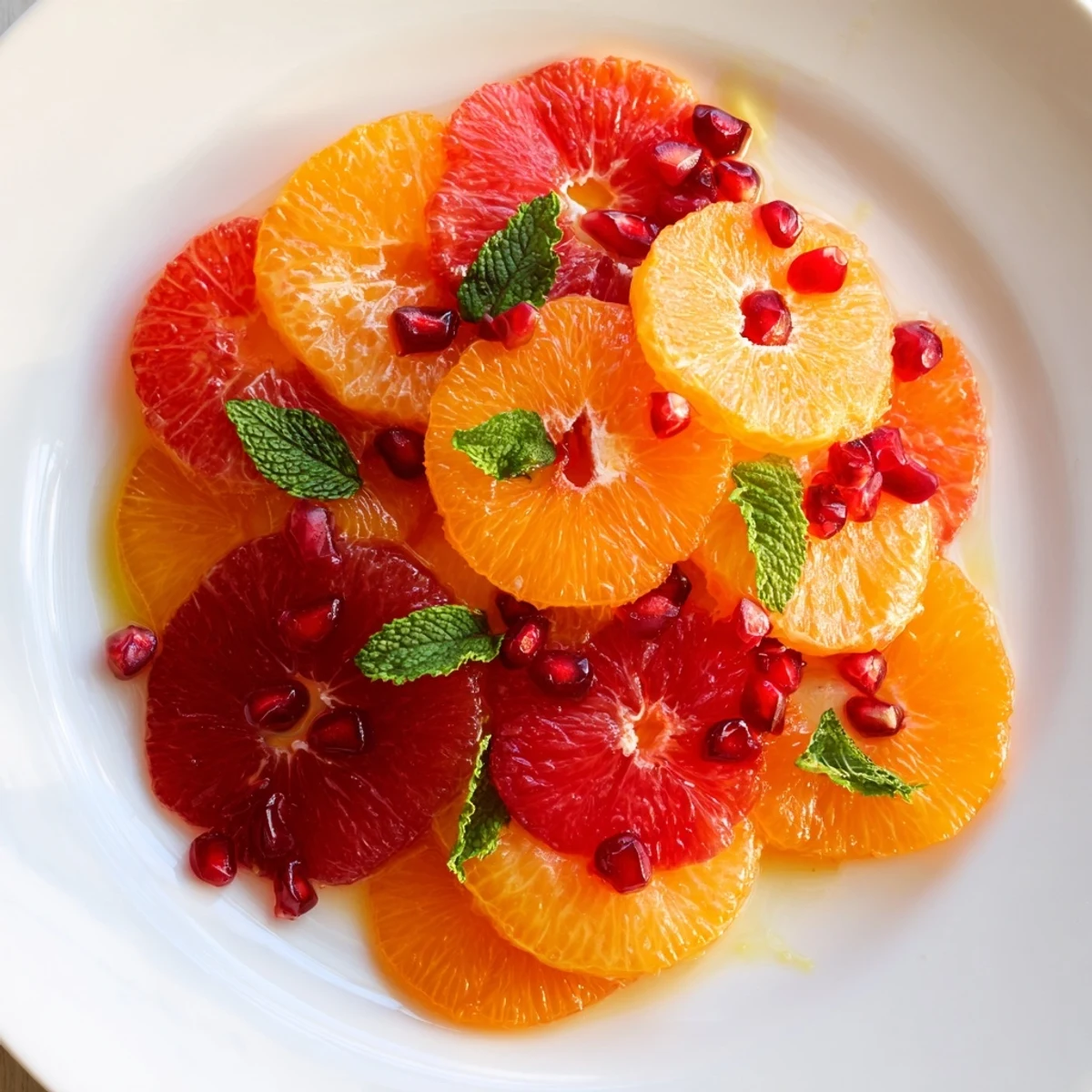
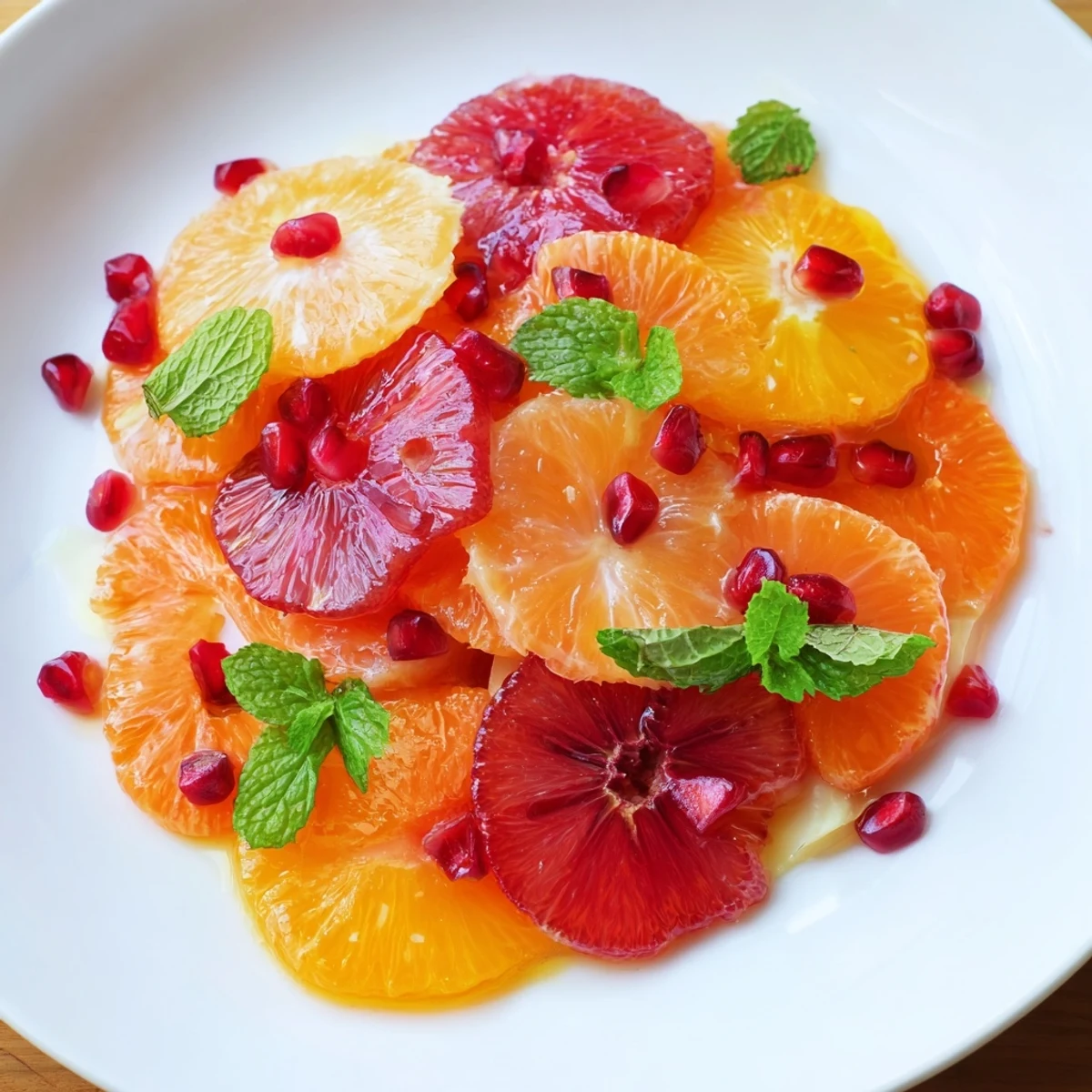
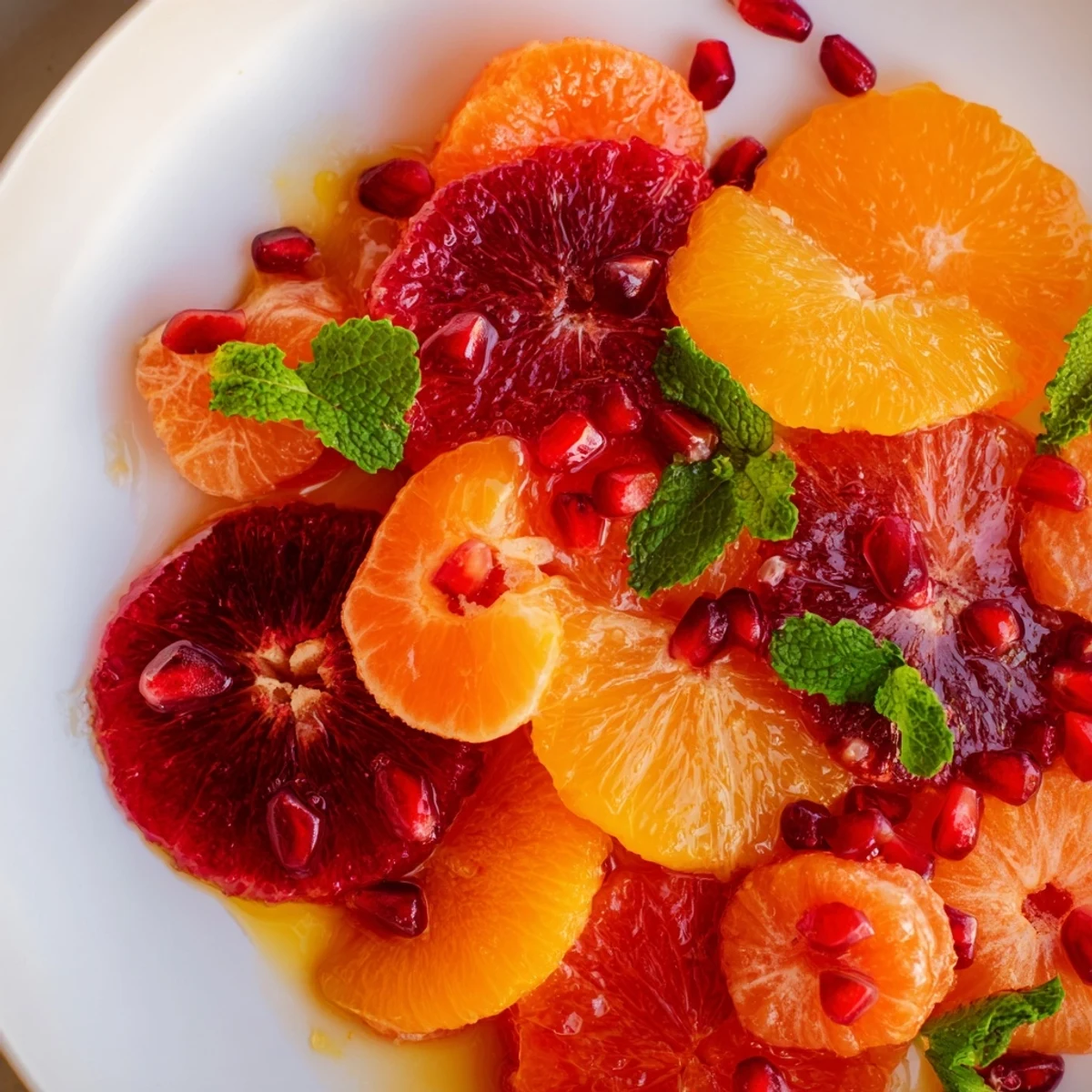
 This vibrant winter citrus fruit salad brings together juicy oranges, blood oranges, grapefruits, and clementines, topped with bright pomegranate seeds and fresh mint. A sweet-tart honey lime dressing enhances the flavors, offering a refreshing and light option that's easy to prepare. Ideal for brightening chilly days and suitable for vegetarian and gluten-free diets.
There's something about walking into a market in the middle of winter and seeing those jewel-toned citrus fruits piled high that makes you forget it's cold outside. I grabbed a handful of blood oranges and grapefruits on impulse one January morning, and by the time I got home, I'd already imagined how their colors would look arranged on a plate. This salad came together almost by accident—just me playing around with what felt right, and it turned into the kind of dish that somehow makes winter feel less dreary.
I made this for a brunch where everyone arrived tired and skeptical about another January morning, and watching people light up when they took the first bite was worth every second of prep. The bright colors alone seemed to lift the mood before anyone even tasted it, and then that honey-lime dressing hit—suddenly everyone was asking for the recipe.
Ingredients
- Large oranges: Use whatever looks good at your market, but the size matters because you want rounds thick enough to hold their shape when arranged.
- Blood oranges: These bring an almost wine-like depth and color that regular oranges simply can't match—they're the showstopper.
- Grapefruits: The slight bitterness is essential; it keeps the salad from tasting one-note sweet.
- Clementines or mandarins: Their small segments are perfect for tucking between larger fruits, and their natural sweetness rounds out the flavor profile.
- Pomegranate seeds: Beyond looking gorgeous, they add a pop of tartness and texture that keeps each bite interesting.
- Fresh mint leaves: Torn rather than cut, so they release their oils and flavor more generously.
- Honey: Choose something you'd actually eat on its own—cheap honey makes itself known in ways you won't enjoy.
- Lime: Fresh-squeezed only; bottled lime juice tastes flat and one-dimensional against these bright fruits.
- Extra-virgin olive oil: A good one is worth the splurge here because it's one of only four components in the dressing.
- Salt: Just a pinch, but it's the reason the dressing tastes complex instead of cloying.
Instructions
- Get your citrus ready:
- Peel each fruit and remove as much of the bitter white pith as you can—it's tedious, but it makes a real difference in how the final dish tastes. You want to see that contrast between the bright flesh and any remaining bits of peel.
- Arrange with intention:
- Lay the citrus slices and segments on a large platter, overlapping them slightly like you're creating something worth photographing. The overlapping isn't just for looks; it helps everything meld together as it sits.
- Add your sparkle:
- Scatter the pomegranate seeds and torn mint across the whole arrangement, hitting every area so no bite feels plain.
- Make the dressing:
- In a small bowl, whisk together the honey, lime zest, lime juice, olive oil, and salt until it looks like one unified thing rather than separate ingredients sitting together. The zest adds flavor and also keeps the dressing from sliding right off the fruit.
- Finish and serve:
- Drizzle the dressing over the salad just before serving—or up to an hour before if you like things more blended together. Either way works; it just depends on whether you want the dressing to taste bold or integrated.
 Save to Pinterest
 There was a moment during that brunch when someone mentioned they'd been craving something bright and living, and this salad was exactly what they didn't know they needed. It reminded me that food isn't just about hunger—sometimes it's about giving people permission to feel something different than they've been feeling.
Why Winter Citrus Matters
Winter is when citrus actually tastes like itself—the cold intensifies the flavors, and the fruits develop a complexity that summer varieties simply don't have. There's a reason people have been storing and celebrating citrus through cold months for centuries. When you bite into a winter orange, you're tasting something that took all season to develop its sweetness, and it shows.
Making It Your Own
I've learned that the structure of this recipe is flexible as long as you keep the citrus and the dressing. I've added toasted pistachios when I had them, thrown in thin slices of fennel when the mood struck, and even dusted the whole thing with a tiny pinch of chili flakes once. Each version felt like a different conversation with the same ingredients, and every single one was worth making again.
Serving and Pairing Ideas
This salad works as a light dessert after something rich, as a brunch centerpiece, or as the opening course for a dinner where you want to wake up everyone's palate. It pairs beautifully with crisp white wine, but honestly it stands on its own just fine. I've served it at everything from casual weeknight dinners to actual company, and it always feels appropriate and generous without being fussy.
- Chill it for up to an hour before serving if you want the flavors more integrated, or serve it right away for brighter distinction between each citrus variety.
- If you're making it vegan, use agave syrup instead of honey and you lose nothing—the dressing tastes just as good.
- Taste the dressing before you drizzle it; adjust the honey or lime to your preference because your palate knows what you actually want.
 Save to Pinterest
 This is the salad I return to when I want to remember that good food doesn't require drama or hours in the kitchen. It's simple, it's bright, and it never lets you down.
Recipe Help & Support
- → Which citrus fruits are best for this salad?
-
A combination of oranges, blood oranges, grapefruits, and clementines offers a perfect blend of sweet and tart flavors.
- → Can the honey lime dressing be substituted?
-
Yes, agave syrup can replace honey to keep the dressing vegan while maintaining its sweetness.
- → What toppings complement the salad well?
-
Pomegranate seeds add texture and color, while fresh mint leaves provide a refreshing herbal note.
- → How should the citrus be prepared?
-
Peel and slice the citrus fruits into rounds or segments, removing as much pith as possible for a clean presentation.
- → Can this salad be made ahead?
-
It's best served immediately or chilled for up to an hour to allow flavors to meld without losing freshness.
- → Are there any suggested additions for extra texture?
-
Adding toasted pistachios or sliced almonds can provide a pleasant crunch to complement the citrus and dressing.