
 Save to Pinterest
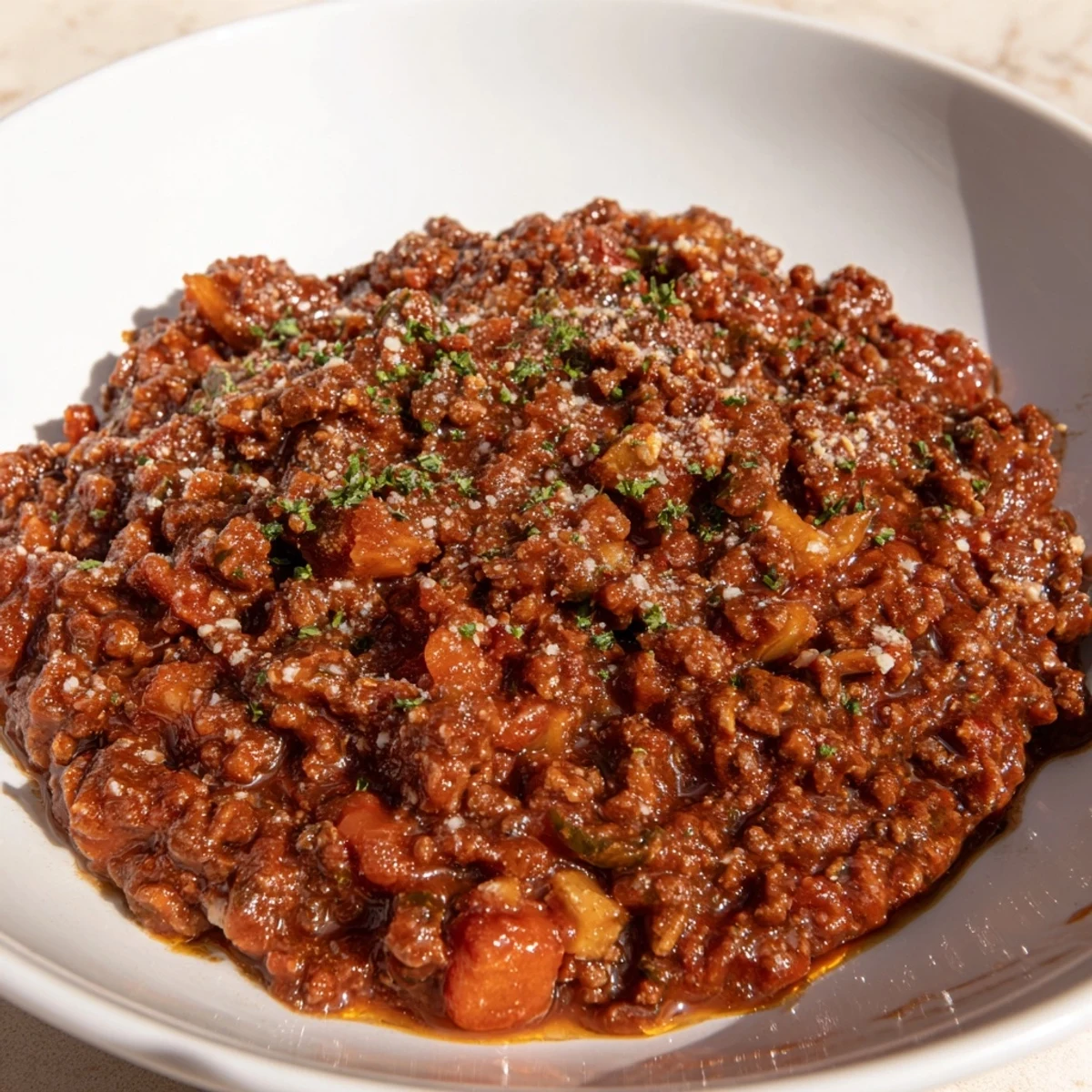
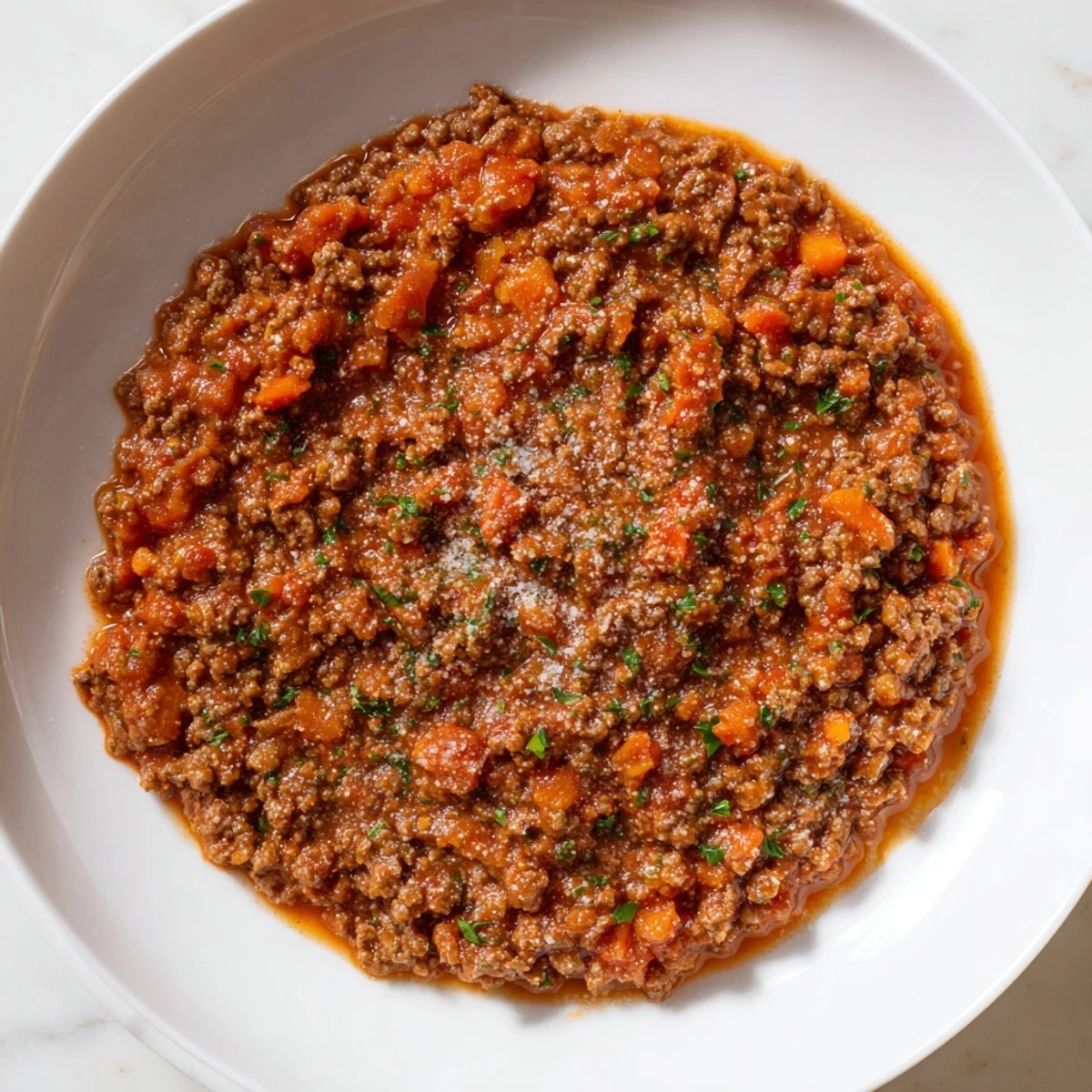
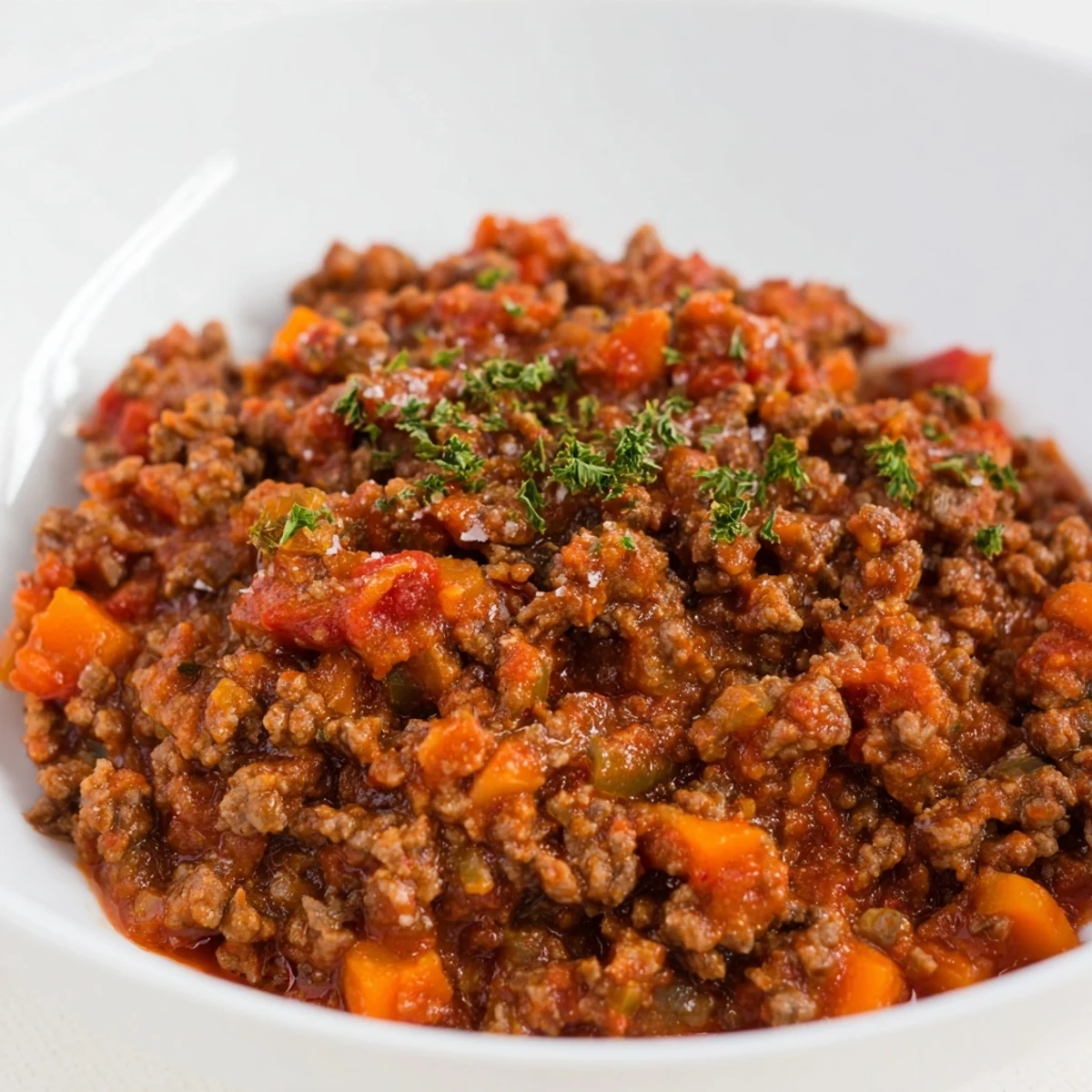
 This rich, savory Bolognese originates from Italy and offers a blend of ground beef browned with onions, carrots, and celery. Slowly simmered with crushed tomatoes, dry red wine, and fragrant herbs like oregano and thyme, it develops deep, layered flavors. A splash of milk softens acidity, creating a velvety sauce that pairs perfectly with pasta. Enjoy garnished with fresh basil and Parmesan cheese for an authentic touch. Ideal for a comforting main course, it can be adjusted by extending simmering time or mixing meats for a richer taste.
I still remember the first time I made Beef Bolognese from scratch, not from a jar. I was in my tiny apartment kitchen, watching the beef brown in the pot, and suddenly the smell of caramelizing meat mingling with garlic and tomato hit me like a warm embrace. That's when I understood why my Italian grandmother always said a proper Bolognese wasn't rushed—it was cooked with patience and intention. This sauce became my comfort anchor, the one dish I'd make when I needed to feel grounded again.
I made this sauce for my partner on a rainy Sunday when we were both exhausted from the week. We poured glasses of the same red wine going into the pot, and as the sauce simmered for hours, we just sat in the kitchen talking and laughing. By the time dinner was ready, that sauce had somehow done more than feed us—it had given us back something we'd lost in the chaos.
Ingredients
- Ground beef (500 g, 80/20 blend): The fat ratio matters more than you'd think—it keeps the sauce rich and prevents the meat from becoming grainy. I learned this the hard way when I used lean beef and ended up with something that tasted more like a health food than comfort
- Onion, carrot, and celery (the holy trinity): These three are the foundation of everything Italian. Finely chop them—the smaller pieces dissolve into the sauce and create depth you can't achieve any other way
- Garlic (3 cloves, minced): Mince it fine so it becomes almost invisible in the final sauce, just a whisper of flavor threaded through every bite
- Dry red wine (120 ml): Use something you'd actually drink—the wine becomes the soul of this sauce, so don't waste your time with the cheap stuff
- Canned whole tomatoes (800 g): Crush them by hand as you add them; there's something satisfying about it, and you'll get better texture control than using a food processor
- Tomato paste (2 tbsp): This concentrated flavor is what makes people say your sauce tastes like it's been simmering for days
- Whole milk (240 ml): This is non-negotiable for authentic Bolognese—it's what separates a good sauce from a transcendent one
- Olive oil (2 tbsp): Use good oil here; it's one of only a few ingredients, so it deserves your attention
- Dried oregano, bay leaf, and thyme: These herbs are the quiet backbone—they should be felt, never shouted about
- Salt and black pepper: Taste as you go; proper seasoning is what takes this from good to unforgettable
Instructions
- Soften your foundation:
- Heat the olive oil in your large pot over medium heat. Add the chopped onion, carrot, and celery—this is called mirepoix, and it's where real flavor is born. Let them cook for 7 to 8 minutes, stirring occasionally. You'll know they're ready when they're soft and the kitchen smells like a warm, vegetal comfort. The onions should be translucent, not brown.
- Awaken the garlic:
- Stir in the minced garlic and cook for just 1 minute—don't let it brown or it will turn bitter and ruin the gentle balance you've just created. You should just start to smell that pungent, earthy garlic perfume.
- Brown the beef:
- Add the ground beef to the pot. Break it up with your wooden spoon as it cooks, letting it brown evenly. This should take about 8 to 10 minutes. You're looking for that deep mahogany color, the sound of sizzling, and the smell of caramelized meat. Don't rush this step—it's where the depth comes from.
- Deepen with paste:
- Stir in the tomato paste and let it cook for 2 minutes, coating everything in the pot. This paste will toast slightly against the heat, concentrating its flavors into something almost sweet and complex.
- Deglaze with wine:
- Pour in the red wine, using a wooden spoon to scrape the bottom of the pot. All those flavorful brown bits stuck to the bottom—that's liquid gold called fond, and you want to dissolve it into the wine. Let everything simmer for about 4 minutes until the wine reduces by more than half. The alcohol will cook off, leaving just the wine's sophisticated depth.
- Build the sauce:
- Add the crushed tomatoes, milk, oregano, bay leaf, thyme, salt, and pepper all at once. Stir to combine, making sure everything is incorporated. The milk might look out of place at first, but trust it—it's about to work magic.
- Low and slow is everything:
- Bring the sauce to a gentle simmer, then reduce the heat to low. Partially cover the pot and let it cook for 1 hour and 30 minutes, stirring occasionally—maybe every 20 minutes or so. The sauce will gradually become darker, thicker, and more concentrated. The milk will subtly break down the acid of the tomatoes, creating something velvety. Your home will smell incredible.
- Final touches:
- Remove the bay leaf. Taste the sauce and adjust your seasoning if needed. Some salt might be needed, or perhaps a grinding of fresh pepper. This is your moment to make it perfect.
- Serve with joy:
- Pour the sauce over your cooked pasta—tagliatelle, pappardelle, or even simple rigatoni all work beautifully. Finish with fresh basil or parsley if you have it, and let the Parmesan rain down generously.
 Save to Pinterest
 My neighbor knocked on my door one evening, drawn by the smell of the Bolognese I'd been making for hours. We ended up sharing a bowl at my kitchen counter, and she told me it reminded her of her Italian mother's cooking. That's when I realized this sauce had become more than a recipe—it was a bridge between people, a way of saying I care enough to spend two hours feeding you something real.
The Magic of Patience
Bolognese isn't something you rush. I learned this after trying to make it quickly on weeknights, and every time it tasted thin and one-dimensional. The low simmer for 90 minutes is when the flavors marry, when the herbs infuse completely, when the sauce transforms from a collection of ingredients into something cohesive and alive. It's one of those rare recipes where time is an actual ingredient. The longer you cook it, the better it becomes—up to 3 hours if you have it. I often make mine in the morning and let it bubble gently on the stove all afternoon, adding a splash of water if it gets too thick.
Pasta Pairings That Matter
The shape of your pasta isn't trivial—it actually changes how you experience the sauce. Tagliatelle is the traditional choice in Emilia-Romagna, where Bolognese originated, and for good reason. Its wide, flat ribbons cradle the sauce beautifully. Pappardelle, even wider and more luxurious, is absolutely stunning. Rigatoni works wonderfully if you want the sauce tucked into the tubes. I've even used simple spaghetti and it's been lovely, though something feels lost with the thinner noodles. The sauce deserves a pasta that can hold it properly.
Making It Last
This sauce freezes like a dream. I often double the batch and portion it into containers, knowing that future me will be deeply grateful. It keeps in the freezer for up to 3 months, and honestly, I think the flavors only deepen as it sits. On nights when I'm too tired to cook, I pull out a container and remember that once, when I had time, I made something real. Thaw it gently on the stove with a splash of water to restore its silky consistency.
- To freeze properly, cool the sauce completely before storing it in airtight containers, leaving a little room at the top for expansion
- When reheating, do it low and slow on the stove, never blasting it with high heat—this preserves the delicate texture
- The sauce may look slightly separated when thawed; just stir it gently while warming and it will come back together beautifully
 Save to Pinterest
 Beef Bolognese is proof that the best things in life take time. Make it when you have an afternoon to spare, when you want to fill your home with warmth, when you need to remember what real food tastes like.
Recipe Help & Support
- → What is the best cut of beef for this sauce?
-
Ground beef with an 80/20 fat ratio is ideal to ensure richness without excess grease.
- → Can I use alternative meats in the sauce?
-
Yes, substituting half of the beef with ground pork adds depth and a slightly sweeter flavor.
- → How long should the sauce simmer for optimal flavor?
-
Simmering for 1½ to 3 hours allows the ingredients to meld and the sauce to thicken beautifully.
- → What types of herbs enhance the sauce's flavor?
-
Dried oregano, thyme, and bay leaf bring aromatic depth, while fresh basil offers bright herbal notes when garnished.
- → Is it better to use fresh or canned tomatoes?
-
Canned whole tomatoes crushed by hand provide consistent texture and flavor, making preparation easier.
- → Can this sauce be frozen for later use?
-
Yes, it freezes well for up to three months, retaining its flavor and texture when reheated carefully.