
 Save to Pinterest
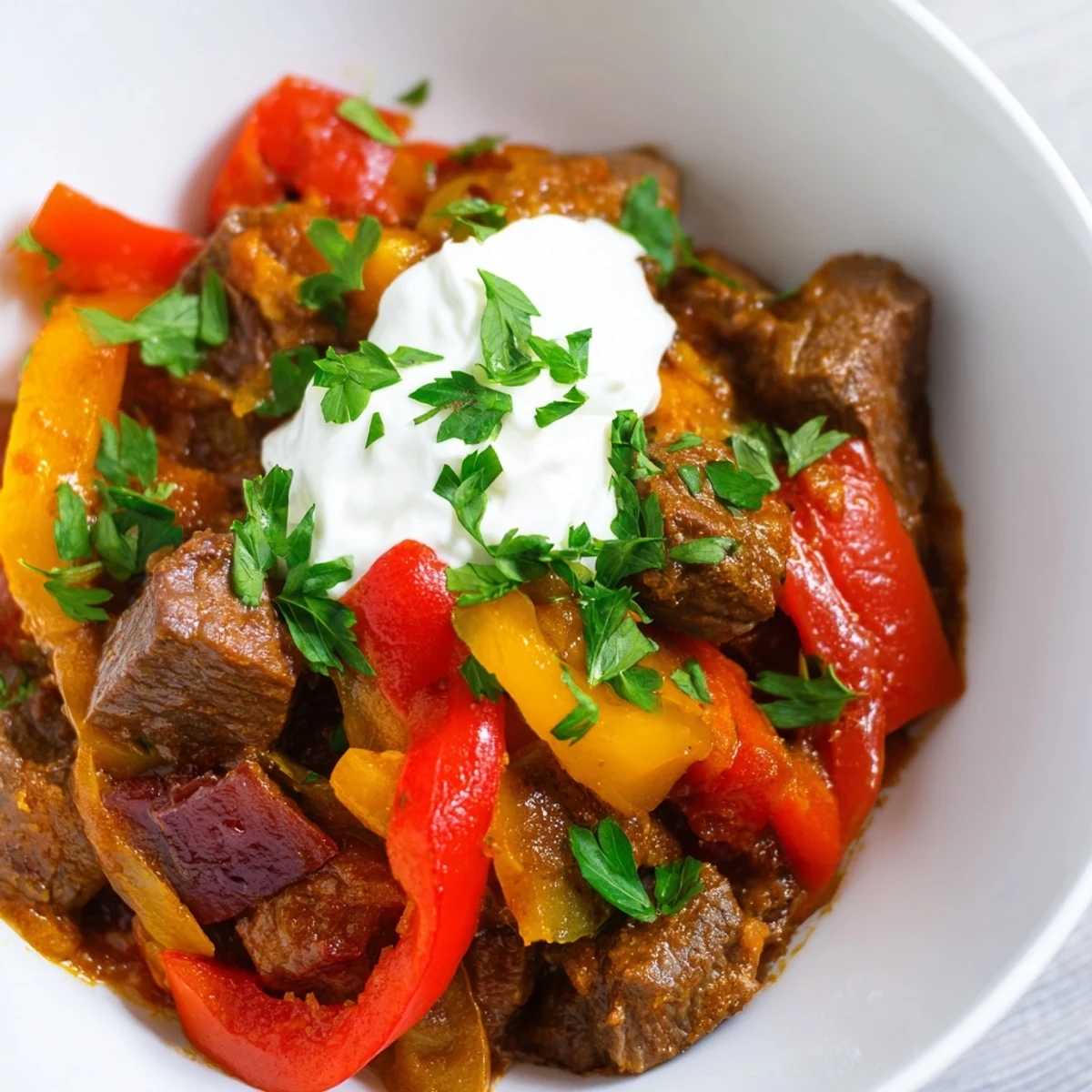
 This dish features tender beef cubes slowly cooked with sweet bell peppers, onions, and a blend of aromatic spices, including sweet Hungarian paprika. The savory sauce develops rich flavors as it simmers gently in beef broth, allowing the meat to become tender and the peppers to soften perfectly. Finished with a touch of tomato paste and optional sour cream, the stew offers a comforting and flavorful experience inspired by traditional Hungarian cooking.
A few winters ago, I found myself in a cramped Budapest kitchen with my friend Anna, watching her mother stir an enormous pot of goulash that seemed to fill the entire apartment with its rich, paprika-scented warmth. The way she tasted it, adjusted the spices with such certainty, and then smiled when I took my first spoonful—that's when I realized this wasn't just dinner, it was a conversation between generations told through beef and peppers. I've been chasing that same feeling ever since, and now I can recreate it in my own kitchen.
I remember bringing this to a potluck last March when everyone was tired of the same tired casseroles, and watching people go back for seconds with that quiet, satisfied look on their faces. One guest actually asked if I'd trained in Hungary, which made me laugh—but also feel just a little bit proud.
Ingredients
- Beef chuck, 800 g (1.75 lbs), cut into 2.5 cm cubes: Chuck is the workhorse of stews—it has enough fat and connective tissue to become impossibly tender after simmering, so resist the urge to use leaner cuts.
- Onions, 2 large, finely chopped: They'll dissolve into the sauce and create a natural sweetness that balances the paprika's earthiness.
- Bell peppers, 3 (red, yellow, or green), sliced: Add these toward the end so they stay slightly firm and don't turn to mush; they're both texture and visual contrast.
- Garlic, 3 cloves, minced: Fresh garlic is non-negotiable here—it grounds the entire dish with a subtle pungency.
- Tomatoes, 2 medium, chopped (or 1 cup canned diced): Canned works beautifully if fresh aren't at their peak, and the acid helps tenderize the beef.
- Sweet Hungarian paprika, 2 tbsp: This is the soul of the dish—buy the good stuff from a specialty store if you can, as it makes an enormous difference in depth.
- Caraway seeds, 1 tsp: A tiny bit goes a long way; it adds a subtle, almost rye-bread warmth that makes people say "what is that?"
- Dried marjoram, 1 tsp: Marjoram is lighter than oregano and won't overpower the paprika, so don't swap them out.
- Bay leaf, 1: Remove it before serving—I've learned the hard way that biting into a bay leaf is never a pleasant surprise.
- Black pepper, 1/2 tsp, freshly ground: Ground fresh, not from a tin that's been sitting in your cabinet for years.
- Salt, 1 1/2 tsp, to taste: Start conservative; you can always add more once you taste it at the end.
- Vegetable oil, 3 tbsp (sunflower or canola): Use a neutral oil that won't compete with the flavors you're building.
- Beef broth, 500 ml (2 cups): Good quality broth makes a difference—it should taste like actual beef, not just salt and water.
- Tomato paste, 2 tbsp: This concentrates the tomato flavor and adds a subtle umami depth that rounds out the spices.
Instructions
- Brown the beef in batches:
- Heat the oil over medium-high heat until it shimmers, then add beef in a single layer without crowding—you want a dark golden crust, not steam. This takes patience and maybe 15-20 minutes total, but that caramelization is where the flavor lives.
- Build the flavor base with onions:
- Lower the heat to medium, add the chopped onions to the pot, and let them soften and turn golden over 5-7 minutes while you scrape up all those beautiful browned bits stuck to the bottom. Listen for the gentle sizzle; when it quiets down, you'll know they're ready.
- Create the spice paste:
- Stir in the garlic, paprika, caraway, marjoram, and tomato paste, stirring constantly for just one minute so the spices toast slightly and release their oils. You'll smell something extraordinary happen in that minute—that's your signal you're on the right track.
- Return the beef and add aromatics:
- Put the beef back in, add the tomatoes, bay leaf, salt, and pepper, then give everything a good stir so the spices coat the meat. The pot should look rich and dark, almost like you're simmering liquid gold.
- Deglaze and simmer:
- Pour in the broth while scraping the bottom of the pot with a wooden spoon—all those stuck-on bits dissolve into the liquid and add incredible depth. Bring it to a gentle simmer, then cover and reduce heat to low.
- Let time do the work:
- Simmer covered for 1.5 hours, stirring every 20 minutes or so just to keep things moving and ensure even cooking. The beef should be getting tender; if you poke a piece with a fork, it should give way without much resistance.
- Add the bell peppers:
- After 1.5 hours, add all the bell peppers and continue simmering uncovered for another 30-40 minutes. Uncovered allows the sauce to reduce slightly and concentrate, while the peppers stay firm enough to add texture.
- Thicken if you like:
- If your sauce feels too thin, mix 1 tbsp flour with a little cold water until smooth, then stir it into the pot and simmer for 5 more minutes. The sauce should coat the back of a spoon but still be glossy and voluminous.
- Taste and adjust:
- Remove the bay leaf, take a spoonful, taste it carefully, and adjust salt and pepper until it sings. Remember that flavors mellow a bit once the pot cools, so it's better to err slightly on the bold side.
- Serve with warmth:
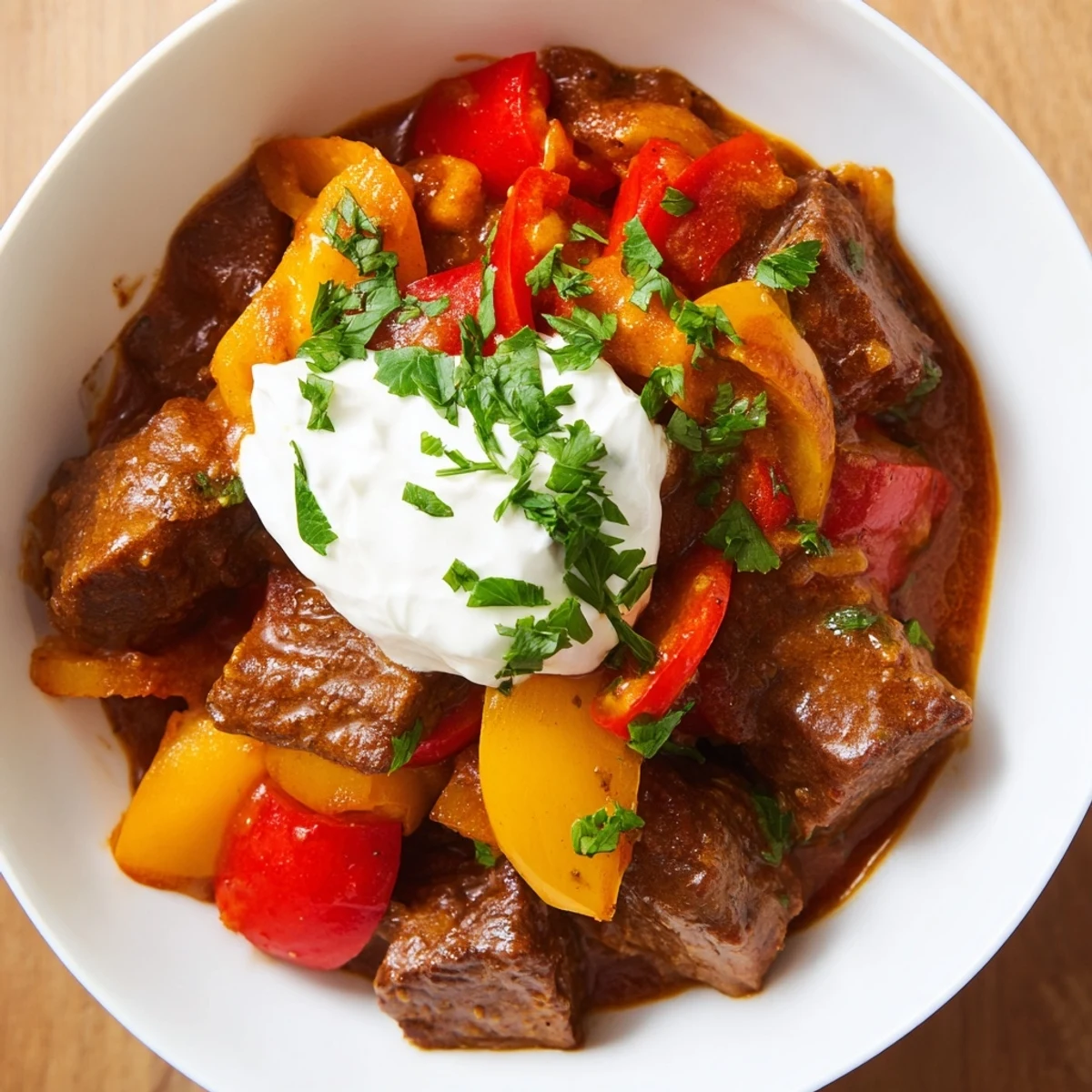
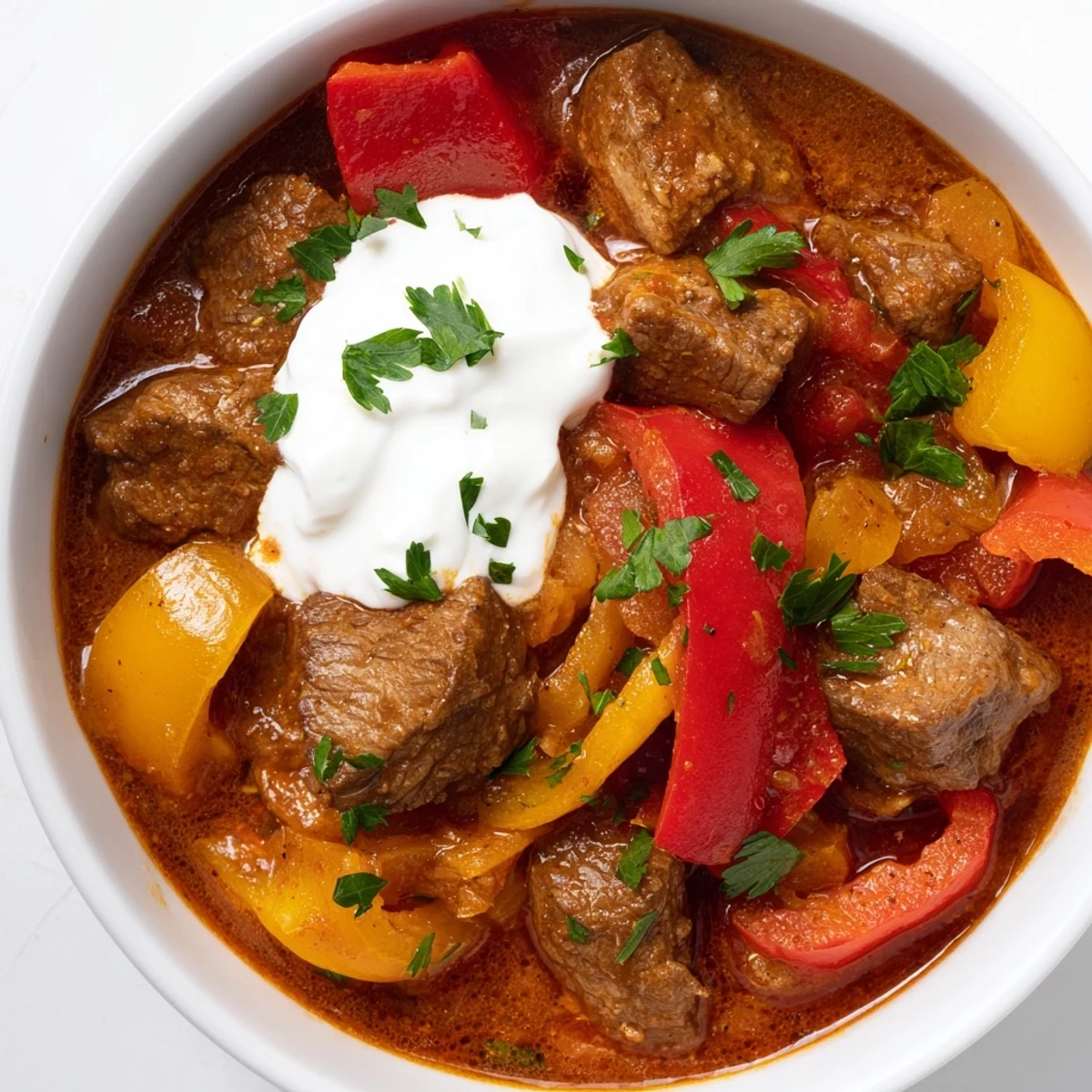
- Ladle into bowls, top with a dollop of sour cream and a scatter of fresh parsley, and serve with bread, noodles, or dumplings on the side.
 Save to Pinterest
 There's a moment late in the cooking when you lift the lid and the steam rises up and clears, and you see the beef has transformed from tough cubes into something yielding and rich. That moment—when you realize time and heat and patience have turned simple ingredients into something magnificent—that's when goulash stops being just dinner and becomes proof that slow cooking is its own kind of magic.
The Soul of Hungarian Cooking
Hungarian cuisine is built on the principle that a few high-quality ingredients, treated with respect and given time, will outshine any complicated technique. Paprika isn't just a spice here—it's the foundation, the heart, the voice of the entire dish. When you taste real Hungarian goulash, you're tasting centuries of a culture that understood that beef, peppers, and paprika together create something greater than their sum. This recipe honors that simplicity while still delivering layers of flavor that make you close your eyes and just breathe it in.
Serving and Pairing
Goulash demands a vehicle to soak up its sauce—crusty bread, buttered egg noodles, or tender dumplings all work beautifully. In winter, I serve it in wide, shallow bowls so you get more sauce-to-beef ratio, topped with a generous dollop of cool sour cream that melts slightly into the warmth. If you're feeling adventurous, a splash of dry red wine added with the broth deepens everything and adds a subtle complexity that wine drinkers especially appreciate.
Why This Recipe Works
The secret to goulash is understanding that it's not really about following steps precisely—it's about building flavor layer by layer. Each stage adds something: the browning creates depth, the onions add sweetness, the spices add warmth, and the long simmer lets everything meld into a coherent whole. The peppers added near the end provide a fresh pop that keeps the dish from feeling one-dimensional. If you follow the steps with a little presence and attention, you'll end up with something that tastes like it took all day, even though most of that time is just the pot doing its work while you do yours.
- Make it ahead—goulash actually tastes better when you reheat it the next day or even two days later, after the flavors have completely settled into each other.
- Freeze it without the sour cream and parsley, which you can add fresh when you warm it up again.
- Smoked paprika gives a completely different but equally delicious result if you want to surprise yourself with a variation.
 Save to Pinterest
 This goulash is the kind of dish that brings people together, fills the kitchen with warmth, and reminds you why cooking matters. Make it when you have time to linger, and serve it to people who will appreciate the care that went into it.
Recipe Help & Support
- → What cut of beef is best for this dish?
-
Beef chuck is ideal because it becomes tender and flavorful when slow-cooked in this dish.
- → Can I use other types of peppers?
-
Yes, red, yellow, or green bell peppers all work well and add vibrant color and sweetness.
- → How does paprika influence the dish?
-
Sweet Hungarian paprika adds a unique smoky and slightly sweet depth, central to the dish's flavor profile.
- → Is there a way to thicken the sauce?
-
Yes, mixing one tablespoon of flour with water and stirring it into the simmering stew thickens the sauce naturally.
- → What side dishes pair well with this meal?
-
Rustic bread, dumplings, or buttered noodles complement the stew’s hearty texture and flavors.