
 Save to Pinterest
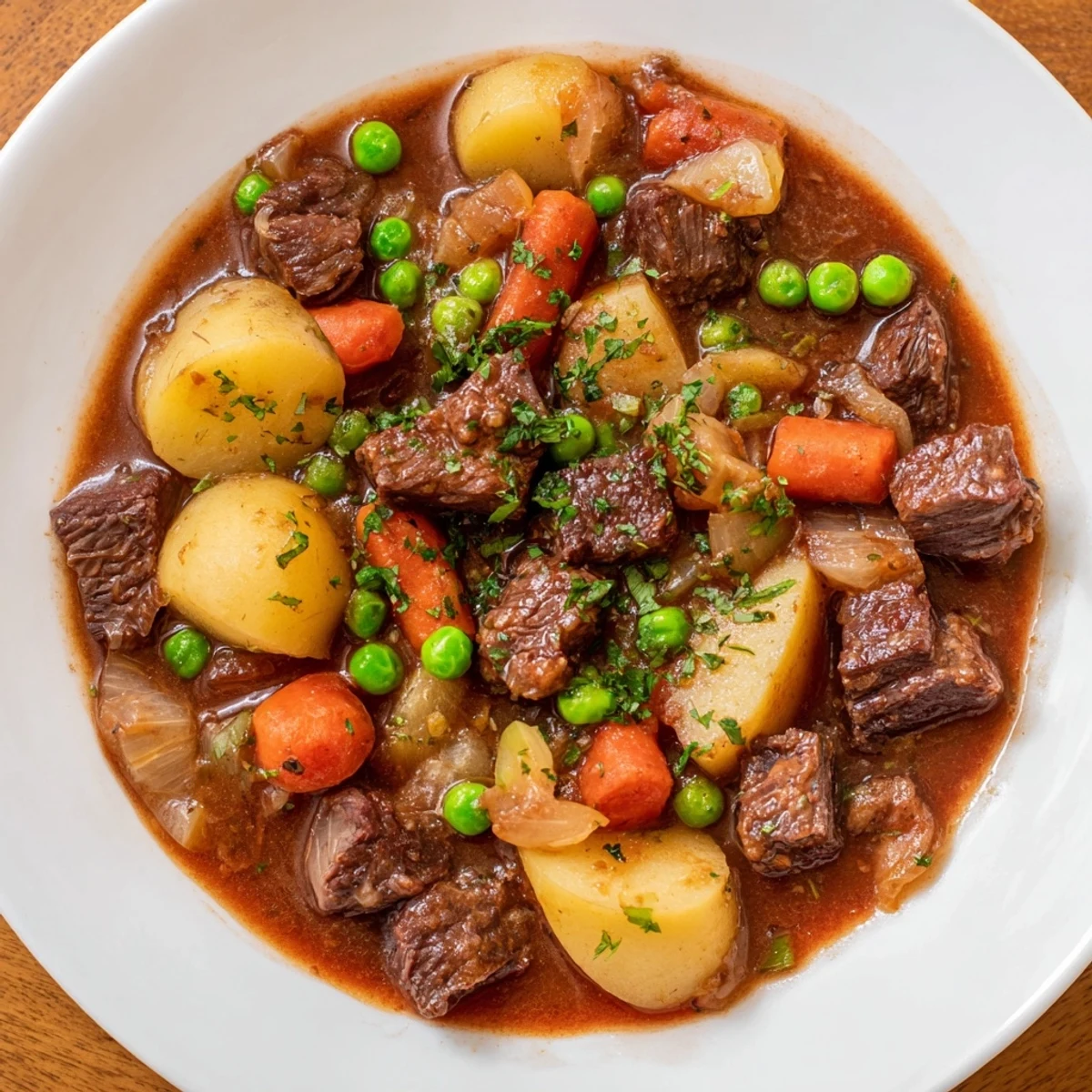
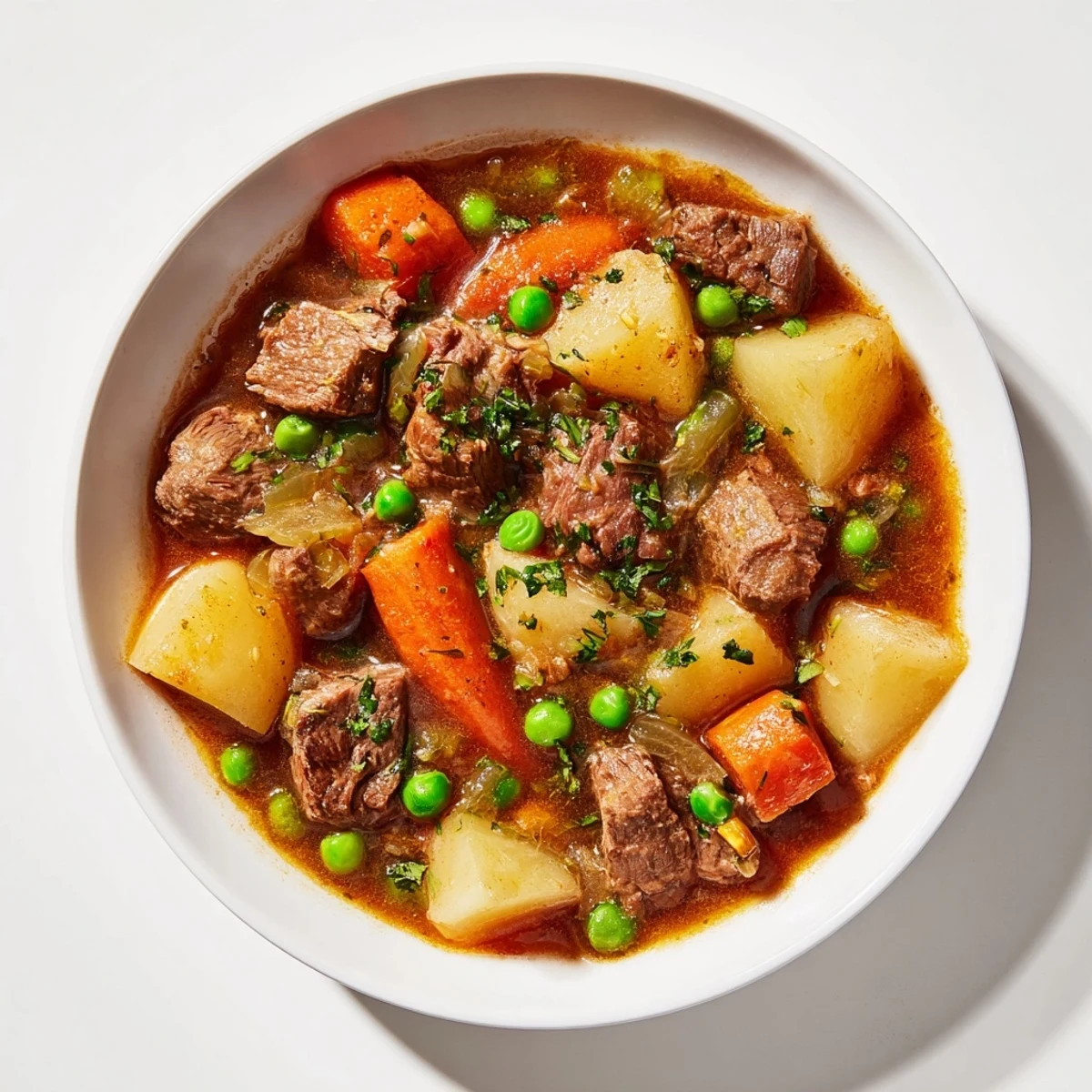
 This wholesome dish brings together tender beef chunks simmered slowly with root vegetables and aromatic herbs in a rich, flavorful broth. The blend of carrots, potatoes, celery, and peas creates a satisfying balance of textures and tastes. Slow cooking melds the flavors, ensuring each bite is hearty and comforting, making it ideal for warming up during cool weather. Garnished with fresh parsley, it offers a rustic, elegant dining experience that pairs well with crusty bread.
There's something about the smell of beef browning in a hot pot that makes a kitchen feel like home. My grandmother used to make this stew on gray afternoons when the wind picked up, and somehow a bowl of it could turn any rough day around. I've since learned that the real magic isn't in following a recipe perfectly, but in taking time to do small things right—like drying the beef before it hits the oil, or scraping up those caramelized bits stuck to the bottom. This is the kind of food that teaches you patience, one simmering hour at a time.
I made this for a dinner party once when I was still nervous about cooking for people who actually knew their way around a kitchen. What I remember most wasn't worrying—it was the relief on everyone's faces when they tasted it, and how the conversation kept flowing because nobody wanted to stop eating. That's when I realized good food isn't about impressing people; it's about giving them permission to relax.
Ingredients
- Beef chuck, 2 lb cut into 1-inch cubes: Chuck is forgiving because the fat and connective tissue break down during long cooking and make the meat impossibly tender—avoid lean cuts that turn dry and stringy.
- Carrots, 3 medium peeled and sliced: These add natural sweetness that balances the wine and depth, and they soften into the broth rather than staying firm.
- Potatoes, 3 medium peeled and cut into 1-inch chunks: Cut them close to cooking time so they don't oxidize, and keep them the same size as the beef so everything cooks evenly.
- Celery, 2 stalks sliced: Celery might seem like filler, but it adds a subtle earthiness that ties everything together.
- Onion, 1 large yellow chopped: Yellow onions sweeten as they cook, creating a foundation for the entire dish.
- Garlic, 3 cloves minced: Add it after the softer vegetables or it will burn and taste bitter.
- Frozen peas, 1 cup: These go in at the very end to stay bright and slightly firm, a textural contrast to everything else.
- Beef broth, 4 cups: Use good broth—not bouillon cubes—because it's the backbone of the whole stew.
- Dry red wine, 1 cup optional: Wine adds complexity and cuts through the richness, but regular broth works fine if you'd rather skip it.
- All-purpose flour, 3 tbsp: This thickens the broth and helps the flavors coat everything evenly.
- Olive oil, 2 tbsp: Just enough to brown the meat without making it greasy.
- Tomato paste, 2 tbsp: A small amount adds umami and depth without making it taste like tomato soup.
- Dried thyme, 1 tsp: Thyme is classic for a reason—it tastes like what comfort food should taste like.
- Bay leaves, 2: These flavor the whole pot quietly, then get fished out before serving.
- Salt, 1 tsp and black pepper, ½ tsp: Season in layers as you cook rather than all at once, so the flavors develop evenly.
- Fresh parsley, 2 tbsp chopped for garnish: This final green brightness reminds you the stew is fresh, not just heavy.
Instructions
- Dry and season your beef:
- Pat the beef cubes dry with paper towels—moisture is the enemy of browning. This small step makes a huge difference in how the meat sears.
- Brown the beef in batches:
- Heat olive oil in a large Dutch oven over medium-high heat and brown the beef in batches, about 4–5 minutes per batch, without crowding the pot. This takes patience, but those caramelized bits stuck to the bottom are pure flavor.
- Build the flavor base:
- In the same pot, sauté the onions, carrots, and celery for 5 minutes until they soften. Add the garlic and cook for 1 more minute, watching so it doesn't burn.
- Make a paste with flour:
- Sprinkle flour over the vegetables and stir everything together so the flour coats all the vegetables. This helps thicken the broth later.
- Deglaze and add depth:
- Stir in the tomato paste, then pour in the red wine (if using), scraping up all those brown bits from the bottom of the pot with a wooden spoon. The wine brings acidity and richness.
- Simmer low and slow:
- Return the beef to the pot and add the potatoes, bay leaves, thyme, and beef broth. Bring everything to a boil, then reduce the heat to low, cover, and simmer for 1½–2 hours until the beef is fork-tender.
- Finish with brightness:
- Remove the bay leaves, stir in the frozen peas, and simmer uncovered for another 5–10 minutes. Taste and adjust the salt and pepper, then garnish with fresh parsley.
 Save to Pinterest
 Once I made this in winter and left the pot simmering while I sat by the window reading, and the smell filled the entire house so completely that it felt like warmth itself. When my partner came home hours later, they just stood in the kitchen and breathed it in before saying anything else—that's when I understood that some dishes aren't just dinner.
Why This Recipe Works
The magic of beef stew lies in its simplicity and time. Each ingredient has a specific job: the beef provides protein and richness, the vegetables add sweetness and body, the broth carries all the flavors together, and the long, slow cooking breaks everything down into something greater than its parts. There's no technique that's hard here—just the willingness to let a pot sit on the stove and do the work for you. That's the kind of cooking that teaches you something about patience.
Variations to Try
This recipe is forgiving enough to swap vegetables based on what you have or what the season offers. Try parsnips or turnips in place of some of the potatoes for an earthier flavor, or add a cup of mushrooms sautéed with the onions for umami depth. Some cooks add a splash of Worcestershire sauce or balsamic vinegar to the broth for extra complexity, which I'd recommend if you want something with more edge.
Serving and Storage
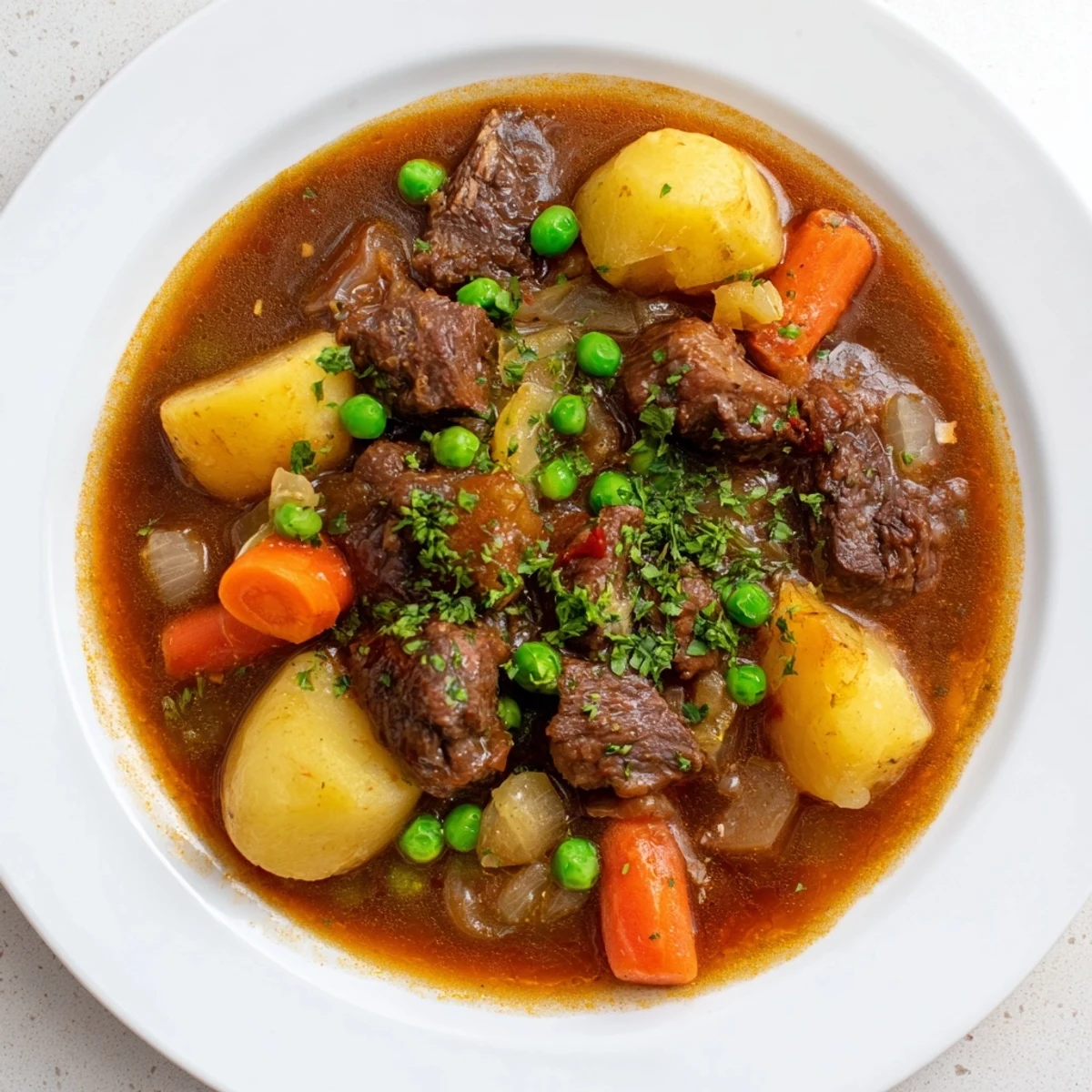
Serve this stew in wide bowls with crusty bread alongside so people can soak up every bit of broth. It pairs beautifully with a dry red wine—the same kind you cooked with, if you used it. Beef stew keeps well in the refrigerator for up to 4 days and actually improves as the flavors meld together overnight. You can also freeze it in portions for up to 3 months, making it perfect for those nights when cooking feels like too much.
- Let the stew cool slightly before refrigerating so the steam doesn't make condensation that waters down the broth.
- Reheat gently over low heat with a splash of broth if it's thickened too much in storage.
- Taste and adjust seasonings after reheating since flavors sometimes dull when chilled.
 Save to Pinterest
 This is the kind of recipe that gets passed down not because it's complicated, but because it works and because it means something. Make it for people you care about, and let the kitchen fill with that warm, beefy smell that says you're taking care of them.