
 Save to Pinterest
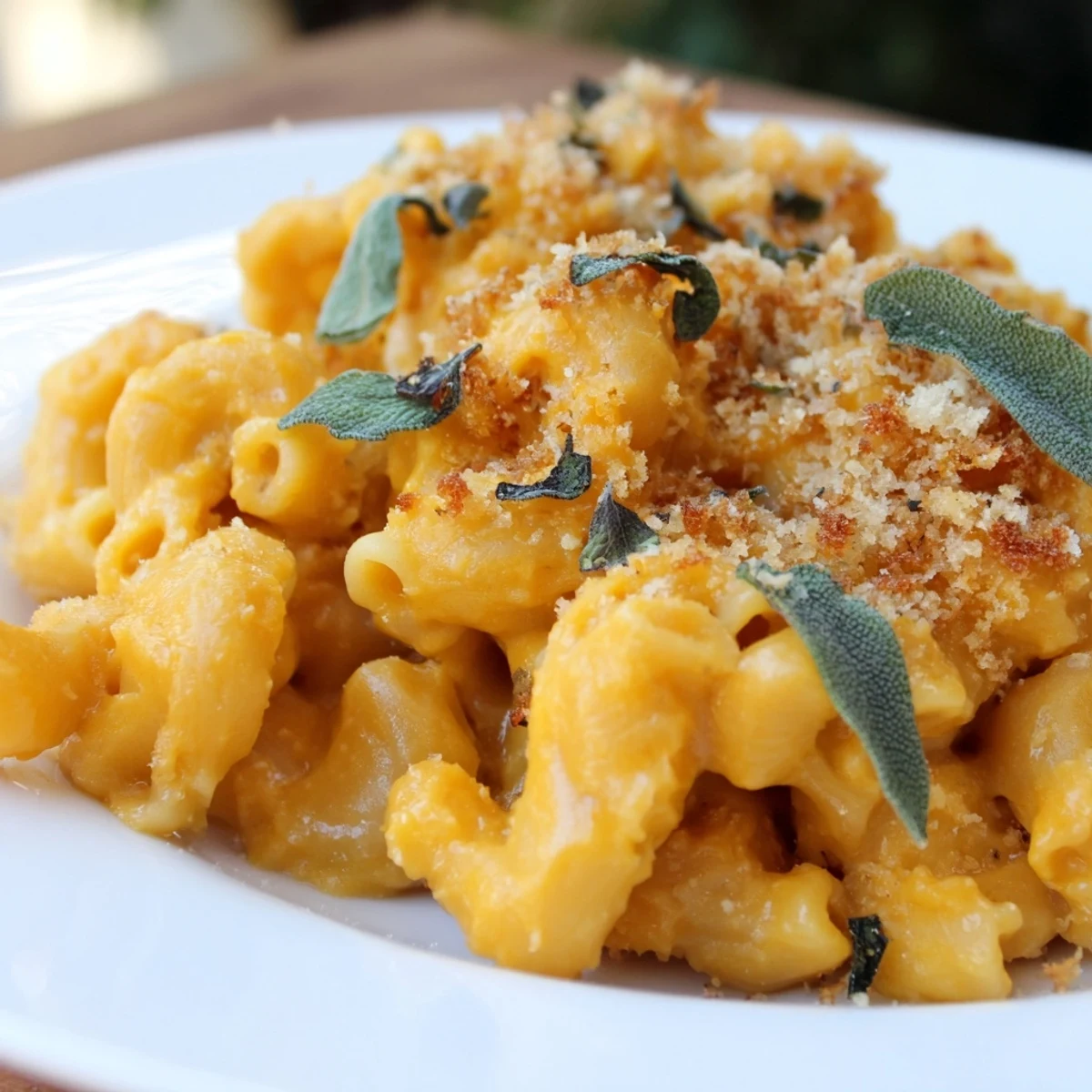
 This dish combines tender elbow macaroni with a smooth sauce made from roasted butternut squash, sharp cheddar, and Gruyère cheeses, all enhanced with fresh sage and nutmeg. The creamy texture is achieved by blending roasted squash into the sauce, while a buttery breadcrumb topping adds a golden finish when baked. Ideal for a cozy autumn meal, this easy main course delivers rich, layered flavors with a hint of earthiness. Optional additions like spinach or mushrooms provide versatility, and substitutions such as sweet potato or gluten-free pasta can tailor it to dietary needs.
There's a particular moment in early November when the farmers market suddenly overflows with butternut squash, and I found myself standing in front of a pyramid of them, wondering how many different ways I could possibly use them before winter. That's when it hit me—why not fold that sweet, roasted flavor into something as comforting as mac and cheese? The first time I made this, the sage did something unexpected, turning what could have been a heavy dish into something with real depth and brightness.
I remember bringing this to a dinner party in October when everyone was tired of pumpkin everything, and watching faces light up when they realized the sweetness came from butternut squash instead. One guest went back for seconds and asked if I'd used any cream, amazed that the sauce could be this silky from just blending in the roasted vegetables.
Ingredients
- Elbow macaroni (340g): Use a sturdy pasta shape that holds sauce in every curve; al dente is non-negotiable here.
- Butternut squash (450g): Dice it roughly the size of a grape for even roasting, and don't skip the caramelization step.
- Olive oil (1 tbsp): Just enough to coat the squash so it browns rather than steams.
- Unsalted butter (2 tbsp): This becomes the base for your roux, so avoid salted versions that throw off the seasoning.
- Fresh sage (1 tbsp): The whole point of this dish; use fresh, never dried, and chop it fine so it releases its oils into the sauce.
- Sharp cheddar and Gruyère (150g and 75g): The combination matters—sharp cheddar brings tang, Gruyère adds nuttiness that plays beautifully with sage.
- Ground nutmeg (1/2 tsp): This tiny amount is a secret weapon that ties butternut squash and sage together in ways your guests won't quite be able to name.
- Panko breadcrumbs (30g): Optional but worth it for that final golden crust that gives texture to the otherwise creamy dish.
Instructions
- Roast the squash while you prep everything else:
- Toss your diced butternut squash with olive oil, salt, and pepper, then spread it on a baking sheet and slide it into a 200°C oven. You're looking for the edges to turn light gold and the flesh to be completely tender, which takes about 20–25 minutes. This step is where the magic starts—the dry heat concentrates the squash's sweetness and gives it a subtle caramelized flavor.
- Cook pasta and build your base:
- Get your pasta water salted generously and set it boiling while the squash roasts. Cook the pasta just until al dente—it's going to soften slightly more when you fold it into the hot sauce, so don't overcook it. In a separate large saucepan, melt butter over medium heat, add your finely chopped onion, and let it soften for 3–4 minutes until it's completely translucent.
- Create the sauce foundation:
- Once the onion is soft, stir in your minced garlic and chopped sage, cooking for just 1 minute so the sage releases its flavor without browning. Sprinkle in the flour, stirring constantly for another 1–2 minutes to cook out the raw flour taste. This roux is your thickening agent, so don't skip this step.
- Build to a simmer:
- Slowly pour in your milk and vegetable broth, whisking as you go to prevent lumps from forming. The broth adds savory depth that pure cream would miss. Stir frequently and let it come to a gentle simmer, which should take about 3–4 minutes and will thicken noticeably.
- Puree until silky:
- Once the sauce has thickened, add your roasted butternut squash and blend it until completely smooth using an immersion blender or regular blender working in batches. This creates the signature creamy texture without any actual cream.
- Melt in the cheese gently:
- Lower the heat to just barely a simmer, then stir in your grated sharp cheddar and Gruyère along with the nutmeg. Add cheese slowly, stirring constantly, and taste as you go because it seasons much faster than you'd expect. Finish with salt and pepper to taste.
- Combine and finish:
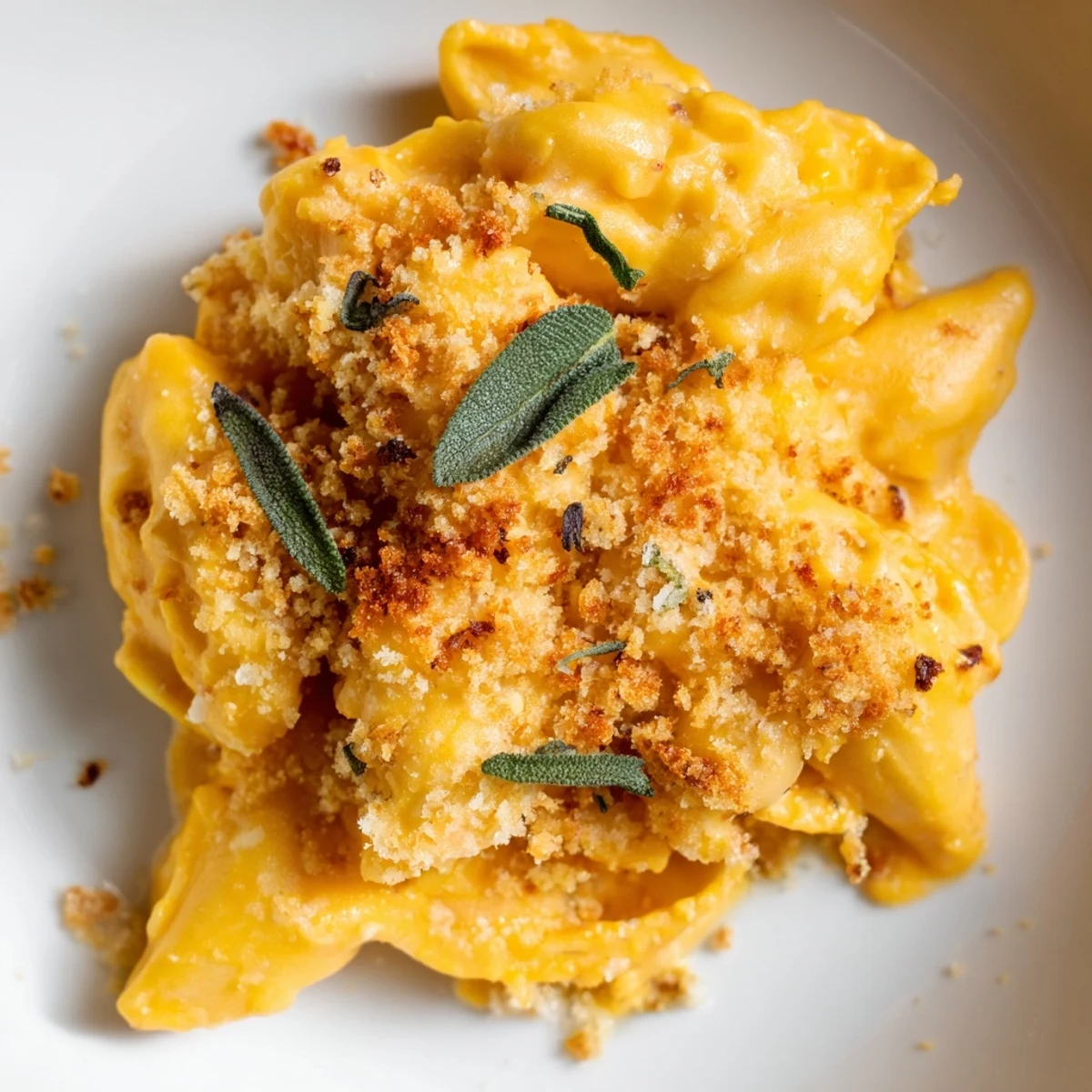
- Gently fold the cooked pasta into your cheese sauce, coating every piece evenly. If you're going the baked route, transfer everything to a greased baking dish, mix your panko breadcrumbs with melted butter and Parmesan, scatter it over the top, and slide the whole thing under the broiler for 2–3 minutes until the topping turns golden and crispy.
 Save to Pinterest
 The first time someone who thought they didn't like butternut squash finished a whole bowl, I knew this recipe had become something special. It's the kind of dish that makes you feel like you actually know what you're doing in the kitchen, even though it's mostly just following instinct.
The Sage Question
Sage is bold, almost peppery in its freshness, and it needs respect. A lot of people skim over herbs, thinking they're just garnish, but in this dish the sage is doing the real work—it's what separates this from tasting like butternut squash puree masquerading as mac and cheese. Use it fresh, use it generously in the sauce, and use it again at the very end scattered over the top so people catch those little hits of flavor with every bite. If you can only find dried sage, use one-third the amount and crumble it between your palms as you add it so it releases whatever aromatics it's still holding onto.
Texture and the Golden Top
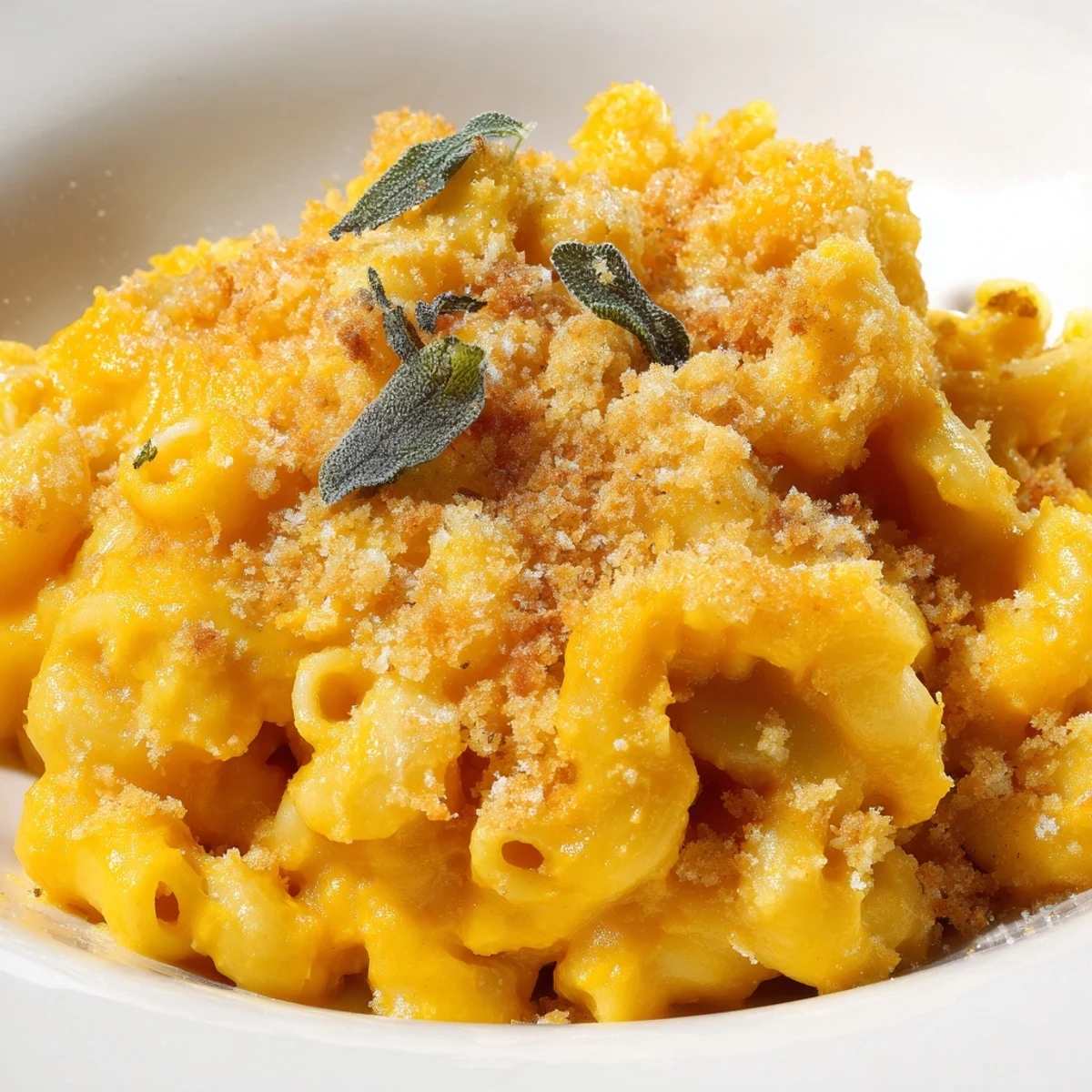
The creamy sauce is the main event, but having something textured on top changes how your mouth experiences the whole dish. That panko topping broiled until golden gives you a moment of crunch before the creamy richness takes over again, and that contrast makes the meal more interesting. If you skip it, you'll have an absolutely delicious creamy mac and cheese, but you'll be missing that little finishing flourish that makes people say it tastes like a restaurant dish.
Timing and Temperature Control
This entire recipe lives in the medium-to-low heat zone; there's no rushing, and there's no benefit to cranking the burner up. High heat will break your sauce, scorch your aromatics, and rush the roasting so the squash stays tough. Give yourself the full time, taste as you go, and adjust seasonings just before serving because some of the salt will concentrate as things cool slightly.
- Make the entire thing up to the point of adding pasta an hour ahead of time and reheat gently when you're ready to serve.
- The broiler topping should be added only right before serving or it'll get soggy if it sits in the hot sauce.
- Leftover mac and cheese reheats beautifully in a low oven with a splash of milk stirred back in to restore the creamy texture.
 Save to Pinterest
 This is the kind of dish that reminds you why cooking for people matters, and why sometimes the most comforting food is the one that surprises you. It's autumn on a plate without trying too hard to be.
Recipe Help & Support
- → How do I roast the butternut squash properly?
-
Toss diced squash with olive oil, salt, and pepper, then roast at 200°C (400°F) for 20–25 minutes until soft and caramelized.
- → Can I use other types of cheese?
-
Sharp cheddar and Gruyère provide a balanced flavor, but you can substitute with similar melting cheeses like fontina or mozzarella.
- → What is the purpose of blending the roasted squash?
-
Blending ensures a smooth, creamy sauce texture while incorporating the squash’s natural sweetness and flavor evenly.
- → Is it possible to make this dish gluten-free?
-
Yes, by using gluten-free pasta and substituting the all-purpose flour with a gluten-free alternative for thickening.
- → How can I add extra vegetables?
-
Sautéed mushrooms or spinach can be stirred in before combining pasta and sauce for added texture and nutrition.