
 Save to Pinterest
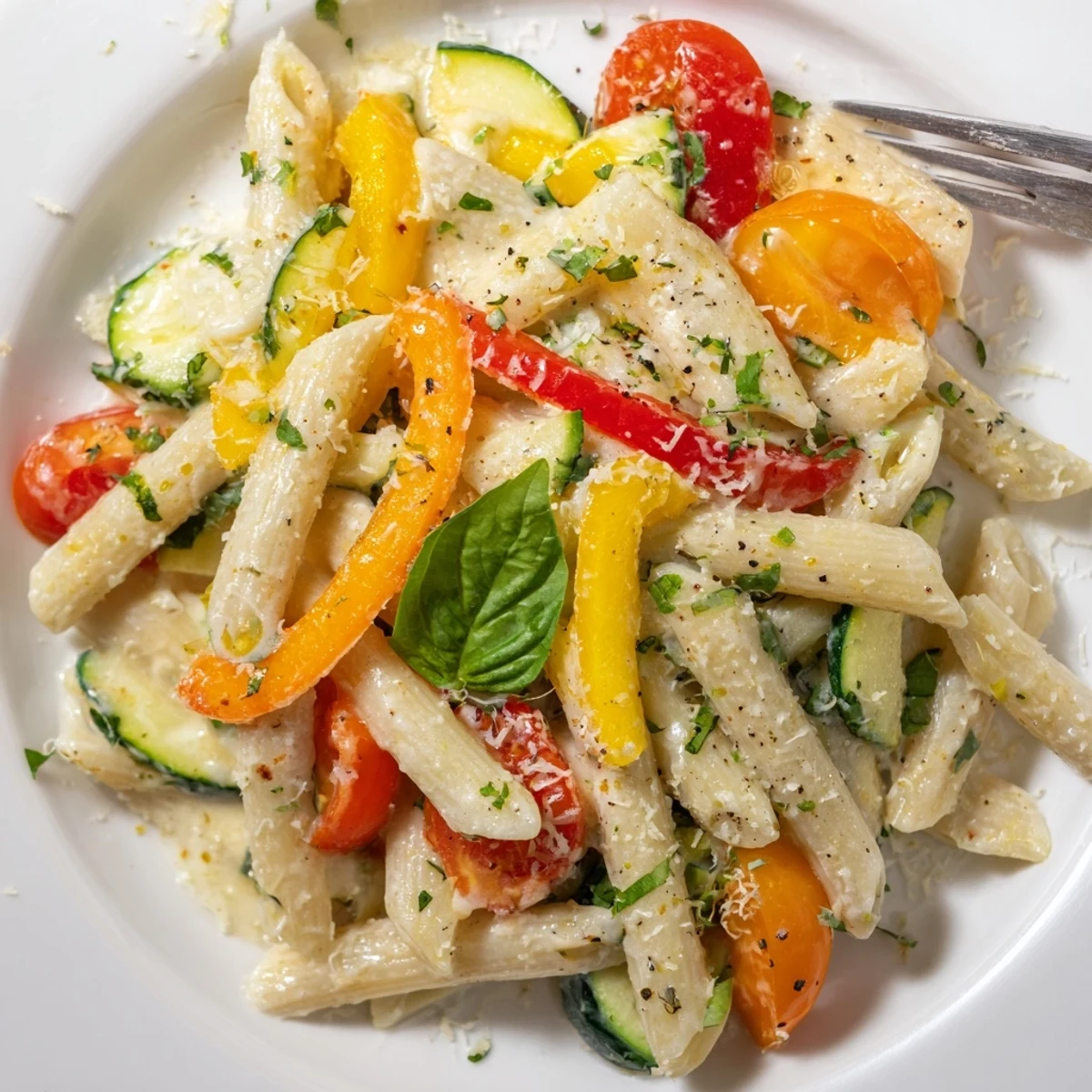
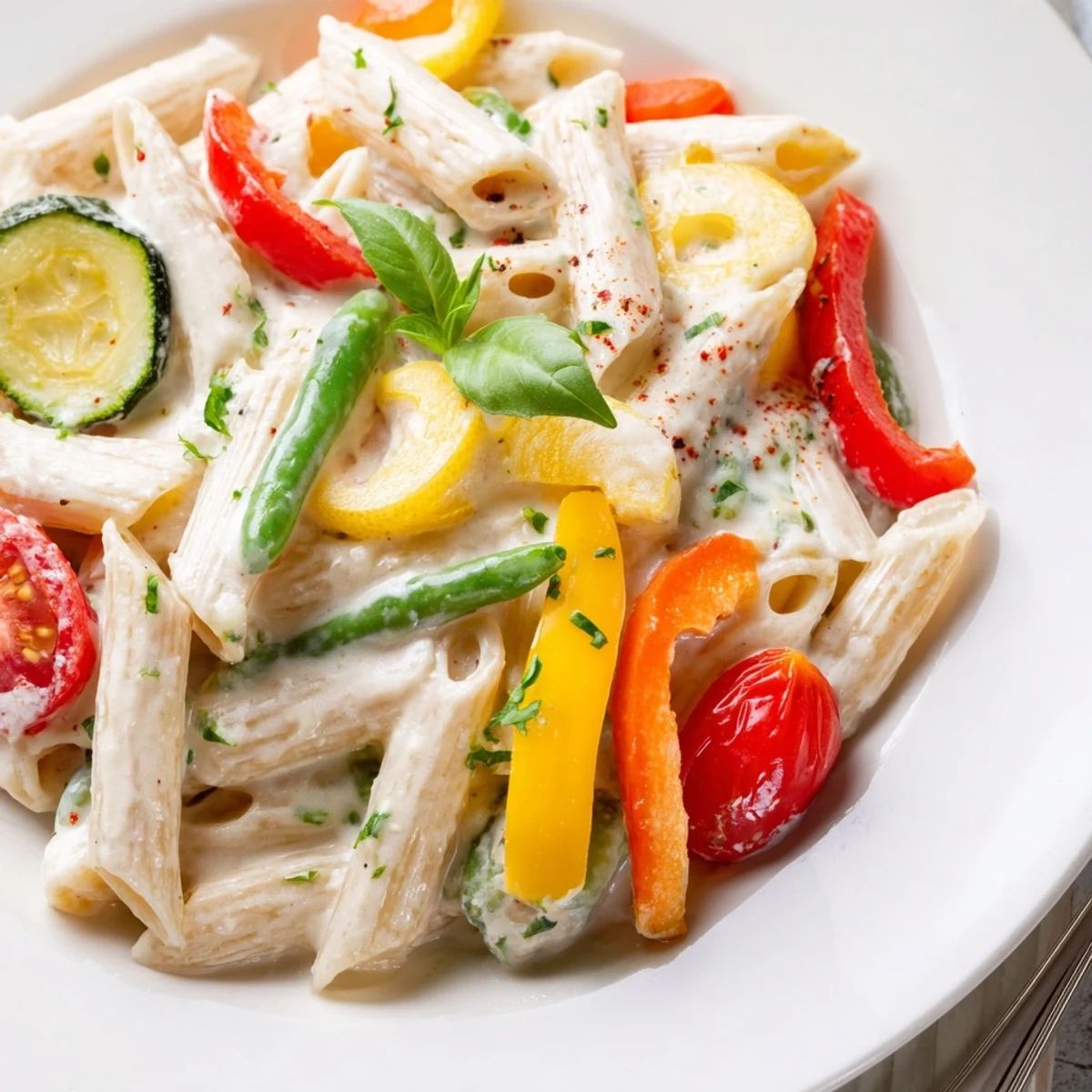
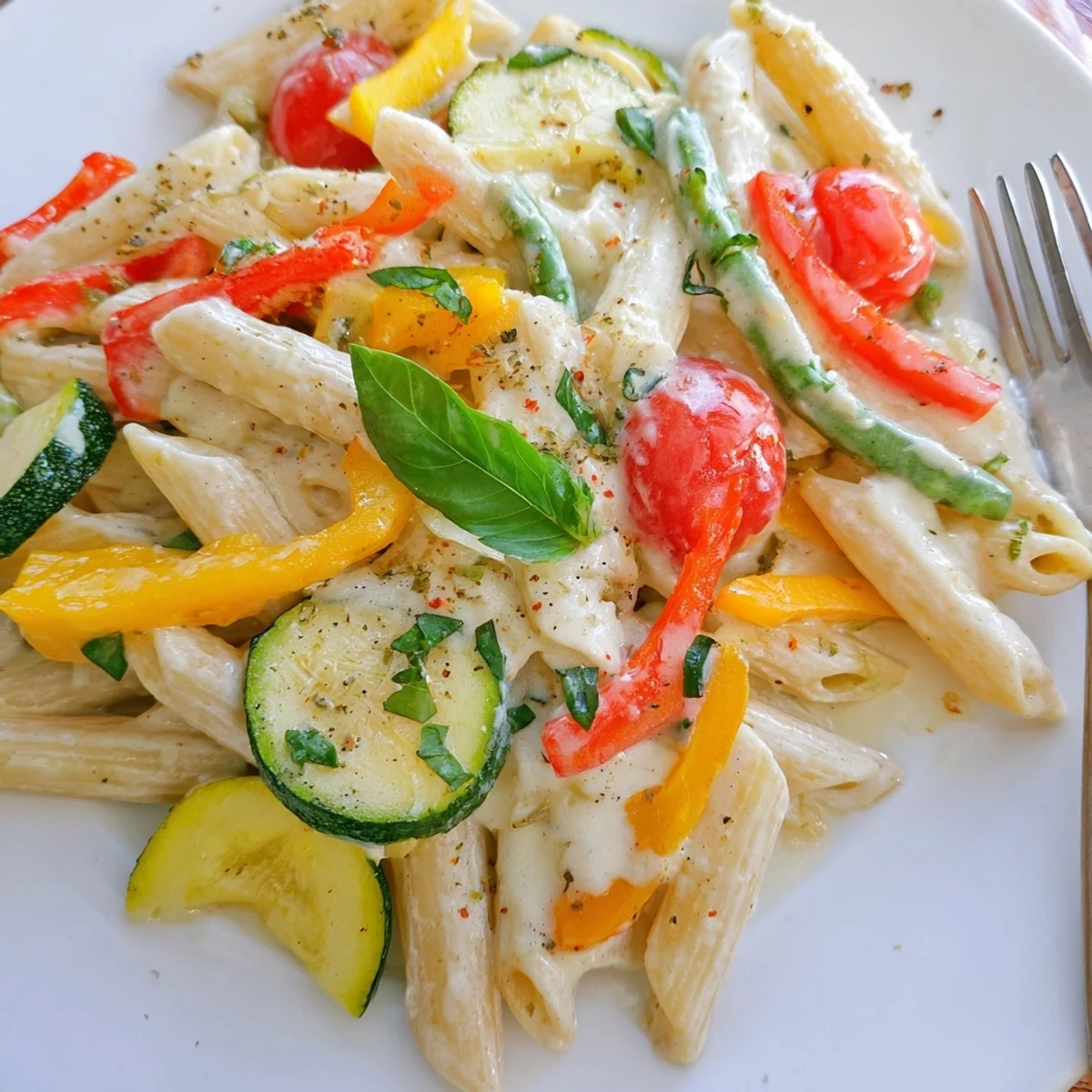
 This creamy pasta primavera combines tender penne or fettuccine with a medley of fresh spring vegetables like zucchini, bell peppers, carrots, cherry tomatoes, and sugar snap peas. Garlic sautéed in olive oil and butter warms the dish before a silky heavy cream and lemon zest sauce ties all ingredients together. Finished with grated Parmesan and fresh basil, this flavorful dish is quick to prepare and offers a vibrant, satisfying meal perfect for vegetarian dining. Adjust vegetables seasonally or add proteins for variety.
There's something about spring that makes me crave bright, creamy pasta—the kind that tastes like you've tucked vegetables into silk. Years ago, a friend who'd just returned from Italy casually mentioned she made primavera without any fancy technique, just good timing and butter. That stuck with me. Now whenever I make this, I think about how she wasn't precious about it at all; she just let the vegetables and cream do what they naturally do together.
I made this for a small dinner party once, and someone asked if I'd cooked professionally because the colors were so vivid on the plate. I laughed—it was pure luck that I'd halved the tomatoes just before serving and hadn't let them sit around getting dull. That moment taught me that half the magic of this dish is keeping everything as fresh as possible until the very last second.
Ingredients
- Penne or fettuccine pasta (350 g): Penne catches the cream beautifully in its ridges, but fettuccine is just as lovely if you want something silkier. Don't skip the step of reserving pasta water—it's your secret weapon for loosening the sauce without adding more cream.
- Zucchini (1 medium, sliced into half-moons): Half-moons cook more evenly than spears and give you nice surface area for the heat to do its work. They should still have a tiny bit of resistance when they hit your tongue.
- Red and yellow bell peppers (1 of each, thinly sliced): The thinner you slice, the faster they soften and the better they distribute throughout the dish. Their sweetness is what balances the richness of the cream.
- Carrot (1 medium, julienned): Thin carrot slivers add crunch and a subtle sweetness without being obvious about it. Julienne them thin enough that they won't need extra cooking time.
- Cherry tomatoes (1 cup, halved): Halving them matters because it prevents them from rolling around and lets them release their juice into the sauce. Add them late to keep them from turning to mush.
- Sugar snap peas (1 cup, trimmed): These stay crisp and sweet if you don't overthink them, which I appreciate. They're forgiving and add a playful crunch.
- Garlic (2 cloves, minced): Garlic flavors the whole foundation, but don't let it brown or it'll taste bitter. Fresh and quick is the move.
- Olive oil (2 tbsp) and unsalted butter (2 tbsp): The combination gives you richness from the butter and a fruity note from the oil. Start with this base and don't skip either one.
- Heavy cream (200 ml): This is what turns everything into something that feels special. If you're worried about richness, remember that pasta water will thin it out as you finish.
- Parmesan cheese (80 g, grated): Fresh grated is worth the extra minute—pre-grated has cellulose in it that keeps it from melting as smoothly. Grate it just before you need it.
- Lemon zest (from 1 lemon): This is the ingredient that lifts everything and keeps it from tasting heavy. It sounds optional but it's not—it changes the whole dish.
- Salt, black pepper, fresh basil (2 tbsp chopped), and extra Parmesan for garnish: Season as you go, taste before you plate, and add basil at the very end so it stays bright and alive.
Instructions
- Get your water boiling and pasta cooking:
- Fill a large pot about three-quarters full with water, salt it generously until it tastes like the sea, and bring it to a hard boil. Add pasta and stir it once so it doesn't stick, then set a timer according to the package—you want it tender but with a tiny bit of resistance, not soft all the way through.
- Start the vegetables while pasta cooks:
- Heat olive oil and butter together in your skillet over medium heat, then add the garlic and let it become fragrant and golden at the edges, maybe a minute. Add your zucchini, both bell peppers, and carrot all at once, stirring occasionally, letting them soften just slightly without losing their texture—three to four minutes is right.
- Layer in the tender vegetables:
- Toss in the snap peas and halved tomatoes, stirring gently so nothing breaks apart, and give them two to three minutes to warm through. You're looking for everything to be tender enough to eat easily but still have some body to it.
- Build the cream sauce:
- Lower your heat to medium-low, pour in the heavy cream and add your lemon zest, stirring until everything combines into something silky. Let it all simmer very gently for a couple of minutes so the flavors have a chance to know each other.
- Bring it all together:
- Add your drained pasta directly to the skillet, sprinkle the Parmesan over everything, and toss it all together, using a little of that reserved pasta water if it feels too thick. It should flow easily without being soupy.
- Finish with brightness:
- Taste it and season with salt and pepper, then fold in the basil right before it hits the plate so it stays green and fresh. Serve it immediately with extra Parmesan and basil scattered on top if you like.
 Save to Pinterest
 This dish became a comfort food for me the night my partner came home stressed and I threw it together because it was the only thing that felt both nourishing and like I wasn't trying too hard. They ate two plates without saying much, and that was enough. Sometimes food doesn't need to announce itself.
How to Keep Your Vegetables Vibrant
The trick to primavera is that you're not trying to cook vegetables until they disappear into softness—you're timing them so they all arrive at the table still looking like themselves. I learned this by watching a neighbor chop vegetables in her tiny kitchen, and she explained that everything should have just enough heat to relax, not to surrender. Once you start thinking about vegetables this way, you'll notice it in every dish you make.
The Lemon Zest Makes All the Difference
I used to skip the lemon because I thought cream already tasted rich enough, but lemon zest is what keeps a creamy pasta from tasting heavy. It's citrus without the liquid, so it brightens everything without making it taste sour. One time I forgot it and the dish tasted flat, even though every other ingredient was perfect.
Variations and Serving Suggestions
This pasta is already beautiful on its own, but it's also a blank canvas if you're in the mood to improvise. I've added grilled chicken when someone needed more protein, sautéed shrimp when I wanted to make it feel fancier, and swapped in asparagus or broccoli when spring turned into summer and zucchini was everywhere. The sauce holds onto whatever you add, so trust your instincts.
- For protein, cook sliced chicken or shrimp separately and toss it in just before serving so it stays tender.
- Seasonal swaps include asparagus in spring, broccoli for something earthier, or green beans if you want a different texture.
- If you need it gluten-free or use whole wheat pasta, the timing stays the same—just follow your pasta package directions.
 Save to Pinterest
 This is the kind of recipe that feels fancy but asks almost nothing of you—just attention and good timing. Make it whenever you want something that tastes like spring and feels like home.
Recipe Help & Support
- → What pasta types work best in this dish?
-
Penne or fettuccine are ideal as they hold the creamy sauce well and balance the vegetable textures.
- → Can I substitute the heavy cream?
-
Whole milk or half-and-half can be used for a lighter sauce, but the texture will be less rich and creamy.
- → How to keep the vegetables crisp-tender?
-
Sauté vegetables briefly until just tender, then avoid overcooking by adding softer ingredients later in the process.
- → What can I add for extra protein?
-
Sautéed shrimp, grilled chicken, or toasted nuts like pine nuts can boost protein content and add flavor.
- → How to make this dish gluten-free?
-
Use gluten-free pasta varieties and ensure any additional ingredients are also gluten-free.
- → How to adjust seasoning for best flavor?
-
Season with salt and freshly ground black pepper gradually, tasting as you mix to balance flavors properly.