
 Save to Pinterest
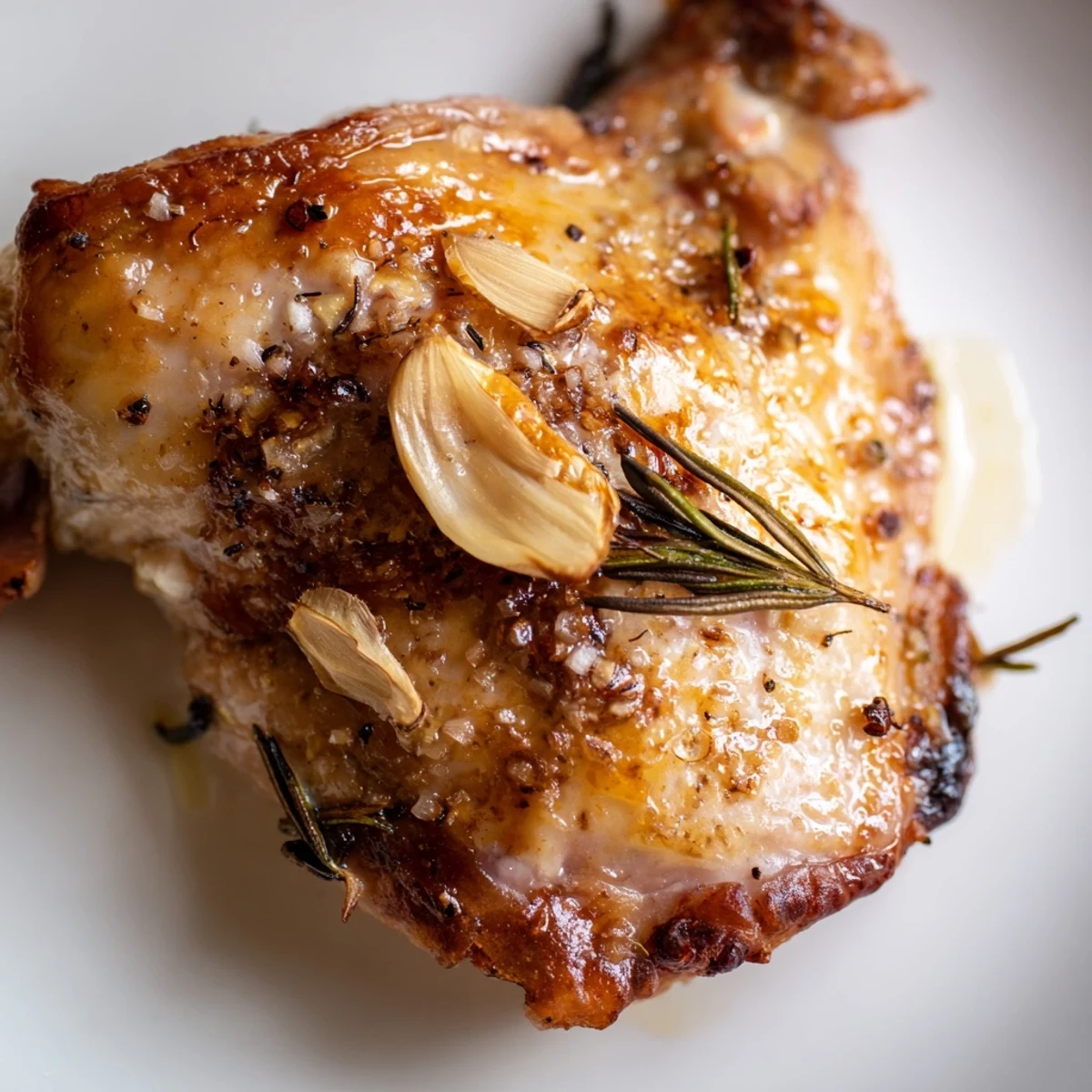
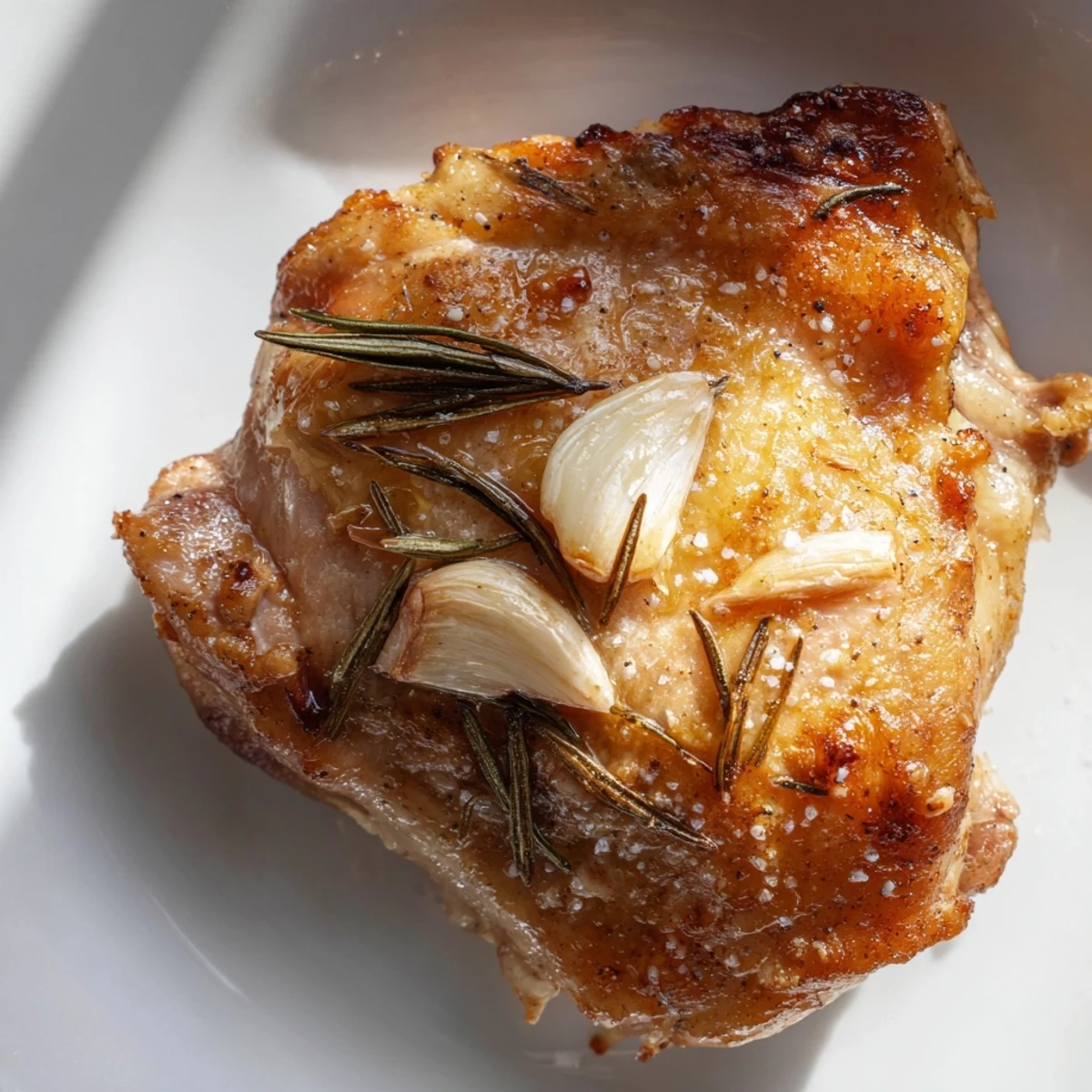
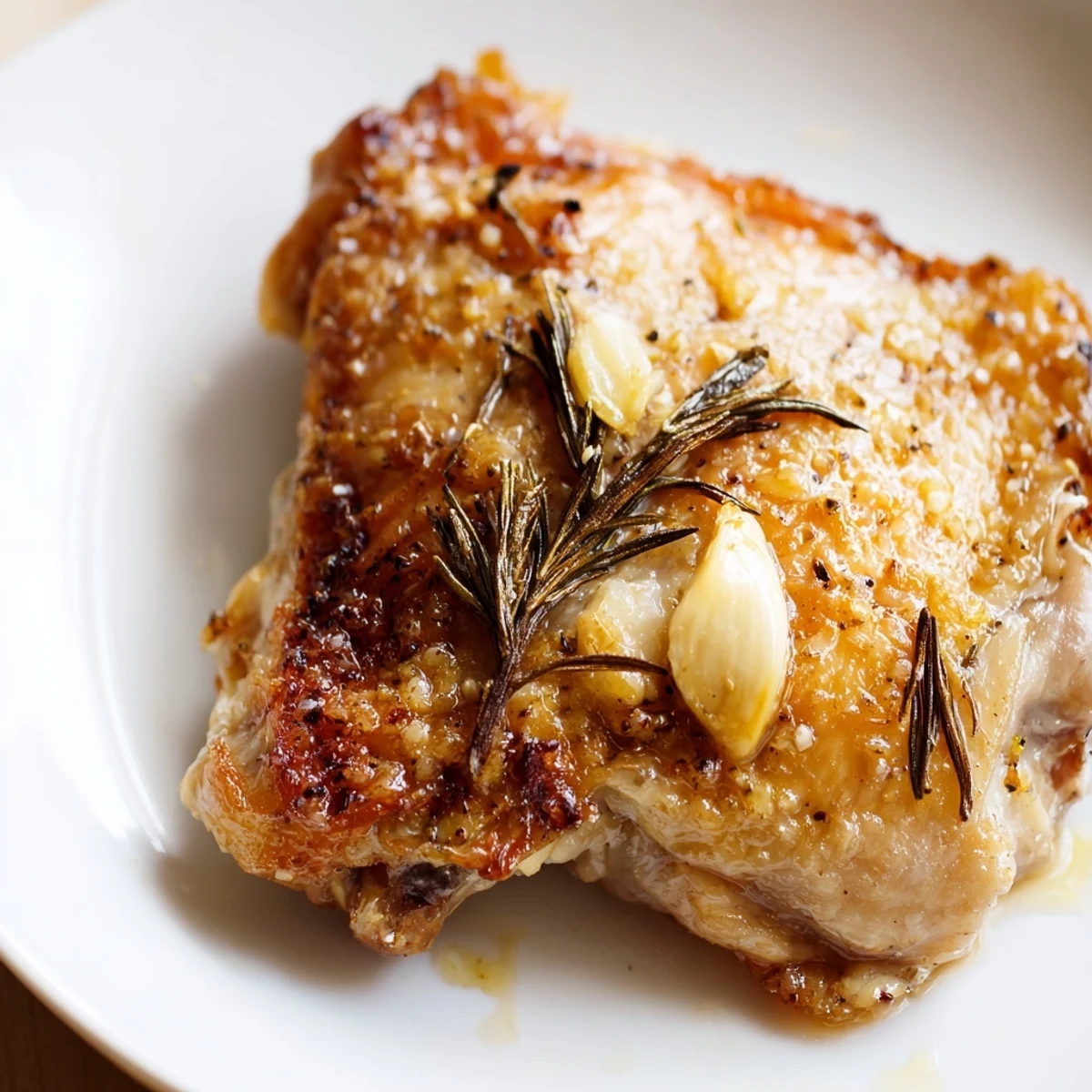
 Enjoy tender chicken thighs with perfectly crisped skin, enhanced by aromatic rosemary, garlic, and zesty lemon. This dish combines simple ingredients with straightforward techniques: first searing the skin to a golden crackle, then roasting to juicy perfection. The inclusion of fresh rosemary and garlic infuses a fragrant, savory depth, while lemon zest adds a bright finish. Ideal for a wholesome meal served with sides like roasted vegetables or fresh salad.
There's something about the sound of chicken skin crisping in a hot pan that makes me stop and just listen. Years ago, a friend's mother taught me that the snap and crackle matters as much as the golden color—it means you're not rushing, and the skin is doing exactly what it should. That lesson changed how I cook chicken thighs forever, turning what used to feel like an everyday protein into something I actually look forward to making.
I made this for a small dinner party last spring when someone mentioned they were tired of chicken breast, and honestly, watching everyone's faces when they bit into that crackling skin made the whole meal feel special. One guest asked for the recipe before dessert even arrived, which felt like the highest compliment possible.
Ingredients
- Bone-in, skin-on chicken thighs (4, about 700–800 g): The bone keeps the meat moist while the skin does the heavy lifting in terms of flavor and texture.
- Kosher salt (1½ tsp): Don't skip the drying step before salting—it's the real secret to crispiness.
- Freshly ground black pepper (½ tsp): Fresh grinding makes an actual difference here.
- Olive oil (2 tbsp): Use something you'd actually taste; the oil flavors the whole dish.
- Fresh rosemary sprigs (2–3, plus extra): Strip some leaves into the oil toward the end so they crisp up and become little flavor bombs.
- Garlic cloves (3, smashed): Smashing them rather than mincing releases more of that sweet, mellow garlic flavor.
- Lemon zest (from 1 lemon): The zest adds brightness without the acidity of juice, which would steam the skin instead of crisping it.
- Lemon wedges (optional, for serving): Squeeze these over at the very end if you want a bright lift.
Instructions
- Heat your oven and prep the thighs:
- Get your oven to 425°F (220°C) while you pat those chicken thighs completely dry with paper towels—any moisture is the enemy of crispy skin. Season generously on both sides with salt and pepper, and let them sit for a minute so the seasoning can start doing its work.
- Get the skin golden:
- Heat olive oil in a large ovenproof skillet over medium-high heat until it shimmers, then lay the chicken thighs skin-side down and don't touch them for 7–8 minutes. You'll hear the sizzle soften as the rendering fat creates that beautiful crackling texture.
- Build the flavor around the chicken:
- Once the skin is golden and crisp, scatter rosemary sprigs, smashed garlic cloves, and lemon zest around the chicken in the skillet, letting them nestle into that hot oil.
- Finish in the oven:
- Transfer the whole skillet to the oven and roast for 20–25 minutes until the internal temperature hits 165°F (74°C). The oven's dry heat will keep that skin crackling while gently finishing the cooking.
- Rest and serve:
- Let the chicken rest for 5 minutes before serving—this keeps the meat from drying out when you cut into it. Garnish with fresh rosemary and lemon wedges if you're feeling fancy.
 Save to Pinterest
 The first time I served this to someone who claimed they only liked white meat, they ate two thighs and asked if I'd made a mistake in the recipe. Watching someone discover what they've been missing feels like a small kitchen victory every single time.
The Alchemy of Crispy Skin
Crispy chicken skin isn't magic—it's physics and patience working together. The key is understanding that rendering happens gradually, and you can't rush it by turning up the heat too high at the start. I learned this by scorching the outside while the inside of the skin stayed soft, which taught me to respect medium-high heat and let time do the actual work. Once you understand that the skin needs uninterrupted contact with that hot oil to render its fat properly, everything else becomes intuitive.
Why Thighs Over Breasts
Chicken thighs are forgiving in a way that breasts simply aren't, and that alone makes them worth cooking more often. The meat has more fat running through it, so even if you're a minute or two over on cooking time, the thighs stay moist and tender while breasts turn into rubber. That margin for error used to feel like cheating, until I realized it just meant I could focus on getting the skin perfect instead of watching the clock anxiously.
Beyond the Basics
This recipe is genuinely lovely as written, but it also plays well with variations depending on the season or what's growing in your garden. I've made it with thyme in late summer, scattered torn sage leaves over the pan in autumn, or added a splash of white wine at the end if I'm feeling reflective. The base is so solid that minor changes usually only add to it rather than detract.
- Try marinating the thighs in olive oil, lemon zest, and rosemary for up to 4 hours if you want deeper flavor.
- Serve alongside roasted root vegetables, creamy mashed potatoes, or a bright salad to balance the richness.
- Thyme, sage, or oregano work beautifully as rosemary substitutes if that's what's on hand.
 Save to Pinterest
 This dish reminds me why simple cooking often tastes the best—when you're working with good ingredients and respecting their nature, you don't need much else. It's the kind of meal that brings people to the table quietly happy, which is exactly what food should do.
Recipe Help & Support
- → How do you achieve crispy skin on chicken thighs?
-
Pat the skin dry and cook skin-side down in hot olive oil without moving it until golden brown and crisp before roasting.
- → What temperature ensures chicken thighs are fully cooked?
-
The internal temperature should reach 165°F (74°C) to ensure safe and juicy results.
- → Can thyme be used instead of rosemary?
-
Yes, thyme offers a different herbal aroma that complements the chicken well as an alternative to rosemary.
- → What sides pair well with this dish?
-
Roasted vegetables, mashed potatoes, or a fresh salad complement the flavors and textures perfectly.
- → Is marinating the chicken necessary?
-
Marinating for a few hours in olive oil, lemon zest, and rosemary enhances flavor but is optional.