
 Save to Pinterest
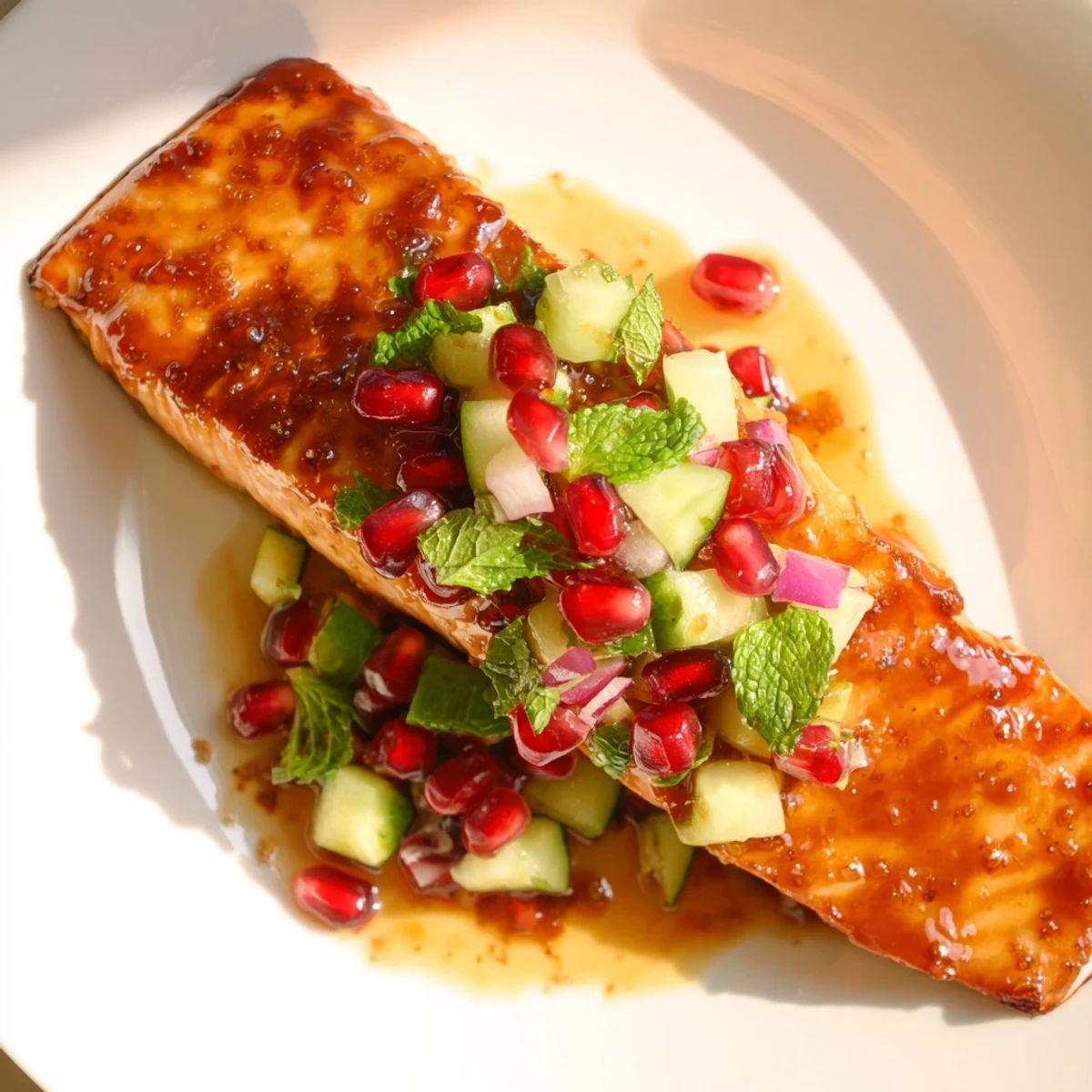
 This dish features delicate salmon fillets brushed with a honey-soy glaze then baked and broiled to perfection, creating a caramelized finish. A fresh salsa of pomegranate seeds, cucumber, red onion, cilantro, and mint brings bright acidity and texture, balancing the rich glaze. It’s a quick and easy main course, ideal for a wholesome meal with vibrant colors and refreshing flavors. Pair with grains or roasted vegetables for a complete plate.
I discovered this glazed salmon recipe during a summer gathering when I wanted to impress guests with something elegant yet effortless. The combination of that sticky-sweet glaze catching the heat from the broiler, topped with jewel-like pomegranate seeds, felt like restaurant-quality cooking I could actually pull off on a weeknight.
The first time I nailed this dish was when unexpected dinner guests arrived and I had salmon in the freezer. That initial panic melted the moment I realized how the glaze caramelizes under the broiler into this gorgeous mahogany finish, and the pomegranate salsa came together faster than any side dish I could make.
Ingredients
- Salmon fillets (4, about 150 g each): Look for fillets that feel firm and smell clean like the ocean. Skinless makes plating easier, though skin-on works beautifully if that's what you have.
- Olive oil (3 tbsp total): Use something good enough you'd drizzle on bread. It makes a difference in the final flavor.
- Salt and black pepper: Fresh cracked pepper matters more here than you'd think.
- Honey (3 tbsp): The sweetness balances the salty soy sauce into something that tastes elegant, not cloying.
- Soy sauce (2 tbsp): Go gluten-free if you need to, or use coconut aminos for a milder flavor.
- Fresh lemon juice (2 tbsp): Never use the bottled stuff for this. The brightness is the whole point.
- Dijon mustard (1 tsp): This little bit adds umami depth that makes people ask what your secret ingredient is.
- Garlic clove (1 small, minced): Mince it fine so it disappears into the glaze rather than appearing in bites.
- Pomegranate seeds (1 cup): The real jewels here. Fresh is non-negotiable.
- Cucumber (1/2 cup, finely diced): The cool crunch against warm salmon is everything.
- Red onion (1/4 cup, finely diced): This is where the salsa gets its edge. Don't skip it.
- Fresh cilantro and mint (2 tbsp and 1 tbsp): These herbs make the salsa feel alive. Parsley works if that's your preference.
Instructions
- Get Everything Ready:
- Preheat your oven to 200°C (400°F) and line a baking tray with parchment paper. This gives you a clean canvas and means less scrubbing later. Pat your salmon fillets dry with paper towels if they're wet—damp fish won't caramelize nicely when it hits the glaze.
- Season and Oil the Salmon:
- Place the fillets on your prepared tray. Brush each one with olive oil, then season generously with salt and pepper. At this point, the fish should glisten and smell like possibility.
- The Part Where Magic Happens (Make the Glaze):
- In a small bowl, whisk together honey, soy sauce, lemon juice, Dijon mustard, and your minced garlic. Watch how it comes together—the honey should be evenly distributed, the garlic flecks visible throughout. Smell it. This is the flavor you're about to caramelize onto the salmon.
- First Glaze Application:
- Brush half of the glaze over the salmon fillets with even strokes, like you're painting something precious. Reserve the remaining glaze for later.
- Bake Until Nearly Done:
- Slide the tray into your hot oven for 10–12 minutes. The salmon should be mostly cooked through but still moist inside. You'll know it's ready when the flesh flakes easily but shows just a hint of translucence at the center.
- The Finishing Touch with the Broiler:
- Switch your oven to broil or grill setting. Brush that reserved glaze over the fillets and let them sit under the direct heat for 1–2 minutes until the glaze bubbles and turns a deep mahogany color. Watch it carefully—this is the moment everything comes together, and you want that caramelization without burning.
- Build the Salsa While Salmon Cooks:
- In a medium bowl, combine pomegranate seeds, diced cucumber, red onion, cilantro, and mint. Drizzle with olive oil and fresh lemon juice, then toss gently so nothing bruises. Season with salt and pepper. The flavors should feel bright and fresh, a perfect counterpoint to the rich salmon.
- Plate and Serve:
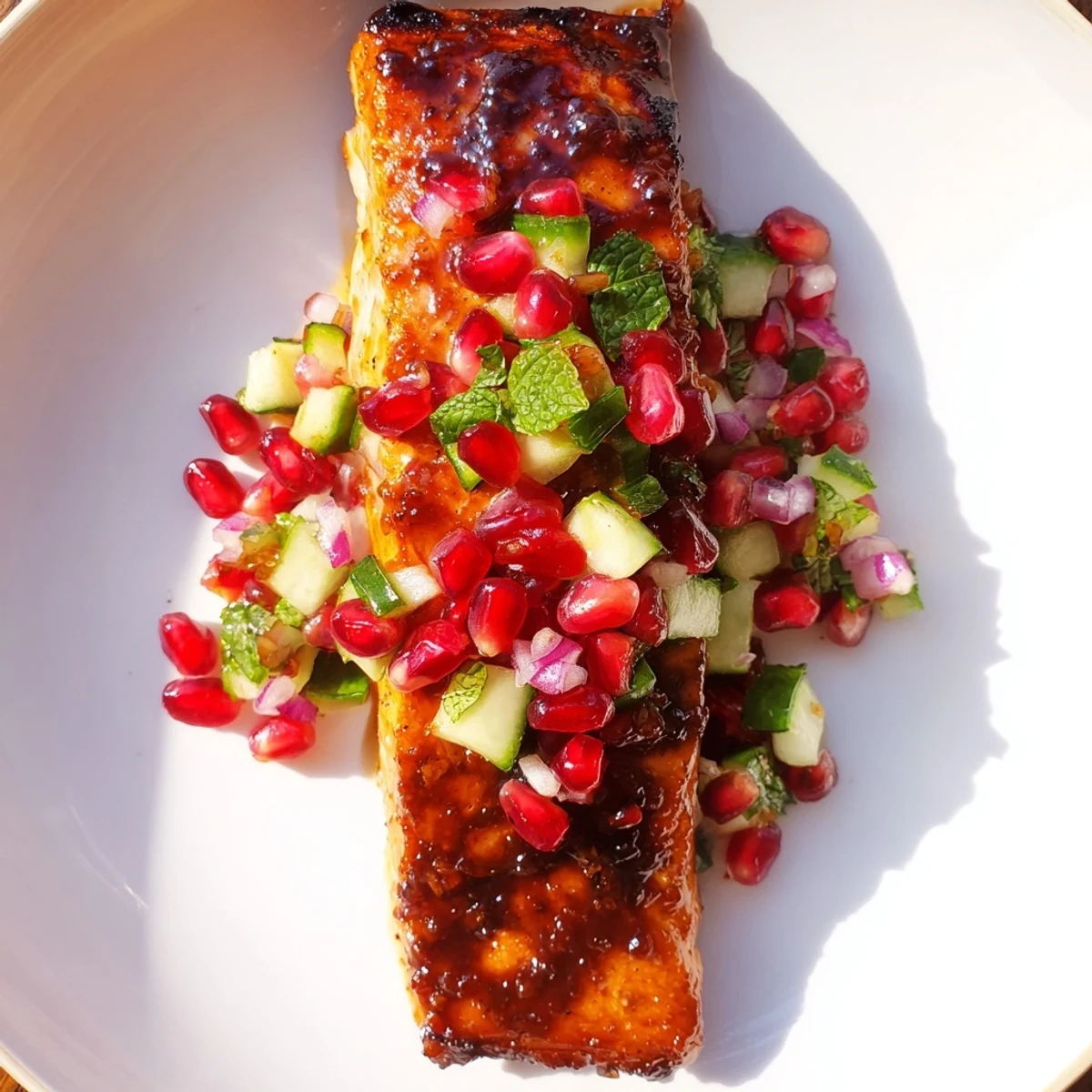
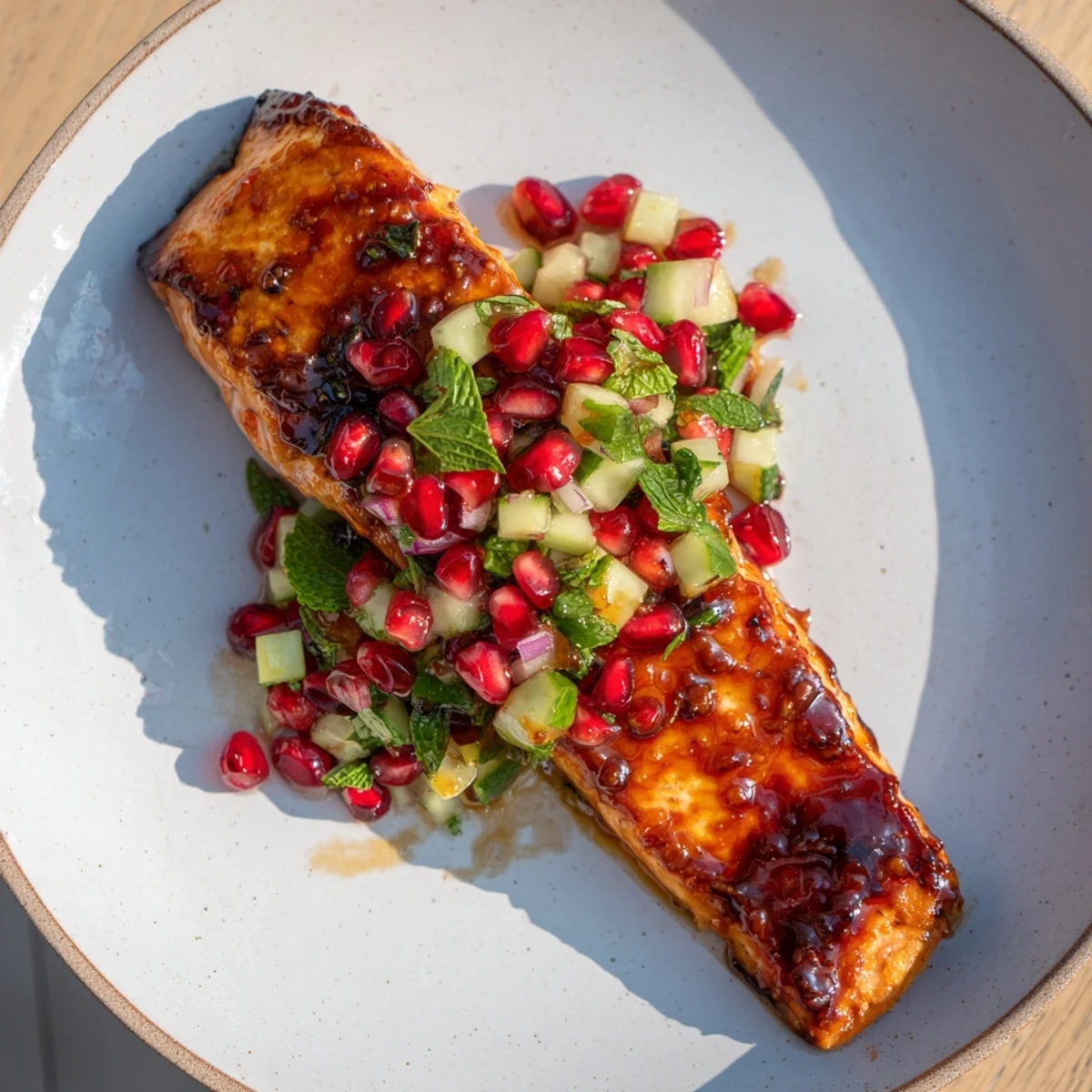
- Top each warm salmon fillet generously with pomegranate salsa. Let a few seeds and herbs spill onto the plate. The warmth of the salmon will release the cilantro and mint aromas.
 Save to Pinterest
 This dish became my go-to for the moments when cooking needed to feel both special and manageable. When my sister visited last spring and mentioned missing restaurant meals, this salmon was what I made to remind her that good food doesn't require hours of fussing.
Serving Ideas That Clicked
Serve this with rice, quinoa, or roasted vegetables to make it a complete meal. I've found that jasmine rice soaks up the extra glaze beautifully, and roasted asparagus or bok choy adds another layer of flavor without competing with the salmon. A crisp white wine like Sauvignon Blanc pairs perfectly, cutting through the richness while letting the pomegranate salsa shine.
When You're Missing Something
If you don't have pomegranate seeds, blood orange segments work wonderfully, or even a mix of diced mango and jalapeño for heat. For the mint, fresh parsley is a solid substitute. If gluten is a concern, use tamari or coconut aminos instead of soy sauce—the flavor shifts slightly but stays delicious. Coconut aminos brings a hint of sweetness that actually complements the honey glaze.
Making It Ahead for the Freezer
This is where the recipe's flexibility shines. You can marinate the salmon in the glaze for a few hours before cooking, which actually deepens the flavor. The salsa is best made fresh, but you can prep the components ahead and toss them together just before serving. If you find yourself with leftover cooked salmon, it's wonderful cold the next day atop a salad, or warmed gently and flaked into grain bowls.
- Make the glaze the morning of cooking and keep it covered in the fridge—the flavors just get better.
- Dice your salsa vegetables up to 4 hours ahead, but don't combine them until you're ready to serve so the onion doesn't make everything too watery.
- If you cook the salmon ahead, store it in an airtight container and reheat gently in a low oven to keep from drying it out.
 Save to Pinterest
 This recipe has become my answer to the question 'What's for dinner?' when I want something that feels restaurant-quality but doesn't demand my entire evening. It's the kind of dish that proves you don't need complicated techniques to create something memorable.
Recipe Help & Support
- → What is the best way to achieve a caramelized glaze on salmon?
-
Bake the salmon first, then broil with remaining glaze brushed on to create a caramelized, glossy finish.
- → Can I substitute ingredients in the pomegranate salsa?
-
Yes, mint can be replaced with parsley or basil, and cucumber can be adjusted for crunch preference.
- → How long should the salmon be cooked for optimal tenderness?
-
Bake for 10-12 minutes until just cooked through, then broil briefly for glaze caramelization.
- → Are there alternatives to soy sauce for gluten-free needs?
-
Gluten-free tamari or coconut aminos work well as substitutes without sacrificing flavor.
- → What side dishes complement glazed salmon with pomegranate salsa?
-
Serve alongside rice, quinoa, or roasted vegetables to balance flavors and texture.