
 Save to Pinterest
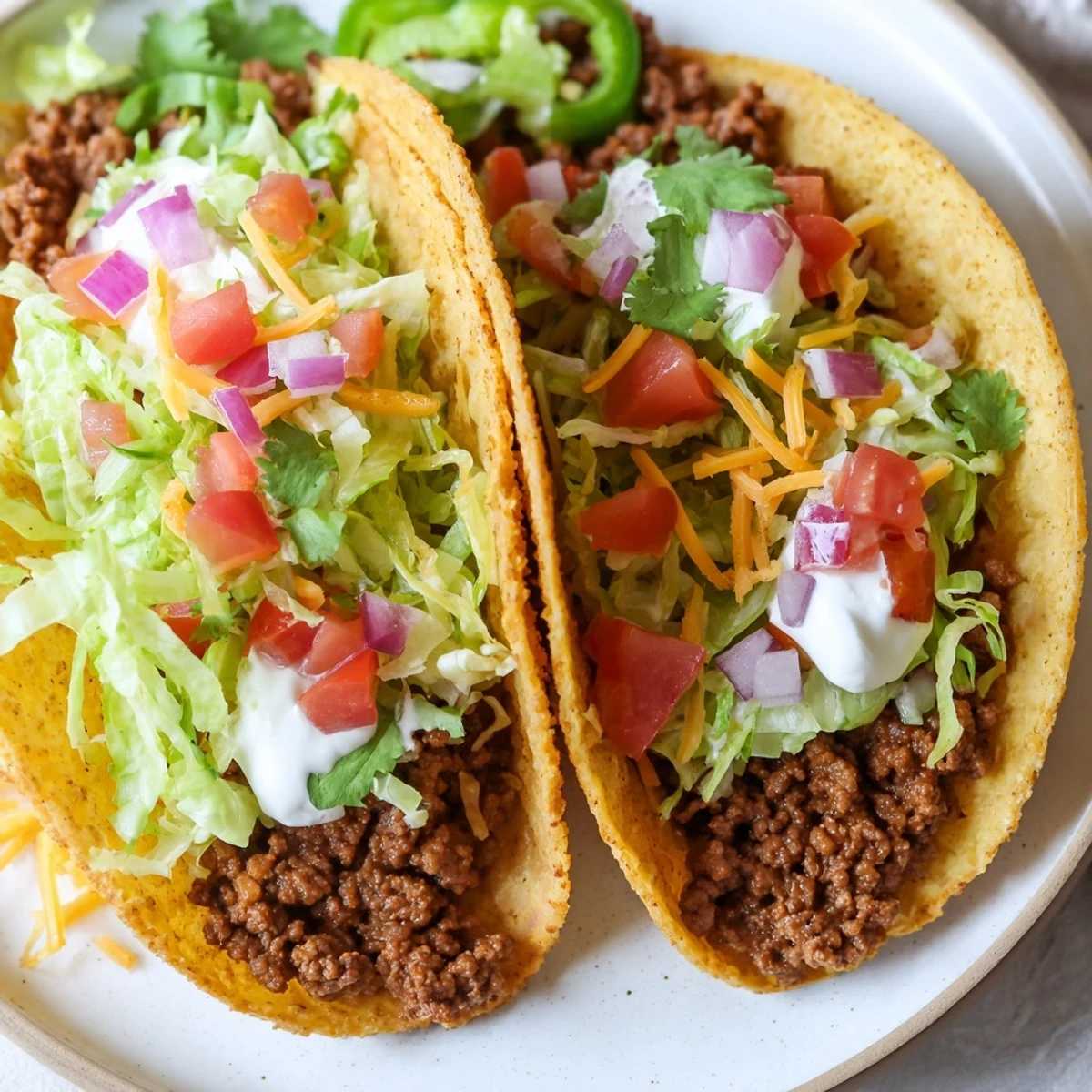
 Sauté onions and garlic before browning the ground beef. Season generously with chili powder, cumin, and smoked paprika for depth. Simmer the meat in tomato sauce until thickened. Warm the shells to maintain crunch, then pile on the beef, crisp lettuce, diced tomatoes, and cheddar. Finish with a dollop of sour cream and fresh cilantro for a vibrant, crunchy taco night feast.
My friend Marco showed up on a Tuesday evening with a craving for tacos and nothing in my pantry but ground beef and some old taco shells. Within minutes, I'd seared the beef, tossed together whatever vegetables I had on hand, and suddenly we were standing at my kitchen counter cracking through crispy shells like they were going out of style. He grabbed a lime wedge, squeezed it over his taco, and said, "This is what I needed." That moment stuck with me—sometimes the best meals are the unplanned ones.
I made these for a small gathering last summer, and what struck me most wasn't just how fast they came together, but how everyone crowded around the toppings bar adding their own spin. One person went heavy on the jalapeños, another skipped the sour cream entirely, someone else piled on extra cilantro until it looked like a salad. That's when I realized tacos aren't really about following instructions—they're about permission to make something feel like your own.
Ingredients
- Ground beef (80/20 blend): The fat ratio matters more than you'd think; it keeps the meat moist and flavorful as it cooks down, not lean and sad.
- Chili powder, cumin, smoked paprika: These three are the backbone—they build flavor in layers, so don't skip any of them or the spice blend feels one-dimensional.
- Tomato sauce and water: Together they create a light sauce that clings to the meat without making it soupy or heavy.
- Hard taco shells: Warmed shells stay crispier longer and actually hold up to your toppings without falling apart in your hands.
- Fresh toppings: Lettuce, tomatoes, cilantro, and lime are non-negotiable—they're what make this taste bright and alive, not heavy.
- Sour cream and salsa: The cooling effect of sour cream balances the spice, while salsa adds acidity and personality.
Instructions
- Soften the onions:
- Heat oil in your skillet and let the chopped onion go for 2 to 3 minutes until it starts turning translucent and smells sweet. This is your flavor foundation, so don't rush it.
- Add garlic and beef:
- Once the onion is soft, add garlic for just 30 seconds—you're looking for that toasted smell to hit you, then immediately break up your ground beef into the pan. Let it brown for 5 to 6 minutes, stirring occasionally so it cooks evenly.
- Build the spice blend:
- Drain any excess fat if you see a pool of it, then sprinkle in chili powder, cumin, paprika, oregano, salt, and pepper. Stir everything together so the spices bloom in the hot pan and coat every bit of meat.
- Simmer with sauce:
- Pour in tomato sauce and water, give it a good stir, and let it bubble gently for 4 to 5 minutes. You'll see it thicken slightly and the smell deepens—that's when you know you're done.
- Warm your shells:
- While the beef simmers, follow your taco shell package instructions. Usually this means a quick warm in the oven or microwave so they're pliable enough to hold toppings without immediately cracking.
- Assemble with intention:
- Start with a thin layer of beef in each shell, then add lettuce, tomatoes, cheese, and onion. The lettuce acts as a barrier so the shell stays crispy; everything else piles on top, finishing with cilantro, sour cream, salsa, a jalapeño slice if you like heat, and a squeeze of lime.
 Save to Pinterest
 Years ago my mom made tacos for my baseball team after a tournament, and we demolished two batches in about fifteen minutes. I remember thinking how something so simple could make a whole room of tired teenagers actually smile. These tacos do that—they're straightforward enough to not stress over, but satisfying enough to make people genuinely happy they showed up.
Seasoning That Actually Works
The spice blend here isn't a generic taco seasoning packet; it's designed so every element is tasted individually but also works as one flavor. Smoked paprika adds depth that regular paprika can't touch, cumin brings earthiness, and chili powder ties it all together. If you use a pre-mixed packet instead, you lose that balance and end up with something that tastes more one-note. The extra two minutes it takes to measure these spices yourself is worth every bit.
Why Fresh Toppings Are the Real Story
The beef is important, but honestly, the toppings are where the character lives. Cool, crisp lettuce, bright tomatoes, a hit of cilantro, the bite of red onion—they all contrast against the warm, spiced beef in ways that make your mouth actually want more. If you use wilted lettuce or sad tomatoes, the whole thing gets dragged down no matter how good the meat is. Spend the thirty seconds picking good produce and you'll taste the difference immediately.
Building a Better Taco
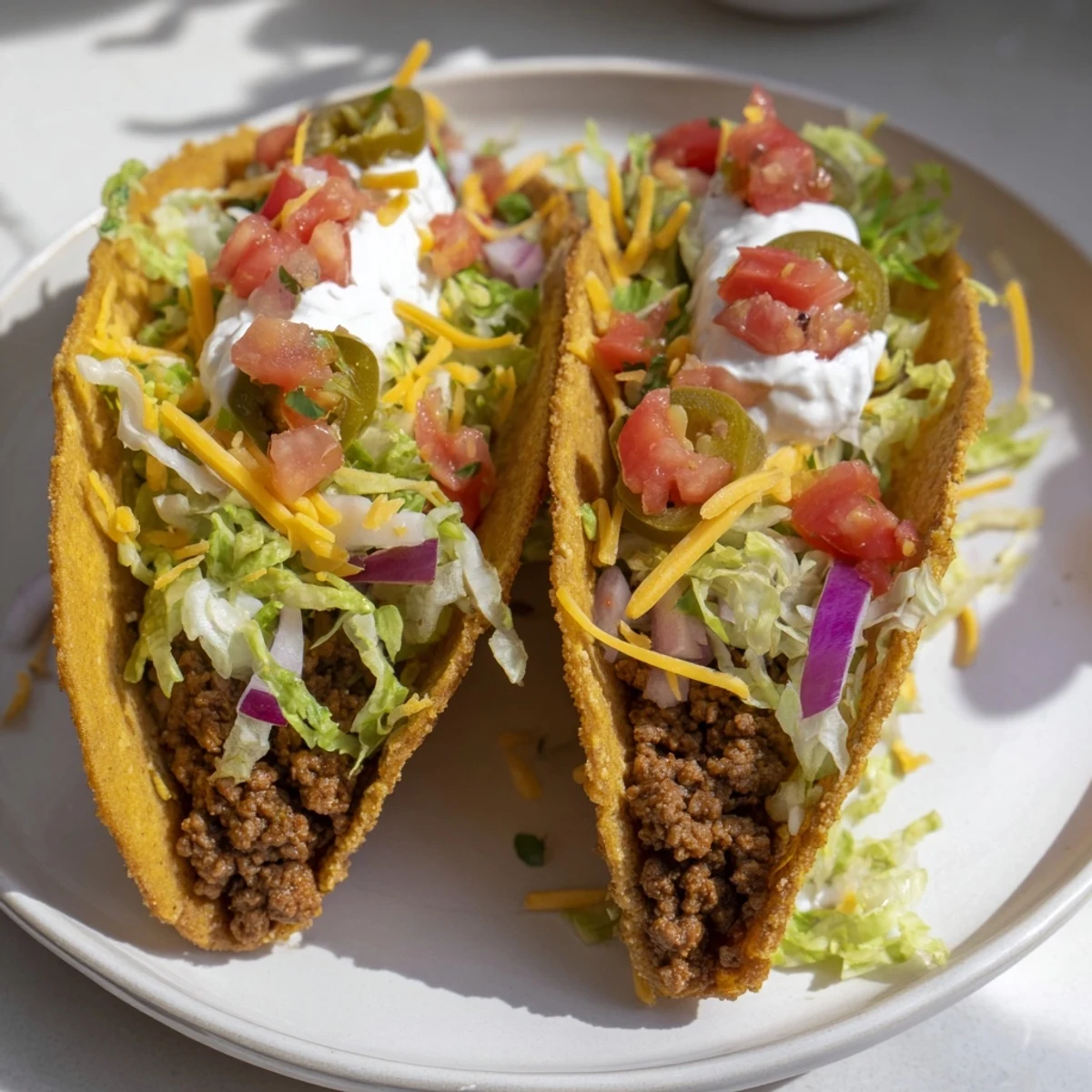
Assembly order matters more than people think, and lettuce is your secret weapon. Layer it first so it creates a moisture barrier between the hot beef and the crispy shell. Then tomatoes, cheese, and onion go down. This way your shell stays crispy for at least the first few bites, and the flavors don't all collapse into one soggy mess. Sour cream and salsa go on last—they're your flavor finishers, not your base.
- Warm your shells right before assembly so they're pliable but still have that crispy snap.
- Don't be shy with the lime—squeeze it generously and watch how it lifts every other flavor.
- If you're cooking for a crowd, set everything out buffet-style and let people build their own; everyone gets exactly what they want, and nobody argues.
 Save to Pinterest
 There's something about tacos that makes people relax and actually enjoy the meal instead of just eating to be full. Make these when you want dinner to feel easy, or when you want to feed people and have time to actually sit with them.
Recipe Help & Support
- → How do I prevent hard shells from breaking?
-
Warm the shells in the oven for a few minutes before filling; this increases flexibility and reduces cracking when you bite into them.
- → Can I substitute the ground beef?
-
Yes, ground turkey or chicken works well as a lighter alternative. Just ensure you season it adequately since leaner meats have less fat.
- → How do I drain the excess fat?
-
After browning the meat, tilt the skillet slightly and use a large spoon to scoop out the rendered grease before adding spices.
- → What toppings work best?
-
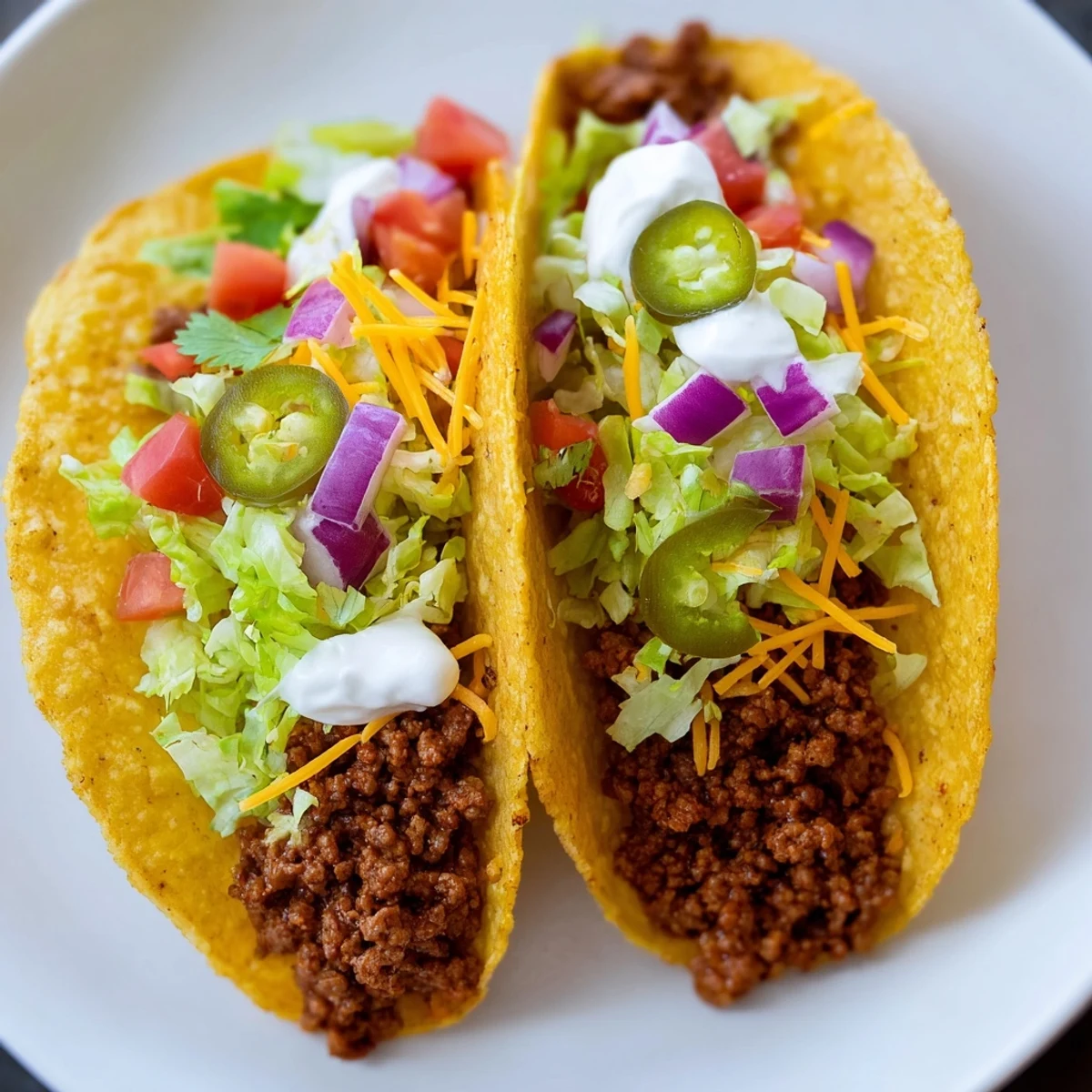
Shredded iceberg lettuce, diced tomatoes, and cheddar cheese are classic. For more zest, add fresh cilantro, red onion, or jalapeño slices.
- → Can I make the filling spicier?
-
Adjust the heat by adding cayenne pepper to the spice blend or mixing hot sauce directly into the simmering meat mixture.