
 Save to Pinterest
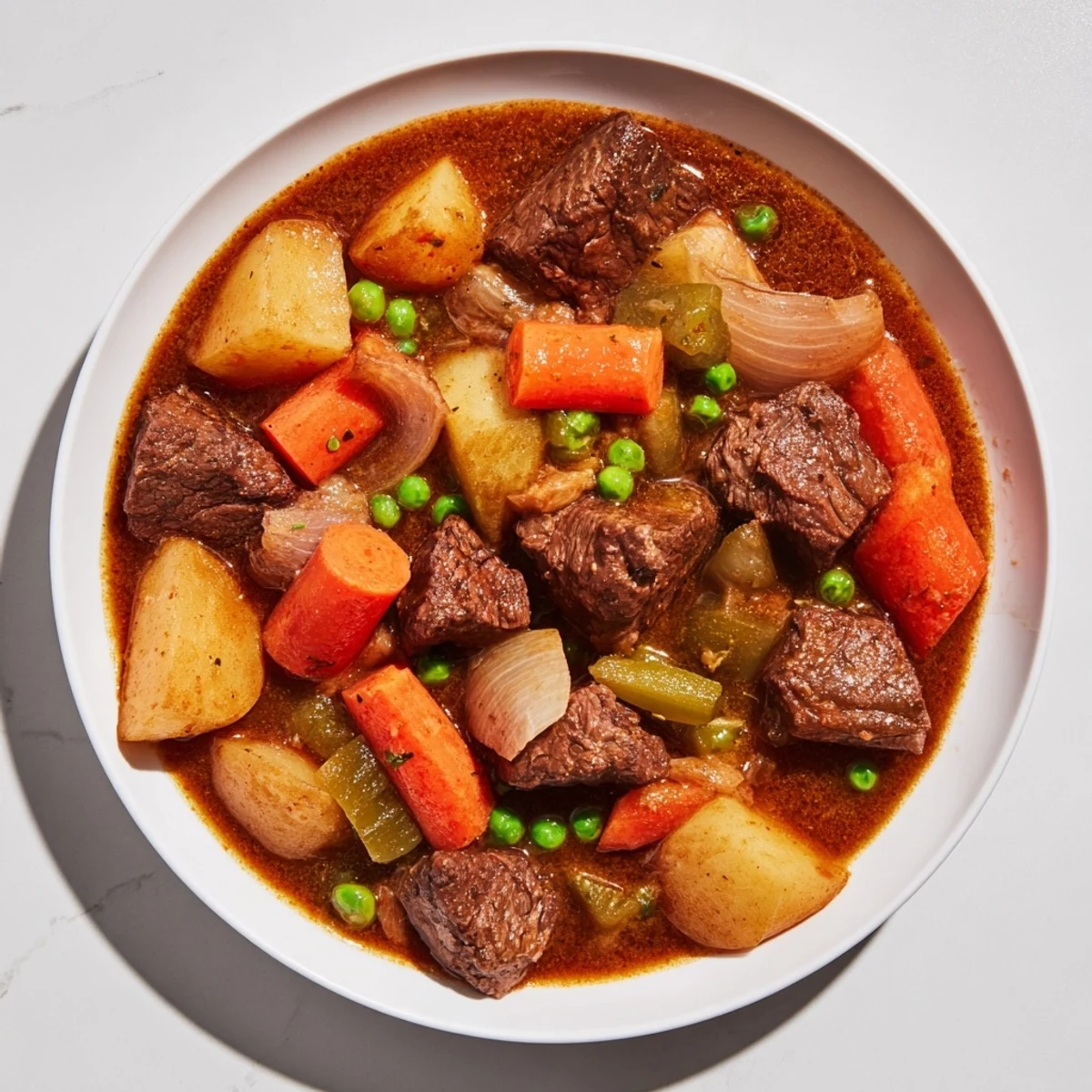
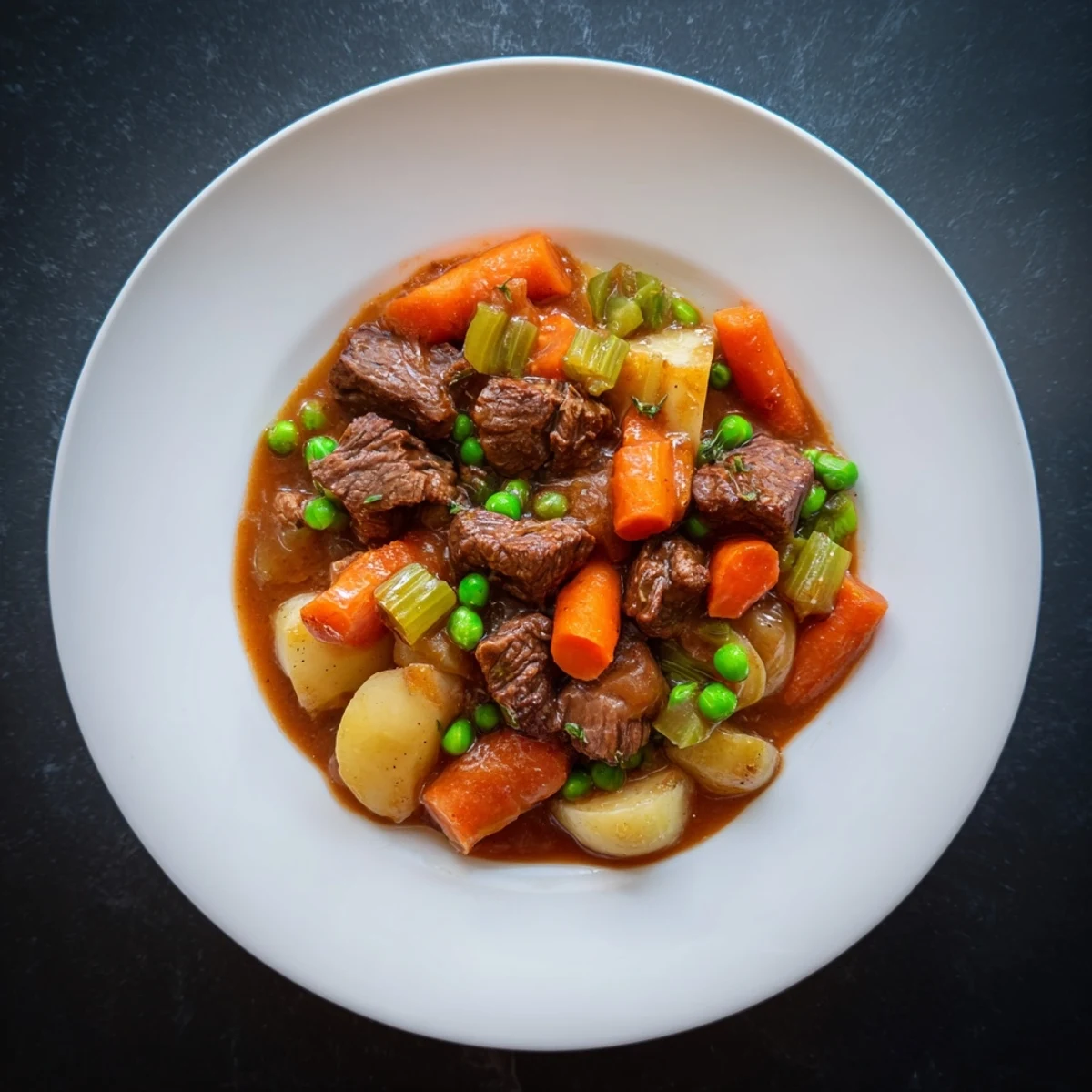
 This stew combines tender beef chuck pieces with a medley of vegetables including carrots, celery, onions, and potatoes, all simmered slowly in rich beef broth and dry red wine. Aromatic herbs such as thyme, rosemary, and bay leaves infuse the dish with deep, comforting flavors. Optional additions like peas and a cornstarch slurry create a satisfying texture, while seasoning balances each bite. Perfect for a cozy meal, this dish pairs well with crusty bread or buttered noodles.
There was a Tuesday in October when my kitchen felt too quiet, the kind of gray afternoon that needed something warm and alive simmering on the stove. I pulled out my grandmother's Dutch oven—the heavy one with the rust-spotted lid—and remembered watching her build a beef stew from nothing but patience and whatever was in her pantry. That day, I finally understood why she never followed a recipe: a good stew is less about precision and more about letting the meat and vegetables tell you when they're ready.
I made this for my neighbor Marcus on a Saturday when he'd just moved in, and I remember him standing in my doorway with snow melting in his hair, looking uncertain about everything. Two bowls later, he was telling me about his mother's kitchen in Atlanta, and suddenly we weren't strangers anymore—we were two people remembering comfort through the same language of beef and vegetables and time.
Ingredients
- Beef chuck (1.5 lbs, cut into 1-inch cubes): Chuck is your friend here because it has enough fat and connective tissue to become silky rather than tough when simmered long.
- Olive oil (2 tbsp): Just enough to get a proper brown crust on the meat without drowning it.
- Onion (1 large, diced): The foundation that sweetens slightly as it cooks and practically dissolves into the stew's backbone.
- Garlic (3 cloves, minced): Add it after softening the vegetables so it doesn't burn and turn bitter.
- Carrots (3 medium, sliced): They hold their shape better than you'd expect and add natural sweetness that balances the herbs.
- Celery (2 stalks, sliced): Often overlooked, but it's the secret note that makes people ask 'what is that flavor?'
- Potatoes (3 medium, cubed): Cut them smaller than you think—they take longer to cook than the meat.
- Frozen peas (1 cup): Stir them in at the very end so they stay bright and don't turn to mush.
- Beef broth (4 cups): Use homemade if you have it; the difference is noticeable and worth it.
- Red wine (1 cup, optional): It deepens everything, but broth alone works fine if you skip it.
- Tomato paste (2 tbsp): A small amount adds umami and depth without making the stew taste tomatoey.
- Salt and black pepper: Taste as you go; you'll need more than you think by the end.
- Bay leaves (2): These should come out before serving—they've done their job and turn sharp if left in.
- Dried thyme and rosemary (1 tsp each): Dried herbs hold up better to long cooking than fresh.
- Worcestershire sauce (1 tbsp): A small spoonful adds a savory undertone that makes the whole thing more complex.
- Cornstarch (2 tbsp, optional) and water (2 tbsp): Only if you want a thicker stew; some of us like it brothier.
Instructions
- Dry and season the beef:
- Pat your beef cubes with paper towels until they're actually dry—this matters for browning. Season generously with salt and pepper and let them sit for a minute while you get your pot ready.
- Brown the meat:
- Heat olive oil in a Dutch oven over medium-high heat until it shimmers. Working in batches so the meat isn't crowded, sear each piece until it develops a golden-brown crust on all sides, turning with tongs. This takes patience but transforms the flavor entirely.
- Build the flavor base:
- Remove the beef to a clean plate and reduce heat to medium. Add your diced onion, carrots, and celery to the pot and let them soften for about 5 minutes, stirring occasionally. The bottom of the pot will have brown bits stuck to it—that's flavor, and the vegetables will help loosen it.
- Add aromatics and paste:
- Stir in minced garlic and cook for just 1 minute until fragrant. Add tomato paste, stirring to coat the vegetables, and let it warm for another minute.
- Bring it together:
- Return the browned beef to the pot and pour in beef broth and red wine. Add the potatoes, bay leaves, dried thyme, rosemary, and Worcestershire sauce. Stir everything until the potatoes are mostly submerged.
- Simmer low and slow:
- Bring everything to a boil, then reduce heat to low, cover, and let it simmer gently for about 1.5 hours. Stir occasionally and adjust the lid if it's bubbling too vigorously—you want a gentle, steady simmer, not an aggressive boil.
- Finish with peas:
- After the beef is fork-tender, remove the lid and stir in the frozen peas. Simmer uncovered for about 10 minutes, just until the peas are heated through and still bright green.
- Thicken if desired:
- If you prefer a thicker stew, mix cornstarch with cold water in a small cup until smooth, then stir it in and simmer for 5 minutes. Taste and adjust salt and pepper one final time, then fish out those bay leaves.
 Save to Pinterest
 I learned something important the first time I made this without the tomato paste: a stew is just a pot of meat and vegetables until you add something that makes your taste buds stop and pay attention. The paste does that—not to make it taste tomatoey, but to give it dimension and history.
Why This Stew Lasts Through Winter
There's a reason stew recipes have survived centuries and traveled with people across continents—it's forgiving, it's nourishing, and it actually improves with time. The flavors meld in the refrigerator, the broth becomes richer, and the texture deepens. I've warmed up three-day-old stew and felt grateful for something I'd almost forgotten about.
The Wine Question
I skip the wine on weeknights and use extra broth instead, but when I have wine, I choose something I'd actually drink—nothing with a screw cap that tastes like vinegar. The wine adds acidity and depth, but it's optional in the truest sense; your stew won't suffer without it. What matters is the long simmering time, which does far more work than any single ingredient.
Serving and Storing
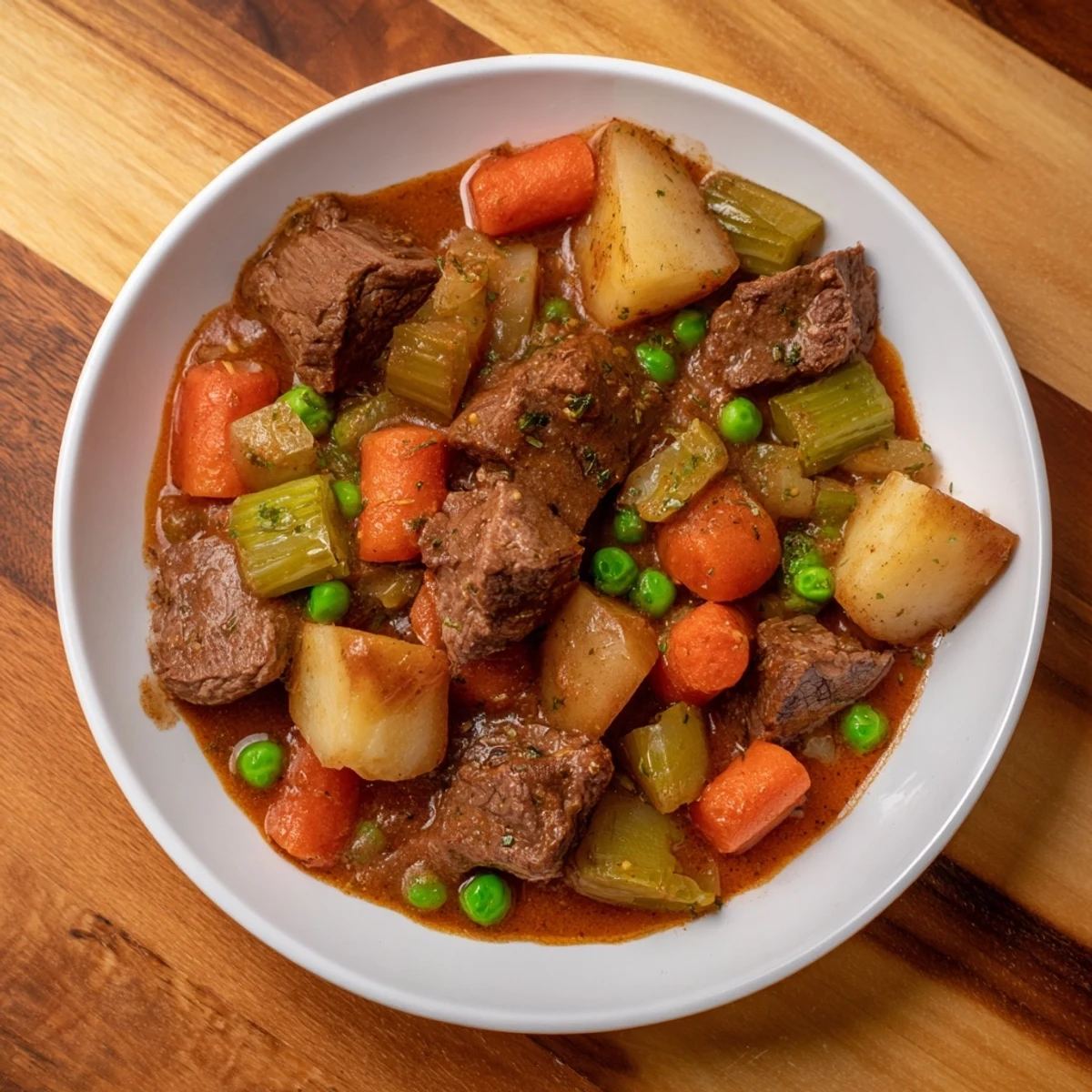
Serve this in wide bowls with a hunk of crusty bread or over buttered egg noodles if you want something starchy underneath. Leftover stew keeps beautifully for three or four days in the refrigerator, and it freezes even better—it's one of those dishes that tastes better after a few hours or a few days of sitting.
- Let it cool to room temperature before refrigerating to avoid condensation and sogginess.
- Reheat gently on the stovetop with a splash of broth, never in a rush.
- Consider making a double batch because you'll want it again sooner than you think.
 Save to Pinterest
 A good beef stew is patient work, but it's the kind of cooking that fills you with quiet satisfaction. Make this when you want your home to feel like a shelter, and let the smell do the talking.
Recipe Help & Support
- → What cut of beef works best for this stew?
-
Beef chuck, cut into 1-inch cubes, is ideal because it becomes tender and flavorful when simmered slowly.
- → Can I skip the red wine in this dish?
-
Yes, you can substitute the red wine with additional beef broth without significantly affecting the flavor.
- → How do I thicken the stew if it’s too watery?
-
A cornstarch slurry made from cornstarch and cold water can be stirred in and simmered until the desired thickness is reached.
- → What herbs enhance the flavor of this dish?
-
Bay leaves, dried thyme, and rosemary provide an aromatic and savory depth to the stew.
- → Can I prepare this in advance?
-
Yes, the flavors improve after a day in the fridge, making it a great make-ahead option.