
 Save to Pinterest
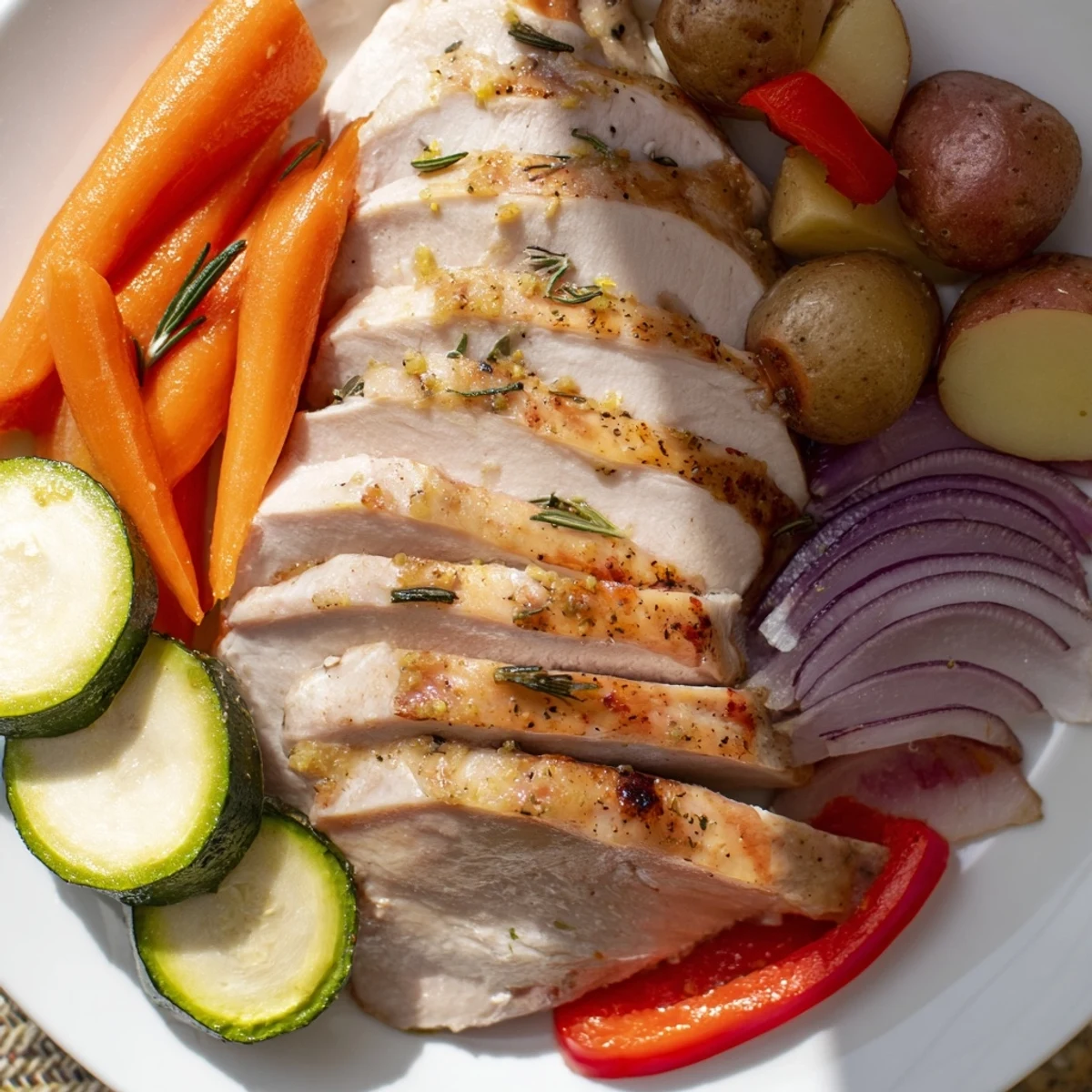
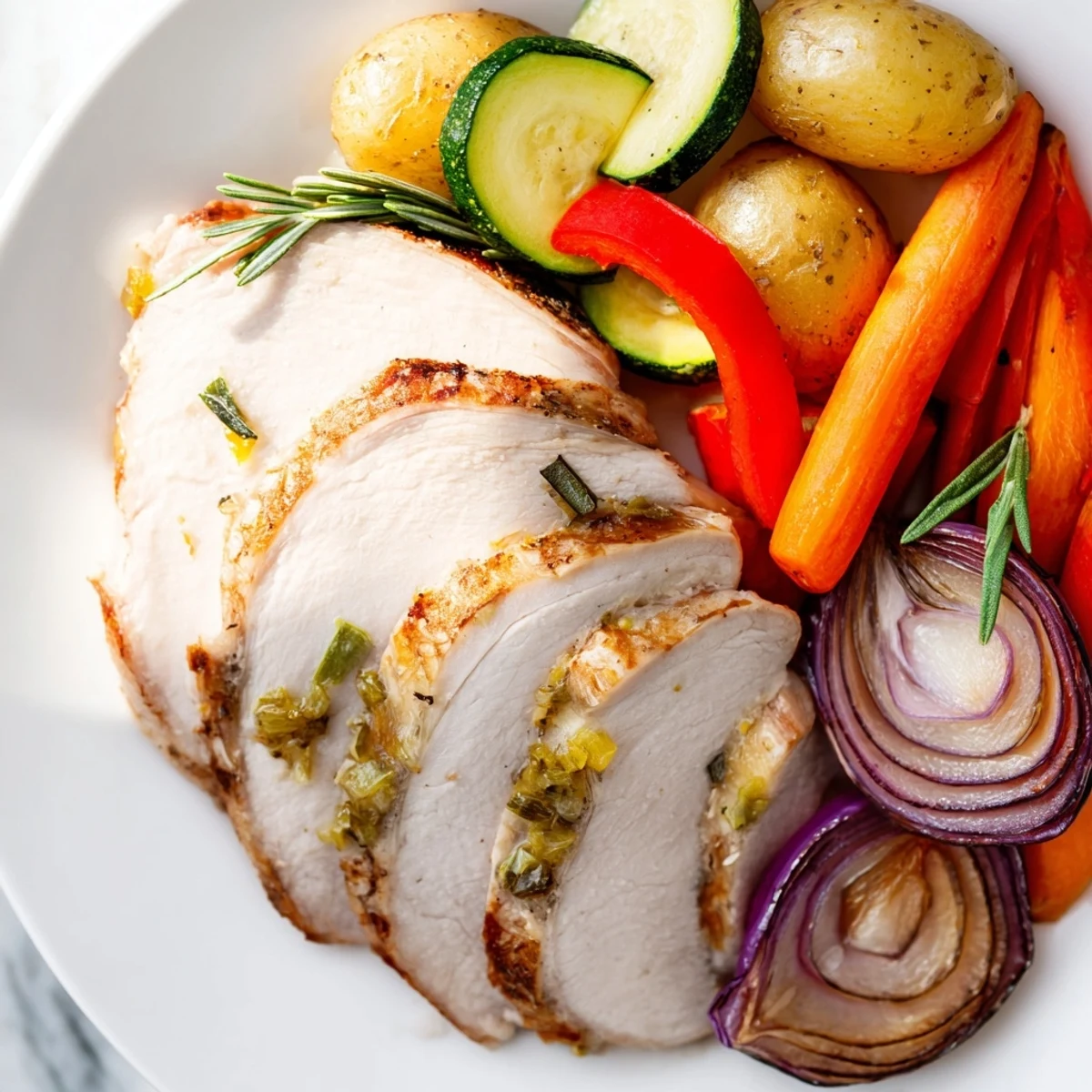
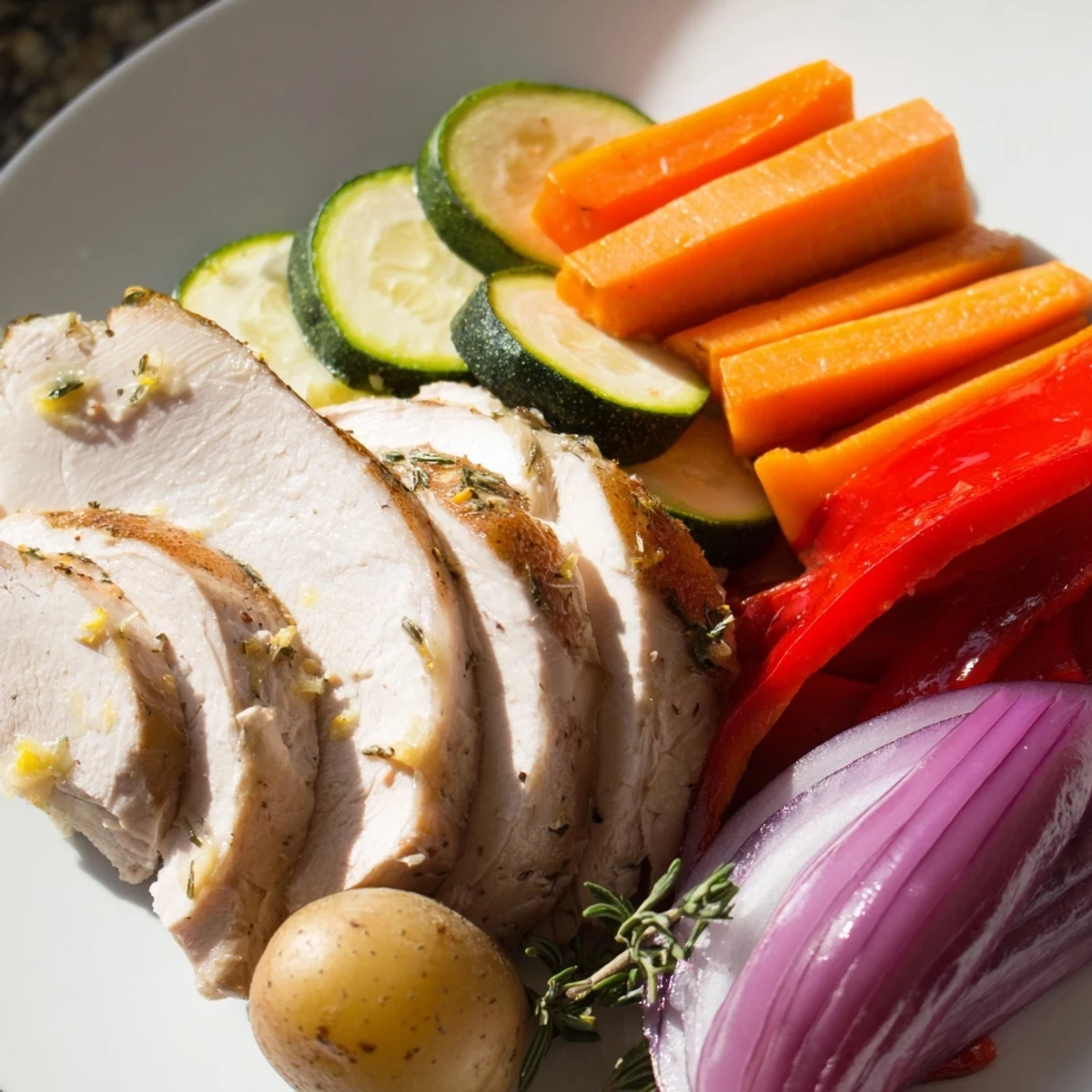
 This dish features a succulent turkey breast seasoned with zesty lemon, garlic, rosemary, and thyme. Roasted together with a colorful mix of baby potatoes, carrots, zucchini, bell pepper, and red onion, the ingredients meld into a harmonious, flavorful meal. The turkey is cooked to perfection, juicy and tender, while the vegetables develop a golden, roasted texture. This easy one-pan approach makes for simple preparation and cleanup, ideal for a nutritious, gluten-free, and low-carb main course.
There's something about the smell of lemon and rosemary hitting hot oil that makes me stop whatever I'm doing and pay attention. I discovered this sheet pan turkey by accident one weeknight when I had a turkey breast thawing and a produce drawer that needed clearing. What started as practical turned into something I now make whenever I want dinner that feels both effortless and intentional, like I planned something special when really I just let the pan do the work.
I made this for my sister's first dinner back in our hometown after she'd moved away, and she actually asked for the recipe before dessert was done. She was skeptical about turkey—said it always disappointed her—but watching her realize that the golden skin was actually crispy, that the inside stayed juicy, that the vegetables weren't an afterthought but part of the whole thing, that moment mattered. Sometimes food is just the excuse for paying attention to someone you love.
Ingredients
- Turkey breast (1.5 lbs): Look for it boneless and skinless; it cooks faster and more evenly than a whole bird, and there's no waste to think about.
- Olive oil: Use a decent one—it's going straight onto the turkey and vegetables without much else to hide behind, so quality matters here.
- Fresh lemon: A whole lemon, zested and juiced, gives you brightness in two different forms; zest adds those little pockets of flavor while juice tenderizes the meat.
- Garlic and fresh herbs (rosemary and thyme): Mince the garlic fine so it disperses evenly, and if you use fresh herbs (which I prefer), chop them just before mixing so they don't bruise and darken.
- Salt and pepper: Season the turkey and vegetables separately; the vegetables need a touch more because they're absorbing flavors differently.
- Baby potatoes, carrots, zucchini, bell pepper, red onion: Cut everything roughly the same size so nothing gets left behind while other pieces char—aim for about three-quarter-inch pieces.
Instructions
- Get your oven hot and your pan ready:
- Preheat to 400°F and line your sheet pan with parchment or foil. This prevents sticking and makes cleanup feel less like punishment and more like the reward for a good dinner.
- Make your lemon herb paste:
- Stir olive oil, lemon zest, juice, minced garlic, rosemary, thyme, salt, and pepper in a small bowl until it looks loose and fragrant. Pat the turkey dry first, then rub this all over it—this is where the magic starts.
- Position the turkey:
- Place it in the center of your pan; this is important because heat circles around it, and you'll nestle vegetables around it, not on top of it.
- Prepare and arrange the vegetables:
- Toss potatoes, carrots, zucchini, bell pepper, and red onion with olive oil, salt, and pepper, then spread them in an even layer around the turkey. Don't pile them; give each piece a little space to caramelize.
- Roast until everything is done:
- Set a timer for 35 to 40 minutes, but start checking the turkey's internal temperature around 32 minutes with a meat thermometer. You want 165°F at the thickest part, and the vegetables should be golden and tender, not soft.
- Rest and serve:
- Pull everything out, let the turkey sit for five minutes—this keeps it juicy when you slice—then bring it all to the table together.
 Save to Pinterest
 I learned the real power of this dish when I made it for myself after a long week and realized I was actually tasting every flavor instead of just eating. The turkey stayed moist, the vegetables had crispy edges and soft centers, and there was enough of it for three meals if I didn't finish it that night. That's when I stopped thinking of it as just a recipe and started thinking of it as something I could count on.
Why This One-Pan Approach Changes Everything
Cooking a whole meal on one sheet pan isn't just convenient; it changes how flavors build. The turkey renders fat and seasoning that drips onto the potatoes, the vegetables release moisture that steams everything gently while the high heat creates browning, and by the time you pull it out, it's one complete dish instead of three separate sides pretending to be a meal. You taste the intention in every bite.
Vegetable Timing and Flexibility
Those vegetables aren't random; they're chosen because they all finish cooking in about the same time as a turkey breast. But the beautiful part is how flexible this is. Brussels sprouts halved lengthwise, sweet potato chunks, asparagus spears, chunks of broccoli—any of these swap in without changing the technique. The rule is simple: cut everything similar in size, toss it with oil and salt, and spread it around the turkey so it can breathe and brown.
Serving Ideas and Make-Ahead Wisdom
This tastes best served right from the pan while everything's still warm and the vegetables still have some structural integrity. Leftovers transform into sandwiches, grain bowls, or a cold salad the next day, which is almost as good as the first meal. I've made the herb mixture the night before and stored it covered in the fridge, then rubbed it on the turkey that afternoon—it gives those flavors time to get to know each other.
- A crisp white wine like Sauvignon Blanc or Chardonnay cuts through the richness of the turkey and complements the lemon without fighting it.
- If you want to gild the lily, scatter some crumbled feta or a squeeze of fresh lemon over the finished vegetables right before serving.
- This is an easy dinner to double if you're cooking for more people; just use two sheet pans and rotate them halfway through so they brown evenly.
 Save to Pinterest
 This is the kind of meal that proves you don't need complicated technique or hours of time to feed yourself or others something that matters. Simple ingredients, one pan, and the oven doing most of the work—it's honest cooking.
Recipe Help & Support
- → What temperature should the turkey be cooked to?
-
The turkey breast should reach an internal temperature of 165°F (74°C) to ensure it is safely cooked and juicy.
- → Can I use other vegetables besides the ones listed?
-
Yes, seasonal vegetables like Brussels sprouts or sweet potatoes can be substituted to suit your preference.
- → How do the lemon and herbs affect the flavor?
-
The lemon zest and juice provide bright acidity while rosemary and thyme add earthy, aromatic notes enhancing the turkey’s natural taste.
- → Is this dish suitable for special diets?
-
Yes, this meal is both gluten-free and low-carb, fitting into many dietary needs.
- → What is the best way to serve this dish?
-
Let the turkey rest for 5 minutes after roasting, then slice and serve with the roasted vegetables for a balanced meal.