
 Save to Pinterest
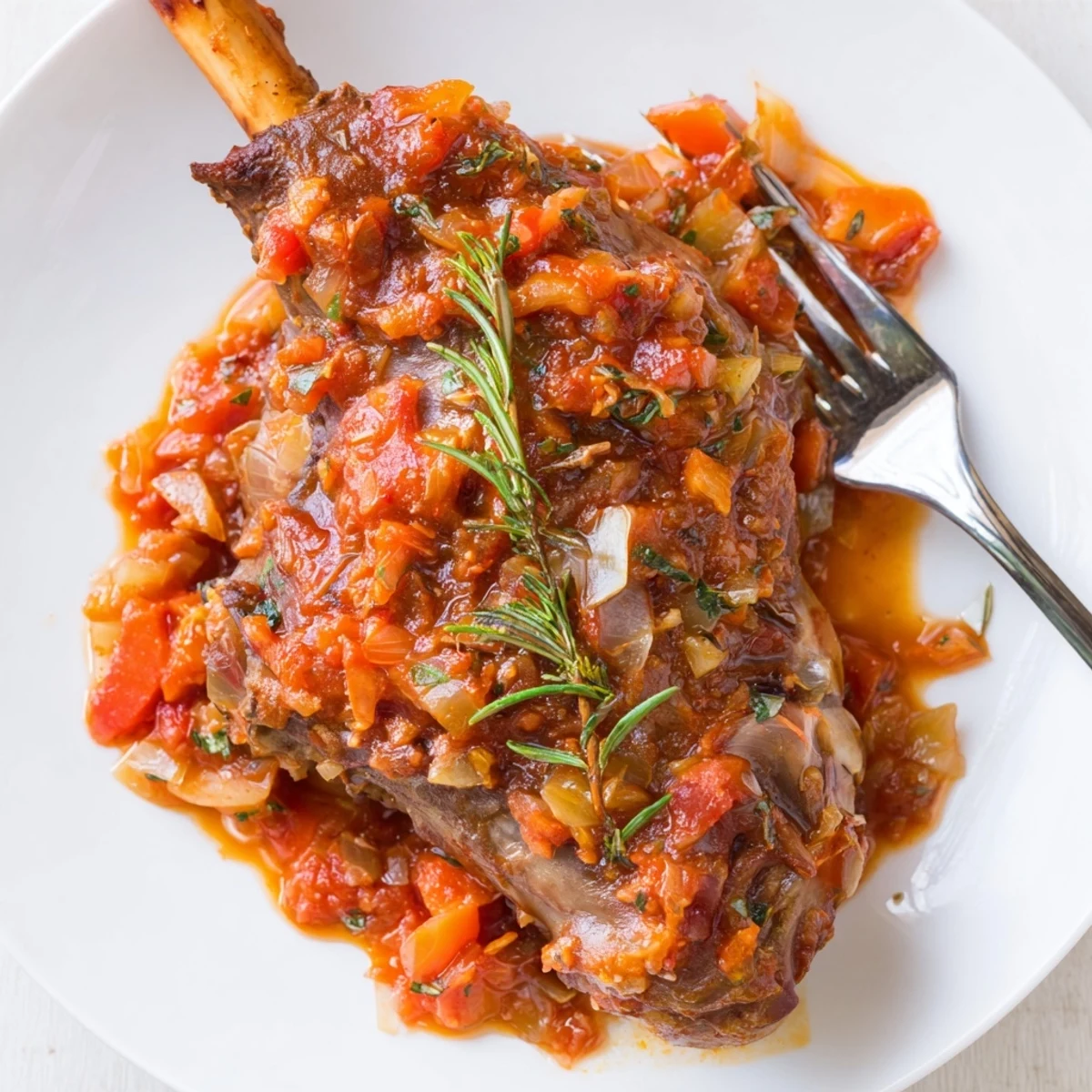
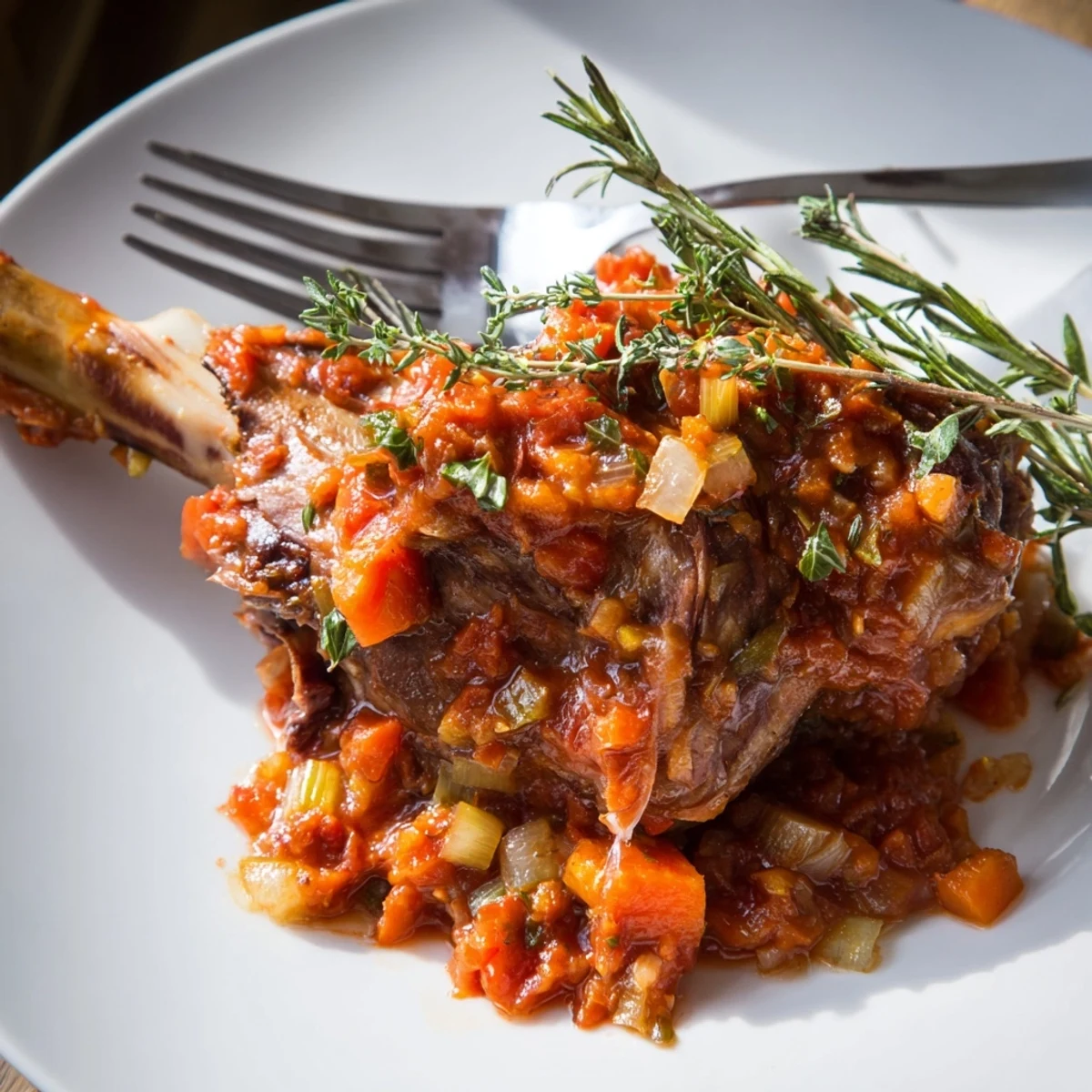
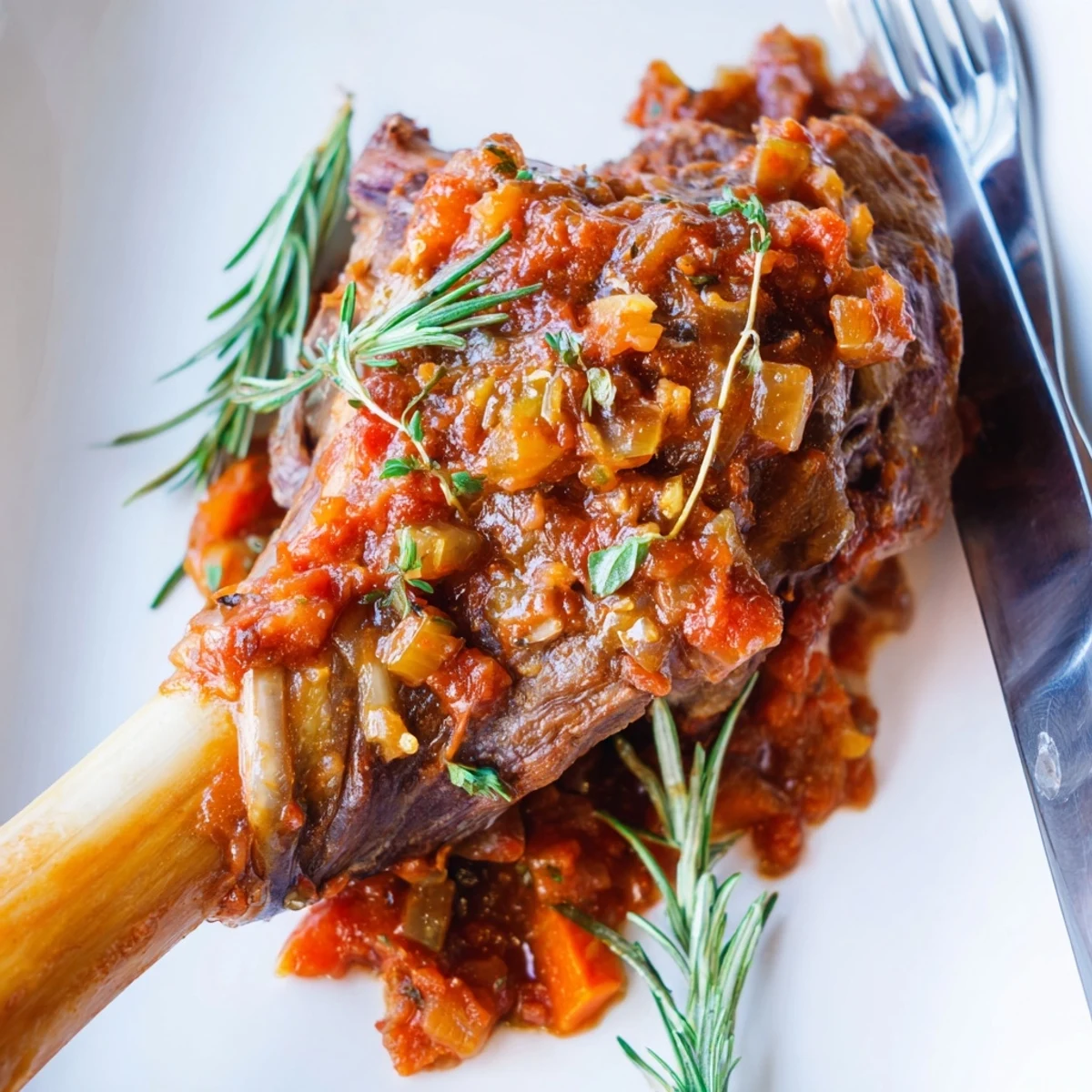
 This dish features lamb shanks slowly braised in a robust tomato and herb sauce, resulting in tender, fall-off-the-bone meat infused with deep, savory flavors. Aromatic vegetables like onions, carrots, and celery create a rich base while rosemary, thyme, and oregano enhance the herbaceous profile. Slow cooking allows the meat to absorb the sauce fully, delivering a hearty, comforting main course ideal for Mediterranean-inspired dining. Serve with creamy mashed potatoes or crusty bread for a satisfying meal.
There's something about the smell of lamb and tomatoes slow-cooking together that brings me back to a Sunday afternoon at my friend Marco's kitchen in the countryside. He pulled these enormous shanks from his oven, the meat so tender it was practically falling apart, and the sauce had turned this deep, glossy mahogany color that made my stomach rumble before I even sat down. That day taught me that some of the best meals don't require fancy techniques—just time, heat, and patience. Now whenever I make these shanks, I'm chasing that same feeling of comfort and abundance.
I made this for my family last winter when snow was piling up outside and everyone was stuck at home. My daughter helped me chop vegetables while we listened to old records, and by the time the lamb came out of the oven three hours later, the whole house smelled like a proper Mediterranean kitchen. Everyone came downstairs without being called—that's when I knew the dish was working. It became our Saturday night ritual after that.
Ingredients
- Lamb shanks (4, about 350–400 g each): Ask your butcher to trim excess fat, but leave a thin layer for flavor; bigger shanks are less likely to dry out during the long braise.
- Onions (2 medium, finely chopped): The foundation of the sauce—they'll dissolve into sweetness by the end, creating body and depth.
- Carrots (3, peeled and diced): They add natural sweetness that balances the acidity of the tomatoes and wine.
- Celery (3 stalks, diced): Often overlooked, but it's what gives the sauce its savory backbone and keeps it from tasting one-dimensional.
- Garlic (4 cloves, minced): Fresh garlic is crucial here; jar garlic will taste stale by the time the three-hour cook is done.
- Crushed tomatoes (400 ml): Canned works beautifully and saves you from having to peel fresh ones; look for varieties without added sugar if you can.
- Beef or lamb stock (250 ml): Lamb stock is ideal if you can find it, but good beef stock won't disappoint.
- Dry red wine (120 ml): Don't use anything you wouldn't drink; a rough wine will make a rough sauce.
- Tomato paste (2 tbsp): A small amount concentrated in the pot before deglazing adds serious umami.
- Fresh rosemary (2 sprigs): The herbaceous note that makes people ask what you've done differently; this herb stands up beautifully to long cooking.
- Fresh thyme (3 sprigs): More delicate than rosemary, it adds earthiness without overpowering.
- Bay leaves (2): Remove these before serving—they're flavor workers, not something to eat.
- Dried oregano (1 tsp): A pinch of the Mediterranean; this is what keeps the sauce from tasting too one-note.
- Black pepper and salt (1/2 tsp and 1 1/2 tsp): Salt the lamb generously before searing, as it helps the meat brown properly.
- Olive oil (2 tbsp): Good olive oil will improve the flavor, but save your expensive stuff for finishing; medium heat means the oil won't burn.
Instructions
- Get your oven ready:
- Preheat to 160°C (320°F) or set your slow cooker to low. A low, steady heat is what transforms tough meat into silk over three hours.
- Season and sear the lamb:
- Pat the shanks dry with paper towels, then coat generously with salt and pepper on all sides. Heat olive oil in a large Dutch oven over medium-high heat until it shimmers, then sear each shank for about two minutes per side until deeply browned—this is where the flavor foundation begins.
- Build your aromatics:
- Remove the lamb and set aside, then add chopped onions, carrots, and celery to the same pot. Let them soften for five to seven minutes, stirring occasionally, until they start to turn golden and release their sweetness.
- Deepen the flavor base:
- Add minced garlic and cook for one minute until fragrant, then stir in tomato paste and let it sit in the hot oil for about one minute. This caramelizes it slightly and mellows any sharp acidity.
- Deglaze with wine:
- Pour in the red wine and use a wooden spoon to scrape up all the browned bits from the bottom of the pot—those bits are liquid gold, full of concentrated flavor. Simmer for two minutes to burn off the alcohol's sharpness.
- Build the sauce:
- Add crushed tomatoes, stock, rosemary sprigs, thyme sprigs, bay leaves, and oregano. Stir everything together until the herbs are distributed, then nestle the lamb shanks back into the pot, partially submerged in the sauce.
- Low and slow cook:
- Cover the pot tightly with its lid and transfer it to the oven, or if using a slow cooker, pour everything into it and set to low. The lamb will cook for two and a half to three hours in the oven, or seven to eight hours in a slow cooker, until the meat is so tender it practically falls from the bone when you touch it with a fork.
- Finish the sauce:
- Carefully remove the lamb shanks and loosely cover them with foil to keep warm. Skim any excess fat from the surface of the sauce with a spoon or ladle, then simmer the sauce uncovered on the stovetop for ten to fifteen minutes if you prefer it thicker and more concentrated. Taste and adjust seasoning with salt and pepper.
 Save to Pinterest
 The moment I knew this dish had won me over came when my mother took a second helping and didn't say a word—just kept eating with her eyes closed. That silence meant more than any compliment ever could. Now it's the dish I make when someone needs feeding, when there's cause for celebration, or when I simply want my kitchen to smell like home.
Serving Suggestions That Matter
These shanks demand something soft and absorbent to soak up the sauce—creamy mashed potatoes are the obvious choice, but polenta offers a rustic heartiness that feels even more Mediterranean. A piece of crusty bread, the kind that has a dark crust and an open crumb, will let you do what the Italians do and wipe your bowl clean at the end. Some people add a leafy salad on the side with bright vinaigrette to cut through the richness, and honestly, that's when the meal feels complete.
Timing and Make-Ahead Magic
This is one of those dishes that actually improves if you make it a day or two ahead. The flavors deepen and marry overnight in the refrigerator, and any remaining fat solidifies on top, making it easy to lift off. Just reheat gently on the stovetop with a splash of water until it's warm through, and serve it exactly as you would have fresh. You can also freeze the finished dish for up to three months—wrap the shanks and sauce together in an airtight container, and thaw overnight in the refrigerator before reheating.
Variations and Personal Tweaks
Over time, I've learned that the base of tomato, wine, and herbs is so strong that it welcomes customization. A strip of orange zest added at the beginning of cooking brightens the sauce without making it taste citrusy; a pinch of chili flakes stirred in near the end adds warmth without heat. Some cooks swear by a small square of dark chocolate, melted in at the very end, which adds mysterious depth. If lamb shanks are hard to find or too expensive, beef shanks work beautifully and cook in about the same time. You can also use goat meat, which has a cleaner, less gamey flavor if that's your preference.
- Try adding a strip of orange zest or a small pinch of dried chili flakes for complexity.
- Dark chocolate—just a small square—adds richness without sweetness.
- Beef or goat shanks are perfect substitutes if lamb isn't available or fits your budget.
 Save to Pinterest
 Make this when you have time and people who matter around the table. It's worth the three hours of quiet kitchen time and the patience it asks of you.
Recipe Help & Support
- → What is the best way to achieve tender lamb shanks?
-
Slow braising at low temperatures allows the collagen in the lamb shanks to break down, producing tender, juicy meat that falls off the bone.
- → Can I substitute another cut of meat for lamb shanks?
-
Beef shanks can be used as an alternative, offering a similar texture and flavor when cooked slowly in the sauce.
- → How does the tomato and herb sauce enhance the dish?
-
The combination of crushed tomatoes, tomato paste, and fresh herbs like rosemary and thyme infuses the meat with rich, layered flavors and a pleasant aromatic depth.
- → Is it necessary to brown the lamb shanks before cooking?
-
Browning adds a caramelized crust that deepens the overall flavor of the dish by developing rich, savory notes.
- → What sides pair well with slow-cooked lamb shanks?
-
Creamy mashed potatoes, polenta, or crusty bread complement the rich sauce and tender meat perfectly, balancing textures and flavors.