
 Save to Pinterest
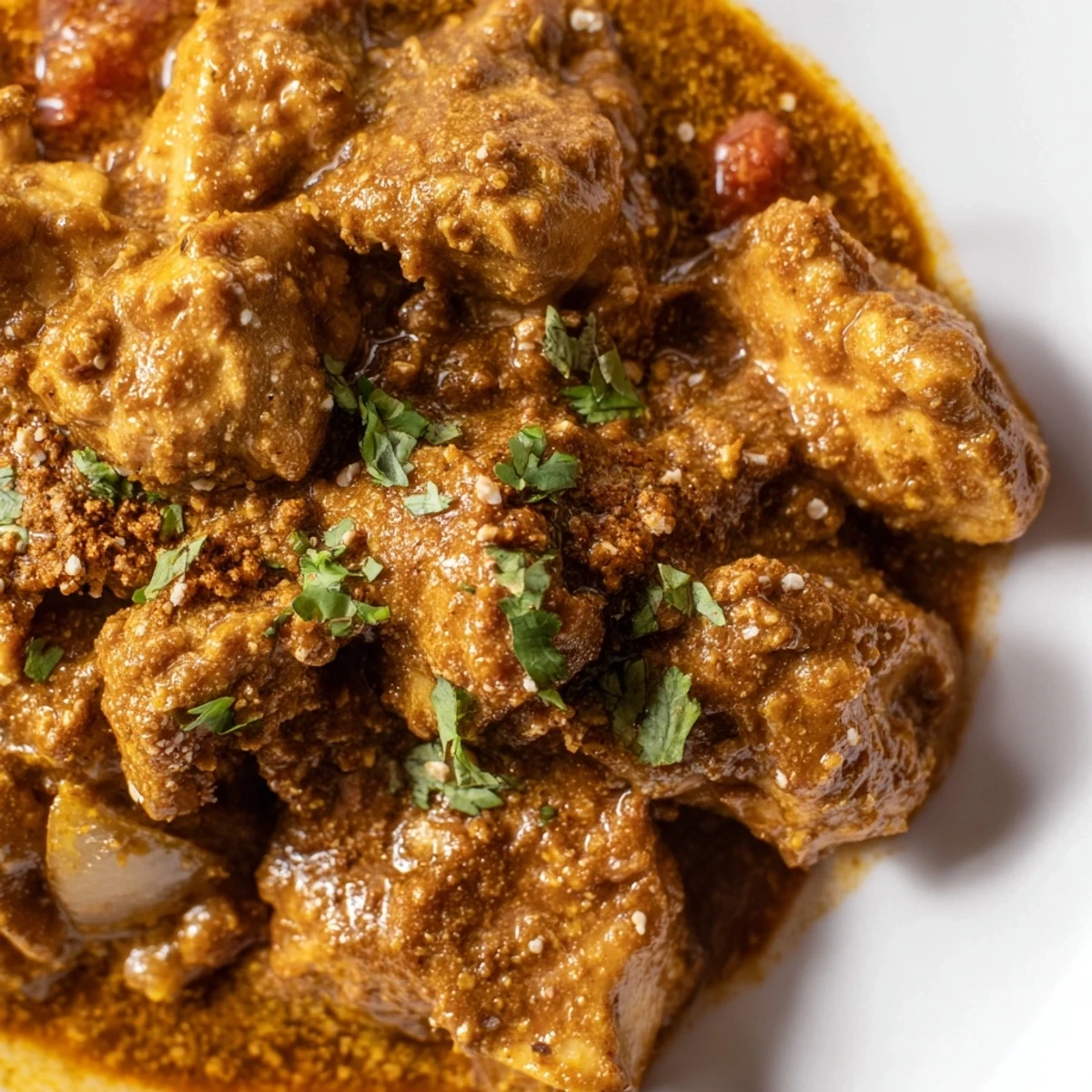
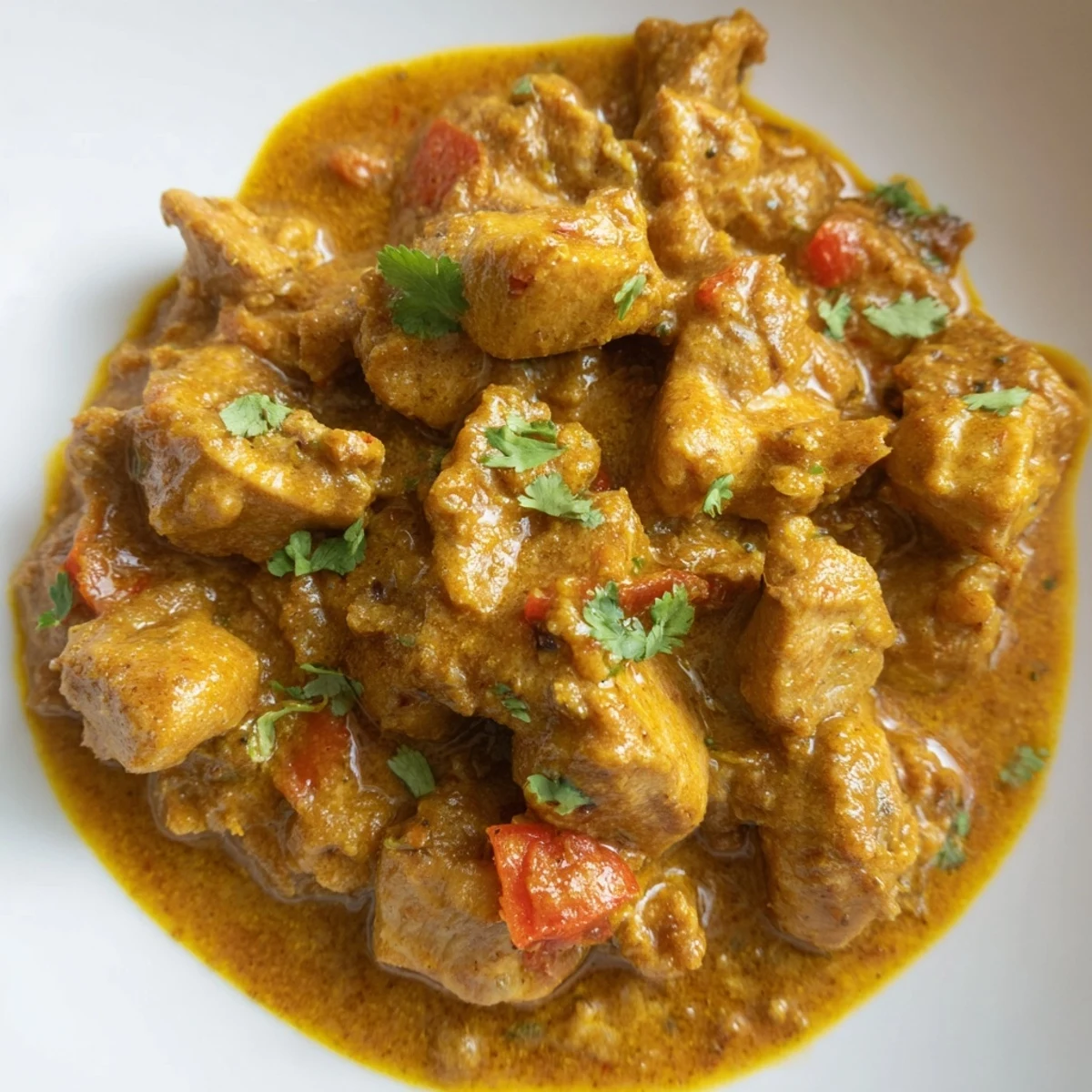
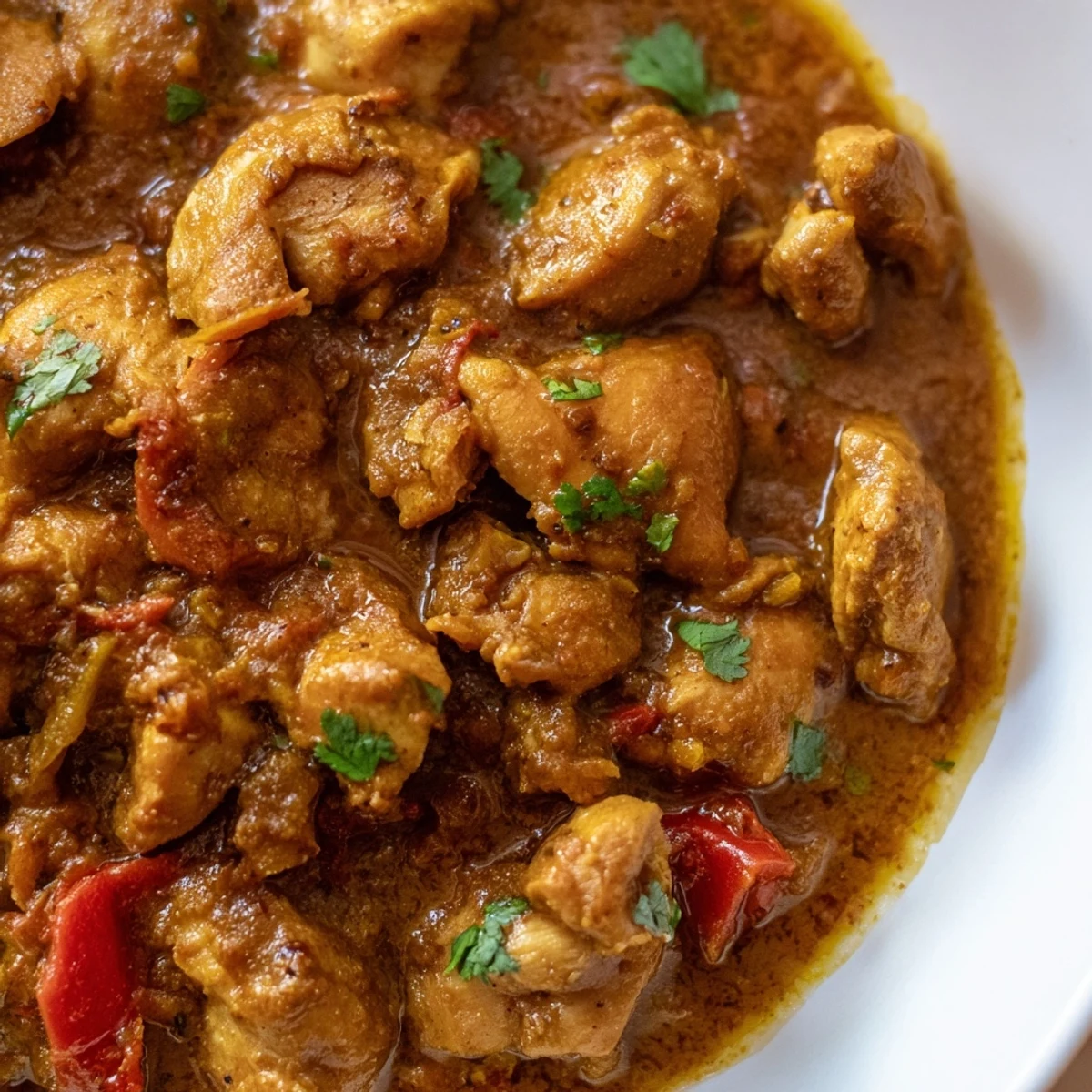
 This dish features tender chicken thighs slowly simmered in a fragrant blend of spices including cumin, coriander, turmeric, and garam masala. Fresh aromatics like garlic, ginger, onions, and tomatoes create a flavorful base. Coconut milk adds creaminess while chili powder and cayenne pepper bring a warming heat. The sauce thickens during gentle simmering, resulting in a rich, balanced curry perfect for serving over steamed rice or warm bread. Garnish with fresh cilantro and a dash of lime for a bright finishing touch.
The first time I made this curry, I wasn't trying to impress anyone—I just needed to use up a package of chicken thighs before they went bad. What started as a practical weeknight solution turned into something I now make whenever I want to feel like I've traveled somewhere warm and exotic without leaving my kitchen. There's something magical about how the spices bloom in hot oil, filling your whole house with this unmistakable aroma that somehow makes everything feel a little more special. Now my friends text me asking when I'm making it again.
I'll never forget cooking this for my partner during a particularly gray October evening. They came home exhausted, and I had the pan going with those onions turning golden, the kitchen already warming with cumin and coriander. By the time the coconut milk hit the pan, they'd completely relaxed—there's something about spiced food that just melts stress away. We ate it straight from the pot standing at the counter, no plates, just two forks and this incredible moment.
Ingredients
- Boneless, skinless chicken thighs (800 g): Thighs have more fat running through them than breast meat, which means they won't dry out during the simmer and will actually absorb all those beautiful spices better.
- Large onion, finely chopped: This is your flavor foundation—take time with this step and don't skip the golden-brown part, it makes the whole curry taste deeper and richer.
- Garlic and fresh ginger: These two together create an aromatic punch that makes your kitchen smell like you've been cooking all day, even though you haven't.
- Curry powder, cumin, coriander, and garam masala: The spice blend is where the magic lives—toasting them for those crucial 1-2 minutes wakes them up and changes everything about the final taste.
- Chili powder and cayenne pepper: Start conservative with these and taste as you go; you can always add more heat, but you can't take it back once it's in the pot.
- Tomatoes, chopped: These break down into the sauce and add a subtle acidity that keeps the curry from feeling one-dimensional.
- Coconut milk and chicken stock: The coconut milk makes this creamy and luxurious while the stock keeps it from being too heavy—it's the balance that makes you want seconds.
- Vegetable oil: Use something neutral that can handle the heat without burning; this isn't the place to get creative with exotic oils.
- Cilantro and lime juice: These garnishes hit at the very end and add freshness that cuts through all that richness beautifully.
Instructions
- Toast your aromatics until they're golden:
- Heat the oil in your largest pan over medium heat and add the chopped onion. You're looking for that moment when the onions turn a deep golden color and smell almost sweet—this takes about 5 minutes and is absolutely worth the wait. Once you get there, add the garlic and ginger and let them cook for just a minute until the whole kitchen smells incredible.
- Awaken the spices:
- Add your curry powder, cumin, coriander, chili powder, turmeric, cayenne, and black pepper all at once, then stir constantly for 1-2 minutes. You'll notice the spices start to smell even more aromatic and fragrant—that's the heat releasing their essential oils, and it's the difference between a good curry and an amazing one.
- Build the sauce base with tomatoes:
- Add your chopped tomatoes and cook for about 4 minutes until they soften and start to break down. This creates a slightly thickened base that will hug your chicken pieces perfectly.
- Brown the chicken gently:
- Add the chicken pieces to the pan and season with salt, then let them cook for 5-6 minutes without stirring too much. You're looking for light browning on the outside, not a hard crust—this adds flavor without drying out the meat.
- Pour in the liquid and begin the simmer:
- Add the coconut milk and chicken stock slowly, stirring to combine and scraping up any browned bits stuck to the bottom—those are pure flavor. Reduce heat to low, cover the pan, and let it simmer gently for 20 minutes, stirring now and then.
- Finish with final spices and reduce:
- Remove the lid, stir in the garam masala (which should go in near the end so it doesn't lose its brightness), and let it simmer uncovered for another 5 minutes. This uncovers step thickens the sauce slightly and helps all the flavors settle together.
- Taste and adjust before serving:
- Always taste before plating and adjust the salt, heat, or even add a squeeze of lime if it needs brightness. Finish with fresh cilantro and that optional lime juice for a restaurant-quality touch.
 Save to Pinterest
 There was this one time I made this curry for a dinner party with people I didn't know very well, all at my partner's insistence. I was nervous about getting it right, but somewhere between the toasting spices and the moment the coconut milk hit the pan, my anxiety just melted away into this meditative flow. By the time everyone was eating, they were so focused on the food that conversation naturally deepened—sometimes a really good curry does more for gathering people than small talk ever could.
Why Chicken Thighs Are the Secret
I learned this the hard way by making this curry with chicken breast once, thinking it would be lighter or healthier. The breast meat turned out dry and stringy while the thighs stayed buttery and tender—there's actually more fat in thighs, and that fat is what keeps the meat moist during the longer cooking time and helps it absorb all the spices. Now I'm that friend who always defends thighs in the kitchen, and I'm not sorry about it.
Getting the Spice Level Right
Everyone's heat tolerance is different, and that's okay. I've learned to start with the base amount of chili powder and cayenne pepper, then taste the sauce about halfway through simmering and adjust from there if needed. You can always add more spice by stirring in extra chili powder or even dicing up a fresh green chili, but you can't undo it once it's in the pot. The cilantro and lime juice at the end also help mellow the heat a bit while adding brightness, so don't skip those.
What to Serve It With
This curry is meant to be scooped up or soaked into something, so having a vehicle for it matters. Steamed basmati rice is the classic choice and lets the curry be the star, while warm naan is more indulgent and turns this into something you eat with your hands. Some nights I make cauliflower rice if I'm trying to keep it lighter, and honestly, it works just as well.
- Basmati rice absorbs the sauce beautifully without getting mushy if you cook it properly.
- Warm naan straight from a skillet or even the toaster oven turns eating into an experience.
- A simple cucumber and tomato salad on the side cuts through the richness and keeps things balanced.
 Save to Pinterest
 This curry has become my reliable comfort in the kitchen, the thing I make when I want to feel capable and nourished at the same time. It's taught me that you don't need fancy techniques or hard-to-find ingredients to make something that tastes like you've been cooking for hours.
Recipe Help & Support
- → What chicken cut works best for this dish?
-
Boneless, skinless thighs are ideal as they stay juicy and tender during simmering, but chicken breast can be used if preferred.
- → Can I adjust the spice level?
-
Yes, chili powder and cayenne pepper can be reduced or increased to suit your preferred heat level; adding fresh chopped chili adds more spice.
- → What can I serve alongside this dish?
-
It pairs wonderfully with steamed basmati rice or warm naan to soak up the flavorful sauce.
- → How do I make the sauce thicker?
-
Simmer uncovered during the final minutes and stir frequently to reduce and thicken the curry sauce naturally.
- → Is this dish gluten-free?
-
Yes, provided the curry powder and chicken stock used contain no gluten; always check labels to confirm.