
 Save to Pinterest
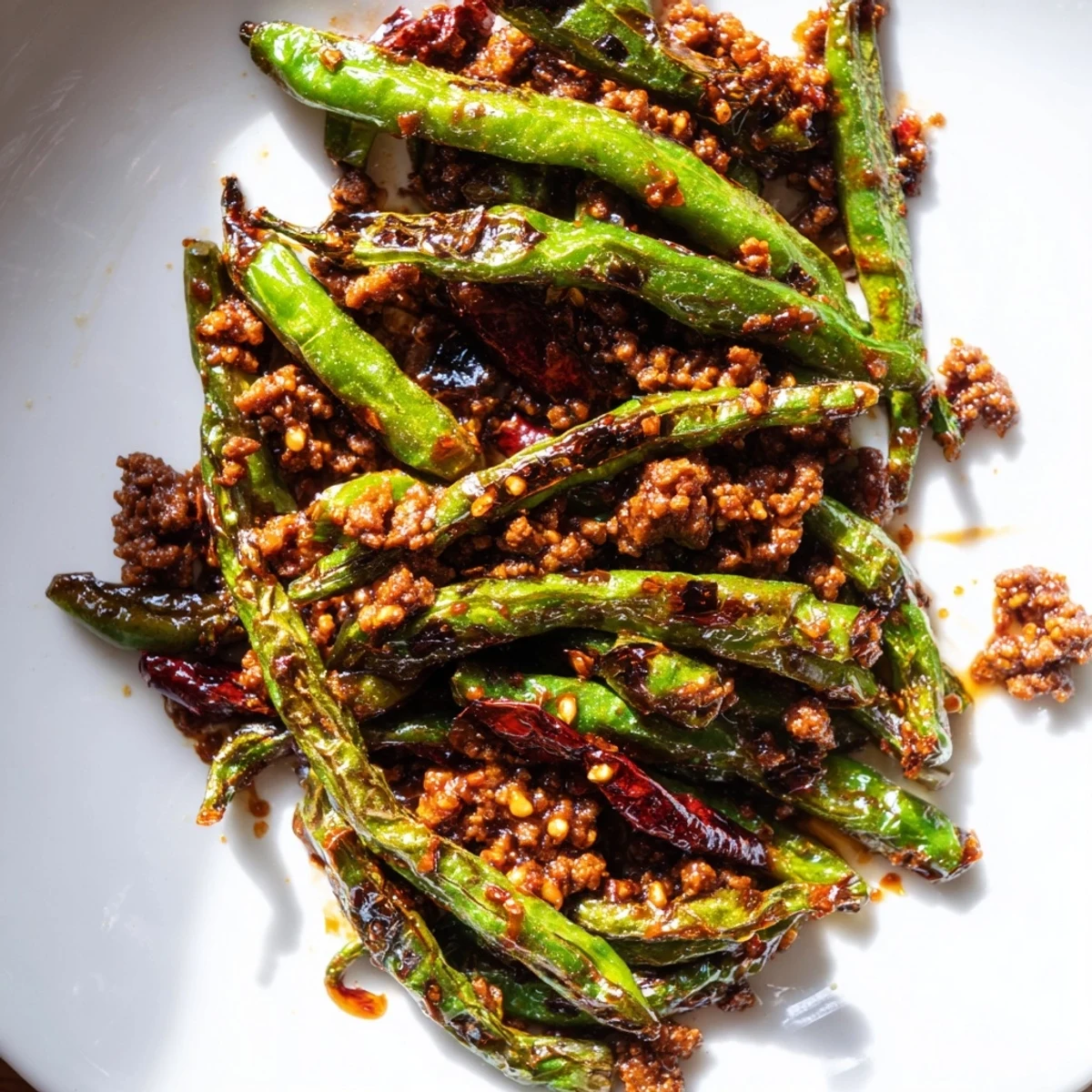
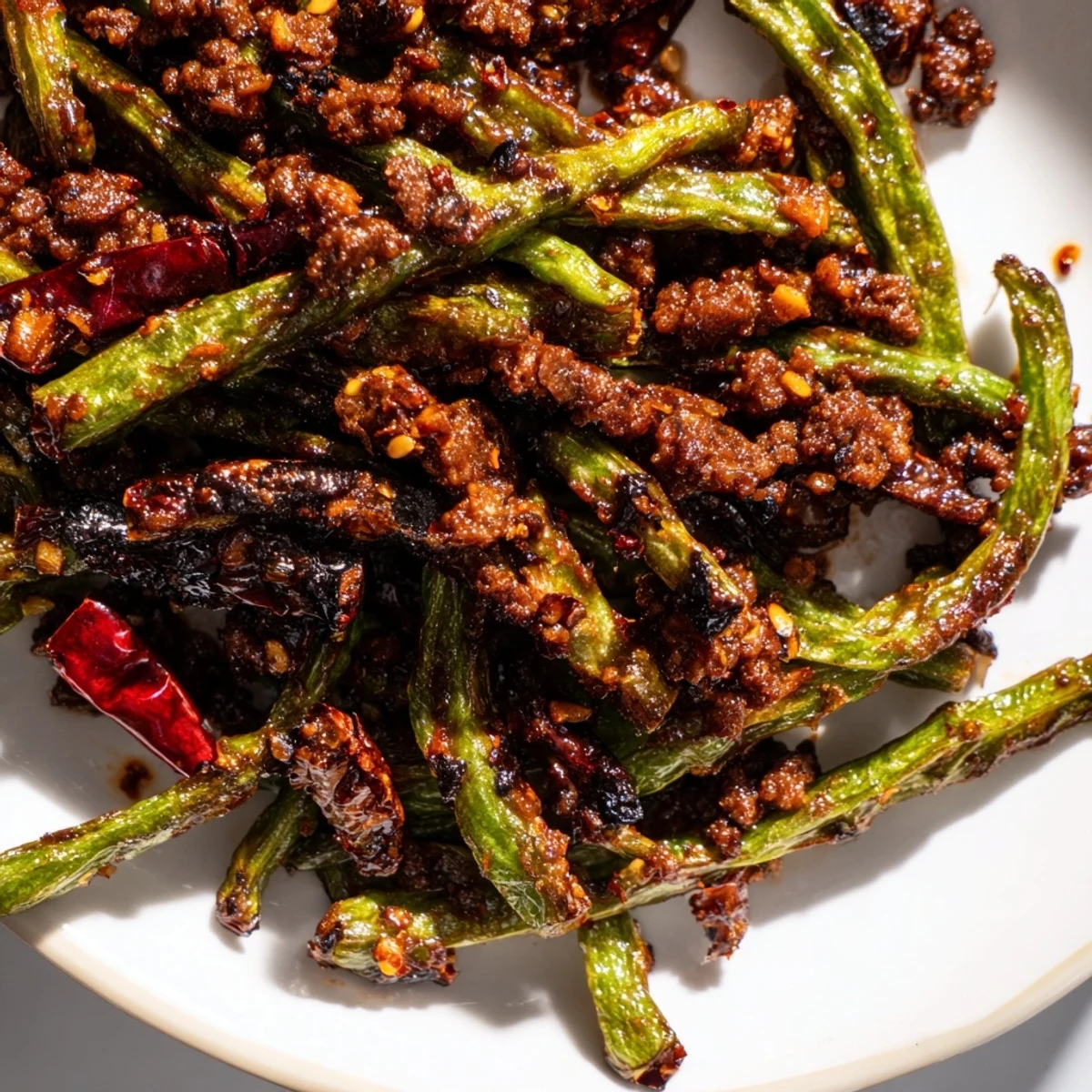
 This dish showcases tender green beans blistered to perfection and combined with browned minced beef in a fragrant Szechuan sauce. The bold flavors come from chili bean paste, peppercorns, soy, and a hint of sesame oil, creating a lively and aromatic stir-fry. Quick to prepare, it's ideal for busy evenings craving authentic Chinese flavors with a spicy kick. The fresh ginger, garlic, and scallions add depth while maintaining a balanced heat. Serve with jasmine rice or noodles for a complete meal.
The first time I really understood what makes Szechuan cooking special was in my tiny apartment kitchen, a jar of chili bean paste in one hand and a wok that had seen better days in the other. My roommate wandered in asking what smelled so good, and I realized I'd created something that filled the whole space with warmth and that distinctive tingling heat. That moment taught me that bold, honest flavors don't need fancy equipment or complicated techniques.
I made this for friends who were convinced they didn't like green beans, and watching their faces change when they tasted the charred edges and spicy sauce was pure joy. One friend kept going back for more, asking how something so simple tasted so alive, and I found myself explaining Szechuan peppercorns like I'd discovered them myself. That's when I knew this recipe had become my go-to for impressing people without stress.
Ingredients
- Green beans (400 g): The blanching step is non-negotiable because it jumpstarts the cooking and helps them char properly in the wok without staying tough.
- Lean minced beef (300 g): Don't overcrowd the wok when browning or they'll steam instead of sear, so give them space to develop flavor.
- Szechuan peppercorns (2 tbsp): Toast them lightly in a dry wok first if you buy them whole, which unlocks their numbing, citrusy magic.
- Chili bean paste (2 tsp): This is the backbone of the sauce, so buy the real doubanjiang if you can find it in an Asian market.
- Soy sauce (2 tbsp): Choose a good quality soy sauce because it carries so much of the flavor profile here.
- Oyster sauce (1 tbsp): It adds savory depth and helps bind the sauce to the vegetables and meat.
- Shaoxing wine (1 tbsp): Dry sherry works in a pinch, but Shaoxing wine has a subtle sweetness that completes the balance.
- Garlic and ginger (3 cloves and 1 tbsp): Mince these together before cooking so they don't separate and cook unevenly.
- Scallions (2): Save some of the greens for garnish at the end to add a fresh pop of color.
- Sesame oil (1 tsp): This finishes the dish, so drizzle it at the very end when everything's off heat.
- Vegetable oil (2 tbsp): Use neutral oil with a high smoke point so your wok stays hot enough to create that sear.
Instructions
- Blanch and prep the green beans:
- Drop them into boiling water for just two minutes, then shock them in ice water to stop the cooking. Patting them completely dry matters because any moisture will prevent proper charring in the wok.
- Sear the green beans:
- Heat your wok until it's smoking slightly, then add the beans and let them sit for a minute before stirring so they blister and char beautifully. You'll hear them sizzle and smell something almost smoky, which means you're doing it right.
- Toast the Szechuan peppercorns:
- In a fresh bit of oil, warm the peppercorns for thirty seconds until they become fragrant and release their numbing compounds. They'll smell almost floral and slightly citrusy.
- Bloom your aromatics:
- Add the garlic, ginger, and scallions to the warm oil and stir constantly for about a minute so they perfume the oil without burning. Your kitchen should smell incredible at this point.
- Brown the beef:
- Push the aromatics to the side and add the minced beef, breaking it up as it cooks so you get little flavorful pieces instead of clumps. This takes about four to five minutes, and you'll know it's ready when it's no longer pink and starting to brown at the edges.
- Build the sauce:
- Stir in the chili bean paste, soy sauce, oyster sauce, Shaoxing wine, sugar, and white pepper, cooking just long enough for everything to become fragrant and cohesive. The mixture should smell assertive and complex, with that chili paste melting right into the beef.
- Bring it together:
- Return the green beans to the wok and toss everything for a minute or two until the beans are coated and heated through. Everything should be glistening and moving together in the wok.
- Finish with sesame oil:
- Drizzle the sesame oil over everything right before plating, which adds a toasted, nutty finish that ties all the bold flavors together.
 Save to Pinterest
 There's something about Szechuan cooking that changes how you think about heat in food, moving it from punishment to pleasure. I remember tasting this dish and realizing that the numbing sensation from the peppercorns wasn't pain at all, but more like a door opening to a completely different kind of flavor experience.
The Magic of Szechuan Peppercorns
These aren't actually peppers, and they're definitely not as hot as chili flakes, which blew my mind the first time I learned it. The numbing sensation they create, called ma la, comes from hydroxy-alpha-sanshool and makes your mouth tingle in a way that's almost meditative. Once you understand that, you realize you're not fighting heat but exploring a completely different dimension of flavor.
Vegetable and Protein Variations
This recipe is endlessly adaptable, and I've made it with whatever vegetables needed to be used before they went bad. Shiitake mushrooms, bok choy, and bell peppers all work beautifully with this sauce, and for the vegetarian version, finely chopped mushrooms or plant-based mince gives you that meaty texture without any compromise on flavor.
Serving and Pairing Ideas
Steamed jasmine rice is the classic choice because it lets the sauce shine and gives you something to cool your mouth between bites. I've also served this over noodles or even crispy rice for variety, and each changes the eating experience while keeping that bold Szechuan flavor front and center.
- A cold lager or crisp white wine like Riesling cuts through the heat beautifully and makes the meal feel complete.
- Pair with other Chinese dishes like mapo tofu or cucumber salad if you're making a larger spread.
- Leftovers actually taste better the next day after the flavors have had time to meld together.
 Save to Pinterest
 This dish taught me that simple cooking with bold ingredients is where real satisfaction lives. Once you master this formula, you'll find yourself making it again and again, each time discovering something new in those familiar flavors.
Recipe Help & Support
- → How do I make the green beans crisp yet tender?
-
Blanch the green beans in boiling water for 2 minutes, then rinse with cold water and dry thoroughly before stir-frying to retain crispness and vibrant color.
- → Can I adjust the spiciness level?
-
Yes, reduce or omit the crushed red chili flakes and chili bean paste for milder heat, or add more for extra spice.
- → What substitutes can be used for minced beef?
-
For a vegetarian option, finely chopped mushrooms or plant-based mince work well while keeping the texture hearty.
- → What cooking oil is best for stir-frying?
-
Vegetable oil is recommended for its high smoke point and neutral flavor to properly stir-fry without burning.
- → How do I enhance the aroma of the dish?
-
Frying the Szechuan peppercorns initially releases their fragrance, and finishing with toasted sesame oil adds a nutty aroma.