
 Save to Pinterest
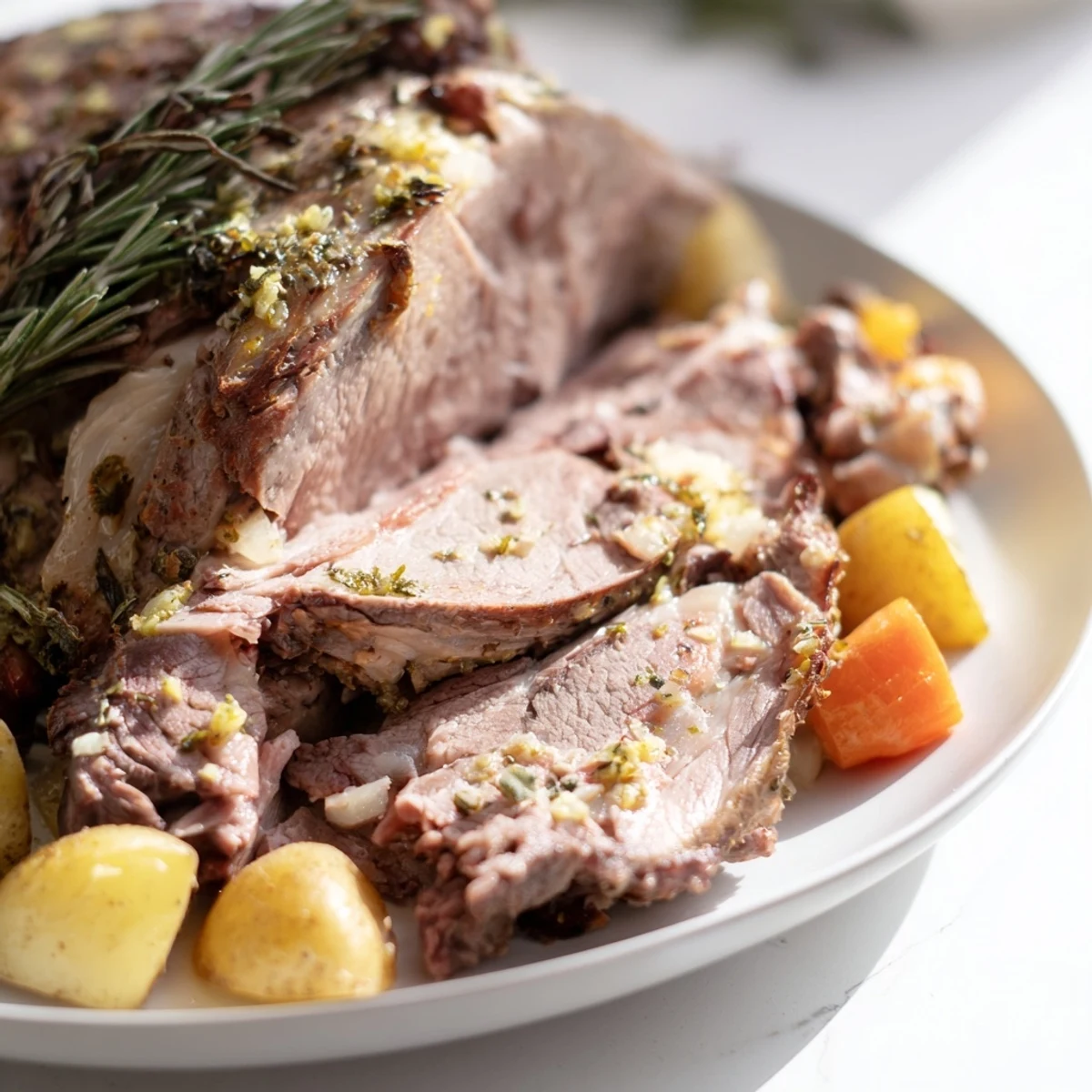
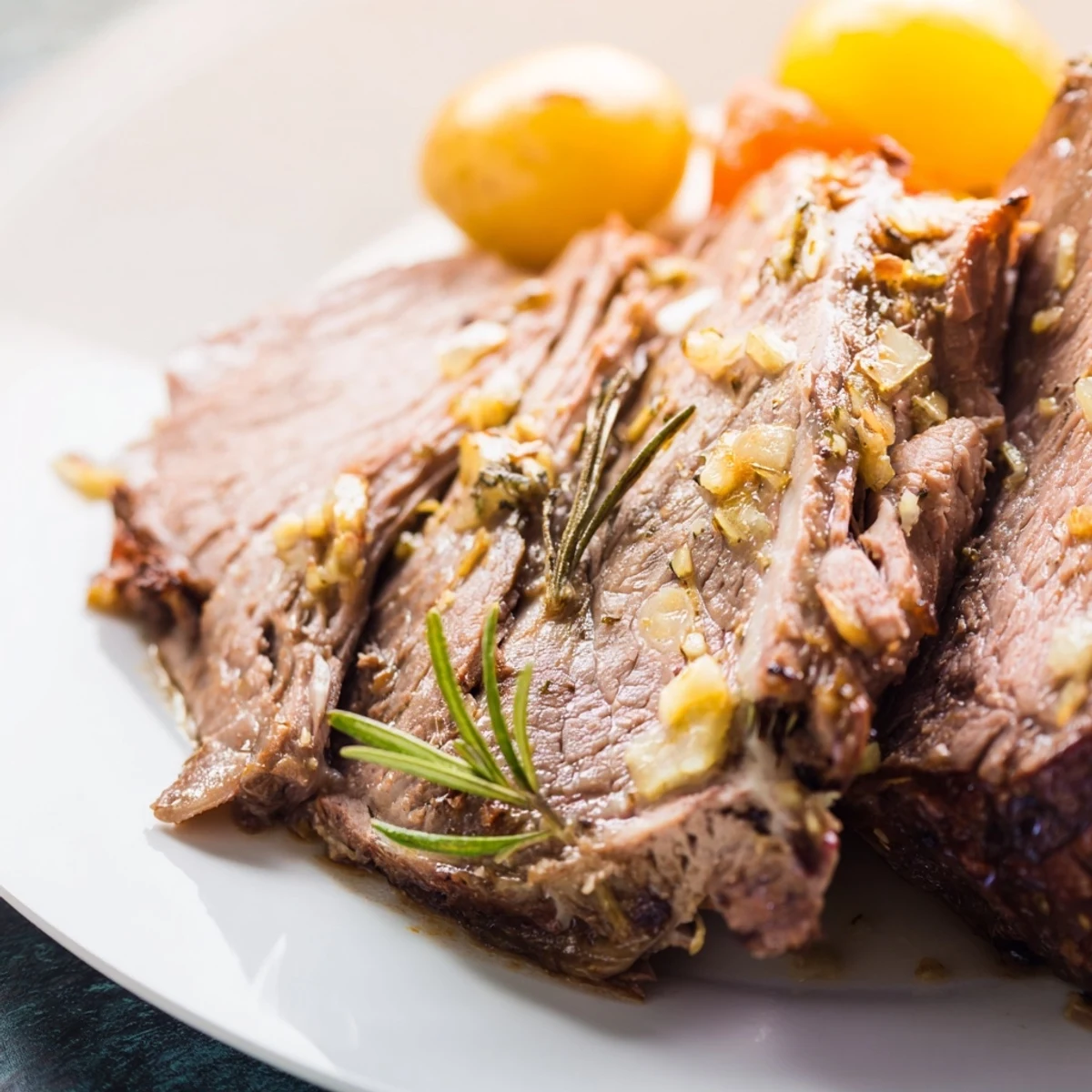
 Slow roasting a leg of lamb with garlic, lemon, and fresh herbs creates a deeply flavorful and tender dish. The lamb is carefully slashed and filled with garlic, then rubbed with a zesty lemon-herb mixture. Roasted alongside carrots, onions, and baby potatoes, it absorbs savory aromas while cooking low and slow for several hours. Finishing under high heat ensures a browned exterior and juicy interior. Resting before carving allows juices to redistribute, making each bite succulent. This method offers an impressive centerpiece full of Mediterranean flavors ideal for sharing.
I pulled a leg of lamb from the butcher's cold case on a whim one Saturday, no plan, just curiosity. By evening, my kitchen smelled like a hillside in Greece. The slow heat worked its quiet magic, and I realized I'd stumbled onto something worth repeating. That first attempt taught me patience pays off in tenderness.
I made this for a small dinner party once, and by the time I brought the pan to the table, conversation had already stopped. The garlic-studded crust glistened under the dining room light, and someone said it looked like something from a cookbook cover. I carved it right there, and the meat pulled away from the bone in soft, fragrant slices that needed no explanation.
Ingredients
- Leg of lamb, bone-in: The bone adds flavor and helps the meat cook evenly, choose one with a good layer of fat for moisture.
- Olive oil: Use a fruity extra virgin if you have it, the flavor comes through in the crust.
- Garlic cloves: Halving them releases their oils slowly during the long roast, mellowing into sweet, nutty bites.
- Lemons: Both zest and juice are essential, the zest clings to the meat and caramelizes beautifully.
- Fresh rosemary: If using dried, crush it between your fingers first to wake up the oils.
- Fresh thyme leaves: Strip them from the stem by running your fingers backward along the branch.
- Kosher salt: The coarse grains help the rub stick and season deeply.
- Black pepper: Freshly ground makes a noticeable difference, crack it just before rubbing.
- Carrots, onions, baby potatoes: They soak up the drippings and become a built-in side dish.
- Dry white wine or chicken broth: This keeps the pan moist and creates a base for those pan juices you will want to spoon over everything.
Instructions
- Prep the oven and lamb:
- Set your oven to 150°C (300°F) and let it warm while you work. Pat the lamb completely dry with paper towels so the rub adheres instead of sliding off.
- Create pockets for flavor:
- Use a sharp knife to make deep slits all over the leg, about a dozen or so. Tuck garlic halves and a pinch of rosemary into each slit, they will perfume the meat from the inside out.
- Make the rub:
- In a small bowl, mix olive oil, lemon zest, lemon juice, remaining rosemary, thyme, salt, and pepper into a loose paste. Massage it all over the lamb, getting into every crevice.
- Arrange the vegetables:
- Scatter carrots, onions, and potatoes across the bottom of a large roasting pan. Nestle the lamb on top so it sits like a crown over the vegetables.
- Add liquid and cover:
- Pour the wine or broth into the pan, not over the lamb but around the vegetables. Cover the whole pan tightly with foil to trap the steam.
- Slow roast:
- Slide the pan into the oven and roast for 2.5 hours without peeking. The low heat breaks down the connective tissue into silky richness.
- Finish with high heat:
- Remove the foil, crank the oven to 200°C (400°F), and roast uncovered for 30 minutes. The surface will brown and crisp while the vegetables caramelize at the edges.
- Rest and serve:
- Transfer the lamb to a cutting board and tent it loosely with foil for 15 minutes. Carve against the grain and serve with the roasted vegetables and spoonfuls of those golden pan juices.
 Save to Pinterest
 The first time I served this, my friend who claimed she did not like lamb asked for seconds. She said it tasted nothing like what she remembered, just tender, bright, and full of warmth. That night, this dish stopped being just a recipe and became my go-to for turning skeptics into believers.
What to Serve Alongside
The roasted vegetables are already there, but a simple green salad with a sharp vinaigrette cuts through the richness beautifully. I have also served it with creamy polenta or a pile of couscous tossed with herbs and toasted pine nuts. A basket of warm, crusty bread for mopping up the pan juices is non-negotiable.
How to Store and Reheat
Leftover lamb keeps in the fridge for up to three days in an airtight container. Slice it cold for sandwiches with mustard and arugula, or reheat gently in a covered dish with a splash of broth to keep it moist. I have even shredded the meat and stirred it into pasta with sun-dried tomatoes and spinach for an entirely different meal.
Making It Your Own
This recipe is a forgiving canvas. Swap rosemary for oregano if you want a more Greek vibe, or add a tablespoon of honey to the rub for a hint of sweetness that caramelizes beautifully. Some people like to throw in whole shallots or fennel wedges with the vegetables, both add a gentle sweetness that plays well with the lemon.
- For a spicier kick, add a teaspoon of smoked paprika or a pinch of red pepper flakes to the rub.
- If you can not find baby potatoes, regular potatoes cut into thick wedges work just as well.
- A handful of olives tossed in during the last 30 minutes adds briny pops of flavor.
 Save to Pinterest
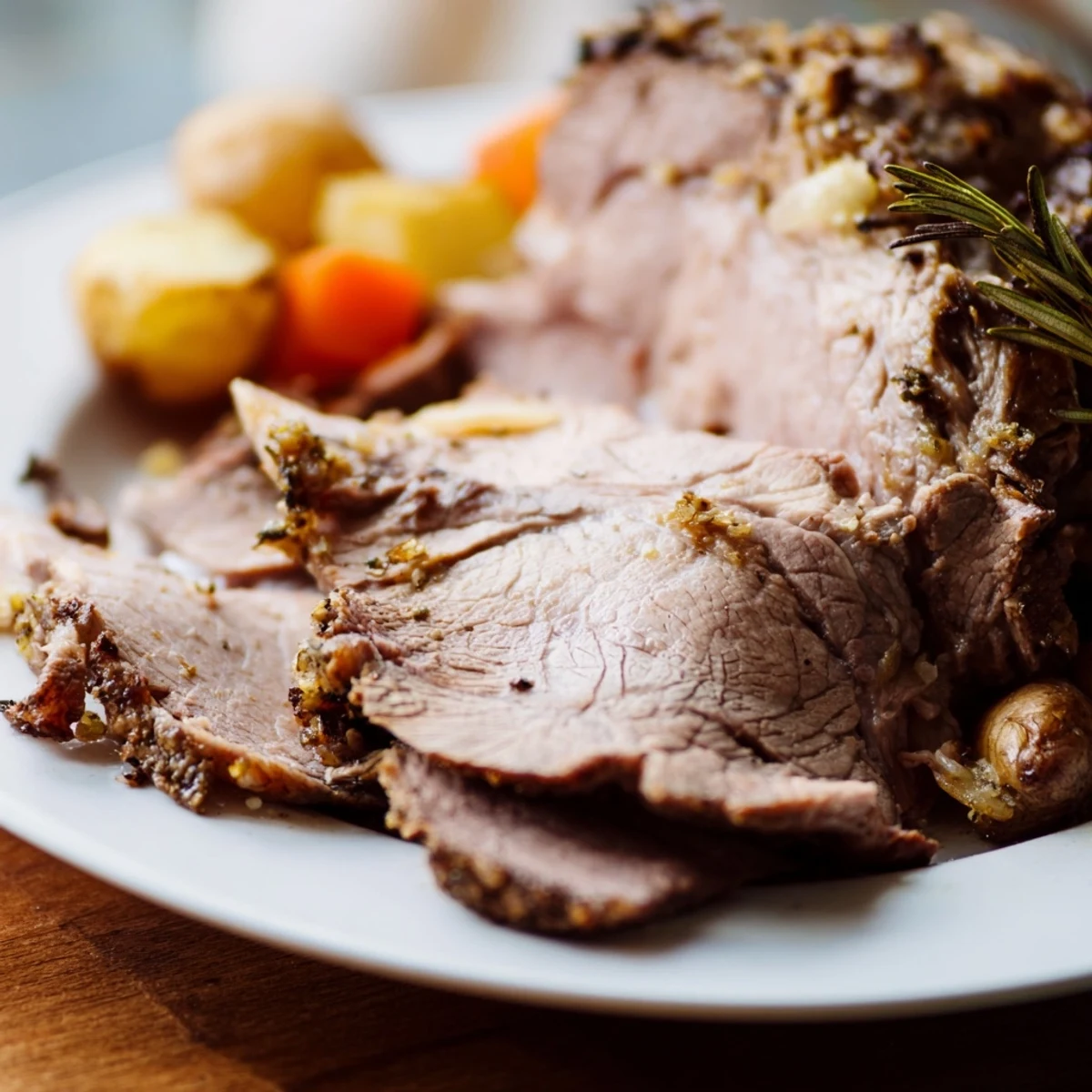
 This lamb has become my answer to special occasions that deserve something memorable but not stressful. Every time I pull it from the oven, I am reminded that the best meals are the ones that give you time to enjoy the people you are feeding.
Recipe Help & Support
- → How do I prepare the lamb before roasting?
-
Pat the lamb dry and make deep slits all over. Insert garlic halves and rosemary into the slits then rub with a lemon, herb, and olive oil mixture.
- → What vegetables complement this dish?
-
Carrots, onions, and baby potatoes are ideal for roasting alongside to absorb the lamb's savory juices and flavors.
- → Can I substitute the lemon used in this dish?
-
Yes, you can add extra lemon zest for a stronger citrus note or squeeze additional lemon juice over before serving.
- → What liquids can be used for roasting?
-
Dry white wine or low-sodium chicken broth can be poured into the roasting pan base to keep the meat moist and add depth to the flavor.
- → How do I achieve a browned exterior on the lamb?
-
After slow roasting covered, remove the foil and roast uncovered at higher temperature for the last 30 minutes to brown the surface.
- → Is resting the lamb important?
-
Yes, resting loosely covered for 15 minutes after roasting helps redistribute juices, ensuring tender and juicy slices.