
 Save to Pinterest
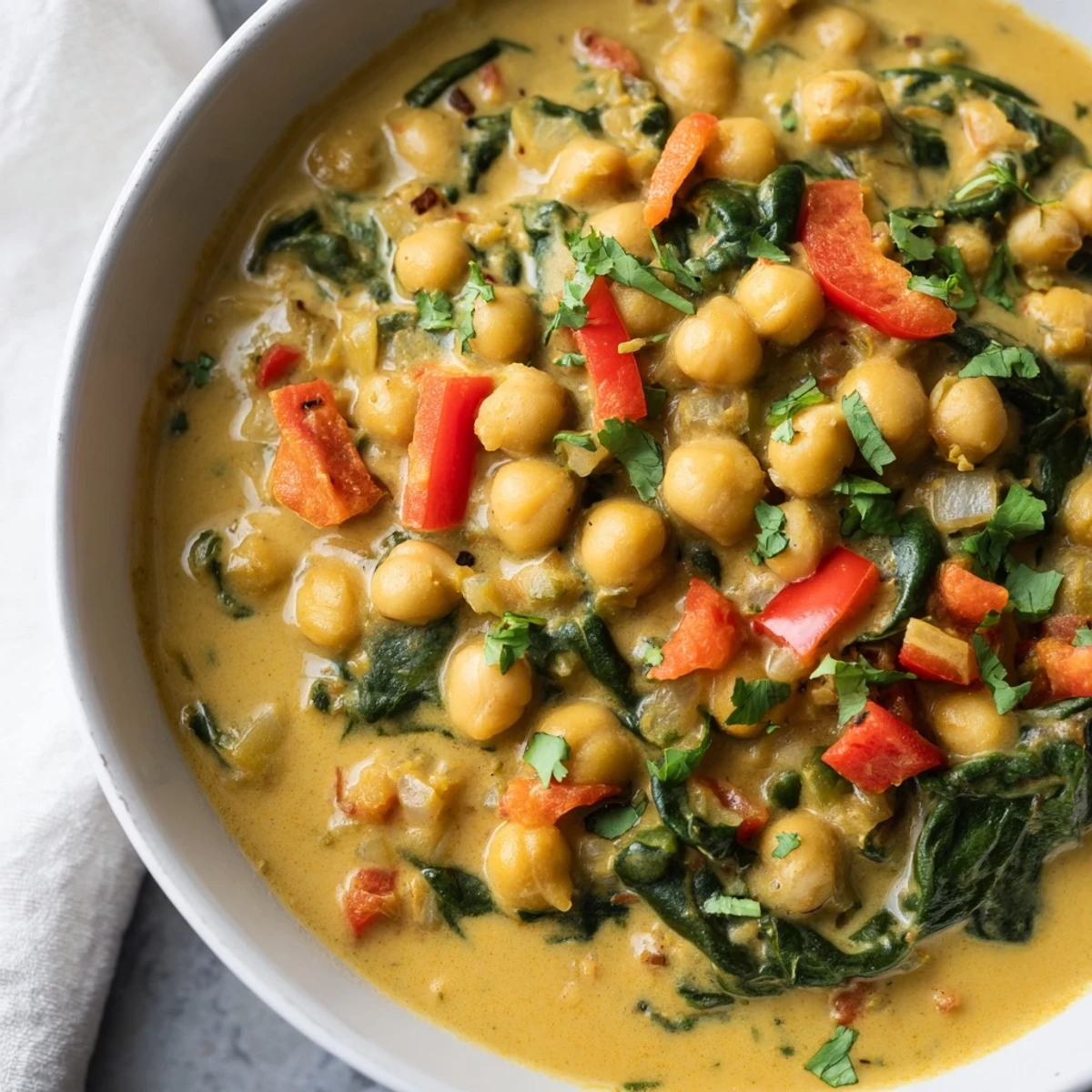
 This dish combines tender chickpeas gently cooked in creamy coconut milk infused with a blend of warming spices like curry powder, cumin, turmeric, and smoked paprika. Aromatic garlic, ginger, and fresh herbs elevate the flavors, while fresh spinach adds a vibrant touch. Simmered to perfection, it offers a comforting and delicious meal that’s both nourishing and satisfying.
Ideal for a quick yet flavorful main course, it pairs beautifully with rice or flatbread. Adjust heat with cayenne or fresh chili to suit your taste. A wholesome option featuring plant-based ingredients and vibrant Indian-inspired tastes.
There's something about the smell of coconut oil hitting a hot pan that stops me mid-thought every single time. Years ago, I was experimenting in my tiny kitchen with whatever spices I had on hand when a friend mentioned offhandedly that chickpeas could be just as satisfying as meat in a curry. That comment stuck with me, and this recipe is what I've made ever since, each time discovering something new in those layers of flavor.
I made this for a dinner party once when I had no idea what to feed a newly vegan friend, and I remember the relief washing over me when she went back for seconds. There's a quiet confidence in serving something you've made from scratch, something that proves plant-based food isn't about compromise at all.
Ingredients
- Chickpeas (2 cans): Drain and rinse these thoroughly—I learned the hard way that the starchy liquid makes the sauce cloudy, and you want it silky and luxurious.
- Onion (1 large): Chop it fine and give it time to soften; this is where the foundation of flavor happens.
- Garlic and ginger (3 cloves and 1-inch piece): Fresh is non-negotiable here, and the moment you add them to hot oil, your kitchen will smell like a spice market.
- Red bell pepper (1): The sweetness balances the spices and adds brightness; dice it small so it melts into the sauce.
- Diced tomatoes (1 can): Use canned for consistency; the acidity lifts everything and prevents the curry from feeling heavy.
- Fresh spinach (2 cups): Save this for the end so it wilts just before serving and keeps its vibrant color and nutrients.
- Coconut milk (1 can, full-fat): This is the soul of the dish; don't use lite, and shake the can well before opening because those creamy bits are what you're after.
- Vegetable broth (1/2 cup): Adjust based on how thick you like your curry; I sometimes use less if I want it to cling to rice.
- Curry powder (2 tbsp): This is your backbone spice, so use one you actually enjoy tasting straight from the jar.
- Cumin (1 tsp), turmeric (1/2 tsp), smoked paprika (1/2 tsp): These three work together to create warmth and depth; don't skip any of them.
- Cayenne pepper (1/4 tsp, optional): Start small and add more if you want heat, because you can always turn up the fire but you can't take it back.
- Salt and black pepper: Taste as you go; seasoning is personal, and what's perfect for me might be different for you.
- Coconut oil or vegetable oil (2 tbsp): Coconut oil adds subtle flavor, but use what you have; the heat is what matters.
- Lime juice (from 1 lime): Add this at the very end to brighten everything and cut through the richness with a little acid.
- Fresh cilantro (for garnish): It might seem optional, but it's the final touch that makes people lean back and ask what that fresh green taste is.
Instructions
- Start your flavor base:
- Heat coconut oil in a large pot over medium heat until it shimmers. Once you hear that quiet sizzle, add the finely chopped onion and let it soften for 3 to 4 minutes, stirring every now and then until the edges turn translucent and smell golden.
- Wake up the aromatics:
- Stir in minced garlic and grated ginger, cooking for just 1 minute until your kitchen fills with that unmistakable warm scent. This is the moment when cooking shifts from task to ritual.
- Build the depth:
- Add the diced red bell pepper and cook for 2 minutes, then sprinkle in all your spices at once—curry powder, cumin, turmeric, smoked paprika, and cayenne. Stir everything together so the vegetables get coated in spice, and you'll see the oil turn a rich golden color.
- Meld the flavors:
- Pour in your canned diced tomatoes with all their juices and let them cook down for 3 minutes. The tomatoes break down slightly and help the spices dissolve into something cohesive.
- Bring in the protein and creaminess:
- Add the drained chickpeas, full-fat coconut milk, and vegetable broth. Stir well so everything is combined, then bring the mixture to a gentle simmer and cover the pot.
- Let it all come together:
- Cook covered for 15 to 20 minutes, stirring occasionally. The sauce will deepen in color and the chickpeas will start to break down just slightly, thickening everything naturally.
- Finish with freshness:
- Add the fresh spinach and let it wilt for 2 to 3 minutes, then squeeze in your lime juice and taste. Season with salt and black pepper until it tastes like home to you.
- Serve with intention:
- Ladle it into bowls over steamed basmati rice, top with fresh cilantro, and watch people's faces light up when they taste it.
 Save to Pinterest
 I remember my mom tasting this curry for the first time and being genuinely surprised that it was vegan, which somehow meant more to me than any compliment about the food itself. It wasn't about convincing her that plant-based cooking was valid; it was about showing her that nourishment and joy don't require sacrifice.
Why This Curry Works
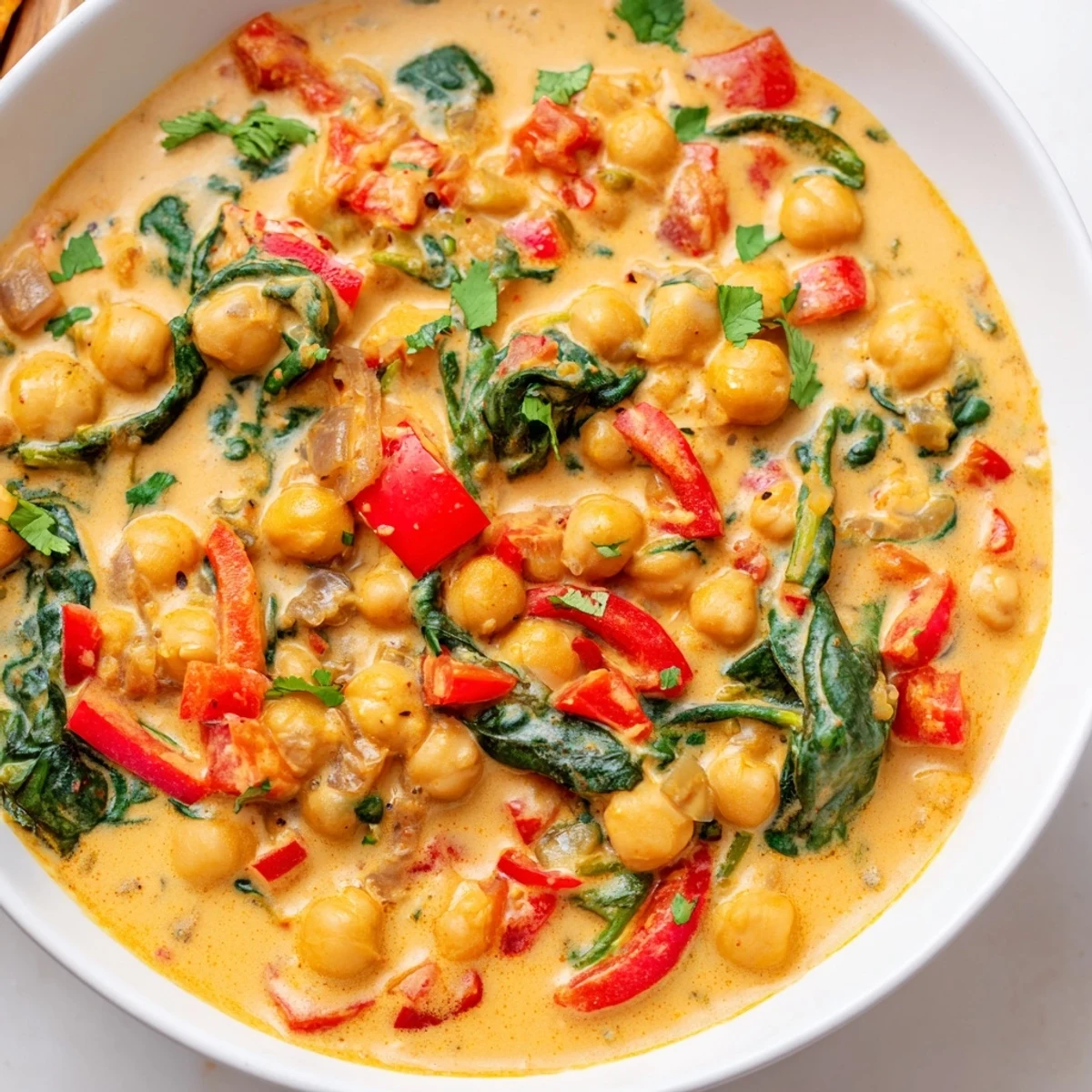
The magic here is that coconut milk gives you richness without dairy, while the tomatoes and chickpeas provide substance and texture. Spices do the heavy lifting, and they do it generously—each one has a job, whether it's warmth or earthiness or that subtle smokiness that makes you pause mid-bite. The lime juice at the end is what keeps it from feeling heavy, like the final word in a sentence that needed just one more thing to feel complete.
Serving and Pairing
This curry shines best over steamed basmati rice, where it can pool into all those little grains, or with naan if you want something to soak it up and wrap around. I've also served it over quinoa for a different texture entirely, and it works beautifully. A simple green salad on the side cuts through the richness, and a cold glass of something neutral keeps the heat balanced if you pushed the cayenne.
Making It Your Own
This recipe is a canvas, not a rule. I've added sweet potato chunks when I wanted something heartier, or extra carrots for sweetness. Kale works instead of spinach if that's what you have, and sometimes I'll add a handful of frozen peas right at the end for color and texture. The beauty of curry is that it welcomes adjustments—the spices are flexible, the vegetables are flexible, everything except the coconut milk, really. Trust your instincts and taste constantly; you're the expert in your own kitchen.
- For extra heat, add another pinch of cayenne or stir in a minced fresh chili.
- If you prefer it thicker, simmer uncovered for the last 5 minutes and let some liquid evaporate.
- This freezes beautifully and somehow tastes even better the next day once all the flavors have settled.
 Save to Pinterest
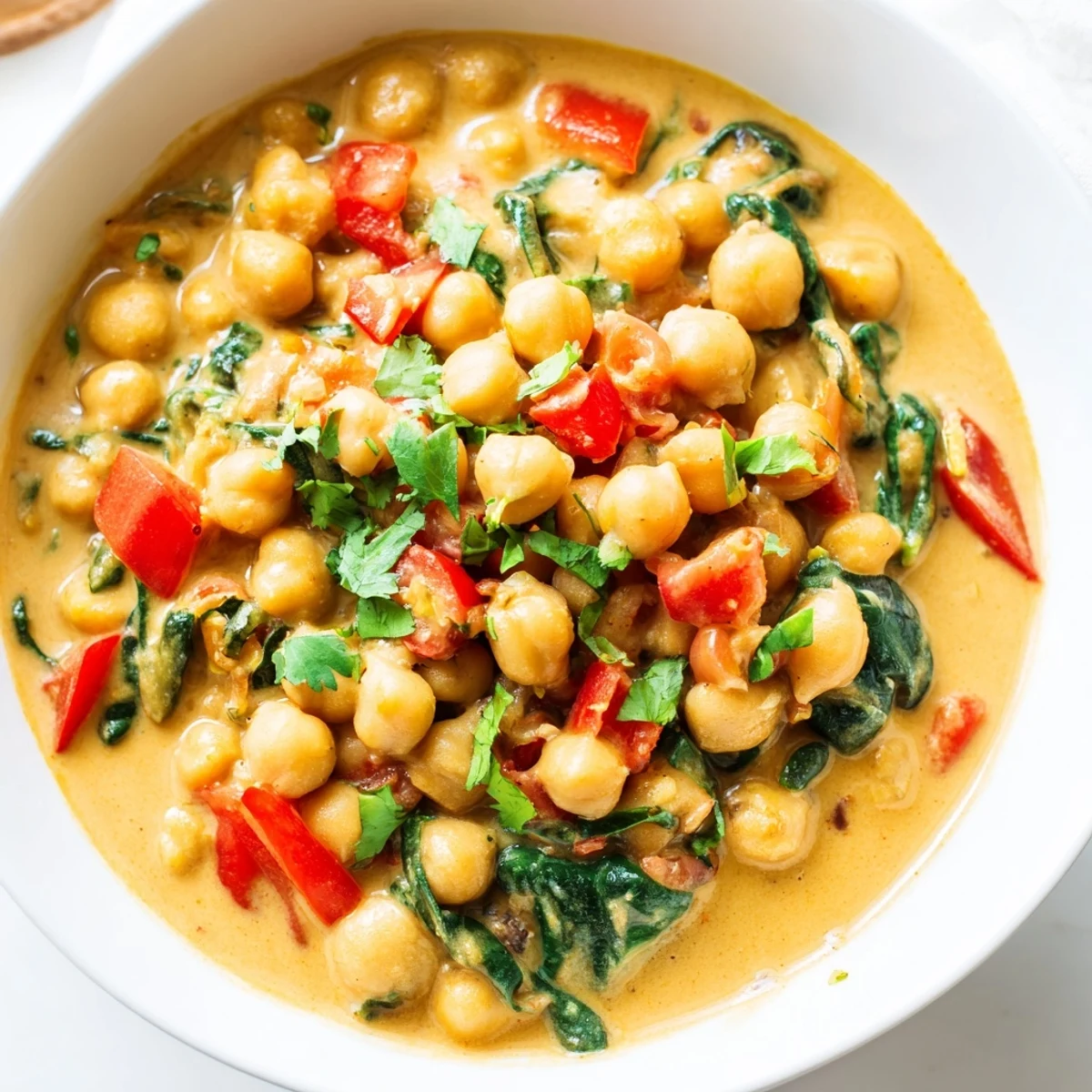
 This curry has become my go-to when I want to cook something that feels restaurant-quality but doesn't require anything complicated. It's proof that the best food doesn't always need fancy equipment or hard-to-find ingredients—just good spices, fresh garlic and ginger, and the willingness to let flavors build together.
Recipe Help & Support
- → Can I use dried chickpeas instead of canned?
-
Yes, but soak and cook dried chickpeas beforehand to ensure they are tender before adding to the curry.
- → What are the best spices to enhance the flavor?
-
Curry powder, cumin, turmeric, smoked paprika, and cayenne add depth and warmth to this dish.
- → Can I substitute spinach with other greens?
-
Kale or Swiss chard work well as alternatives; add them towards the end to wilt gently.
- → What oil is preferred for sautéing?
-
Coconut oil complements the coconut milk, but vegetable oil or sunflower oil are good neutral options.
- → How can I make the curry spicier?
-
Add extra cayenne pepper or include fresh chopped chili peppers during cooking for increased heat.