
 Save to Pinterest
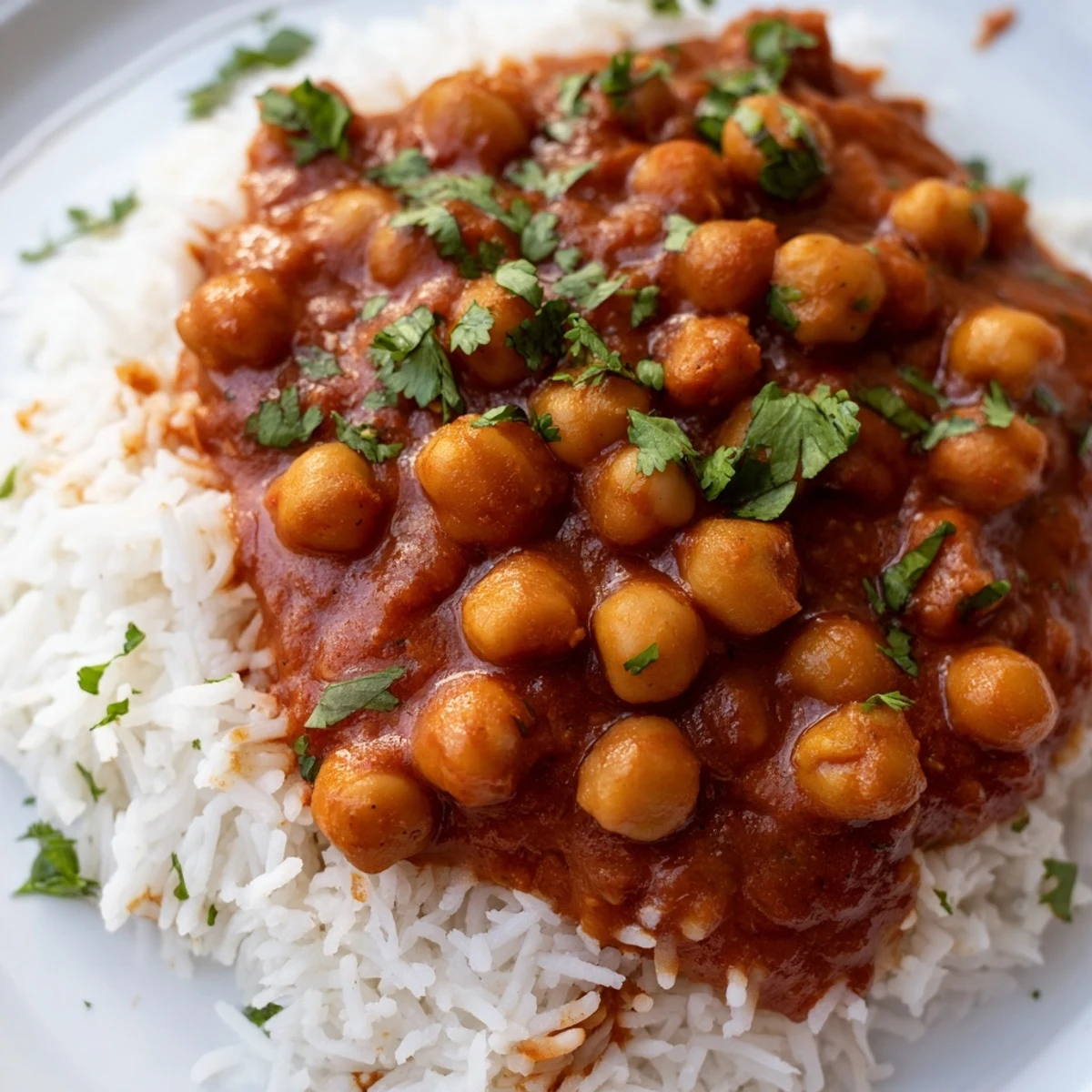
 This dish combines tender chickpeas simmered in a fragrant blend of tomato and coconut milk, infused with warm spices like garam masala, cumin, and turmeric. Paired with fluffy basmati rice, it offers a satisfying balance of creamy texture and vibrant flavors. Cooking involves sautéing aromatics, toasting spices, and slow simmering to develop rich depth. Fresh cilantro and lemon juice add brightness to the hearty, plant-based meal. Perfect for those seeking a flavorful, wholesome main course that's gluten-free and dairy-free.
The first time I made tikka masala, I was standing in my tiny kitchen at midnight, craving something warm and comforting after a long day. I didn't have a recipe memorized, just a vague memory of spices layering into something rich and fragrant. What came out of that saucepan—creamy, golden, humble—surprised me. Now whenever I make this vegan version, I chase that same feeling: the moment when coconut milk meets tomatoes and everything transforms.
I remember cooking this for my friend Maya, who'd just gone vegan and worried she'd miss creamy, satisfying food. When she tasted it, she got quiet for a second—that kind of quiet that means something landed right. She asked for seconds before finishing her first bowl, and I realized this dish doesn't need dairy or meat to feel nourishing. It just needs time, good spices, and coconut milk doing what it does best.
Ingredients
- Coconut oil or olive oil: Two tablespoons gives enough richness to carry the spices without overwhelming them; coconut oil adds subtle flavor while olive oil lets the spices shine.
- Onion: One large onion, finely chopped, becomes the foundation—cooked low and slow until golden, it adds sweetness that balances the heat.
- Garlic and ginger: Three garlic cloves minced and one inch of fresh ginger grated together create that aromatics layer; don't skip the ginger, it's what makes it taste alive.
- Green chili: Optional but worth including; one finely chopped chili adds subtle heat without dominating if you're cautious with quantities.
- Spice blend: Two teaspoons garam masala, one teaspoon each of cumin and coriander, half teaspoon smoked paprika, half teaspoon turmeric, and quarter teaspoon cayenne—buy these whole if you can and toast them yourself, the difference is real.
- Tomatoes and coconut milk: One can of chopped tomatoes and one can of full-fat coconut milk are non-negotiable; canned tomatoes have time and consistency on their side, and full-fat coconut milk is where all the creaminess comes from.
- Chickpeas: Two cans drained and rinsed provide protein and heartiness; rinsing removes the starchy liquid that can make the sauce gluey.
- Salt, pepper, maple syrup, and lemon: One teaspoon salt, half teaspoon pepper, two teaspoons maple syrup, and juice of half a lemon are the finishing touches that round out flavors and prevent the dish from tasting one-note.
- Fresh cilantro: Two tablespoons chopped plus more for garnish adds brightness at the end and reminds your palate what you're eating is alive.
- Basmati rice: One and a half cups basmati rice, three cups water, and half teaspoon salt for the bed everything sits on; rice that's rinsed and then rested after cooking stays separate and fluffy.
Instructions
- Prepare your rice first:
- Rinse the basmati rice under cold water, stirring gently with your fingers until the water runs clear—this removes surface starch and prevents gluey rice. Combine rice, water, and salt in a medium saucepan, bring to a boil, then reduce heat to low, cover, and simmer for fifteen minutes until all the water is absorbed.
- Start your aromatics:
- While rice cooks, heat coconut oil in a large skillet over medium heat and add your finely chopped onion. Let it cook undisturbed for a minute, then stir occasionally for five to seven minutes, watching it turn from white to soft and golden—this is where sweetness develops.
- Build the spice base:
- Add minced garlic, grated ginger, and chopped green chili to the softened onion, stirring constantly for one to two minutes until the kitchen smells like a spice market. The oil should be fragrant and alive at this point.
- Toast your spices:
- Stir in garam masala, cumin, coriander, paprika, turmeric, and cayenne, cooking for just one minute, stirring to prevent sticking. You'll smell the difference immediately—that's the moment the spices release their essential oils and stop being dusty.
- Build the sauce foundation:
- Add the can of chopped tomatoes and cook for five minutes, stirring occasionally, until the tomatoes soften and the sauce thickens slightly. The raw tomato flavor mellows and becomes part of the whole.
- Add richness and protein:
- Pour in the full-fat coconut milk, mixing well to combine, then add your drained chickpeas, salt, black pepper, and maple syrup. Bring to a gentle simmer—not a rolling boil, which can break down the coconut milk's creaminess.
- Let it cook and marry:
- Simmer uncovered for fifteen to twenty minutes, stirring occasionally, until the sauce thickens and becomes creamy and rich. This time is when all the elements stop being separate and become one dish.
- Finish with brightness:
- Stir in lemon juice and fresh chopped cilantro, taste, and adjust salt or spices if needed. The lemon lifts everything and the cilantro makes it taste fresh.
- Serve with presence:
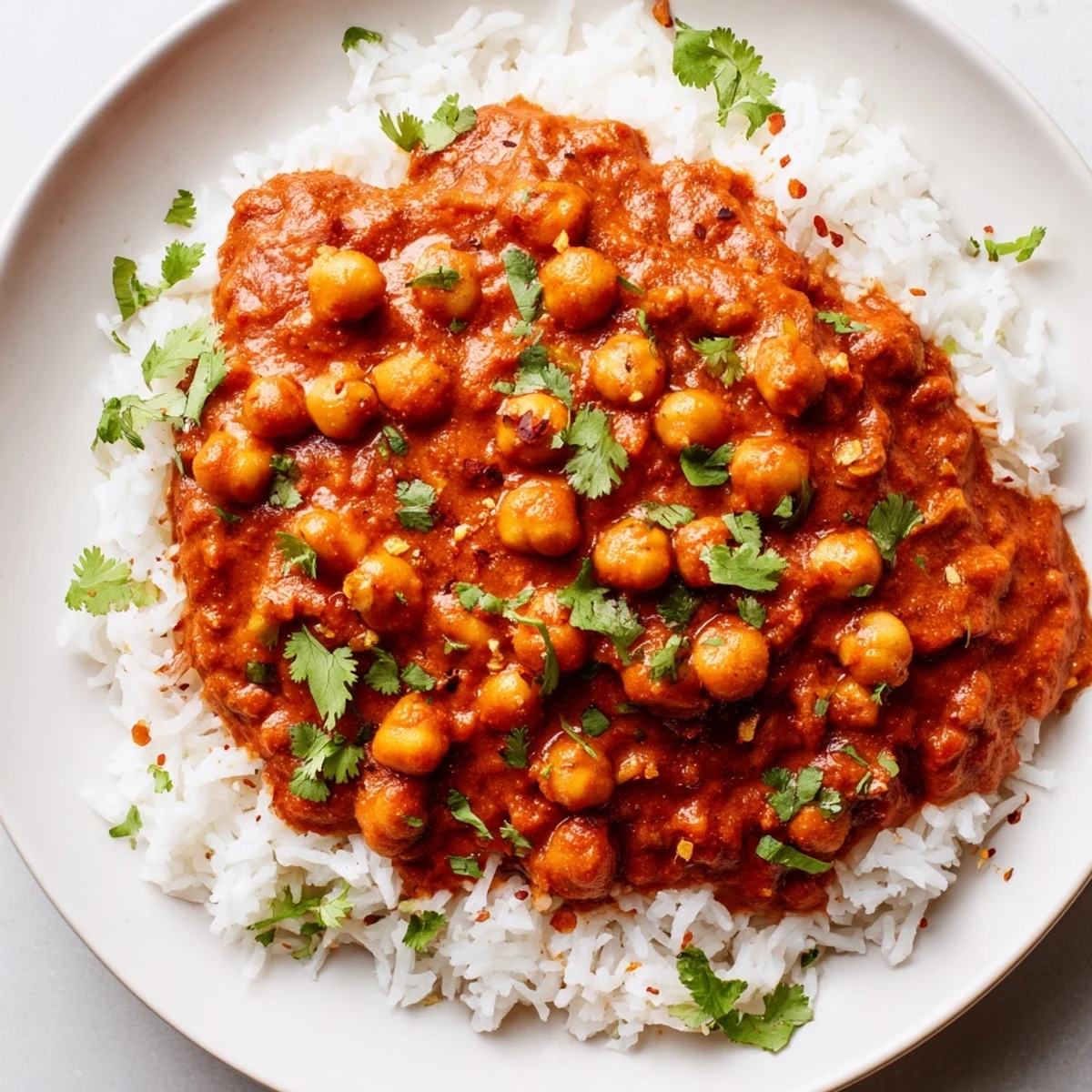
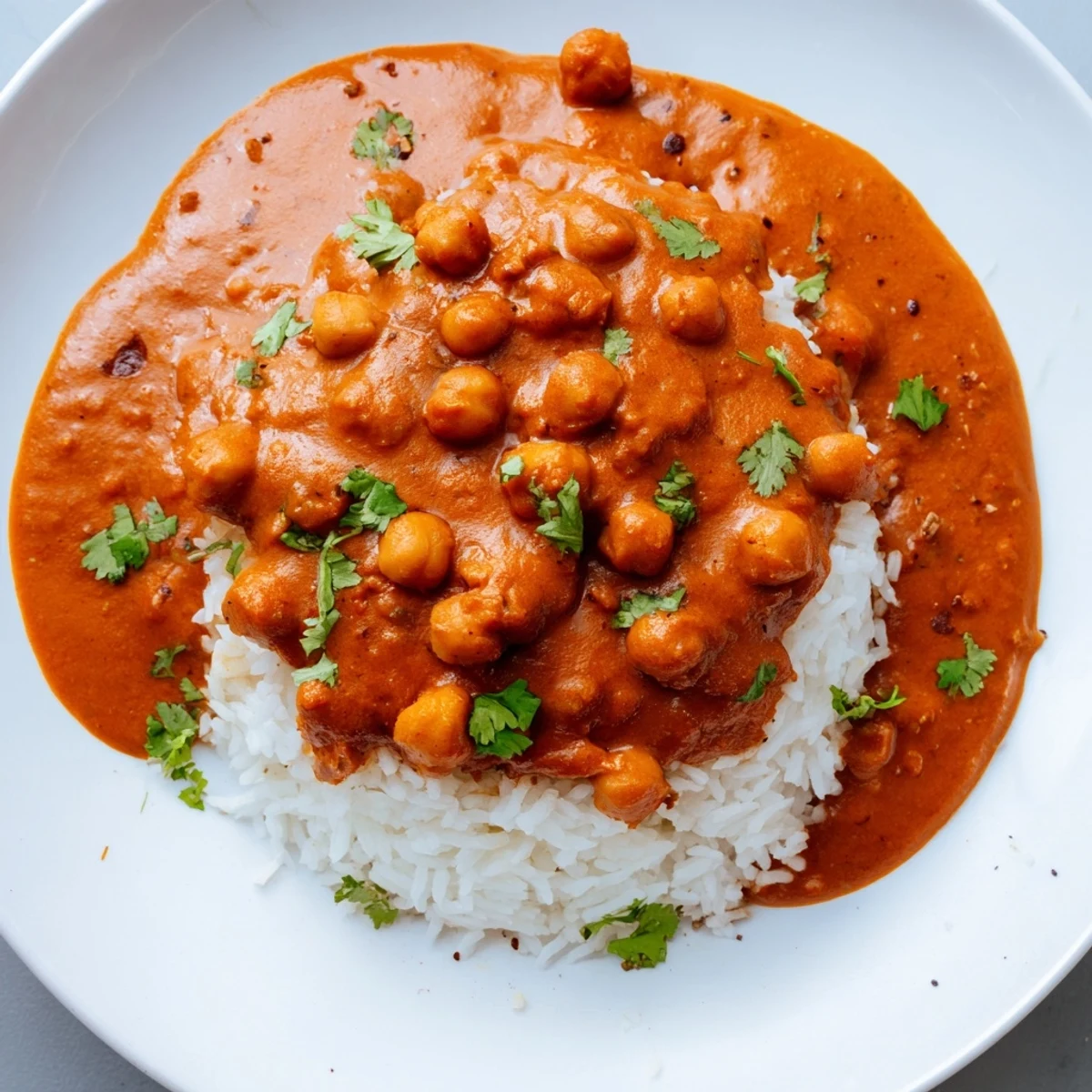
- Spoon the tikka masala over a nest of fluffed basmati rice, garnishing with extra cilantro. This is your finished dish—warm, golden, ready to nourish.
 Save to Pinterest
 There's a moment, maybe three-quarters of the way through cooking, when the house fills with that particular warmth that makes people show up in the kitchen asking what's for dinner. That's when you know this dish is working. It's not fancy or complicated, but it carries intention and care in every spoonful.
Why This Works as a Plant-Based Meal
Chickpeas give this dish the kind of substance and protein that makes you feel full and satisfied, not like you're eating something light out of obligation. Coconut milk adds creaminess that your body recognizes as nourishing, and the spices are complex enough that you're not missing anything from a traditional version. This is comfort food that happens to be vegan, not vegan food pretending to be something else.
The Spice Layer Secret
Indian cooking is really about building flavor in layers, and this recipe does that by introducing spices at different moments—raw in the pan, then toasted, then simmered into the sauce. Each layer adds something different: the raw chili and ginger bring sharpness, the toasted spices bring warmth and depth, and the simmering binds everything into one coherent flavor. If you rush this or throw all the spices in at once, you lose the complexity.
Serving and Storing with Intention
This dish is generous with leftovers—it keeps in the fridge for up to three days and actually tastes better on day two because the spices have more time to develop and settle into the sauce. You can also serve it with vegan naan to soak up the sauce, or with a side of cucumber raita if you want something cool and refreshing alongside the warmth. If you're cooking for a crowd, this scales easily and looks impressive without requiring last-minute fussing.
- Reheat gently on the stovetop, adding a splash of water if the sauce has thickened too much, to restore creaminess.
- Make extra rice and use leftovers the next day for quick fried rice with whatever vegetables you have on hand.
- This dish freezes well for up to a month if you want to make a double batch and save time later.
 Save to Pinterest
 This is the kind of meal that quiets a table and brings people back for more, and that's really the whole point. Make it when you have time to cook slowly and pay attention, and you'll understand why it became mine.
Recipe Help & Support
- → How do I get the rice fluffy?
-
Rinse the basmati rice until water runs clear to remove excess starch. Cook with the right water ratio, cover and let it stand off heat to steam before fluffing with a fork.
- → Can I adjust the spice level?
-
Yes, modify the green chili and cayenne pepper amounts to suit your preferred heat level without overpowering the dish.
- → What oils work best for cooking?
-
Coconut oil or olive oil add richness and help bring out the spices’ aromas during sautéing.
- → Is it possible to roast the chickpeas first?
-
Roasting chickpeas before adding them enhances texture and deepens flavor, creating a nuttier, more complex profile.
- → How do I store leftovers safely?
-
Keep leftovers refrigerated in an airtight container for up to three days, reheating gently before serving.