
 Save to Pinterest
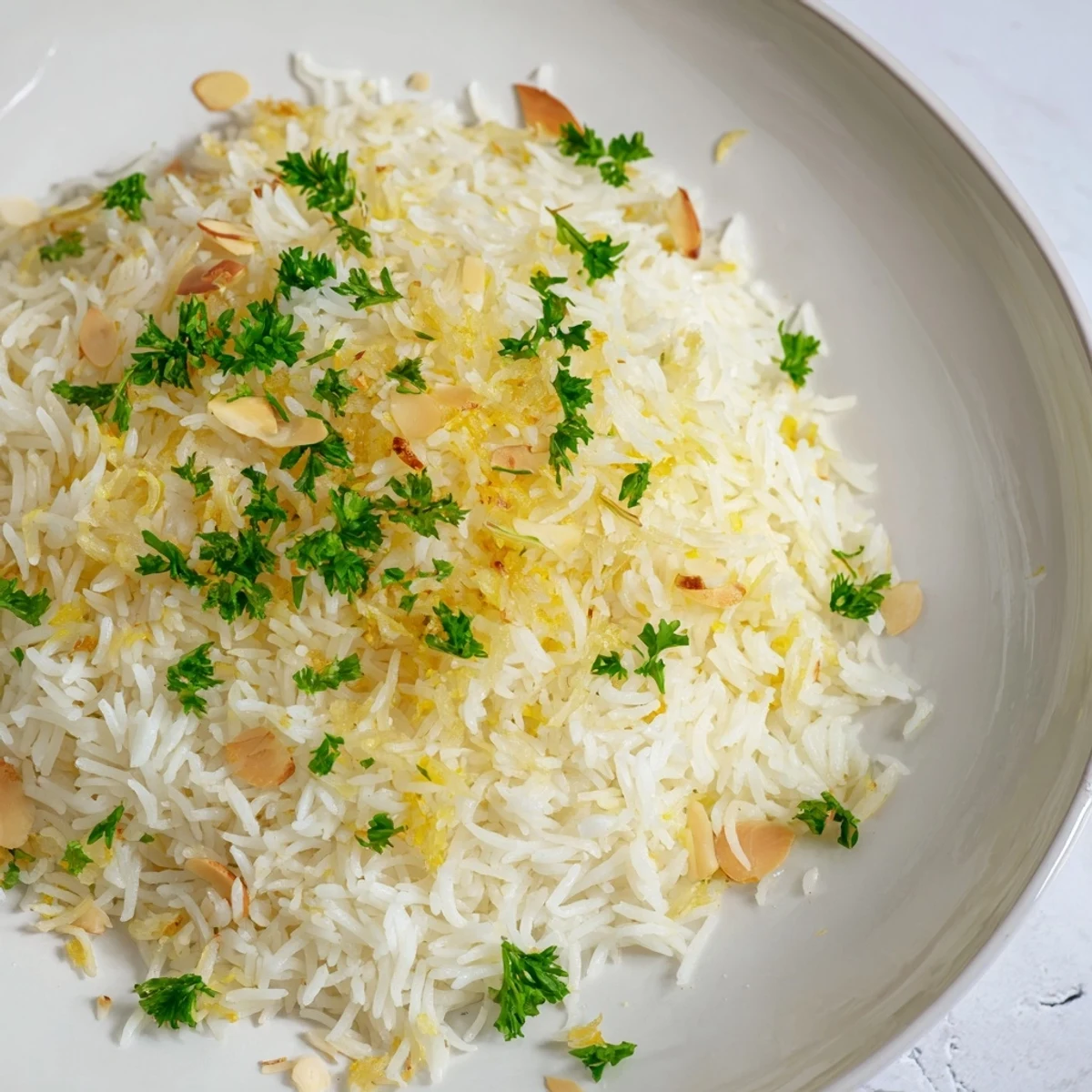
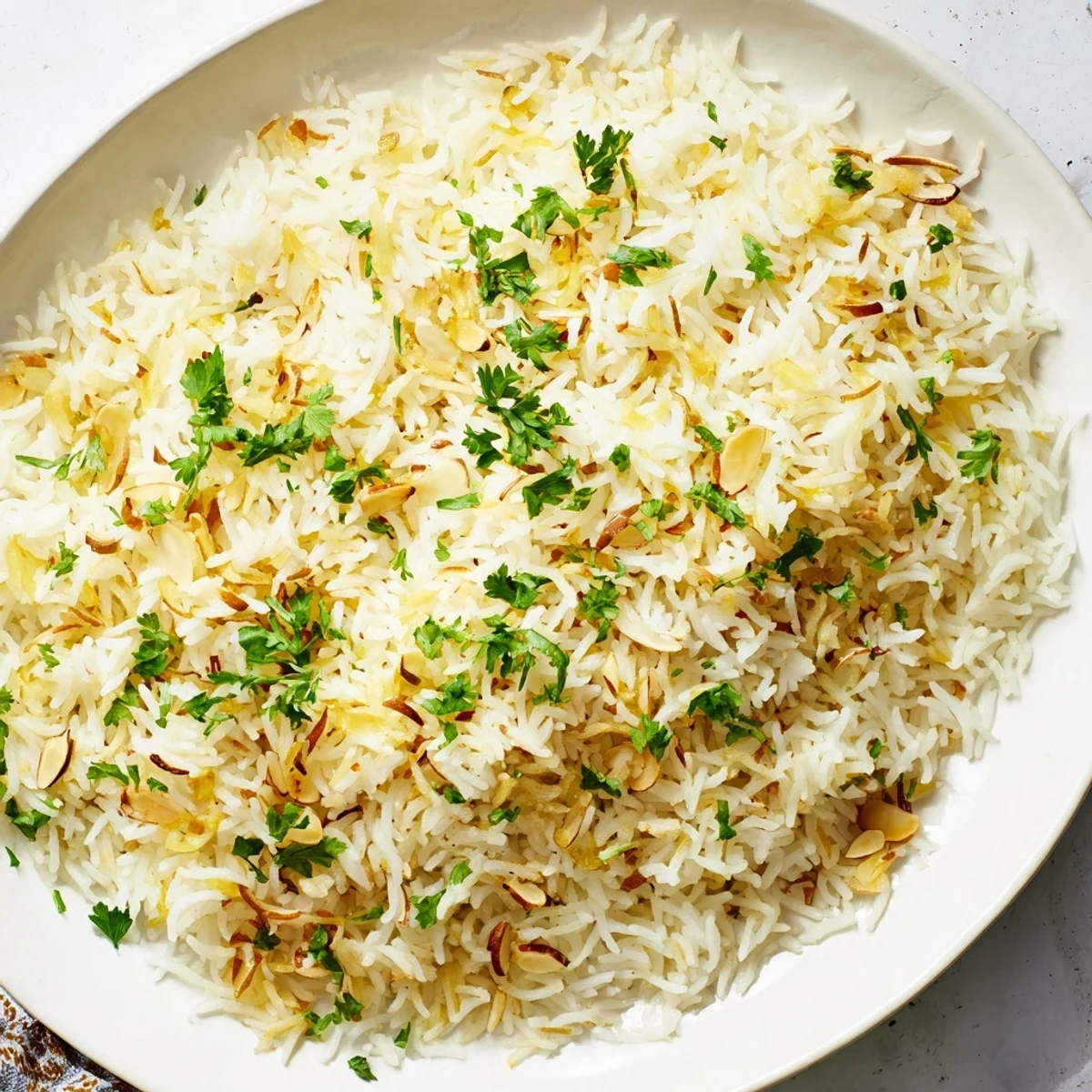
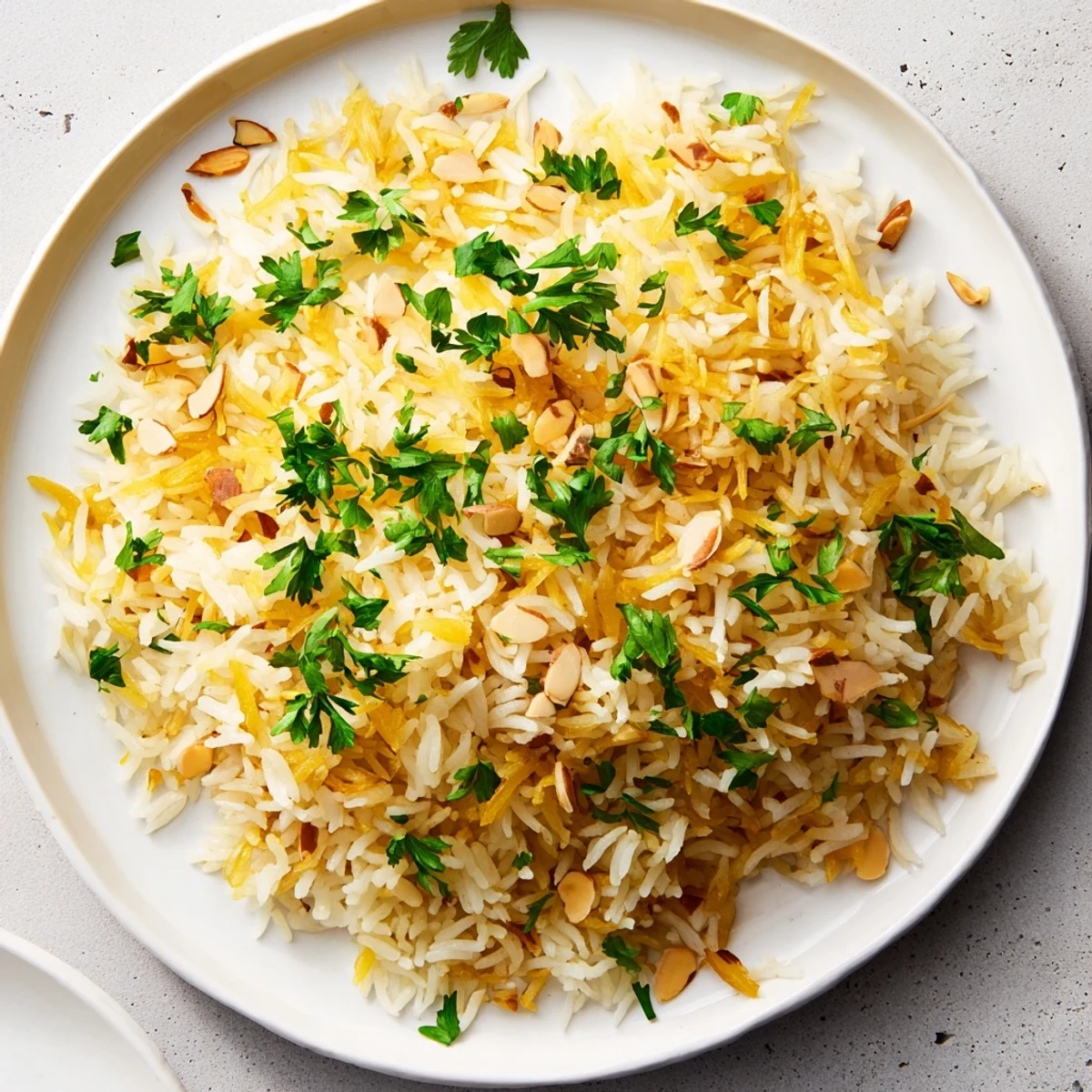
 This Middle Eastern inspired dish features long-grain rice cooked with sautéed onions, garlic, and aromatic spices like cumin and turmeric. The rice is simmered in vegetable broth until tender and fluffy, then garnished with fresh parsley and toasted almonds for a delightful texture contrast. Perfect as a vibrant side or light main, it brings subtle flavors and wonderful aromas to the table with simple ingredients and easy preparation.
My neighbor once brought over a pot of rice pilaf for a weeknight dinner, and I watched it disappear faster than the main course. The kitchen smelled like toasted rice and caramelized onions, and I realized right then that this humble side dish could steal the show. Now I make it whenever I need something that feels both comforting and a little special, without any fuss.
I made this for a potluck once and someone asked for the recipe before dessert was even served. That moment made me realize that pilaf isn't just a side—it's the quiet star that makes people linger at the table a little longer.
Ingredients
- Long-grain white rice (1 cup): Basmati or Jasmine work best because they stay separate and fluffy instead of clumping together.
- Unsalted butter (2 tablespoons): This creates the golden, toasted flavor that makes people ask what your secret is.
- Yellow onion (1 small, finely chopped): Chopping it fine lets it melt into the rice and build a sweet, savory base.
- Garlic (2 cloves, minced): Just 30 seconds in the pan is enough to release that incredible fragrance without burning.
- Low-sodium vegetable or chicken broth (2 cups): The liquid matters—it carries all the flavor into each grain.
- Salt (1/2 teaspoon) and black pepper (1/4 teaspoon): Season as you go so the flavors build naturally.
- Bay leaf (1): This quietly adds depth you can't quite name but will absolutely notice if it's missing.
- Ground cumin (1/4 teaspoon, optional): A pinch brings warmth and earthiness that connects everything.
- Ground turmeric (1/4 teaspoon, optional): If you use it, the rice glows golden and feels even more intentional.
- Fresh parsley (2 tablespoons, chopped) and toasted slivered almonds (2 tablespoons): These finish the dish with brightness and a satisfying crunch.
Instructions
- Rinse your rice:
- Run cold water over the grains until the water goes from cloudy to clear, then drain well. This removes the starch that would otherwise make your rice gummy and sticky.
- Toast the aromatics:
- Melt butter in your saucepan over medium heat, add the chopped onion, and listen for the gentle sizzle. Let it cook until it softens and turns translucent, about 3 to 4 minutes, then add the garlic and cook for just 30 seconds until your kitchen smells like magic.
- Toast the rice:
- Stir the drained rice into the pan and keep stirring for 2 to 3 minutes. You're looking for the rice to turn slightly golden and smell nutty, not burned—this step is where most of the flavor comes from.
- Add your liquid and spices:
- Pour in the broth, add the salt, pepper, bay leaf, and any cumin or turmeric you're using, then stir everything together. Bring it to a rolling boil so you know it's heating evenly.
- Simmer low and slow:
- Lower the heat to the gentlest setting, cover with a lid, and walk away for 15 to 18 minutes. Resist the urge to peek—the steam is doing all the work.
- Rest and fluff:
- Remove from heat and let it sit covered for 5 minutes so the grains can settle and absorb any last bit of liquid. Then use a fork to gently fluff each grain, discard the bay leaf, and serve.
 Save to Pinterest
 My daughter once asked why store-bought rice never tastes like this, and I realized it's because you can't bottle the attention it takes to listen for the moment when the sizzle softens into steam. That little moment of presence is what makes a simple dish feel like home.
Variations That Work
I've stirred in diced carrots and peas for color, scattered dried currants through the rice for subtle sweetness, or swapped half the butter for good olive oil when I wanted something lighter. Each change felt natural and gave me a reason to make it again the next week.
What This Pairs With
This pilaf sits perfectly next to grilled meats, roasted vegetables, or a rich curry where it soaks up all those bold sauces. I've also made it the star of a vegetarian bowl with roasted chickpeas and a simple salad, and it held its own beautifully.
Small Choices That Matter
Using good broth instead of water makes a noticeable difference, and toasting the rice before adding liquid is the step that separates this from plain rice cooked in a pot. The bay leaf is small but essential—it adds a subtle sophistication that makes people ask what you did differently.
- If you're cooking for someone with allergies, swap the butter for dairy-free butter and skip the almonds entirely.
- Toast your almonds in a dry pan for just 2 minutes before using—they'll taste nuttier and won't get lost in the dish.
- Make extra because it reheats beautifully and often tastes even better the next day.
 Save to Pinterest
 Rice pilaf taught me that the simplest dishes often deserve the most attention. Make this when you want something that feels special but doesn't demand your stress.
Recipe Help & Support
- → What type of rice works best for this dish?
-
Long-grain varieties such as Basmati or Jasmine provide the ideal fluffy texture and aroma.
- → Can I substitute the butter with another fat?
-
Yes, olive oil can replace half or all of the butter for a different richness and vegan-friendly option.
- → How do the spices affect the flavor?
-
Ground cumin and turmeric add warmth and subtle earthiness, while bay leaf infuses a gentle herbal note.
- → Are there optional add-ins to enhance the dish?
-
Diced carrots, peas, or currants can add sweetness and color if desired.
- → How should I store leftovers?
-
Keep any extras covered in the refrigerator and consume within 2-3 days for best quality.