
 Save to Pinterest
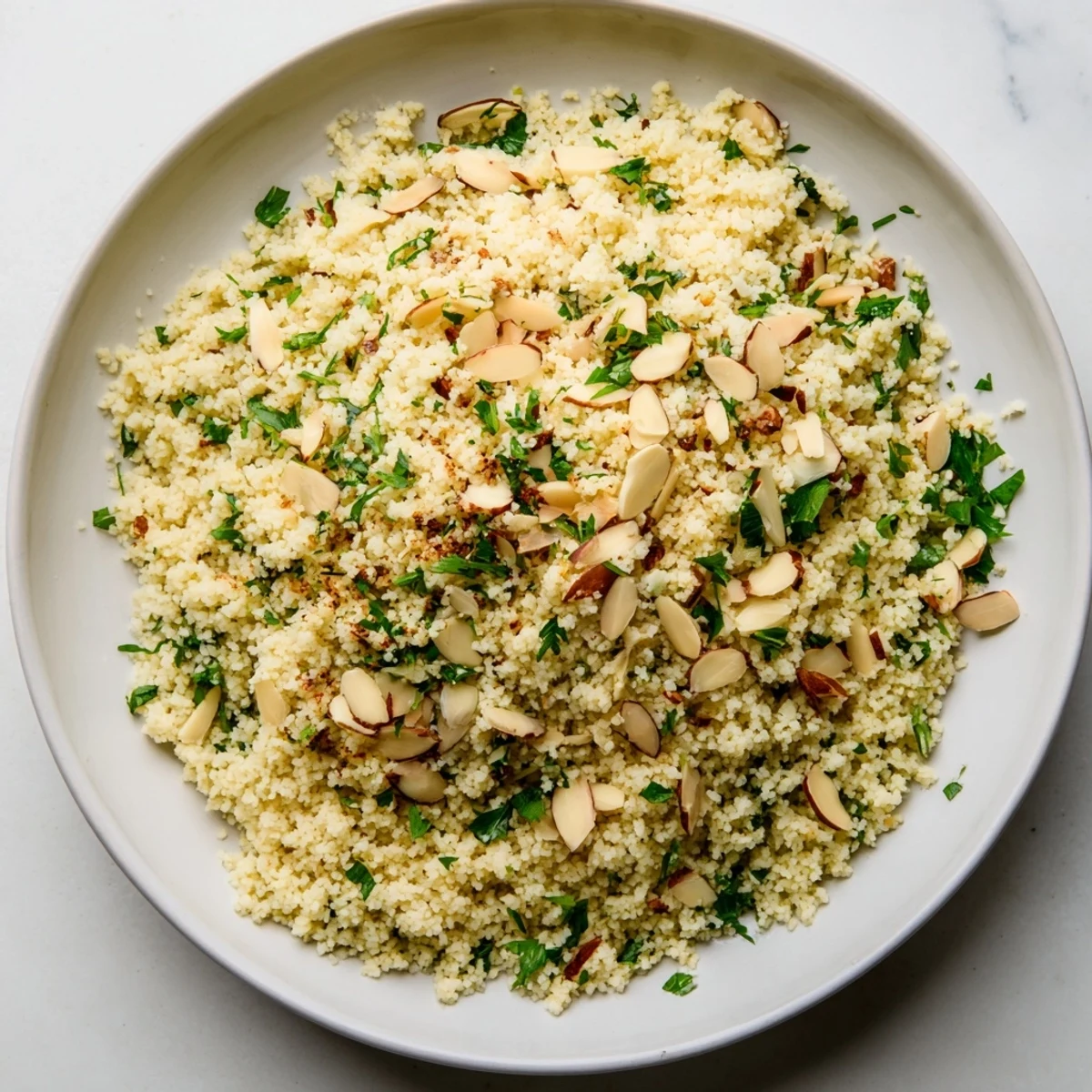
 This dish offers a light and fluffy couscous with a simple blend of water or broth, olive oil, and a touch of salt. After standing briefly to absorb the liquid, the grains become tender and separated. Fresh parsley, lemon juice, toasted nuts, and black pepper enhance the flavor, making it a versatile side or base for stews and grilled meats. Ready in just 15 minutes, it balances ease and freshness with a subtle nutty aroma.
I discovered couscous by accident during a summer visit to a Moroccan market in the old part of town, where a vendor handed me a warm spoonful to taste straight from a tagine pot. The grains were impossibly light and fluffy, each one distinct and delicate, nothing like the mushy rice I'd grown up with. From that moment on, couscous became my go-to when I wanted something that felt fancy but required almost no effort—just ten minutes between hungry and fed.
My roommate once asked what was for dinner and I said couscous, and she looked skeptical until I served it warm with roasted vegetables and a squeeze of lemon. She went back for seconds and asked why I hadn't made it sooner—that moment taught me that the simplest dishes can be the ones that surprise people the most.
Ingredients
- Couscous: Use medium-grain or instant couscous—instant is truly forgiving and gives you those perfect separate grains, though medium-grain has a slightly nuttier taste if you have time.
- Water or vegetable broth: Broth adds depth, but honest water works beautifully when you're rushing or keeping things simple.
- Olive oil: This is the secret ingredient that keeps the grains from sticking and gives everything a silky feel.
- Salt: Half a teaspoon sounds small, but it seasons the whole dish from within.
- Fresh parsley: A bright handful adds color and a fresh bite that makes people think you fussed more than you did.
- Lemon juice: A tablespoon wakes up the whole bowl—don't skip it.
- Toasted nuts: Almonds or pine nuts add texture and make it feel substantial, though they're completely optional.
- Black pepper: Freshly ground tastes like you actually care.
Instructions
- Boil your liquid:
- Pour water or broth into a medium saucepan with olive oil and salt, then bring it to a rolling boil—you'll hear it before you see the bubbles if you're paying attention.
- Let the couscous drink:
- Remove the pan from heat, stir in the couscous quickly so it's fully submerged, then cover and walk away for five minutes. Resist the urge to peek—patience is doing the real work here.
- Fluff with intention:
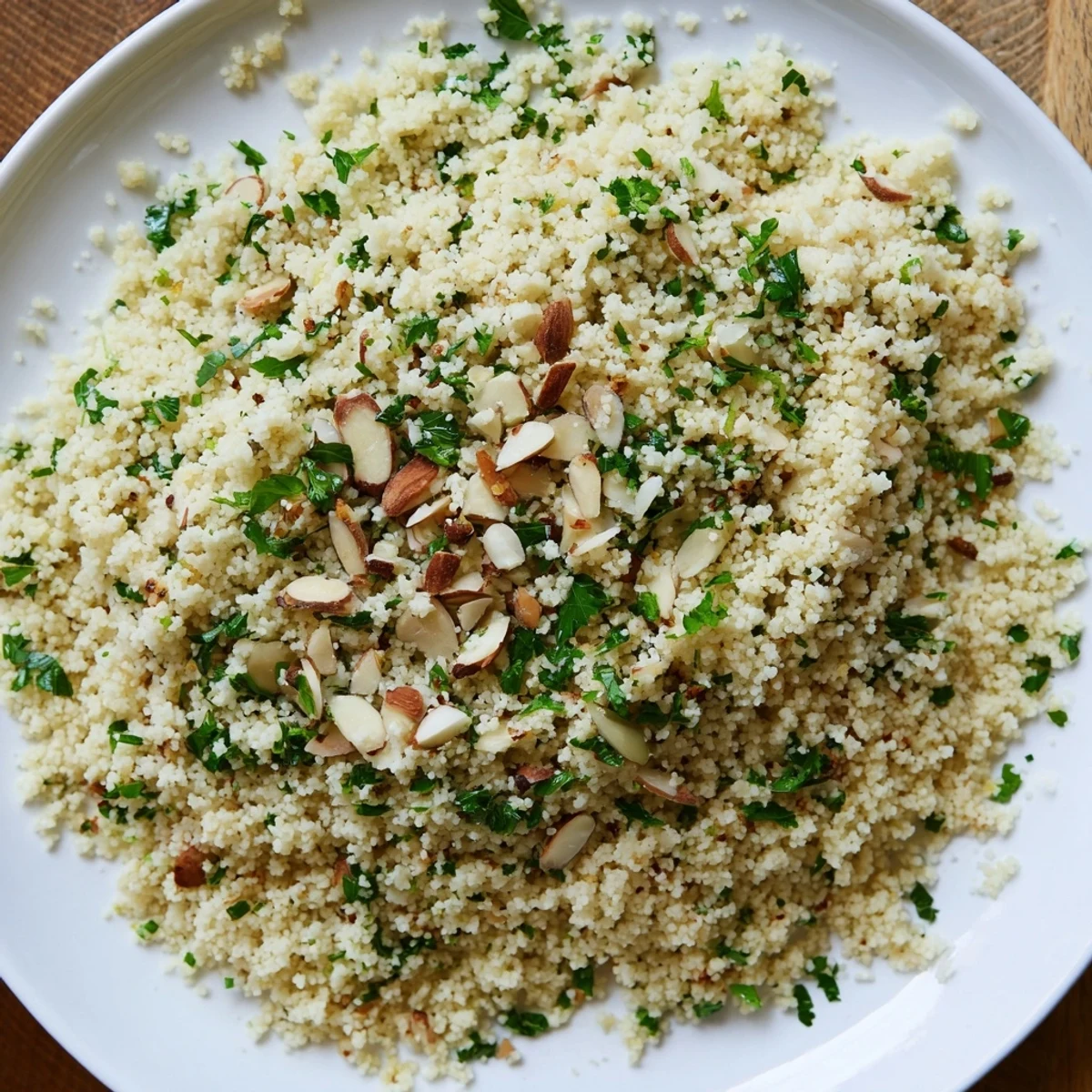
- After five minutes, uncover and gently work a fork through the couscous in a light, lifting motion to separate the grains. You'll feel the difference between couscous that's been fluffed and couscous that's been crushed.
- Taste and finish:
- Stir in parsley, lemon juice, nuts if you're using them, and a grind of pepper. Taste it plain first before deciding if it needs more salt or lemon—your tongue is the best judge.
 Save to Pinterest
 There's something almost meditative about watching a simple bowl of couscous come together, how steam rises and the grains transform from hard pellets into something soft and welcoming. It reminded me that the best meals don't always come from complicated recipes—sometimes they come from knowing one thing deeply and making it perfectly.
Why Couscous Works as a Canvas
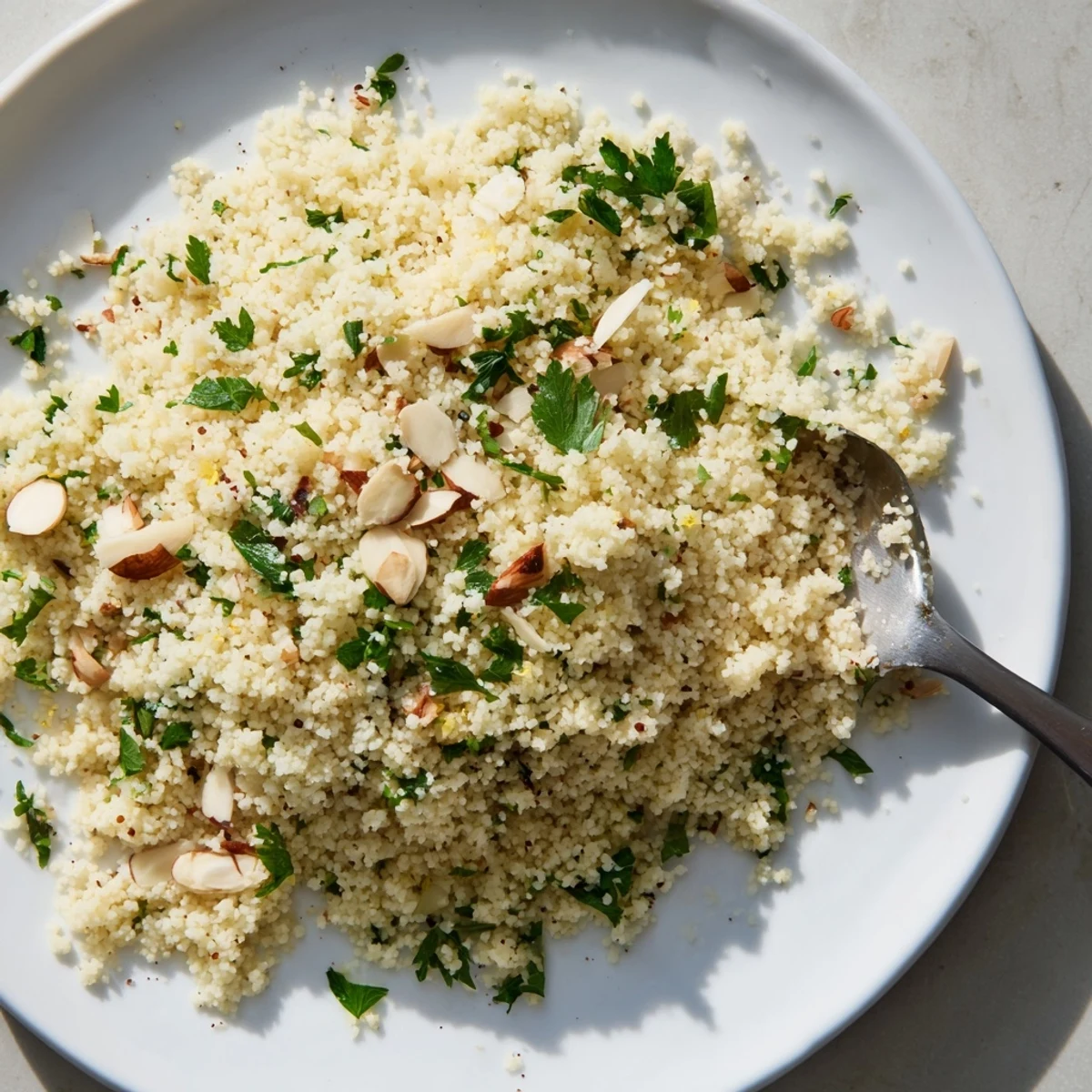
Couscous is one of those rare side dishes that listens instead of demands, absorbing the flavors around it while staying neutral enough to never overshadow the main event. I've served it under fragrant tagines, alongside grilled fish with herbs, and piled high with roasted summer vegetables—and it plays the supporting role better than almost anything else I reach for.
Cold Couscous Salad Possibilities
If you have leftover couscous, let it cool and toss it with diced tomatoes, cucumber, crumbled feta, and more lemon juice—it becomes a completely different dish that's perfect for lunch the next day. The cold grain somehow feels lighter and more refreshing, like the couscous was waiting to become something else all along.
Small Tweaks That Change Everything
I learned early on that couscous responds beautifully to small additions that make it feel intentional and personal rather than like a blank canvas. A pinch of cinnamon and a scatter of dried apricots transform it into something almost Moroccan, while a handful of roasted chickpeas and sumac give it a Mediterranean lean.
- Try stirring in pomegranate arils and pistachios for a festive version that feels special without extra work.
- A few threads of saffron soaked in warm broth elevate the whole dish into something that tastes like you spent hours in the kitchen.
- Roasted vegetables mixed in right at the end mean you're really serving a one-bowl meal instead of a side dish.
 Save to Pinterest
 Couscous taught me that simplicity can be its own kind of sophistication, and that sometimes the most useful recipe is the one you can make without thinking. Keep this one close.